Tag: productivity

  • Jobs That Leave You Time to Write

    Jobs That Leave You Time to Write

    You drag yourself out of bed, get ready, deal with traffic, work hard for eight hours, drive home, eat something and then . . . start writing? It’s doubtful.

    What about weekends? Sure, right after you catch up on the household chores you put off all week.

    It’s tough enough to build your writing career part-time around other commitments, but it’s especially difficult if you have a day job.

    Fortunately, not all jobs are equal. In fact, some types of work leave you ample time to write: jobs where you can write while on the clock, positions with limited days or hours, and gigs where you control when and how much you work.

    Jobs that let you write at work

    I used to drive an electric tram for residents of a wealthy community in Florida, and my employer encouraged me to bring books or even a laptop if I wanted to read or write during slow times. And sure enough, during the off-season, I often waited for an hour or more between passengers.

    Few employers may allow you to write while on the job, but if you’re serious about your writing and need a day job, try one of these positions:

    Security guard
    “I wrote Enjoy the Decline in 45 days while pulling 16 hour shifts sitting at a warehouse as a security guard,” says author Aaron Clarey. He also wrote his 324-page book, Behind the Housing Crash, while working at that same job.

    Clarey suggests writers ask to be assigned night shifts, when they’ll likely have fewer administrative than they would during the day. However, day shifts can be productive as well; author Mark Allan Gunnells says:

    I’m a security guard, and have pockets of downtime throughout the day. I have trained myself to write in those pockets. It isn’t ideal for some, the constant stop-and-start method, but I’ve managed to make it work.

    When I wrote while working as a security guard, the biggest problem I faced was the number of interruptions. Gunnells may have adapted to that stop-and-start environment, but my own solution was to do the preparatory work instead of the actual writing.

    For example, I researched my topic online, found sources and took notes. When I later wrote my articles, they came quickly and easily since I already had information, sources and a general outline ready.

    Pet sitter or House sitter
    While they may not be full-time gigs, these jobs leave you lots of time to write.

    When I was younger, I wrote while getting paid to watch dogs for family and friends. When my wife and I travel, we pay our pet sitter $60 per night to stay with our two cats. Apart from a few minutes of play time and feeding, the rest of her eight-hour stay is open for whatever she wants to do — including writing.

    Other possibilities
    Consider alternative positions that offer lots of downtime during your working hours, and don’t be afraid to get creative. For example:

    • A late-shift hotel clerk can write while waiting for the phone to ring or a guest to check in
    • An elder-care driver can write while waiting for passengers at appointments
    • A campground host can write when he’s not welcoming guests or accepting bookings
    • A baby sitter can write after the kids are in bed

    It may not be easy to fit in writing time at work, but it’s possible. Rodrigo Ribera D’Ebre says he wrote a novel during breaks while working in an office cubicle at an auto insurance company. Short story author Lisa Proctor says her boss let her write on the job when she was a clerk at a bookshop.

    Some employers are happy to let writers write, as long as they get their work done. Why not ask?

    Part-time work that pays well

    A miserable day job can be good motivation for launching your writing career, and you might even use lunch breaks to plan how you’ll quit your job and start freelancing.

    But if you need the extra income, consider a part-time job to support your writing. To maximize your writing time, look for a position that pays well for your time, so you can afford to work fewer hours.

    If you only want to work a couple of days each week, one of the best opportunities may be bartending. If you have previous experience serving drinks or waiting tables, you might convince a bar or club owner to let you work only Friday and Saturday nights — the busiest times for most bars.

    The tips can be surprisingly good. “Tending bar at a busy nightclub, I regularly pulled in upwards of three hundred dollars a night, and on many Fridays I took in more than $600,” says Rob Dohearty. On his best night, he earned $1,600, and that was at a rural tavern where he normally made only about $100 per night. However, he warns that without experience you’ll probably get the slow shifts to start, and you’ll make much less.

    Also consider jobs that require you to work five days or more each week, but for a limited number of hours. For example, many people who deliver newspapers to the coin-operated boxes on street corners (a job I used to have), work just two to four hours each morning. Just be prepared to get up at three or four in the morning each day!

    Here are some other part-time possibilities with the potential for decent hourly incomes:

    • Waiting tables in an expensive restaurant
    • Cutting hair
    • Substitute teaching
    • Doing morning janitorial work for offices or schools
    • Driving a school bus

    As a school bus driver, you can use the time between morning and afternoon runs to write, and you get summers off.

    Flexible, writing-friendly jobs

    The best gig for writers would allow you to work when you want and as much or as little as you want. That way, when you have paid writing projects you can slack off on the other work, and when writing income falls you have a backup. But is there such a job?

    Yes. As a search engine evaluator — a job I started nine months ago — I work when I want, day or night, for $13.50 per hour. The most I’ve worked is 53 hours in a month, and although the company says you have to work at least 20 hours, I have recently dropped to fewer than five hours monthly, which is apparently just enough to keep from getting fired.

    As a search engine evaluator, you rate search results based on various factors. The employers provide the minimal training necessary. Companies that hire for these positions include Leapforce, Lionbridge and Appen Butler Hill, and may also offer other at-home part-time positions.

    Jobs that let you work as many hours as you like, whenever you like, are rare. Get creative to brainstorm opportunities based on your skills. Perhaps a family member with a business can hire you to work the days and hours that fit best with your writing schedule — another way I’ve been able to work while having time to write.

    Do you have a job that leaves you time to write? How do you fit writing around a day job?

  • Dana Sitar’s Write Your Manifesto: Review

    Dana Sitar’s Write Your Manifesto: Review

    We review ebooks, courses and tools for writers, so you can make good decisions about how to invest in your writing career.

    Course: Write Your Manifesto

    About the creator: Dana Sitar is an author, blogger and e-publishing coach. She blogs at A Writer’s Bucket List and co-hosts the This Is Temporary podcast.

    Price: $45. The course comes with lifetime access and a 30-day money-back guarantee.

    Who It’s For: Anyone who wants to write a nonfiction, message-driven ebook (or, as Sitar calls it, a manifesto). It’s a perfect fit for people who know they want to write an ebook, but aren’t sure what they want to say or how to get started.

    What It Will Help You Do: This course will walk you through each step of writing your ebook — everything from carving out the time to write to defining your audience and finding your voice.

    What’s Included: An online course with 10 modules:

    1. Commit to Your Writing Routine: How can you fit writing into your life?
    2. Clarify Your Message: What do you want to be known for? What do you have to offer?
    3. Define Your Audience: Who are you writing for?
    4. Describe Your Offer: How are you going to solve problems for your readers?
    5. Determine Your Action Steps: What actions do you want your readers to take?
    6. Create Your Outline: What is your book going to say?
    7. Know Your Unique Voice: What is your genuine voice?
    8. Consider the FAQs: What questions will your readers have?
    9. Write!: Finish your first draft!
    10. Review What You’ve Written: Who can you ask for feedback?

    Each module is further segmented into information and tips, writing prompts, worksheets and assignments. Some modules have an “additional resources” section with helpful links for further reading.

    The Best Part: This course breaks down the monumental task of writing an ebook into bite-sized chunks. The truth is that you probably don’t need help with the writing itself; you need help figuring out what to write, who to write it for and how to manage your time.

    That’s where this course comes in. Sitar helps you determine your message and your offer through helpful writing prompts, questions and exercises. As shown above, you don’t even start writing an outline until Module 6 — and you don’t start drafting until Module 9. To top it off, she even includes an ebook publishing timeline for spreading your message to the world.

    What Would Make It Even Better: There’s a private Google+ group for people taking the course, but it isn’t active. As evidenced by events like #NaNoWriMo, writers thrive when they have a support network, so a lively Google+ community would give this course a huge boost. Almost all of the assignments are “community challenges” that encourage you to post in the group, but without anyone else posting there, it’s a bit intimidating.

    Our Recommendation: The hardest part of writing is starting, which is why this course is worth the money. It guides you through every step of the creation process, making completing an ebook much more manageable. If you take this course, you’ll have zero excuses for not starting — or finishing — your project.

    This post contains affiliate links. That means if you purchase through our links, you’re supporting The Write Life — and we thank you for that!

    Are you planning to write an ebook in 2015?

  • Don’t Wait for Inspiration: 3 Surefire Ways to Beat Writer’s Block

    Don’t Wait for Inspiration: 3 Surefire Ways to Beat Writer’s Block

    Inspiration. It’s an attractive concept for writers, but there’s a big problem with waiting for the muse.

    What would happen if a professional sprinter stopped training for a competition because she was tired of her sport? If she made a habit of it, she’d lose her next event.

    What would happen if an engineer stopped working on a construction project because he didn’t feel excited about plans for the project? He’d lose his job.

    What happens to the writer who waits for inspiration to arrive? She might not write today, or tomorrow, or the day after that.

    Professional writers can’t afford to skip several days because they don’t have a good idea. They know writing is a demanding craft, and they go to great lengths to prevent having nothing to write about.

    Here are three ways you can avoid having to wait on inspiration and trick yourself into making major writing progress.

    1. Build a swipe file

    A swipe file is a great tool for writers. It’s a place for recording facts, figures, sentences and ideas about your work. If this information isn’t relevant to your current writing project, it will help you the next time you’re devoid of ideas. All you have to do is review your swipe file, pull out your notes and use them as a jumping off point into the unknown.

    If you’re a copywriter, clip the headlines, words and sales hooks of other, more talented copywriters into your file.

    If you’re a nonfiction writer, store articles and notes about your research in your file.

    If you’re a blogger, clip the most popular articles by bloggers in your niche and review these before you write your next post.

    If you’re a fiction writer, keep reflections about stories you read and ideas for future work in your swipe file.

    I use Evernote for my swipe file. Other digital options include OneNote and Simplenote, both of which are multi-platform tools. However, you don’t need a digital tool to keep a swipe file. Author Ryan Holiday, for example, uses a paper-based system for his research. In the end, the tool is less important than the process.

    2. Practice writing by keeping a journal

    Writing a journal will foster your creativity and give you space to develop ideas that you don’t have room for elsewhere. Journaling can help you turn thoughts and feelings into words and ideas.

    Because it’s private, you’re less likely to censor yourself. This brutal honesty will expand the boundaries of your writing and if you keep a journal for several years, older journal entries serve as markers for your progress.

    Virginia Woolf was fastidious about keeping a journal or diary. In an entry from 1924 in A Writer’s Diary, she describes how journal writing gave her more ideas for fiction and nonfiction.

    Why not write about it? Truthfully? As I think, the diary writing has greatly helped my style; loosened the ligatures.

    My life isn’t much like Woolf’s, but I learned a lot about the art of journal writing from her. Keeping a journal doesn’t mean recording a daily summary of one’s life. Rather, it’s a way to expose your thoughts and feelings. This self-reflective writing will help you dig deeper into your thought processes.

    At the very least, journal writing is another form of practice, and disciplined practice is essential if you want to become a better writer.

    3. Record your experiences in a sense diary

    Keeping a sense diary is a useful practice for creative writers. In it, record one sensual experience per day, like how a meal tasted or what a person’s voice sounded like. Take notice of the stickiness of sweet tea, the coarseness of an unvarnished floor and the pain behind your eyes when you’re tired.

    The world is your source material.

    Now, see if you can remix your sense diary to describe how a smell tastes or what a sound looks like. No matter what type of writer you are, invoking at least one of the five senses will add character and authenticity to your work.

    It’s common practice for creative writers to remix and play on our perceptions of the five senses. In 1962, Vladimir Nabokov, author of Lolita, told the BBC he could hear colors in different languages. He explained how he used this ability to great effect in his writing:

    The long ‘a’ of the English alphabet has for me the tint of weathered wood, but a French ‘a’ evokes polished ebony.

    Keep a sense diary in a paper notebook, in a password-protected file on your computer or by using one of the many journal apps available for smartphones. Day One for iOS is particularly popular, and it supports multimedia content, which is useful for adding context to your descriptions.

    Creative writers who get into the habit of keeping a sense diary will find it’s more natural to describe the clack of an old keyboard or the spot of blue ink on the inside of their index fingers if they’re in the habit of recording these observations anyway.

    Nonfiction writers can use a sense diary too. Legendary copywriter and ad-man David Ogilvy regularly drew on the five senses, and he famously wrote about the Rolls-Royce: “At 60 miles an hour, the loudest noise in this new Rolls-Royce comes from the electric clock.”

    Still feeling stuck?

    The American short story writer and author John Updike wasn’t one for waiting around for inspiration. Updike published his first work, a collection of poetry called The Carpentered Hen, in 1958. Throughout his life, he wrote for several hours day, and he published a book almost every year. He said:

    I’ve never believed that one should wait until one is inspired, because I think that the pleasures of not writing are so great that if you ever start indulging them, you’ll never write again.

    The pleasures of not writing are great; don’t succumb to them. Force yourself into the chair and update your swipe file, your journal or your sense diary. On difficult days, these methods will serve as prompts that help you write. And on good days, they will support your best work.

    [bctt tweet=”The pleasures of not writing are great; don’t succumb to them, says @BryanJCollins”]

    Somedays I consider it enough to simply write in a journal or make observations in my swipe file, while on other days I concentrate on reaching a target word count or finishing a project. If you’re unsure, remember this simple rule:

    Do the work.

    The first few sentences may not make much sense but, several sentences in, you’ll realize you’re not as tired or devoid of ideas as you thought; you were just procrastinating.

    Do you rely on moments of inspiration? What tricks do you use to overcome writer’s block?

  • Write Better and Faster: 6 Smart Ways to Increase Productivity and Creativity

    Write Better and Faster: 6 Smart Ways to Increase Productivity and Creativity

    We all get the same number of hours in the day, but some people seem to accomplish a superhuman number of goals in that time. What’s their secret?

    About a year and a half ago, I became obsessed with productivity. What made some people so productive and successful — especially in creative fields — and what was the actual science behind it?

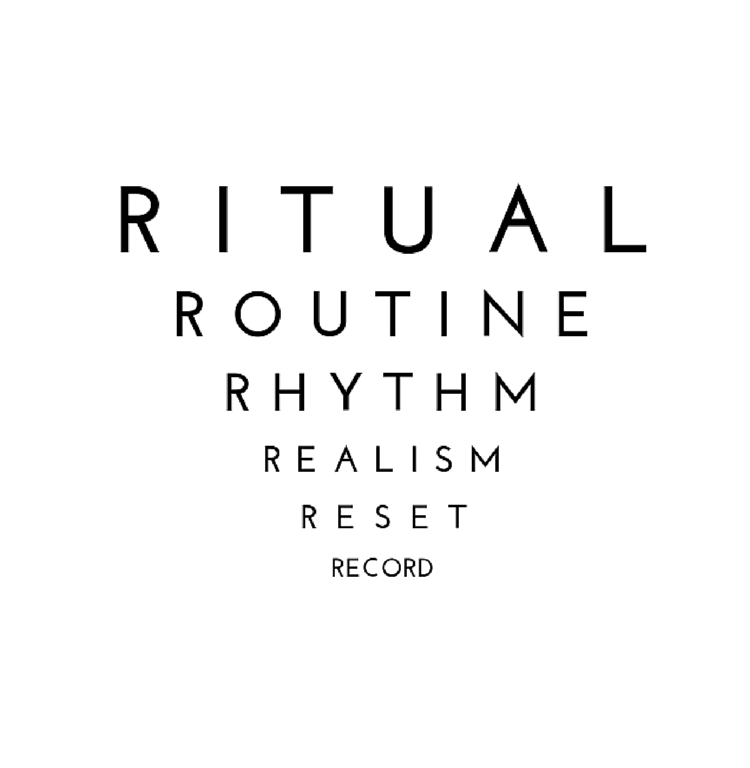
    After reading books on habit, willpower, rituals, routines and anything else that might increase my writing output, I set up what I like to call the Productivity Pyramid (though yes, I realize it’s really a triangle). It’s made up of six crucial elements.

    Increase productivity as a writer

    1. Ritual

    The top of our Pyramid is the most important. Rituals are habits that begin with a behavioral cue — a sort of trigger that tells the brain “Now it’s time to work!” Some authors have quite elaborate cues (such as reading the same poem before writing) and others have more simple ones (such as making a cup of tea). Either way, having a ritual helps the brain slip into its creative flow automatically.

    I cultivated my ritual years ago as a student who didn’t want to pay attention in class: writing in a spiral-bound notebook. Just sitting down with the lined paper and a pen tells my brain, “Oh! We’re writing stories now!” and I can use this ritual whenever I need to!

    Stuck in line at the DMV? No problem — out comes the notebook. Waiting for my order to finish at the coffee shop? Awesome — I can pull out my notebook and instantly get to work. Figure out what triggers you to prepare for creative work, and create your own ritual.

    2. Routine

    Routine is almost as important as ritual because, like ritual, it trains your brain to create on autopilot. This doesn’t mean your creative times are boring or redundant. Rather your brain gets used to drafting at X-hour everyday, and when that hour arrives, your imagination is ready to go!

    The other powerful component of routine is that it reduces the number of decisions you make in a day. You see, willpower is finite; the more we use, the less we have. Decisions deplete willpower, so if we can reduce the number of decisions we have to make in a day — if we can routinize certain aspects of our life — then we can save our decision-making for our writing.

    3. Rhythm

    Our creative energy shifts and changes throughout the day, just like our circadian rhythms. Figuring out at what point in the day you’re the most productive creatively — when your brain is really “on” — can dramatically improve your creative output.

    My whole life, I’ve thought of myself as an afternoon worker, since that was when I seemed to sit in the chair with my hands on the keyboard. I thought my creative energy was best a few hours after lunch.

    However, after using a productivity heat map, I discovered that I was actually a morning person! I sink into creative flow the deepest and for the longest time immediately after I roll out of bed in the morning. To make the most of my natural rhythm, I’ve set up a routine that starts with me awakening at 5 AM and writing for a few hours straight.

    Do you know your most productive times of day? Check out your own rhythm with these strategies.

    4. Realism

    This is a pretty straightforward step on the Pyramid, but if you really tap into it, it can be transformative. Why? Because many people set unrealistic goals, get frustrated when they don’t meet them, and then give up. (I am SO guilty of this!)

    One good day of writing doesn’t mean we’ll have that same amazing word count every day! However, if you set a truly achievable goal — especially a daily one — hitting it will help your confidence grow.

    I set a daily goal of 1000 words when I’m drafting a new novel. This goal is not only attainable, but it’s easily attainable. It doesn’t intimidate me or set me up for immediate failure. Yet, 1000 words a day leaves me an entire novel in just a few months. What’s your achievable, realistic daily goal?

    5. Reset

    It’s unavoidable: Our bodies need regular rest periods. Creatively speaking, our brains can only produce at peak performance for a certain amount of time — and then we have to reset.

    Both on a daily scale and on a more long-term weekly or monthly scale, breaks can be your new creative best friend. Have you ever noticed that some of the best aha! moments come when you’re not working?

    For example, I have my biggest creative breakthroughs while I’m driving on the highway or cooking dinner or walking my dogs — when I’m not actively thinking about my story, yet the ideas are still knocking around in my subconscious. I know other people who use meditation or binge read or take long hikes.

    Find a reset strategy that works for you, and enjoy your renewed energy and creativity when you return to your work.

    6. Record

    Creative endeavors (like novels) can be HUGE. “Write a book” is a daunting undertaking (and such a vague goal), so seeing daily progress can help keep you motivated to continue.

    To keep myself on track, I use a spreadsheet to note how many words I’ve written each day as well as record any other work I’ve done (e.g. revised two scenes or wrote a blog post). Then I tally up the total word count each day so that I can see how much my project is growing! The visual interpretation of my progress helps keep me motivated.

    Your tracking method can be as simple and private as an Excel spreadsheet, or you can make it a group endeavor by sharing a Google spreadsheet with a few fellow writers.

    The Productivity Pyramid has helped me write and revise to the maximum of my creative abilities while also traveling for author events, promoting my books and maintaining my writing blog and newsletter. I hope it can help you do the same!

    How do you increase your creative productivity?

  • Is a Coworking Space Better for Freelancers Than Working from Home?

    Is a Coworking Space Better for Freelancers Than Working from Home?

    You’ve heard all the lines. When you tell someone you’re a freelance writer, they smile and say, “That must be great. You can work from anywhere!” You usually end up answering questions about whether you work in your pajamas and slippers.

    But when you don’t have your own office — or even a dedicated cubicle — it can be tough to find a place where you can focus on your work. Home comes with distractions and imperfect work surfaces, especially if you live in a small apartment in a big city. Lugging your laptop from cafe to coffee shop doesn’t always work either. Sometimes, finding the right place to work can make you feel a little like Goldilocks.

    Many writers struggle to strike a balance between the freedom and discipline at their chosen workspace. Every time a new “flexible” workspace pops up in D.C., I find myself reflexively scrolling through the online photo gallery. I get wide-eyed at carefully staged workspaces, and crunch numbers to weigh the cost of a daily or monthly membership. I’m finding it hard to resist: coworking spaces are very attractive.

    Working from home: A short-lived dream?

    My workspace usually rotates between my couch, my kitchen table, the coffee shop and the public library. It would be lovely to have a dedicated space to work that’s not within the 300-square-foot apartment that I share with my beau.

    It seems that just a few years ago, we were so excited about jobs with flexible schedules that allowed us to use our various devices to work from home. We had big dreams of accomplishing load after load of laundry during daylight hours while juggling conference calls and deadlines. Now, the novelty has worn off.

    Fifty-three million Americans identify as freelancers, according to a 2014 survey commissioned by Freelancers Union. And now that working from home is passé, we’re starting to wear out our welcome — and our wallets — at coffee shops. Enter the coworking space, which promises fountains of productivity, endless coffee (and sometimes beer), camaraderie and perhaps even learning opportunities.

    What’s coworking all about?

    The dawn of coworking as a haven for the self-employed is frequently credited to Brad Neuberg, who launched a coworking space within a live/work loft in San Francisco in 2005.

    “What if a day at the office is actually good for you?” wondered Kiera Butler, who visited San Francisco’s popular Citizen Space in 2008 for a Mother Jones magazine article. She found her companions for the day to be much more friendly and interested in interacting across specialties than typical officemates.

    “Of course, coworking isn’t a new idea,” she wrote. “Chronically broke creative types have long gathered to work in collectives and retreats. But the current crop of coworking enthusiasts has updated the concept with an aesthetic that’s more Silicon Valley than salon.” By 2011, some 700 coworking spaces had been set up around the world.

    Affinity Lab was the first freelance-friendly space in D.C. Founded as an “entrepreneurial launch platform” in 2001, it has since expanded to accommodate its growing membership; at 5,000 square feet, the generously appointed space attracts more than just VC-dreaming entrepreneurs.

    But, in line with other shared workspaces in the city, it can get pricey for an independent worker seeking a desk of her own. Do the benefits outweigh the costs of paying for a workspace?

    So… how expensive is coworking?

    These new drop-in-friendly office spaces often come with hip perks — and a price tag to match. One office space in D.C. charges $850 per month for a private area where two people can work. Want windows? That’ll cost you extra. On the plus side, agreements there run month-to-month, so you can always change your mind if it ends up being too costly.

    D.C. might seem extra expensive, but that rate is about average around the country. While many dedicated office areas cost $1,000 per month or more, some spaces have common areas or “flex desks” where you can work alongside other freelancers, and that all-hours access tends to run $250-500 per month.

    Another expense to be aware of: membership fees. Some offices ask for an up-front payment of a few hundred dollars when you sign up. Others require an initial cleaning fee. Be sure to ask about those details before you commit.

    Is a coworking membership worth the cost?

    The resounding answer from the freelancers I consulted: yes.

    Jason Connell, a leadership consultant who spends his days writing at Affinity Lab, recalled spending much of his time alone when he first moved to D.C.. “One day, I was walking by the park, and I made eye contact with a dog,” he admitted. After realizing that he had been alone all day, he knew: “I needed to get out of my apartment.”

    He’s been a member at Affinity Lab for three years, at the “virtual” level that, for $325 per month, grants him access to unassigned desks and couches for as long as he wishes. “The work-life divide feels different — you see the same people and feel comfortable leaving stuff on your desk when you take a phone call,” he said. “I always felt like I was imposing on a coffee shop, even though I tipped well.”

    Connell’s feelings of isolation are common among independent workers who seek shared workspace. Clay Spinuzzi of the University of Texas studied coworking spaces in Austin over the course of two years. Most of his interviewees who had previously worked alone at home reported “self-motivation problems,” and feelings of isolation, he noted in his 2012 report “Working Alone, Together.”

    “Such problems are critical,” Spinuzzi recognized. “These professionals had to be highly motivated and focused because their livelihoods depended primarily or solely on their own initiative.”

    So when you have deadlines to meet, it’s worth the cost to get yourself to a productive place.

    Consider your preferred type of coworking environment

    Molly Singer, a nonprofit management consultant, worked from home for several years before joining Affinity Lab a few months ago. When she’s not visiting clients in their own offices, she’s at her dedicated desk at the coworking space. “It’s nice to have others in your orbit,” she said. “It’s kind of lonely at home.” Her space includes a file cabinet, bookshelf, and two small plants she keeps on the windowsill behind her chair. The small nook costs $895 each month — a solid financial commitment.

    But while she enjoys the company, spending 40 hours a week at a coworking space can take some getting used to. Singer admits she buys earplugs in bulk to wear when she’s working at her desk. “Around three or four in the afternoon, the whole volume can rise.” She slowly raised her hands as she looked from a conference room into the bustling open space.

    Jeff Garigliano, a ghostwriter for books and consulting firms, contrasts Affinity Lab against The Writers Room in New York City. He was a member there for several years and considered it to be “very serious. No conversations. No phones. Not even on vibrate.” A qualified writer (three professional references are required with each application) can join for six months with 24-hour access for $850 — a bargain for the New Yorker seeking serenity in order to put words on paper. “New York is such a sensory assault,” Garigliano said. “You need a clear separation from [home] to get any work done.”

    When he arrived in D.C., Garigliano would work in the lounge in his condo building. “The condo lounge was of course open to all, so you’d be on a conference call and someone would come in and turn on a soap opera,” he remembered. Coffee shops and their table-hogging guilt trips weren’t much better.

    Now, Garigliano is one of the earliest risers to descend upon the virtual membership desks at Affinity Lab each day. That routine keeps him away from the distractions he encounters at home. “The productivity gains are worth the cost,” he said. “Work hangs over my head at home, so there is a reward to compartmentalizing here.”

    Is a coworking space a good choice for you?

    Sometimes it takes more than just a desk and unlimited coffee to reach peak productivity. But when a writer knows what works for them, it’s worth staying on track — even with a price tag. As Singer put it, “I’m a person of routine. I need a desk and a schedule to help me keep that routine.”

    As for me, I haven’t plunked down my credit card for a long-term desk quite yet. I’ve tried a workspace in my neighborhood that’s designed for people who want to drop in and get busy for a few hours at wide tables in relatively quiet rooms. I’ll walk there when I’m feeling sluggish at home, or when a deadline looms.

    But more often than not, I’m still trying to blend myth with reality. I’m still trying to tell myself that I can write anywhere.

    Have you tried a coworking space? If not, are you curious about whether it might work for you?

  • Write Every Day: How to Meet Your Daily Writing Goals

    Write Every Day: How to Meet Your Daily Writing Goals

    If you still have doubts about whether you should be writing every day, it’s time to kick them to the curb.

    Writer after established writer gives the same advice: to build your writing skills, you need to stretch them on a daily basis.

    Stephen King says you should write every day until you meet a predetermined word count. Of course, it doesn’t have to be 2,000 words, but you have to start somewhere.

    Author Bill O’Hanlon recommends starting by writing for 15 minutes a day. And this doesn’t mean spending 15 minutes staring at a blank screen or rewriting that first sentence for the 15th time. It means making a genuine effort to write, whether it’s starting the next chapter of your novel or simply freewriting.

    Whether you write to a particular word count goal or choose a time limit, you need to find a strategy that works for you. Just remember: it doesn’t matter which method you pick as long as you use it.

    Create a habit of writing every day

    While “just sit down and write” is common advice, creating a habit of writing every day can be challenging for different reasons. Some writers struggle to find time to write creatively between unpredictable schedules, full-time jobs or families.

    First, acknowledge your time or energy constraints — the size of your canvas, as James Clear calls it. Then, work within them to train yourself to write, using strategies like freewriting, creative rituals and eliminating all distractions.

    Make tomorrow’s first step simple

    Starting to write each day can be the hardest part, but you can set yourself up for success with a little preparation at the end of each day.

    One strategy is to stop writing mid-sentence at the end of every day. This way, the next day you won’t spend hours trying to figure out where to start; you simply finish that sentence and keep going.

    Take it a step further by copying that last sentence into a separate document at the end of each day. Spend some time writing out a few possible directions or a brief outline for tomorrow’s writing.

    The next day, work only from that new document. This way, you won’t be distracted by the possibility of editing yesterday’s work — you’ll be focused on creating today’s.

    Use technology to help you

    Blogger Buster Benson suggests writing 750 words each day. To help himself and others meet this goal, he built 750 Words.

    [bctt tweet=”Use technology to help you write daily. @Buster suggests writing 750 words each day. “]

    This simple tool provides a distraction-free writing environment and lets you know once you reach your daily goal. The writing you produce is totally private, and a subscription is $5 a month after a free 30-day trial.

    Sticking to a tighter budget? Try some of the many free apps and programs available to help your concentration and productivity.

    Try Seinfeld’s calendar system

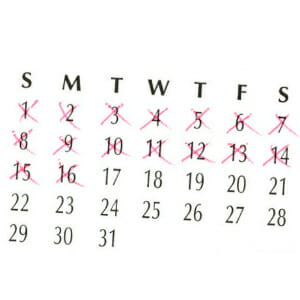
    Someone once asked Jerry Seinfeld for advice on becoming a great comedian. His reply was simple: buy a big wall calendar and hang it somewhere you’ll see it often.

    Every day you meet your writing goal, mark a big X in red marker over that day on the calendar.

    “After a few days you will have a chain. Just keep at it and the chain will grow longer every day. You’ll like seeing that chain, especially when you get a few weeks under your belt. Your only job is to not break the chain.”

    Easy, right? Just don’t break the chain.

    Use this technique to meet specific writing goals. For instance, if you’d like to write a ebook, track your writing specific to that project on your giant calendar — if it’s in addition other writing, just use another color of marker.

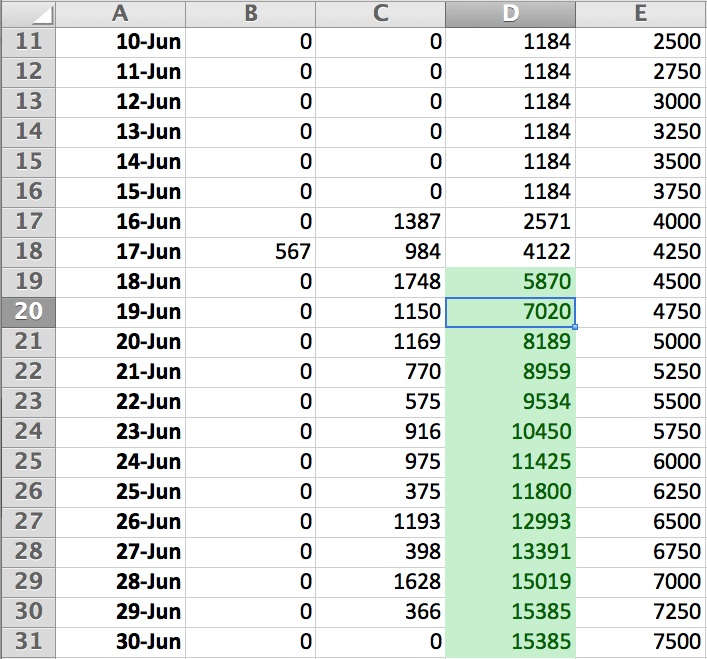
    Don’t have (or want to buy) a calendar? Writer Nora Bailey created an Excel spreadsheet formatted as calendar, with number of words written under specific days. When she meets her writing goal each day, the “total words” field automatically turns green.

    Image: Writing Calendar in Excel

    It’s deceptively simple to negotiate with yourself that you won’t be doing any writing today. You can say it’s late, you don’t feel like it or simply deny that you ever really wanted to start writing. The trick is in putting those excuses aside and putting pen to paper, fingers to keyboard.

    There’s no one strategy that helps all writers write every day. Experiment to find one that works well for you!

    Do you write every day? How do you make it a priority and maintain the habit?
    links
    no
    1

  • How to Stay Sane While Building Your Writing Career Part Time

    How to Stay Sane While Building Your Writing Career Part Time

    Do you have all day, every day, to write?

    Nope?

    Me neither.

    In fact, pretty much every professional writer — whether they’re a novelist, freelancer, nonfiction author or blogger — has to start building their career around an already-busy life.

    Maybe you’re working full time in a 9 to 5 role. Maybe you’ve got young kids. Maybe your life is packed with volunteering, caring or other commitments.

    Or maybe you’re unwell or have a disability, and that means you can only write for an hour or two each day.

    It can be really frustrating trying build your career when you can only work part time.

    But it can be done … and you don’t need to drive yourself (and your loved ones) insane while doing it. Here’s how.

    Don’t compare yourself with full-timers

    It’s all too easy to look at what other writers are doing and feel bad that you can’t match up.

    But if you’re comparing yourself with someone who’s working full time (or close to) and who’s established in his career, you’re setting yourself up for disappointment.

    Sure, Joe Blogger can turn out five great posts a week when he’s making a full-time living from his blog and doesn’t have to work another job.

    Sure, Ann Author can put out a whole trilogy of novels every year — but she has all day, every day to work on them because she has a backlist of nine novels providing her with an income.

    You don’t know what life was like when they started out. Perhaps Joe Blogger struggled for two years before he had enough of a blog audience to make even $100 a month. Perhaps Ann Author took 10 years to write her first novel, because she was working around her kids.

    If you must make comparisons, compare yourself today with yourself a month ago (or three months ago, or a year ago). How have you improved since then? What have you learned? What have you accomplished?

    Focus on one core area

    In the early days of your career, it’s tempting to cast a wide net: to try out lots of different types of writing and lots of different marketing methods, hoping that something will pay off.

    Spreading your attention too thin, though, means you’ll struggle to make headway in any area — especially as your time is limited.

    Instead, choose one core area to focus on. Don’t try to get your blog underway and write a novel at the same time. Don’t offer every writing service possible to your clients. Pick one speciality, and stick with it.

    You’ll learn faster, you’ll build up your experience and expertise quickly, and you’ll make encouraging progress that helps keep you motivated.

    Find your best (available) time of day to write

    Are you a morning lark or a night owl? Different people work best at different times of day — here’s a fascinating visual look at the routines of some famous creative people.

    I’ve always been a morning person, though these days I find I can write well in the afternoons too. Evenings are my biggest “slump” time — I find it hard to focus and be creative then.

    Chances are, you already have a reasonable idea of when you’re at your best, but it’s worth experimenting to see if a different time of day could suit you better (especially if your day job or other commitment takes up your best writing hours).

    Think about:

    • Getting up 30 minutes earlier to write before the rest of the family is awake. Leave everything set up to write the night before (e.g. your laptop ready on the kitchen table).
    • Writing during your lunch hour — can you get out of the office to a coffee shop or library, so colleagues don’t disturb you?
    • Using your best hours on the weekends — maybe you’d love to write between 9am and 11am, and you can’t do that during the week.

    Move toward cutting or quitting other work

    This might seem a long way off right now, but if you plan for it, you might be able to cut down your hours at your day job sooner than you think.

    If you currently have a full-time job, could you work four days a week instead of five, giving you one full day to write? That might mean saving up an emergency fund, cutting your spending or ensuring you have some regular writing income.

    If you do need to work your full-time hours, could you work them in a condensed way across four or four-and-a-half days?

    If your life is full of voluntary commitments, can you cut back on some of these? You’re not being selfish if you make time for your writing career — it’s important and worthwhile.

    If you have young children, can you pay for some childcare or arrange an informal childcare swap with a friend?

    Rearranging the elements of your life takes time. Getting clear about what you want and working out what steps you need to take to get there helps you make real progress. Simply carrying on and hoping things change won’t get you far.

    Create systems to make writing easier

    Whatever sort of writing you do, there’s a good chance you carry out the same sorts of tasks over and over again.

    That could be answering emails, writing blog posts, posting updates on social media, carrying out work for clients or almost anything else.

    Every task, however complex, can be broken down into a process of steps. Creating a checklist or a template could save you a huge amount of time.

    [bctt tweet=”Creating a checklist or a template could save you a huge amount of time in your writing.“]

    For instance, if you find yourself spending hours responding to prospective client‘s enquiries, you could create an “FAQ” page on your site that addresses some of the most common ones.

    Even something like “write next novel chapter” could be turned into a process — perhaps you’ll spend five minutes brainstorming ideas for the chapter, then five minutes deciding on the order of events, before jumping into the writing itself.

    Systems will:

    • Save you time: it’s quicker to add a couple of personalising lines to a standard template email than to write the whole thing from scratch every time you reply to a client inquiry.
    • Save you brainpower: it’s much easier to run through a checklist than to have everything in your head (worrying constantly that you’ll forget a crucial step).
    • Make it easier for you to hand work over: at some stage, your business won’t be able to grow any further without you hiring help.

    I have every sympathy for writers building a career while juggling other commitments too. I started out writing around my full-time day job, and now have a toddler daughter (and another baby on the way).

    The truth, though, is that pretty much every writer has to fit their writing around everything else when they first start out. You want to make this phase as easy as possible, and you also want to give yourself a good chance of exiting it quickly — so you can write full time (or as near to full time as you want).

    Do you have a particular problem or struggle that’s holding you back as a part-time writer? Or have you successfully made the part-time-to-full-time transition?

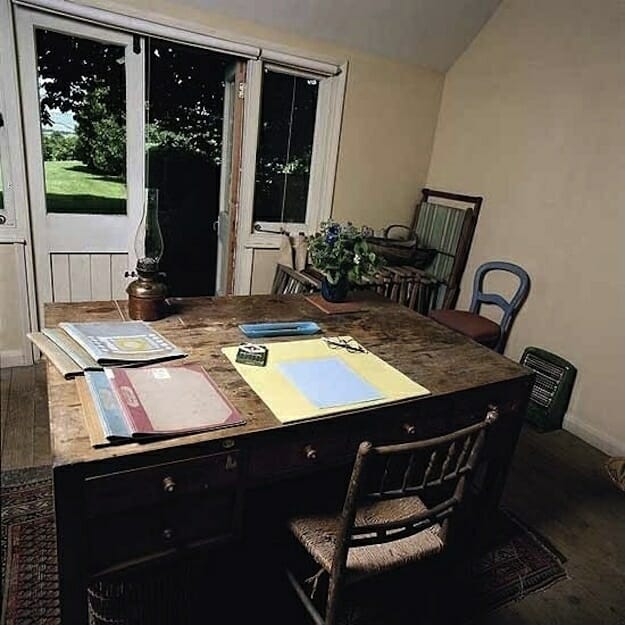
  • Writing Spaces: Where 9 Famous Creatives Do Their Best Work

    Writing Spaces: Where 9 Famous Creatives Do Their Best Work

    Where’s your favorite place to write?

    Does your writing space help you be productive and stay organized?

    If you need some inspiration, check out the writing spaces and environments of these famous artists, writers and storytellers.

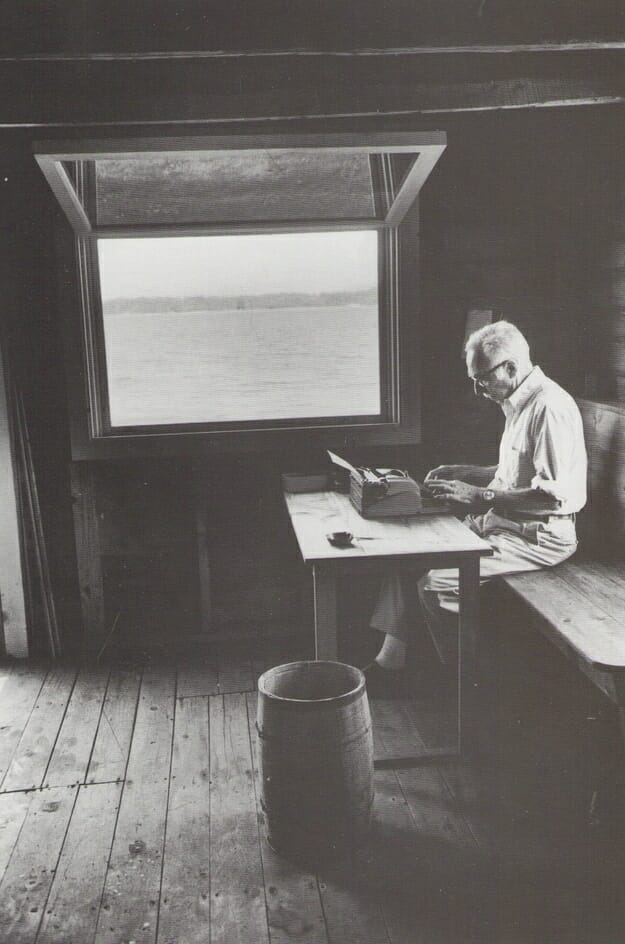
    1. E.B. White, author

    Sometimes all you need is a comfortable desk with a view of the outdoors for inspiration. (Ideally, near a farm with plenty of interesting animals, including a few spiders.)

    Image: e.b. White

    Image credit

    2. Jane Austen, author

    This table may be tiny, but it supported the creation of her later works, including Emma, Persuasion, and a revision of Pride and Prejudice.

    Image: Jane Austen

    Image credit

    3. Mark Twain, author

    When you’re struggling to write, sometimes taking a break can help get your creative juices flowing. Perhaps a game of pool would inspire some ideas?

    Image: Mark Twain

    famouscreatives

    4. Nigella Lawson, chef and food writer

    When you’re looking for inspiration, having all your favorite books within arm’s reach certainly can’t hurt.

    Image: Nigella Lawson

    5. Steve Jobs, inventor

    Jobs was well-known minimalist. He described one home by saying, “All you needed was a cup of tea, a light, and your stereo.”

    Image: Steve Jobs

    6. Virginia Woolf, author

    This simple desk and chair overlooking the outdoors were ideal for writing, at least in the summer. Woolf noted that this converted toolshed was so cold in the winter that she couldn’t hold a pen!

    Image: Virgina Woolf's Desk

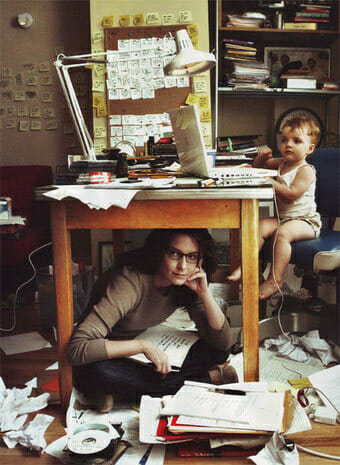
    7. Tina Fey, author and comedian

    Were you wondering about the workspace that may have inspired 30 Rock, Mean Girls or Bossypants?

    Image: Tina Fey

    8. Chip Kidd, book cover designer

    Many artists find their creative inspiration in other books, authors and stories.

    Image: Chip Kidd

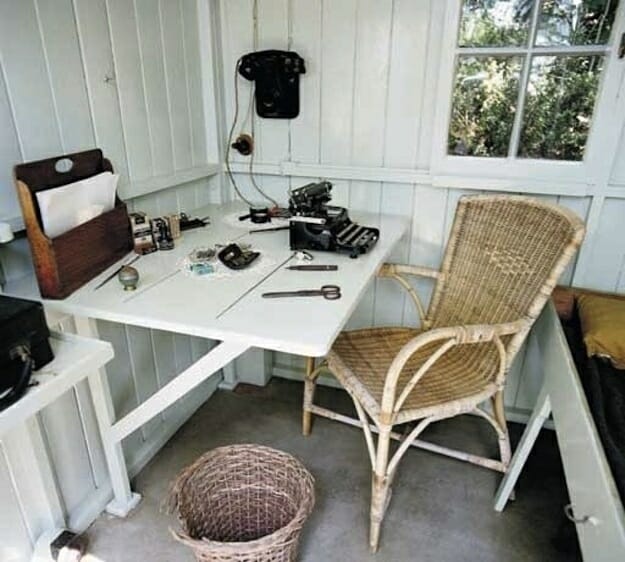
    9. George Bernard Shaw, playwright

    Keep it simple with a typewriter, a clean white desk and a small window in a private place. That last one was key for Shaw, who once confessed, “People bother me. I came here to hide from them.”

    Image: George Bernard Shaw

    What’s your favorite place to write?

  • 3 Ways to Train Your Brain to be More Creative

    3 Ways to Train Your Brain to be More Creative

    Whether you’re just getting started freelancing or are employed full-time, writing “on demand” can be terribly difficult.

    Does this sound like you sometimes?

    •  Waiting for inspiration that just isn’t coming

    •  Finally hitting your creative stride… only to realize you have a meeting in 15 minutes

    •  Barely making deadlines because you’re struggling to get into the creative zone when you most need to

    You’re not alone. Being able to turn the creativity spigot on and off is something all of us creative professionals struggle with at some point in our careers. It’s essential to find a way to harness creative energy and tap into it when you need it.

    I’m naturally more creative at night and I don’t know if that will ever totally change. However, a few big changes to my workflow have helped me tap into the creativity I need during normal business hours. Not only does this work better for my clients, it enables me to have a personal life instead of being holed up in my office working odd hours. Win-win.

    Here’s how you can start channeling your creativity when you need it most.

    1. Develop a (good) habit

    Get your brain and body in the habit of sitting down at a specific time to work and be creative. Working in the middle of the night wasn’t ideal for my life or for my clients, so I trained myself to develop a creative and focused mindset during certain times of the day.

    I started by blocking off two two-hour windows a day for creative writing. During each creative session, I silenced my phone, closed my email and social media channels, and focused solely on the task at hand. After about a week of sticking to this schedule, I realized that my brain started to “tune in” during these times. I no longer needed a warm-up (see tip #2) to get into the flow and I found that I was much more focused.

    Try blocking off one or two “creative sessions” during your day and keep at it for at least a week to develop a good, creative habit.

    2. Train your brain

    Sometimes your schedule just won’t allow you to stick to your dedicated creative time. So, take a cue from Pavlov and his dogs: develop a creative ritual to get ready to write.

    One option is to start with a “fun file” before diving into more serious, professional work. A fun file is whatever you want it to be — an ongoing story or a writing prompt response — but most importantly, it is a no pressure zone to get yourself into the creative mindset. Work on this fun file for five to 15 minutes before switching to your “real” work.

    Eventually your brain will start to associate the fun file with being a precursor to real work and you’ll be able to seamlessly glide into serious work straight from your fun file at any time of the day.

    3. Take the power away from “The Muse”

    I don’t know about you, but I’m not too keen on having to wait around for other people — inspirational muses included.

    A lot of creative folks get stuck on the idea that they need to feel inspired in order to produce creative work. I get it. When those ideas and words are just flowing out of your brain it can certainly feel like divine inspiration. But in reality, you’re discrediting yourself as a creative professional when you give too much power to the muse.

    Remind yourself that you are the one producing the great creative work. You are the one who worked hard to get here. The more consistently you work on creative projects, the less you’ll even think about that finicky muse. Get into the habit of creating on your own terms and you’ll never sit around waiting for inspiration again.

    How do you find inspiration and creativity when you need it most?

  • How Writers Can Use Meditation to Build Focus and Productivity

    How Writers Can Use Meditation to Build Focus and Productivity

    When you think of meditation, what comes to mind? A yoga studio? Cheesy new age music?

    How about increased productivity and better writing?

    It’s true: meditation is scientifically proven to improve concentration, which can help you keep writing.

    Willpower: your secret weapon

    You sit down at your desk, ready to start writing. Perhaps you’ve even armed yourself with some fancy new apps to help you concentrate or keep you organized. Nothing can stop you now!

    Or can it? You blocked Facebook on your computer, but can you cheat with your smart phone? Perhaps you should grab a snack before you start writing or brew another cup of coffee. Before you know it, you’ve lost an hour of your day. Again.

    While tools and apps are helpful, in the end, willpower is what matters — and it’s the very thing many of us seem to lack.

    That’s because willpower is a finite resource. The more you spend keeping your hand out of the candy dish or staying calm on the phone with the cable company, the less you have left over to help you hit your writing goals, says Dr. Kelly McGonigal. The Stanford University psychologist released a book, The Willpower Instinct, based on her popular course “The Science of Willpower.”

    But can you actually increase your baseline supply of willpower? The answer is yes, and meditation is one of the best and easiest ways to do it.

    Meet your prefrontal cortex: home of the willpower you need to be productive

    The prefrontal cortex is the part of your brain right behind your forehead — the area you smack when you do something silly. As it turns out, there may be a good reason for this: the prefrontal cortex controls executive function, otherwise known as the power to connect your actions with their future consequences. That includes resisting temptation and working toward a previously-defined goal — like finishing that first draft.

    In short, the prefrontal cortex makes sure you’re doing the right thing, even when the right thing is hard to do.

    How does meditation fit into all this? Here’s the thing: meditation actually increases the gray matter in your prefrontal cortex. That’s right, meditation will strengthen your self-control, just like regular exercise will strengthen your heart.

    Think you’re “bad” at meditation because your mind always wanders? That’s okay. In fact, it’s more than okay. As Dr. Kelly McGonigal writes, “being ‘bad’ at meditation is exactly what makes the practice effective.” The act of reining your focus back in gives your prefrontal cortex the workout it needs.

    Here’s a challenge worth accepting: take just five minutes each day to meditate before you start writing. Record your progress toward your writing goals over the course of a week, including how many times you succumbed to tiny distractions like checking email or Facebook.

    New to meditation? Here are five easy steps to get you started:

    1.   Get comfortable. Find a position you can maintain for five minutes without getting sore or losing circulation.

    2.   Set a timer for five minutes and close your eyes.

    3.   Bring your attention to your breath. Say the words “inhale” and “exhale” in your mind as you take each breath.

    4.   As other thoughts begin to invade (and they will), calmly return to thinking about your breath. The key is to remain objective as you notice the distraction and refocus.

    5.   If you get tired of saying “inhale” and “exhale” to yourself over and over, try focusing on your breathing through what yogis call the three-part breath: first, fill your belly and lower abdomen with air. Then, on the next breath, fill your chest as well. Focus on the sensation of your ribs expanding. Finally, feel your collarbone and shoulders lift as your whole torso fills with the third breath. Repeat to your heart’s content.

    Ready to try a longer practice? Try the guided meditation exercise available as an mp3 on McGonigal’s website.

    You may feel discouraged if — or, more realistically, when — you still find yourself distracted and off-task despite your daily meditation. Try to take the long view. After all, you wouldn’t expect overnight success if you decided to lose 10 pounds and train for a 5k after not having exercised all winter. Your brain, like the rest of your body, needs time to get into shape.

    Daily meditation won’t work miracles, but it will hone your focus and willpower, which is exactly what you need to hit your word count goals.

    Do you meditate? How do you find it affects your writing?