Tag: community

  • 23 Facebook Groups for Writers You Don’t Want to Miss

    23 Facebook Groups for Writers You Don’t Want to Miss

    Whether you’re a freelancer, a blogger, a fiction writer or anything in between, we could all use a little company on the sometimes lonely road known as the writing life.

    Maybe you just got your first offer to ghostwrite a book and have no idea what to charge. Maybe your characters refuse to do what you want them to do (isn’t that just like them?), and you could use someone to commiserate with. Maybe it’s after midnight and you’re still up trying to wrestle the words into submission, and you find yourself searching for “writing groups near me” just to find a few writer friends.

    Whatever the reason, online writing groups can be a fantastic way for writers to connect, trade advice, swap war stories and find new opportunities. Knowing there are other people out there who “get” what it’s like to be a writer can be a huge comfort, and the chance to share experience and tips with people on all stages of the writing journey is invaluable.

    [sps_reusable_block post_id=43047]

    These online writing groups are supportive and helpful

    We polled writers to find out which online writing groups they personally could not live without — and many of them relied heavily on Facebook groups.

    Note: Even if a Facebook group isn’t currently super active with members posting, you can still find a ton of great resources. We suggest searching groups to find topics you’re interested in. For example, search “rate,” “pay” or “compensation” to find topics on money.

    So here are some of the best Facebook groups for writers.

    1. The Write Life Community

    Before we dig in deep about what’s out there, we hope you’ve joined The Write Life Facebook group! Writers of all experience levels share their struggles and wins, ask each other questions, and generally support and encourage one another. Recent topics of discussion include how to beat procrastination and the best ways to find remote writing opportunities.

    Size: 28,100 members (as of March 2021)

    2. Author Success Collective

    This group for aspiring and current authors was created by Self-Publishing School to allow a place for authors to come together, talk about what’s working and not, along with a place to connect with like-minded people with a single goal—to write and publish high-quality books that sell. They also host challenges with unique, themed-based content to help you along your journey.

    Size: 4,000 members and growing

    3. The Freelance Content Marketing Writer

    Created by Jennifer Goforth Gregory, who has a book by the same name as the group, this space is for writers who work in content marketing. Most have a background in digital marketing, journalism or freelance writing, and they discuss topics like how much to charge for specific services, where to look for a virtual assistant, and alternatives to getting paid with PayPal. Plus, each week a jobs thread is created, so you can check out new opportunities.

    Size: 6,300 members (as of March 2021)

    4. Writers Helping Writers

    Whether you’re a newbie looking for advice or an established pro who’d like to pay it forward, this community is a great place to support and learn from other writers, as well as editors, publishers, agents and more. Posts include writers asking for feedback on cover designs, sharing motivational quotes and comics about writing, and sharing writing wins.

    Size: 286,000 members (as of March 2021)

    5. What’s Your Plan B?

    This group is for journalists who have left the industry, are preparing to leave the industry, or fear they might be forced into leaving the industry… and what they’ve gone on to do with their careers. It’s full of ideas from writers and editors who have used their skills to make an income in new ways and requests from journalists who are struggling with the change. It’s a supportive space!

    Size: 16,200 members (as of March 2021)

    6. Pat’s First Kindle Book (From Start to Finish)

    Ever wanted to write a Kindle book or wondered how the process works? Join this group to get a behind-the-scenes look at popular blogger Pat Flynn’s own journey to publish a Kindle book from start to finish. In addition to watching Pat’s journey, readers have a chance to ask questions, share their own advice and experiences and get feedback on similar projects they’re working on.

    Size: 16,700 members (as of March 2021)

    7. Inner Circle Writers’ Group

    Created by Grant Hudson of independent publisher Clarendon House Publications, this group is for new and established writers who are interested in the craft and practice of writing. Many of the posts are writers cheering each other on as submissions are accepted and published, so if that’s something you’re working toward, you’ll be in good company here.

    Size: 9,000 members (as of March 2021)

    8. Ask a Book Editor

    This group is all about asking questions you have about the writing process and getting answers from editors. Admins prefer participants ask specific questions, rather than posting excerpts and asking for feedback. This is a great place to lurk and learn even if you don’t have a reason to participate! There’s also a Help Wanted section for writers looking to hire an editor.

    Size: 7,600 members (as of March 2021)

    9. 10 Minute Novelists Group

    For novelists looking to improve their craft, especially those who are crunched for time to write. As one member told us, “10-Minute Novelists is my all time favorite…the group is so supportive, the admins are very active in discussions and post regularly…It’s helped me so much!” Look for inspiring features like Tuesday #BuddyDay (when you can find critique partners and beta readers) and Wednesday #AuthorHappiness chats (where members celebrate their weekly successes).

    Size: 15,900 members (as of March 2020)

    10. Beta Readers and Critique Partners

    If you’re willing to become a beta reader or critique partner, or you want to find one for your work, this is the place to connect with other writers. You’ll see calls for reads of poetry, action, drama, historical fiction, personal essays, non-fiction…pretty much every type of writing.

    Size: 18,700 members (as of March 2021)

    11. Word Nerds Unite

    Run by Gabriela Pereira at DIY MFA, a do-it-yourself alternative to a master’s in writing, this group focuses on all things writing. Topics have included how to beat writer’s block, call-outs for beta readers and grammar questions. Pereira herself interacts regularly, sharing Word Nerd Wins and hosting weekend writing sprints, which she says are like virtual writing retreats. This is a fun and motivated crowd!

    Size: 8,400 members (as of March 2021)

    12. Calls for Submissions (Poetry, Fiction Art)

    This group collects submission calls for poetry, fiction and art and presents them all in one easy-to-follow place. If you’re looking for publication opportunities, it’s worth checking out.

    Size: 66,300 (as of March 2021)

    13. Indie Author Group

    This group of indie authors and self-publishers focuses mainly on fiction. It’s a great place to get advice, air your grievances and discover new authors.

    Size: 12,100 members (as of March 2021)
    14. Indie Writers Unite!

    Open to indie writers of all kinds, this group allows self-promotion only in admin-created threads, and has a fair but firm panel of moderators who keep spammers and trolls at bay.

    Size: 8,200 members (as of March 2021)

    15. Journey Feed Blogging Community

    Founded by blogger Edwin Covarrubias, this is a place for bloggers to connect and share ideas. You’ll also find opportunities to promote your blog if you’re a new blogger looking to find readers.

    Size: 4,900 members (as of March 2021)

    16. Blogging Boost

    Another group chock full of advice, resources and support for bloggers, this group limits self-promotion to Mondays only, which helps save your feed from over-saturation.

    Size: 33,000 members (as of March 2021)

    17. Write On! Online

    An extension of a live group that started at a Barnes & Noble in California in 2002, this group aims at helping writers set goals, troubleshoot and network. It’s hosted by hosted by Debra Eckerling of The D*E*B Method. As one member told us, “They have a supportive environment…to provide that much needed ‘kick in the pants’ without the guilt.”

    Size: 2,500 members (as of March 2021)

    18. Writers Write

    If you’re looking for less of a participatory experience and more of a compendium of all things writing, this group is a fun news source of recent doings in the writing world. Notable posts include reaction to Bob Dylan’s nomination for (and subsequent radio silence towards) the Nobel Prize for Literature and Kanye West penning a poem on McDonald’s french fries for Frank Ocean’s new art mag. Dare we say it’s a great way to kill a little “writer’s block” time?

    Size: 19,800 members (as of March 2021)

    [sps_reusable_block post_id=43047]

    19. Writers World

    As one of the phrases on this group’s logo image indicates, you need “lizard skin” to be an active member in this critique-only group. You’ll find no pep talks or ego-fluffing here, simply polite, but pull-no-punches assessments of any pieces members offer up for critique. (One of the admins has edited for Disney and NBC, if you wonder how useful those critiques are.) If you want to get serious about your work, and you can handle bold honesty, this group can help you hone your skills.

    Size: 7,600 members (as of March 2021)

    20. NanoLand

    Have you ever participated in National Novel Writing Month (aka NaNoWriMo)? This group can help you through the challenge by offering support, tips and empathy as you type, type, type your way to 50,000 words in 30 days. It continues to stay active outside of November, too. 

    Size: 22,600 members (as of March 2021)

    21. Women Writers, Women’s Books

    Ladies, this one’s for you. Connect with women writers of all genres and experience levels, from indie scribes to traditionally published and self-published authors. Member Suzanne Brazil said of the group, “They have an active Twitter presence, publish helpful essays, support each other’s blogs and author pages and are generally just a great place for technical questions, writing advice, and encouragement! Can’t recommend them highly enough.”

    Size: 19,200 members (as of March 2021)

    22. The Aspiring Travel Writer

    Run by blogger and podcaster Alexa Williams Meisler of Break Into Travel Writing, this group’s goal is to provide “a page to ask questions, share ideas and support each other in the travel blogging world.” Self-promotion is limited to “Friday Free for Alls” to allow members to focus more on supporting and learning from each other.

    Size: 8,300 members (as of March 2021)

    23. Writing Bad

    Whether you’re just starting out or you’re a seasoned author with several published titles to your name, this group welcomes you. The whole concept is they don’t believe in bad writing — just undeveloped writing that needs some TLC. The members of the group are there to offer you support.

    Size: 13,700 members (as of March 2021)

    Want more Facebook groups for writers to choose from? Writer Elna Cain offers more ideas here.

    This is an updated version of a story that was previously published. We update our posts as often as possible to ensure they’re useful for our readers.

    Photo via sitthiphong/ Shutterstock 

    [sps_reusable_block post_id=43047]

  • Tell Us Your Favorite Writing Websites!

    Tell Us Your Favorite Writing Websites!

    It seems far off on the calendar, but January is one of our favorite times of the year here at The Write Life. It’s a time for new beginnings and new goals. And we want to help you prepare for one of your best years yet!

    That’s where our 100 Best Websites for Writers list comes in.

    After compiling fantastic resources in 2014 and 2015, we’re excited to bring you the ultimate list of your favorite writing sites in 2016.

    Whether your goal for 2016 is to get more freelance writing clients, finish your ebook (and sell it!), or seeing your byline in a major magazine, we’ve got you covered with this list of websites for writers. We want to make sure we include valuable resources, and to do that, we need your help.

    What’s your favorite writing website? Which blogs do you visit for inspiration, information or writing-related entertainment? Which sites have earned bookmark status on your toolbar? Who do you want to nominate for our list?

    Let us know your favorite sites in the comments. We’re looking forward to sharing the list with you in January!

  • How to Overcome Social Anxiety When You Work From Home

    How to Overcome Social Anxiety When You Work From Home

    I could tell that my hovering without speaking was making her nervous, and yet I couldn’t seem to move away. Good manners compelled me to thank this woman, an Internet acquaintance and hopefully future colleague, for inviting me to her event.

    And not just inviting me, either, but comping me a ticket, which is how I justified prying myself out of my home office and driving 15 miles on a weeknight.

    When we finally spoke and made it past the introductions, things got even more awkward. I couldn’t seem to form a coherent sentence, and mumbled something about traffic being good.

    Fortunately, she was gracious about my incoherence, but it wasn’t until I sat at a table in a dark corner of the club, waiting for the proceedings to begin, that it hit me — full-time freelance writing is turning me feral. If I was going to keep from losing my social skills entirely, I would need to figure out how to overcome social anxiety.

    An introvert at heart

    I’ve always had some social anxiety, and as a child, my natural introversion was reinforced by interactions with bullies. But I worked hard at getting over it, first in the theater and then in journalism.

    Journalism helped the most, since nothing gets you over your shyness faster than having to ask a government official if he’s embezzling money. And newsrooms may no longer be the chaotic caverns portrayed in old movies, but they’re not quiet places where anyone can hide. Even so, for years working from home was my dream.

    But since I left the newsroom and fulfilled that dream, things have been quiet, so quiet that I often turn on the news for background noise, or play music. This surprised me, since I’ve always needed to get away from noisy situations, if only for a few minutes, to regroup.

    The downsides of working from home

    But all this solitude, while productive writing-wise, is definitely eroding my social skills. Unless I take some action, will there be a time when I’m reduced to grunting, unable to make conversation unless it’s in writing?

    It doesn’t help that, several days a week, the only person I’ll talk to is my husband. He has an exhausting job outside the home, so we don’t even talk that much. When I do get out, I mostly interact with retail workers, who have no interest in chatting, and frankly, I return the sentiment.

    It also doesn’t help that, while I’m lucky to have dear friends, many are in different time zones, while the ones nearby are swamped with work and childcare. We mostly connect via social media, hours or days apart.

    So it’s not surprising I was making my poor hostess uncomfortable. I’m just not used to small talk — that social lubricant that helps turn strangers into at least friendly acquaintances — anymore.

    And as someone who is working hard on building a brand as a freelance writer, I know there is only so much I can do online. Eventually I’m going to have to meet people face to face.

    Reclaiming my social self

    And so, here is my plan for turning myself back into a social person. If you’re feeling similarly feral from your own freelancing solitude, I urge you to consider it as well.

    It won’t be easy, because, as anyone who’s ever freelanced knows, it’s tough to stop working, whether it’s on the weekend or at night. Keep reminding yourself that efforts to reverse your ferality won’t hurt as long as you make sure to meet your deadlines.

    After all, wasn’t setting your own schedule one of the biggest reasons you started freelancing?

    1. Try to attend one social event with mostly strangers each month

    This may not sound like a big step, but it’s terrifying enough to inspire excuses. Take baby steps to reverse your ferality by connecting with people in real life, rather than through a screen.

    No, an event being on a weeknight is not an reason to shirk it. And not being able to bring a date isn’t either, nor is feeling icky and/or unkempt, though a raging flu is a forgivable excuse.

    Speaking of forgiving yourself, it’s okay to be a bit awkward at your first few events. Just try not to spill anything on the host. You’ll be amazed at how many people can relate to social anxiety, especially if they’re also writers.

    2. Become the friend who plans social gatherings

    Yes, it’s exhausting, but it’s usually worth it. Have difficult schedules? Try to plan a few weeks ahead, and offer different alternatives.

    Whoever has the least rigid schedule should be the most accommodating, but just because you freelance doesn’t mean your time isn’t important. Work to find a time that fits into everyone’s schedules, whether you’re planning a drink with one friend or a dinner party with eight.

    Not every meetup needs to be large or elaborate; even a brief coffee date will get you out of the house and socializing. Remember, only you can prevent your friends from feralizing.

    3. Pick up the phone

    Even if it’s just a rambling voicemail, I always enjoy hearing a friendly voice, and I’ll bet your distant friends do too. If they do answer, it’s a great chance to catch up.

    If someone is always hard to reach, try to make a phone date, or get an idea of his availability over social media first. Spontaneity is overrated.

    4. Find other freelancers and form your own newsroom

    I’ve started doing this with a local writer I met through social media. Her social skills are far less rusty than mine, but she, too, is concerned. We meet up at venues away from our own homes, and get a surprising amount of work done, and feel less isolated than if we were in a cafe by ourselves.

    Some freelancers rent office spaces together, some choose coworking spaces, and others try services like ShareDesk that allow you to rent desks in different venues. Beware, though, that those options cost more money than just writing in a cafe, and that the culture may not suit you. (Also, working in pajamas is probably not an option.)

    5. Think like a journalist at social events

    It can be hard to strike up a conversation at social events, but I find going back to my journalism roots helps me out. I’ve had my share of reluctant sources in the past, and my job was to get as much information as possible before they shut me down.

    While there’s no need to be so aggressive in a social situation, I find it helps to have a plan for what you want to learn about your conversation partner. What’s her name? What does she do? Where is she from? What brings her here?

    If the conversation goes no further, move on. It’s all practice — and you’ll be working your way back from the precipice of ferality.

    Have you struggled with isolation or started developing feral tendencies as a result of freelancing? What do you do?

  • What Are Your Favorite Writing Websites?

    What Are Your Favorite Writing Websites?

    While there’s still time to make progress on your writing goals in 2014 (65 days!), for many, January will mean outlining priorities and kickstarting progress.

    That’s where our 100 Best Websites for Writers list comes in.

    We first published this list in early 2014, and now we’re updating and adding to it for 2015.

    Whether your goal for 2015 is to self-publish a novel or raise your freelance writing rates, up your guest posting game or find a writing partner-in-crime, we’ve got you covered with this list of websites for writers. We want to make sure we include valuable resources, and to do that, we need your help.

    What’s your favorite writing website? Which blogs do you visit for inspiration, information or writing-related entertainment? Which sites have earned bookmark status on your toolbar? Who do you want to nominate for our list?

    Let us know your favorite sites in the comments. We’re looking forward to sharing the list with you in January!

  • The 15 Best Twitter Lists for Writers

    The 15 Best Twitter Lists for Writers

    Twitter is an awesome tool for sharing and promoting your work as well as connecting with your community of readers. However, it’s equally important to meet others in your industry and build a resource of contacts for support and encouragement.

    Thanks to the ease of using Twitter and the instant accessibility of its users, it’s one of the best places to turn to in order to accomplish this level of connection. But with up to 60,000 tweets shared everyday, it can be hard to cut through the chatter and find what you need. This is where Twitter lists come in.

    What’s a Twitter List?

    In case you don’t already know, a Twitter list is a great feature that allows you to group together certain types of people, authors or businesses you want to connect with. You can also subscribe to other people’s Twitter lists if you don’t want to create your own.

    Below are the best Twitter lists for writers looking to hone their craft, expand their knowledge of self-publishing or generally connect with like-minded creatives.

    1. Jane Friedman’s Best Tweets for Writers

    A focused list of people who tweet articles and information helpful to writers.

    2. John Kremer’s People Worth Following

    A Twitter list that not only includes influential people, but also authors and writers connected to the book world.

    3. Joel Friedlander’s Self-Publishing List

    A great list of self-publishing resources, tips and tricks from other self-published authors.

    4. Galley Cat’s Best Book Reviews

    Get access to book reviews by readers and authors from one of the best book review sites around.

    5. Gail Baugniet’s Bloggers of Book Topics

    A complete list of writers, bloggers and authors who share links to books they’ve read, written or published.

    6. Julie Isaac’s Writing Faves

    Find everything from writing inspiration, to the latest news and happenings in the writing world.

    7. Rachel Jameson’s Writing Tips

    Follow some of the best writers in the industry as they tweet their best tips and tricks on topics like self-publishing, fictional novels and more.

    8. Melissa Foster’s Book Promos List

    As author of multiple books, Melissa knows a thing or two about promoting a new book, as does everyone on this list.

    9. Mike Stelzner’s Copywriting Gurus

    An exclusive list of well-known freelance writers and business copywriters who’ve built successful businesses.

    10. Srinivas Rao’s Book of Publishers

    If you want to connect with a publisher, here’s a list of some of the best ones in the industry.

    11. Courtenay Bird’s Digital and Social Media List

    If you’re looking for ideas or inspiration, this list includes some fantastic content and opinions from Twitter influencers.

    12. Joanna Penn’s UK Bloggers and Writers

    Use this list to connect with editors, authors and publishers from all over the world.

    13. The Write Life’s Writing Associations

    If you’re looking for a writing association to connect with, check out our very own list of influential organizations.

    14. Kathryn Vercillo’s Writing, Writers List

    Reach some of the best writers, authors and bloggers in the online writing world.

    15. Nick Thacker’s Writers List

    A complete list of resources for self-publishing, marketing and building your writing platform.

    What are some of your favorite Twitter lists for writers? Share them with us in the comments!

  • Wanted: Writers Willing to Live in Newly Renovated Homes — For Free

    Wanted: Writers Willing to Live in Newly Renovated Homes — For Free

    Move to Detroit and get a free house — just for being a writer.

    It sounds crazy, doesn’t it? But that’s what Write A House is offering to the lucky winners of its Author-in-Residence award.

    A new twist on the writer’s residency

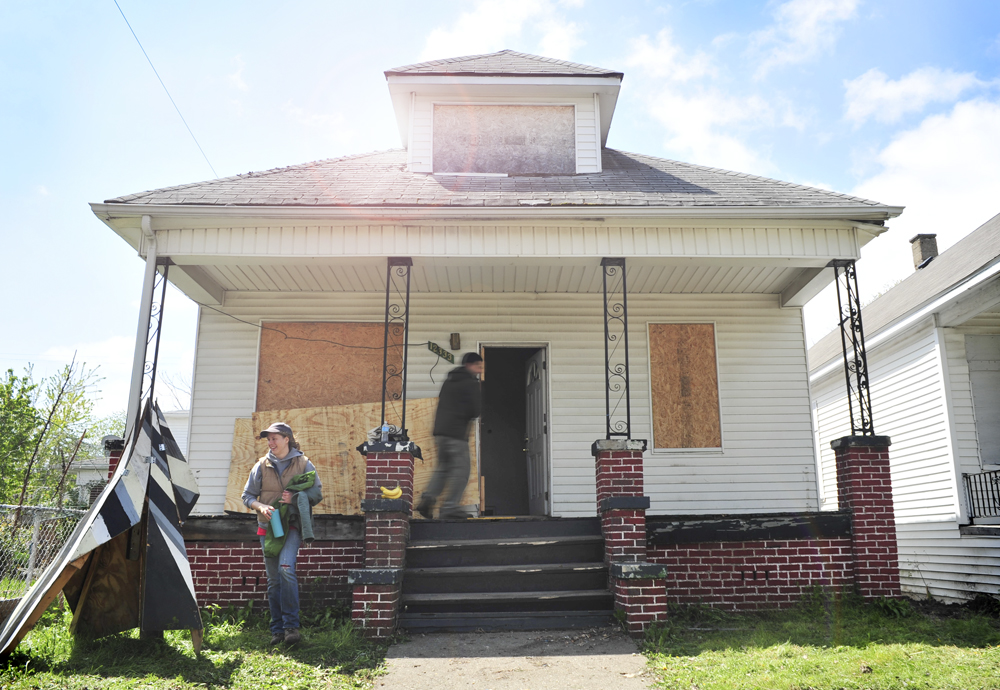
    It’s a new kind of writer’s residency, one where the writer gets to keep the residence. But WAH does have a motive other than simply giving creatives a place to live: the organization wants to liven up Detroit’s literary arts community. Attracting writers, they hope, will help grow diverse and creative neighborhoods.

    Three low-income writers will be chosen based on their writing skills and desire to contribute to their new city. Each will be given the keys to a newly-renovated house in a neighborhood north of Hamtramck in Detroit — though they should be prepared to assist with the finishing touches, such as painting.

    Write A House house under renovations
    Photo by Andrew Kopietz, courtesy of Write A House

    “We chose this neighborhood to start because it’s a smaller community and we felt we could have an impact,” Kat Hartman, acting director of WAH, explained to The Huffington Post. “The neighborhood has a level of vacancy that is affecting the quality of life for current residents. They need more good neighbors.”

    Winners will lease their new homes from the organization during their two-year term; at the end of their official residence, they will be given the deed to their house.

    In exchange, writers are expected to participate in local literary and cultural events, write pieces for the WAH blog, contribute to a WAH literary journal, and be responsible, engaged members of the community.

    Will you be the next author-in-residence?

    You can apply for your chance at the award starting this spring, and you’ll need a letter of intent, a writing sample, and a resume. Writers from anywhere in the world are eligible to apply, though international applicants will want to keep U.S. work regulations in mind, as WAH notes that they are unable to assist with visa applications. Sign up on their site to be notified regarding application details and deadlines.

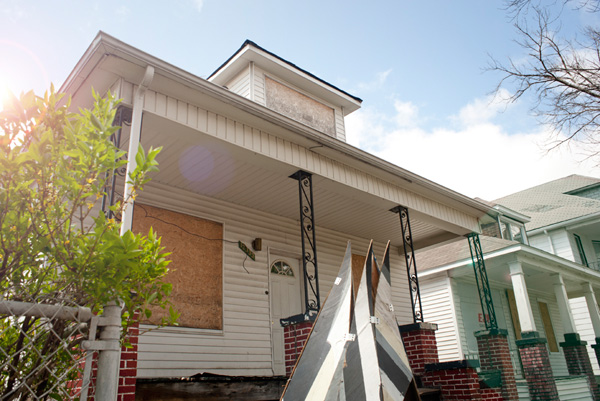
    Write A House Offers Free Houses to Writers in Detroit
    Photo by Andrew Kopietz, courtesy of Write A House

    The restoration of the first house, which is about 1,000 square feet, is expected to cost $25,000. WAH is crowdsourcing donations through Indiegogo to fund the project, and all donations go directly to Young Detroit Builders, which is a registered 501(c)3 charity.

    (Update: they exceeded their goal by raising over $30,000!)

    What do you think of WAH’s plan? Will you apply?

    All images in this post are by Andrew Kopietz and are used courtesy of Write A House. More photos of the house can be found in the Write A House Gallery. 

  • Twitter Tips for Writers That Will Help You Get the Most Out of the Network

    Twitter Tips for Writers That Will Help You Get the Most Out of the Network

    Twitter is a great tool for connecting with others and sharing your work, but how can writers make the most of it? How can you maximize your return from the time you take away from writing to devote to social media?

    We asked the TWL community to share their best tip to help writers use Twitter most effectively. Here are their answers:

    Use tools to maximize your impact

    Elizabeth S. CraigI like using the free version of Social Oomph to schedule tweets for different periods of the day. This helps me extend my reach, prevents me from flooding everyone’s feed, and keeps me from spending too much time on Twitter.

    Elizabeth S. Craig, author, blogs at Mystery Writing Is Murder and tweets @elizabethscraig

    Pay it forward

    Laura RossiBe generous — retweet, comment, favorite. You can’t expect support if you don’t give it. And make an effort for folks that include you on a #FF and other trending tags.

    Laura Rossi, PR & social media expert, blogs at Laura Rossi Public Relations and tweets @bookprgirl

    Be yourself

    Menachem WeckerTreat Twitter like a cocktail party or a bar; what works at the local watering hole will work on Twitter, and what doesn’t won’t.

    Many Twitter users pad their updates with a much healthier dose of exclamation points and shameless and uncreative self-promotion than they’d be bold enough to unleash in person. All conversations aren’t wonderful just because they are conversational; some are created more equal than others.

    Menachem Wecker, freelance reporter, blogs at Menachem Wecker and tweets @mwecker

    Practice brevity

    Steve ButtryUse Twitter to help you get to the point quickly. Paste a lead into Twitter and if it’s longer than 140, consider how to tighten it.

    Steve Buttry, Digital Transformation Editor at Digital First Media, blogs at The Buttry Diary and tweets @stevebuttry

    Be real

    Marianne ElliottMy best tip is to treat Twitter the way you would treat a real space, with real people in it, including — but not limited to — people who might want to buy (or publish) your books.

    Don’t be afraid to show your interest in other people, to engage in conversation and to share what you find useful, inspiring or entertaining. Have fun!

    Marianne Elliott, author, blogs at Marianne Elliott and tweets @zenpeacekeeper

    Make it a partyPeggy Frezon

    One way to promote your book is through a Twitter Party. Find a relevant topic, offer a few books for prizes, and have fun!

    Peggy Frezon, author, shares her work at Peggy Frezon and tweets @peggyfrezon

    Pursue genuine connections

    Andy HayesTwitter is about conversation & connection — if you use it to just syndicate links, you’ll get no return on your investment.

    Turn off anything automated. Look for people who are interesting to you: potential new clients, collaborators, like-minded souls. Say hello. Strike up a conversation. You might be surprised at who you find!

    Andy Hayes, Chief Creative Producer at Plum Deluxe, tweets @andrewghayes

    Find your voiceJanice Hardy

    Consider how you want to engage with people. What can you offer you followers? Are you funny, informative, chatty, or are you just spamming your book links?

    Janice Hardy, author, blogs at The Other Side of the Story and tweets @Janice_Hardy

    How do you use Twitter to contribute to your writing? Share your tips in the comments!