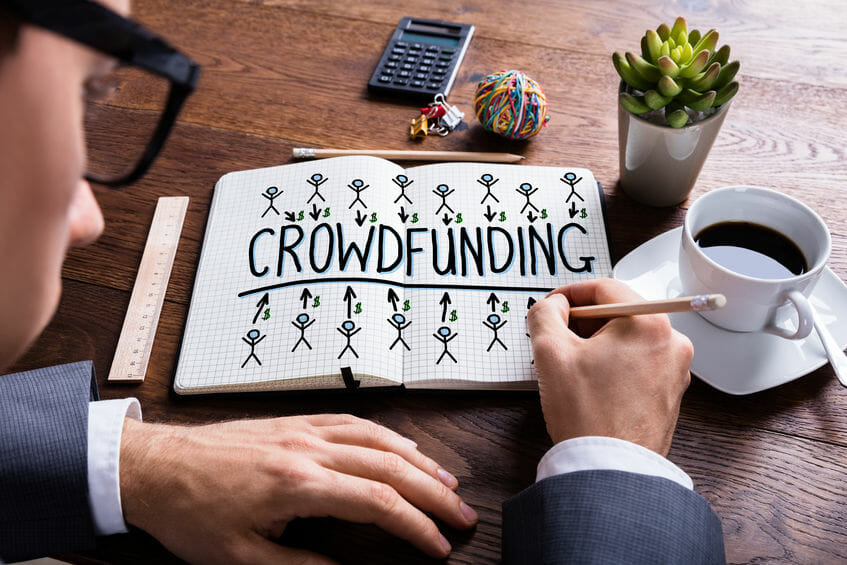
With the explosion of the self-publishing industry and the popularity of platforms like Kickstarter and Indiegogo, crowdfunding has become an increasingly viable option for authors.
It only takes a cursory search to find encouraging case studies, like how one author raised $12,755 in 30 days to get you excited about the possibilities.
The excitement is justified, but crowdfunding a book takes a tremendous commitment of time and is a grueling journey for many authors. However, for those who navigate the process, crowdfunding can provide value that stretches far deeper than just earning upfront dollars to finance your book.
Below are the top three reasons why authors should consider crowdfunding.
1. Crowdfunding helps defray publishing costs
First time authors often underestimate the amount of money that it takes to get their book to market.
In order to bring a polished book to market, an author must plan to invest in at least the following services:
- Cover design
- Professional editing
- Interior/exterior formatting
These costs can vary widely depending on the level of service you choose.
For instance, a professional cover design will range anywhere from $100 – $1,500 depending if you choose a provider that repurposes stock images or designs a completely original cover from scratch.
Beyond that, editing will generally range between $.02 and $.10 per word. This means that a 100,000 word novel could set you back anywhere from $2,000 – $10,000.
If you are planning on using print on-demand services (such as CreateSpace) or only releasing an ebook, the upfront costs might stop there. But, if you want to do your own print run of physical copies, you’ll have to invest another few thousand dollars to get books in hand.
What’s so appealing about crowdfunding is that it allows you to raise money before you ever incur these costs. Prior to crowdfunding, these costs might have presented an insurmountable challenge to authors.
Now, authors have the ability to bring a professional quality book to market without worrying about the ability to float the expenses.
 2. Crowdfunding makes selling your book easier
Crowdfunding presents a unique opportunity for authors to sell books and build an audience.
Successful crowdfunding campaigns do more than just get fans excited about your book. They get fans excited about the book’s journey. With crowdfunding, your backers are more than just customers. Backers become part of the reason that your book exists, and this creates a level of excitement that simply doesn’t occur after your book is printed.
Further, crowdfunding campaigns inherently impose a sense of urgency.
One of the most difficult objections to overcome when selling your book is fighting people’s urge to say “I’ll buy it later.” The time limit of crowdfunding campaigns (generally 30 days) helps you push people beyond this hurdle.
Crowdfunding can put authors in a position to sell more books and build an audience faster than they ever could otherwise. The blend of urgency and excitement that crowdfunding provides is a crucial element in turning interested fans into paying customers.
3. It can possibly help you get a publisher
There are a number of crowdfunding platforms for authors to choose from. They range from the mega platforms (like Kickstarter and Indiegogo) to more specialized platforms that specifically target authors. This is where authors can leverage their campaign to potentially get a publisher.
For instance some platforms such as Inkshares and Unbound actually act as publishing houses themselves. If you run your campaign on their platform, there’s a chance that they will pick you up and bring your book to market.
Additionally, there are platforms such as Publishizer that will act as your virtual agent. Based on the success of your campaign they will query your book to prospective publishers on your behalf.
However, authors should be aware that many of the “publishers” that offer authors a deal are actually vanity presses. These companies offer to print your book in exchange for a service fee and provide limited (if any) support on marketing and distribution.
Depending on your goals, this might still be the right decision, but authors should investigate further before signing on.
These three factors create a compelling case for authors to launch their book via crowdfunding.
Savvy authors can utilize crowdfunding as a tool to not only offset the costs of bringing their book to market, but also to accelerate sales and their ability to build an audience. If you are willing to put in the work, crowdfunding can be your ticket to bringing a professional book to market without paying the price.
Have you considered crowdfunding your book? Let us know in the comments below!