Blog

  • 17 Networking Skills – Make Powerful Personal Connections

    17 Networking Skills – Make Powerful Personal Connections

    Picture this: A struggling freelance writer attends a local literary event, strikes up a conversation with a publisher, and lands a book deal that launches their career. 

    While this may sound like a fairy tale, it’s a testament to the power of networking in the writing world. 

    In an industry where who you know can be just as important as what you write, mastering networking skills is no longer optional—it’s essential. 

    This article will guide you through 17 crucial networking skills that can elevate your writing career to new heights.

    What are networking skills?

    Networking skills are the abilities that allow writers to build and maintain professional relationships effectively. 

    These skills encompass a range of social, communication, and strategic competencies that enable you to connect with peers, mentors, industry professionals, and potential clients or employers. 

    For writers, whether freelance or aspiring novelists, these skills are crucial because they open doors to opportunities, provide support and resources, and help establish your presence in the literary community.

    17 powerful networking skills to learn

    Read on to discover 17 of the most important skills for effective networking as well as some advice for getting better at them.

    1. Active listening

    Active listening involves fully concentrating on, understanding, and responding thoughtfully to what others are saying. 

    It’s about hearing not just the words, but also understanding the complete message being communicated through tone, body language, and context.

    As a writer, active listening allows you to truly understand the needs of potential clients, grasp the nuances of industry trends discussed by peers, and pick up on subtle cues that can inform your writing and professional relationships. 

    By demonstrating that you value others’ input, you make a lasting positive impression, which is crucial in expanding your network and creating opportunities.

    How to improve your active listening skills

    Practice giving your full attention in conversations

    Avoid interrupting and use non-verbal cues like nodding to show engagement. 

    After the speaker finishes, paraphrase what you’ve heard to ensure understanding.

    2. Clear communication

    Clear communication is the ability to convey your thoughts, ideas, and intentions effectively, both verbally and in writing.

    As a writer, your ability to communicate clearly sets you apart.

    It helps you articulate your value proposition, discuss project details with clients, and share your ideas with peers.

    Clear communication prevents misunderstandings and showcases your professional expertise.

    How to improve your clear communication skills

    Practice explaining complex ideas simply. Seek feedback on your communication style and actively work on areas of improvement. Remember, clear writing often translates to clear speaking.

    3. Elevator pitch mastery

    An elevator pitch is a concise, compelling introduction of yourself and your work, deliverable in the time it takes to ride an elevator.

    You never know when you’ll meet a potential client or valuable contact. A well-crafted elevator pitch allows you to make a strong first impression and clearly communicate your unique value as a writer.

    How to improve your elevator pitch

    Craft a 30-second pitch about who you are and what you do.

    Practice it regularly and refine it based on the reactions you receive.

    4. Social media savvy

    Social media savvy involves effectively using various platforms to build your brand, engage with your audience, and connect with industry professionals.

    In today’s digital age, much networking happens online.

    Being social media savvy helps you expand your reach, stay updated on industry trends, and connect with potential clients or collaborators.

    How to improve your social media savvy 

    Choose platforms that align with your goals.

    Consistently share valuable content and engage meaningfully with others in your field.

    5. Empathy

    Empathy is the ability to understand and share the feelings of others.

    As a writer, empathy helps you connect more deeply with your network.

    It allows you to understand others’ perspectives, which can lead to better collaborations and more meaningful professional relationships.

    How to improve your empathy skills

    Practice putting yourself in others’ shoes. Listen to understand, not just to respond. Reflect on how your words and actions might affect others.

    6. Follow-up discipline

    Follow-up discipline is the consistent practice of maintaining contact after initial meetings or conversations.

    Following up helps you stay on people’s radar and shows your professionalism.

    It can turn a casual encounter into a valuable long-term connection.

    How to improve your follow-up discipline

    Set reminders to follow up after meetings.

    Send personalized messages referencing specific points from your conversation.

    7. Adaptability

    Adaptability is the ability to adjust your approach and communication style to suit different people and situations.

    The writing world is diverse.

    Being adaptable helps you connect effectively with various personalities and navigate different professional settings.

    How to improve your adaptability 

    Expose yourself to diverse networking situations.

    Reflect on what works best in different contexts and be willing to adjust your approach.

    8. Genuine interest in others

    This skill involves showing authentic curiosity about others’ work, experiences, and perspectives.

    Showing genuine interest helps you build deeper connections.

    It can lead to unexpected collaborations and makes you more memorable to others.

    How to improve your ability to show genuine interest

    Ask thoughtful questions about others’ work and experiences.

    Practice active listening and follow up on details they share.

    9. Confidence

    Confidence is the self-assurance in your abilities and value as a writer.

    Confidence makes you more approachable and memorable.

    It helps you articulate your ideas clearly and pursue opportunities that can advance your career.

    How to improve your confidence

    Prepare well for networking events. Remind yourself of your accomplishments and unique strengths.

    Practice positive self-talk.

    10. Value proposition awareness

    This is the ability to clearly articulate what unique value you bring as a writer.

    Understanding and communicating your value helps potential clients or collaborators see why they should work with you specifically.

    How to improve your value proposition awareness

    Identify your unique strengths and experiences.

    Craft clear statements about how these translate into value for others.

    11. Relationship building

    Relationship building is the ongoing process of nurturing professional connections over time.

    Strong, long-term relationships can lead to repeat work, referrals, and a supportive professional community.

    How to improve your relationship building ability 

    Regularly reach out to your contacts, not just when you need something.

    Share valuable information or opportunities with them.

    12. Event navigation

    Event navigation is the ability to comfortably and effectively network at professional gatherings.

    Writing conferences, book launches, and industry events are great opportunities to expand your network and learn about new opportunities.

    How to improve your ability to navigate events

    Set goals for each event you attend.

    Practice approaching new people and joining ongoing conversations politely.

    13. Professional appearance

    Professional appearance involves presenting yourself in a manner appropriate to your industry and the specific networking context.

    Your appearance can affect people’s first impressions and their perception of your professionalism.

    How to improve your professional appearance 

    Research dress codes for different types of writing events.

    Ensure your appearance aligns with your personal brand as a writer.

    14. Time management

    Time management in networking involves balancing relationship-building activities with your writing work.

    Effective time management ensures you can maintain a strong network without sacrificing your writing productivity.

    How to improve your time management

    Schedule regular time for networking activities. Use productivity tools to track and optimize your networking efforts.

    15. Reciprocity

    Reciprocity is the practice of mutual exchange of help, information, or support within your network.

    Giving back to your network strengthens relationships and often leads to more opportunities coming your way.

    How to improve your ability to show reciprocity 

    Look for ways to help others in your network.

    Share useful resources or make introductions that could benefit your contacts.

    16. Digital networking proficiency

    This skill involves effectively using online platforms and tools for networking purposes.

    In an increasingly digital world, much networking happens online.

    Proficiency in digital networking expands your reach beyond geographical limitations.

    How to improve your digital networking abilities

    Familiarize yourself with popular networking platforms in the writing industry.

    Participate in online writing communities and virtual events.

    17. Persistence

    Persistence is the ability to continue networking efforts despite setbacks or slow progress.

    Building a strong network takes time.

    Persistence ensures you don’t give up before you see the benefits of your efforts.

    How to improve your persistence

    Set realistic networking goals.

    Celebrate small wins and learn from unsuccessful attempts.

    Remember that every interaction is a learning opportunity.

    Are you ready to put these networking skills into practice?

    Now that you’re armed with these essential skills, it’s time to put them into action. 

    Start by identifying one or two skills you’d like to improve and create a plan to practice them. 

    Whether it’s crafting your elevator pitch or improving your digital networking proficiency, every step forward is a step towards a more connected and successful writing career. 

    Your next great opportunity could be just one conversation away!
  • Tactile Imagery – Definition & 66 Examples

    Tactile Imagery – Definition & 66 Examples

    Imagine your writing has the power to reach out and touch your reader’s senses.

    This is the magic of tactile imagery, a technique that enriches the depth and emotional resonance of your words.

    Mastering tactile imagery makes your stories more vivid, allowing readers to feel the textures and temperatures you describe.

    Whether you’re an aspiring author or a freelance writer of any type, read on to discover exactly what tactile imagery is and how to use it.

    What is tactile imagery?

    Tactile imagery involves descriptions that evoke the sense of touch, drawing readers deeper into your writing by making them feel textures, temperatures, and physical sensations.

    When a character treads on a frost-covered sidewalk, the reader can almost feel the icy crunch underfoot. This method invites the reader to experience the scene through the protagonist’s senses, enhancing engagement and adding a layer of realism.

    The strategic use of tactile imagery builds mood and deepens a sense of emotional connection by creating a palpable atmosphere.

    The softness of an old quilt can suggest comfort and nostalgia, while the sting of a sharp rock underfoot can evoke tension and urgency. These details do heavy lifting, shaping your reader’s emotional journey through effective and emotionally-engaging imagery.

    How to use tactile imagery in writing

    Incorporating tactile imagery is crucial for crafting engaging and realistic scenes.

    It adds a tangible element to settings and character interactions, making abstract or distant scenes feel immediate and real.

    In genres that thrive on evocative settings, such as horror or romance, tactile details can be particularly potent, turning cerebral experiences into visceral moments.

    Tactile imagery also enriches character development.

    How characters interact with their physical world—their reactions to a rough garment or a slick, icy surface—can reveal their personalities, backgrounds, and current states of mind.

    These details offer subtle clues about their preferences and histories, allowing readers to infer deeper character traits without explicit exposition.

    Finally, using tactile imagery invites the reader to experience your writing more personally and memorably.

    It taps into the reader’s own sensory memories, connecting the fictional world to real-life experiences.

    This connection is about more than just vivid storytelling – it’s about creating a palpable presence that readers can almost touch, transforming passive reading into an active, immersive experience that goes deeper than the surface level.

    Examples of tactile imagery in writing

    a fluffy cardigan showcasing tactile imagery with a cloud comparison

    1. A Cardigan as Soft as a Cloud

    “She wrapped the cardigan around her shoulders, its softness like a comforting cloud on a dreary day.”

    This simile uses softness to evoke comfort and warmth, making the texture central to the reader’s sensory experience.

    2. Cobblestones Rough Underfoot

    “He stumbled down the ancient street, the cobblestones rough under his worn shoes.”

    This imagery brings the uneven, hard texture of the cobblestones to life, enhancing the setting’s historic feel.

    3. The Stiff Collar of a New Shirt

    “The stiff collar of his new shirt chafed at his neck, a constant reminder of his discomfort.”

    The stiffness of the collar is used here to symbolize discomfort, amplifying the character’s unease in his situation.

    4. A Wall Cold and Unyielding

    “She leaned against the wall, its surface cold and unyielding against her skin.”

    The cold, hard description emphasizes the character’s loneliness and the harshness of her surroundings.

    5. Warm Bread in Hand

    “He held the warm bread, its crust crackling softly with each gentle squeeze.”

    The warmth and texture of the bread convey a sense of homeliness and comfort, appealing directly to the reader’s sense of touch.

    6. Raindrops Like Needle Pricks

    “Raindrops felt like needle pricks on her bare arms as she dashed through the storm.”

    This comparison vividly conveys the sharp, uncomfortable sensation of rain, drawing the reader into the urgency and discomfort of the scene.

    7. Silk Sheets Sliding Smoothly

    “As she turned in her sleep, the silk sheets slid smoothly over her skin.”

    This description captures the luxurious, fluid feel of silk, contrasting it subtly with the character’s restless sleep.

    8. Sand Grating Between Toes

    “He walked along the beach, feeling the coarse sand grating between his toes.”

    The texture of sand provides a direct sensory connection to the beach setting, making the scene more vivid and tangible.

    9. Icy Wind Cutting Through Clothes

    “The icy wind cut right through her clothes, making her shiver uncontrollably.”

    This imagery effectively communicates the harshness and penetrating cold of the wind, enhancing the reader’s sense of the character’s physical discomfort.

    10. Rough Bark Against Skin

    “He leaned against the tree, its rough bark pressing uncomfortably into his back.”

    The roughness of the tree bark enhances the sense of an unyielding natural environment, impacting the reader’s tactile imagination.

    11. A Towel Damp and Heavy

    “After the swim, he grabbed the towel, damp and heavy with seawater.”

    The heaviness and dampness of the towel are palpable, reflecting the aftermath of a swim and the physical burden of the wet fabric.

    12. Gloves Soft as Butter

    “She slipped her hands into the gloves, soft as butter, a perfect shield against the morning chill.”

    The softness of the gloves contrasts with the cold, adding a comforting tactile detail to her preparation for the day.

    a smartphone being described as cold as ice as a way to infuse writing with tactile detail

    13. A Smartphone as Cold as Ice

    “Her fingers recoiled as she touched the smartphone, its surface cold as ice.”

    This simile effectively communicates the shock of cold, making the sensation palpable to the reader.

    14. Leather Couch Cracking

    “He sank into the old leather couch, which cracked under his weight.”

    The sound and feeling of the cracking leather add depth to the depiction of an old, possibly neglected piece of furniture.

    15. Wool Itchy Against Skin

    “The wool sweater was itchy against her skin, making her wish for something softer.”

    This sensory detail conveys discomfort, highlighting the character’s sensitivity and the texture of the wool.

    16. Sticky Jam on Fingers

    “She licked the sticky jam off her fingers, its sweetness clinging to her skin.”

    The stickiness of the jam is tactile and vivid, adding a playful and intimate detail to the scene.

    17. Mud Squelching Under Boots

    “As they hiked, the mud squelched under their boots, making each step a laborious effort.”

    The squelching sound and feel convey the challenge of walking in muddy conditions, adding realism to the trek.

    18. Hot Coffee Mug Warming Hands

    “He wrapped his hands around the hot mug of coffee, its warmth seeping into his chilled fingers.”

    The warmth of the mug is a comforting sensation, contrasting with the cold and providing a small, personal comfort.

    19. Velvet Curtain Soft to the Touch

    “She drew the velvet curtain aside, its softness luxurious under her fingertips.”

    The softness of the velvet adds a touch of luxury and sensuality to the setting, making the action more than just functional.

    20. Frost Numbing Fingers

    “The frost numbed her fingers as she scraped it off the car windshield.”

    This detail conveys the biting cold of frost, emphasizing the physical effort and discomfort involved in the task.

    a colorful illustration of a man walking oil-slicked streets to give the reader a tactile experience

    21. A Street as Slick as Oil

    “The street was as slick as oil after the rain, and she tread carefully to avoid slipping.”

    This simile enhances the hazard of the wet street, making the reader almost feel the slippery surface.

    22. Crisp New Dollar Bills

    “He flipped through the crisp new dollar bills, each one feeling firm and fresh in his hands.”

    The crispness of the new bills conveys a sense of freshness and value, adding a tactile dimension to the action of handling money.

    23. Gravel Crunching Underfoot

    “He walked down the driveway, the gravel crunching satisfyingly underfoot.”

    The crunching sound and feel of gravel evoke a distinct sensory experience, grounding the character in the scene.

    24. Dough Sticky and Pliable

    “She kneaded the dough, its sticky and pliable texture yielding under her strong hands.”

    The tactile qualities of the dough engage the reader, illustrating both the process of baking and the physicality involved.

    25. Ice Cream Melting on the Tongue

    “The ice cream melted on her tongue, its cold sweetness enveloping her senses.”

    This sensation of melting ice cream is immediately relatable, evoking both taste and touch in a refreshing experience.

    26. Bath Water Lukewarm

    “He stepped into the bath, the water disappointingly lukewarm against his tired muscles.”

    The temperature of the water contrasts with his expectation, directly affecting his physical comfort and mood.

    27. Cat’s Fur Silky and Smooth

    “As she petted the cat, its fur was silky and smooth, comforting under her stroking hands.”

    The smoothness of the cat’s fur offers a soothing tactile interaction, enhancing the calm and intimate moment.

    28. Wet Hair Clinging to Skin

    “After the dive, her wet hair clung to her skin, cold and slightly uncomfortable.”

    This detail enhances the physical sensation of being in water, making the scene more realistic and vivid.

    29. Brick Rough and Unforgiving

    “He brushed against the brick wall, its rough and unforgiving texture scraping his arm.”

    The tactile imagery here enhances the harshness of the urban environment, influencing the reader’s sensory perception of the scene.

    30. Sun-Warmed Rock Comforting

    “She sat on the sun-warmed rock, its heat comforting against her cool skin.”

    The warmth of the rock contrasts with the surrounding air, providing a natural source of comfort and warmth.

    31. Newspaper Brittle in Hands

    “He unfolded the newspaper, its pages brittle and dry in his hands.”

    The texture of the newspaper conveys its age or the effect of the environment, adding a layer of detail to the morning routine.

    32. Sweat-Dampened Shirt Clinging

    “During the hike, his shirt became sweat-dampened, clinging uncomfortably to his back.”

    The sensation of the damp shirt enhances the physical exertion and discomfort of the hike, making the reader empathize with the character.

    a calming image in shades of light blue representing the tactile detail of a cold pillow

    33. Pillow Cool Against Cheek

    “She turned the pillow over, the cool side comforting against her cheek.”

    This simple tactile experience is universally relatable, enhancing the sense of relief and comfort in the scene.

    34. Broken Glass Sharp and Dangerous

    “He carefully picked up the broken glass, its sharp edges threatening and dangerous.”

    The sharpness of the glass adds a tactile danger to the scene, heightening the tension and caution.

    35. Chalk Dust Soft on Fingers

    “As she wrote on the blackboard, the chalk dust was soft on her fingers.”

    The texture of chalk dust contrasts with the hard surface of the blackboard, subtly playing into the sensory experience of teaching or learning.

    36. Rain Soaking Through Clothing

    “The rain soaked through her clothing, each layer becoming heavier and more uncomfortable.”

    The progression of the rain soaking through clothing is palpable, adding to the misery and discomfort of being caught in a storm.

    37. Hairbrush Smooth Through Hair

    “He ran the hairbrush through his hair, its bristles smooth and efficient.”

    The smoothness of the brush through hair conveys a routine grooming experience, familiar and tactile.

    38. Feathers Light and Ticklish

    “She touched the feathers in the pillow, light and ticklish against her fingers.”

    The lightness and ticklish quality of feathers add a playful and gentle tactile sensation to the interaction.

    39. Ashes Fine and Powdery

    “He sifted the ashes through his fingers, fine and powdery, leaving a ghostly residue.”

    The texture of ashes is distinctly conveyed, emphasizing loss or the aftermath of an event.

    40. Soap Slipping from Hands

    “The soap slipped from her hands, its surface slick and elusive.”

    The slickness of the soap adds a dynamic element to an otherwise mundane activity, injecting a moment of frustration.

    close up illustration of someone walking in crunchy snow while wearing walking boots

    41. Fresh Snow Crunching

    “She stepped into the fresh snow, it crunching audibly under her boots.”

    The crunching snow underfoot is a classic winter sensation, vividly capturing the season’s essence.

    42. Suede Soft and Supple

    “He admired the suede jacket, its texture soft and supple under his fingertips.”

    The softness and suppleness of suede convey luxury and comfort, appealing directly to the reader’s sense of touch.

    43. Knitted Scarf Itchy Around Neck

    “She adjusted the knitted scarf around her neck, its texture slightly itchy.”

    The itchiness of the scarf introduces a slight discomfort, adding realism to the character’s sensory experience.

    44. Pasta Dough Elastic and Tough

    “As he rolled the pasta dough, it felt elastic and tough, resisting his efforts.”

    The texture of the dough provides insight into the cooking process, making the physical effort involved more tangible and relatable.

    45. Pencil Grip Firm and Secure

    “He held the pencil, its grip firm and secure, as he sketched the rough outline.”

    The firmness of the pencil grip enhances the control and precision in the sketching process, making the action feel more deliberate.

    46. Leather Belt Stiff Around Waist

    “She fastened the leather belt around her waist, its stiffness constraining yet secure.”

    The stiffness of the belt conveys a sense of restriction, enhancing the feeling of being dressed for a demanding occasion.

    47. Frosting Smooth Under Spatula

    “She smoothed the frosting over the cake, its texture creamy and yielding under the spatula.”

    The smoothness of the frosting adds a tactile pleasure to cake decorating, highlighting the care and skill involved.

    48. Wet Paint Sticky to Touch

    “He touched the bench, not realizing the paint was still wet; it was sticky and slightly tacky against his fingers.”

    The stickiness of the wet paint is a sensory surprise, emphasizing the annoyance and the unfinished state of the work.

    49. Carpet Soft Beneath Feet

    “As she stepped onto the carpet, its softness was a soothing relief from the hard wooden floor.”

    The soft carpet provides a contrast to the hard floor, offering a comforting tactile experience.

    50. Jacket Zipper Cold and Metallic

    “He zipped up his jacket, the zipper cold and metallic against his fingers in the frosty air.”

    The cold, metallic feel of the zipper highlights the chilly environment, enhancing the sensory detail of getting dressed for cold weather.

    51. Onion Skin Papery and Delicate

    “She peeled the onion, its skin papery and delicate, crumbling slightly between her fingers.”

    The papery texture of the onion skin is distinctly tactile, adding to the sensory realism of cooking.

    illustration of feet standing on the tactile feel of burning hot sand, contrasted with the water's edge just in front of them

    52. Hot Sand Burning Feet

    “She walked across the beach, the hot sand burning her feet as she hurried to the cooler water.”

    The burning sensation of the sand vividly captures the heat of the beach, contrasting sharply with the cool water.

    53. Guitar Strings Tight Under Fingers

    “He strummed the guitar, the strings tight and resonant under his fingers.”

    The tightness of the guitar strings conveys the tension and potential for music, adding a tactile aspect to the playing experience.

    54. Tea Kettle Smooth and Hot

    “She poured the tea, the kettle smooth and hot to the touch, steam rising in gentle swirls.”

    The smooth, hot surface of the kettle complements the comforting ritual of pouring tea, adding warmth to the scene.

    55. Hail Pelting Skin Painfully

    “The hail pelted her skin painfully as she ran for cover, each hit sharp and sudden.”

    The painful pelting of hail brings an aggressive tactile sensation to the scene, emphasizing the severity of the storm.

    56. Wool Blanket Heavy and Warm

    “He wrapped the wool blanket around him, its weight heavy but warm, shielding him from the cold night air.”

    The heaviness and warmth of the blanket convey comfort and protection, making the blanket a central tactile element in the scene.

    57. Book Pages Thin and Smooth

    “She flipped through the book, the pages thin and smooth under her quickly moving fingers.”

    The smoothness of the pages enhances the tactile pleasure of reading, emphasizing the physical aspect of engaging with a book.

    58. Ice Slippery Under Boots

    “He cautiously walked on the icy path, the surface slippery and treacherous under his boots.”

    The slipperiness of the ice adds a layer of danger and challenge to the scene, making the setting more interactive and vivid.

    59. Pillowcase Cool and Silky

    “At night, she appreciated the cool, silky pillowcase against her cheek, soothing her into sleep.”

    The silky texture of the pillowcase adds a luxurious touch to her bedtime routine, enhancing the comfort of the scene.

    60. Moss Soft and Damp

    “He sat on the log covered in moss, its texture soft and damp, a natural cushion in the forest.”

    The soft, damp moss contrasts with the hard log, providing a tactile description that enhances the natural setting.

    61. Basketball Rough and Grippy

    “He dribbled the basketball, its surface rough and grippy, perfect for the quick maneuvers of the game.”

    The roughness and grip of the basketball are essential for the play, adding a tactile dimension to the sports scene.

    62. Raincoat Slick and Waterproof

    “She buttoned up her raincoat, its surface slick and waterproof, ready to repel the downpour.”

    The slickness of the raincoat emphasizes its functionality, adding a tactile element to the preparation for bad weather.

    63. Cinnamon Bark Rough and Fragrant

    “He held the cinnamon bark, rough and fragrant, ready to be ground into spicy powder.”

    The rough texture and aromatic quality of the cinnamon bark add sensory depth to the culinary preparation.

    64. Linen Dress Light and Airy

    “She wore a linen dress, its fabric light and airy, ideal for the warm, breezy day.”

    The light ness and airiness of the linen dress convey ease and comfort, perfect for a summer setting.

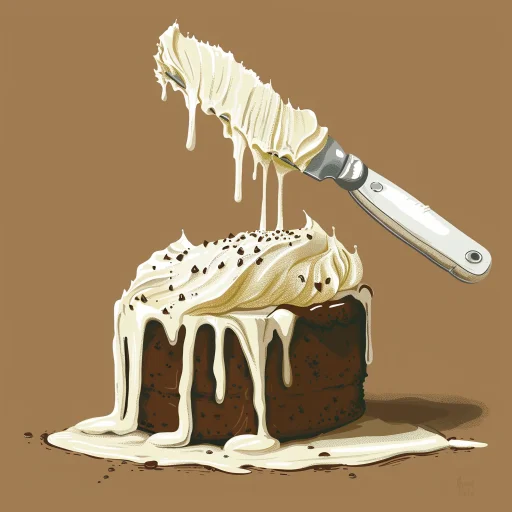
    a white-handled frosting knife dripping with sticky white icing sugar hanging over a rich sweet food

    65. Frosting Knife Sticky with Sugar

    “He cleaned the frosting knife, sticky with sugar, after finishing the cake decoration.”

    The stickiness of the knife after decorating conveys the tactile aftermath of a baking task, adding a realistic touch to the activity.

    66. Leaves Crunchy Underfoot

    “As she walked through the park, the leaves were crunchy underfoot, marking the arrival of fall.”

    The crunchiness of the leaves underfoot is a quintessential autumn sensation, vividly marking the change of the season.

    Are you ready to use tactile imagery in your writing?

    Now that you’ve explored the vibrant world of tactile imagery through these 66 distinct examples, the next step is yours to take.

    Begin by weaving tactile details into your own writing, transforming mundane scenes into tangible moments that resonate deeply with your readers.

    Notice the textures, temperatures, and sensations in your daily life and think about how they influence your emotions and reactions.

    Then, channel these observations into your stories, poems, or articles.

    Each piece of writing is an opportunity to connect more profoundly with your readership, to make them feel right there, as if they lived the words on the page for real..

    So, grab your pen or power up your laptop, and start crafting sensory-rich experiences that leap off the page!
    Embrace the power of tactile imagery and watch your writing come alive.

  • Connotative Words – 99 Examples & Definitions

    Connotative Words – 99 Examples & Definitions

    As a writer, understanding the subtle art of word choice transforms your work from ordinary to extraordinary.

    This ability helps separate the amateur writers from those truly dedicated to their craft.

    If the basis of good writing is being able to convey an idea clearly, the more advanced approach is to do so while also influencing your reader’s emotions.

    To reach that level, you need to take the time to learn the art of connotation.

    Dive into the world of connotative words with us, and unlock the secret to captivating your readers like never before.

    What are connotative words?

    an illustration of a writer contemplating how to use connotative words sitting by the sea

    Connotative words are a type of word that aims to convey more than just its literal meaning, but also a mood, emotion, or tone.

    To understand fully, contrast connotative words with their opposite, denotative words.

    While denotative words serve as the backbone of language, providing clear, direct meanings, connotative words add nuance and depth.

    Denotation tells us what something is while connotation tells us what it feels like.

    For instance, “house” and “home” denote a place to live, but “home” conveys warmth, safety, and belonging, thanks to its connotations.

    The emotional weight of connotative words influences how your reader responds to your writing.

    These words carry layers of meaning that evoke specific feelings, setting tone and atmosphere.

    By choosing words with the right connotations, you can guide your readers’ emotional responses and deepen their connection to your work.

    How are connotative words used?

    Understanding and utilizing connotative words is a powerful technique to add to your writing skillset.

    They are the tools that allow you to convey not just information, but also emotion and attitude.

    Whether you aim to inspire, persuade, or move your readers, connotative words give your language life. They make your characters more relatable, your settings more vivid, and your narratives more compelling.

    By carefully selecting words for their connotative value, you align your writing with the desired emotional tone and thematic nuances.

    This skill is what elevates good writing to great writing, engaging your readers on a deeper, more intuitive level.

    Positive connotative words

    Embracing positive connotative words enriches your writing, infusing it with optimism and warmth.

    These words have the power to uplift and inspire, creating a positive atmosphere that draws readers in.

    Examples of positive connotative words

    Here is a list of 33 positive connotative words, each with a definition of what it connotes and an example sentence to illustrate its use.

    1. Ambitious

    illustrated mountain climber showing ambition on a climb

    Connotes: A strong desire to succeed or achieve something significant.

    Example: Her ambitious spirit led her to climb the highest mountains.

    2. Brave

    Connotes: Exhibiting courage and facing challenges head-on.

    Example: The brave firefighter saved the family from the burning building.

    3. Compassionate

    Connotes: Showing sympathy and concern for others.

    Example: His compassionate approach helped the community heal.

    4. Dazzling

    Connotes: Extremely impressive, beautiful, or skillful.

    Example: The dazzling display of fireworks lit up the night sky.

    5. Empowering

    Connotes: Giving someone the confidence or strength to do something.

    Example: The empowering speech motivated everyone to pursue their dreams.

    6. Flourishing

    Connotes: Growing or developing in a healthy or vigorous way.

    Example: The flourishing garden was a result of her green thumb.

    7. Generous

    Connotes: Showing a readiness to give more of something than is strictly necessary or expected.

    Example: His generous donation made the charity event a success.

    8. Hopeful

    Connotes: Feeling or inspiring optimism about a future event.

    Example: She remained hopeful despite the challenges she faced.

    9. Innovative

    Connotes: Featuring new methods; advanced and original.

    Example: Their innovative solution won the technology competition.

    10. Joyful

    Connotes: Feeling, expressing, or causing great pleasure and happiness.

    Example: The joyful laughter of children filled the air.

    11. Kindhearted

    a kindhearted nurse standing in an illustrated hospital location

    Connotes: Having a kind and sympathetic nature.

    Example: The kindhearted nurse went above and beyond for her patients.

    12. Luminous

    Connotes: Full of or shedding light; bright or shining.

    Example: The luminous moon guided their way through the night.

    13. Motivated

    Connotes: Having a strong reason to act or accomplish something.

    Example: She was highly motivated to improve her skills.

    14. Nurturing

    Connotes: Caring for and encouraging the growth or development of someone or something.

    Example: His nurturing approach helped the young athletes thrive.

    15. Optimistic

    Connotes: Hopeful and confident about the future.

    Example: Despite the setbacks, he remained optimistic about his recovery.

    16. Passionate

    Connotes: Showing or caused by strong feelings or a strong belief.

    Example: She is passionate about environmental conservation.

    17. Quintessential

    Connotes: Representing the most perfect or typical example of a quality or class.

    Example: He is the quintessential gentleman.

    18. Resilient

    Connotes: Able to withstand or recover quickly from difficult conditions.

    Example: Her resilient nature helped her overcome every obstacle.

    19. Serene

    Connotes: Calm, peaceful, and untroubled.

    Example: The serene landscape was a perfect backdrop for meditation.

    20. Thriving

    illustration of a female entrepreneur cutting the ribbon on a thriving business which is expanding

    Connotes: Prospering; being successful or flourishing.

    Example: The thriving business expanded to new markets.

    21. Unwavering

    Connotes: Steady or resolute; not wavering.

    Example: Her unwavering support was crucial during tough times.

    22. Vibrant

    Connotes: Full of energy and enthusiasm.

    Example: The vibrant festival celebrated the town’s rich culture.

    23. Warmhearted

    Connotes: Kind, friendly, and sympathetic.

    Example: The warmhearted teacher made every student feel valued.

    24. Exuberant

    Connotes: Filled with or characterized by a lively energy and excitement.

    Example: The crowd’s exuberant cheers filled the stadium.

    25. Youthful

    Connotes: Remaining young at heart.

    Example: His youthful enthusiasm was infectious.

    26. Zealous

    Connotes: Great energy or enthusiasm in pursuit of a cause or an objective.

    Example: The zealous volunteers worked tirelessly to clean up the beach.

    27. Affable

    Connotes: Friendly, good-natured, or easy to talk to.

    Example: Her affable nature made her well-liked by her peers.

    28. Bountiful

    Connotes: Large in quantity; abundant.

    Example: The bountiful harvest ensured there was enough to feed everyone.

    29. Charismatic

    Connotes: Exercising a compelling charm that inspires devotion in others.

    Example: The charismatic leader drew a huge following.

    30. Delightful

    Connotes: Causing delight; charming.

    Example: The delightful melody brought joy to all who heard it.

    31. Eloquent

    Connotes: Fluent or persuasive in speaking or writing.

    Example: Her eloquent speech moved the audience to tears.

    32. Faithful

    Connotes: Loyal, devoted, or trustworthy.

    Example: He remained faithful to his team through all their ups and downs.

    33. Gracious

    Connotes: Courteous, kind, and pleasant.

    Example: The gracious host made sure everyone felt welcome.

    By using these positive connotative words in your writing, you not only enhance the aesthetic appeal of your text but also evoke feelings of joy, hope, and inspiration in your readers.

    These words are a subtle yet powerful way to connect on an emotional level, making your writing memorable and impactful.

    Neutral connotative words

    Neutral connotative words serve as the foundation of balanced and realistic writing.

    They provide clarity without imposing strong emotional biases, allowing your readers to draw their own conclusions.

    Examples of neutral connotative words

    This section offers a collection of 33 neutral connotative words, complete with definitions and illustrative sentences.

    1. Antique

    illustration of a large antique vase on display in a museum

    Connotes: Belonging to an earlier period, old-fashioned.

    Example: The antique vase was a centerpiece of the museum’s collection.

    2. Brisk

    Connotes: Active, fast, and energetic.

    Example: The brisk walk in the morning invigorated her.

    3. Candid

    Connotes: Frank, open, honest in speech.

    Example: His candid remarks sparked a lively debate.

    4. Durable

    Connotes: Able to withstand wear, pressure, or damage.

    Example: The durable materials ensured the backpack lasted for years.

    5. Eclectic

    Connotes: Deriving ideas, style, or taste from a broad and diverse range of sources.

    Example: Her eclectic taste in music surprised all her friends.

    6. Formal

    Connotes: Following rules or customs, often in an exact and proper way.

    Example: The formal dinner required black-tie attire.

    7. Generic

    Connotes: Characteristic of or relating to a class or group of things; not specific.

    Example: The generic brand proved just as effective as the name brand.

    8. Hybrid

    Connotes: A thing made by combining two different elements.

    Example: The hybrid car was both fuel-efficient and powerful.

    9. Implicit

    Connotes: Implied though not plainly expressed.

    Example: The implicit agreement between them needed no words.

    10. Juxtaposed

    an illustrated art gallery with juxtaposed modern and classic art

    Connotes: To place or deal with close together for contrasting effect.

    Example: The exhibition juxtaposed modern art with classical pieces.

    11. Kinetic

    Connotes: Relating to or resulting from motion.

    Example: The kinetic sculpture moved mesmerizingly in the wind.

    12. Literal

    Connotes: Taking words in their usual or most basic sense without metaphor or exaggeration.

    Example: He insisted on a literal interpretation of the text.

    13. Methodical

    Connotes: Done according to a systematic or established form of procedure.

    Example: Her methodical approach to research was commendable.

    14. Neutral

    Connotes: Not supporting or helping either side in a conflict, disagreement, etc.

    Example: The mediator remained neutral throughout the discussions.

    15. Objective

    Connotes: Not influenced by personal feelings or opinions in considering and representing facts.

    Example: His objective analysis provided much-needed clarity.

    16. Pragmatic

    Connotes: Dealing with things sensibly and realistically in a way that is based on practical rather than theoretical considerations.

    Example: Her pragmatic approach to problem-solving was highly effective.

    17. Quintessential

    Connotes: Representing the most perfect or typical example of a quality or class, often in a purely factual manner.

    Example: The museum was the quintessential representation of the city’s culture.

    18. Resolute

    Connotes: Admirably purposeful, determined, and unwavering, in a way that is neither positive nor negative.

    Example: He was resolute in his decision to complete the project on time.

    19. Sparse

    Connotes: Thinly dispersed or scattered.

    Example: The sparse population of the area made it peaceful.

    20. Technical

    retro illustration of someone repairing a complex machine with the help of a technical manual

    Connotes: Relating to a specific subject, art, or craft, or its techniques.

    Example: The technical manual was essential for the equipment’s repair.

    21. Uniform

    Connotes: Remaining the same in all cases and at all times; unchanging in form or character.

    Example: The uniform design simplified the company’s branding.

    22. Validate

    Connotes: Check or prove the validity or accuracy of (something).

    Example: The experiments helped to validate the theory.

    23. Wholesome

    Connotes: Suggestive of good health and physical well-being.

    Example: The wholesome meal was both nutritious and delicious.

    24. Xenial

    Connotes: Friendly relation between hosts and guests.

    Example: The xenial atmosphere made the foreign delegates feel at home.

    25. Yield

    Connotes: Produce or provide (a natural, agricultural, or industrial product).

    Example: The fertile land yielded an abundant harvest.

    26. Zeal

    Connotes: Great energy or enthusiasm in pursuit of a cause or objective.

    Example: His zeal for the project was contagious.

    27. Analytical

    Connotes: Relating to or using analysis or logical reasoning.

    Example: Her analytical skills were crucial to solving the puzzle.

    28. Benchmark

    Connotes: A standard or point of reference against which things may be compared.

    Example: The test scores were a benchmark for the school’s performance.

    29. Comprehensive

    Connotes: Complete; including all or nearly all elements or aspects of something.

    Example: The comprehensive guide covered every aspect of the software.

    30. Debatable

    Connotes: Open to discussion or argument.

    Example: The benefits of the new policy were debatable.

    31. Efficient

    Connotes: Achieving maximum productivity with minimum wasted effort or expense.

    Example: The efficient process saved the company time and money.

    32. Fragmented

    Connotes: Broken or separated into distinct parts.

    Example: The fragmented artifact was painstakingly reassembled by the archaeologists.

    33. Groundbreaking

    Connotes: Innovatively introducing new ideas, methods, or devices.

    Example: The groundbreaking research opened new avenues in science.

    By weaving these neutral connotative words into your work, you grant your readers the space to engage with your writing on their own terms.

    This approach causes a connection built on respect for your readers’ intellect and perspective, enhancing your work by offering depth without directive.

    Negative connotative words

    Using negative connotative words judiciously can add depth and realism to your writing, portraying conflict and adversity in a way that resonates with readers.

    Examples of negative connotative words

    Here, we explore 33 negative connotative words, each elucidated with a definition of its connotations, accompanied by an example sentence.

    1. Abrasive

    cartoon style illustration of an angry business exec shouting abrasive comments during a meeting

    Connotes: Harshness or roughness in manner.

    Example: His abrasive comments during the meeting were off-putting.

    2. Bleak

    Connotes: Lacking in warmth, life, or kindliness.

    Example: The novel depicted a bleak future devoid of hope.

    3. Clumsy

    Connotes: Lacking grace or skill in movement or execution.

    Example: The clumsy attempt to fix the problem only made things worse.

    4. Dismal

    Connotes: Depressingly dreary or gloomy.

    Example: The dismal weather mirrored her mood that day.

    5. Evasive

    Connotes: Tending to avoid commitment or self-revelation.

    Example: His evasive answers raised more questions than they answered.

    6. Frivolous

    Connotes: Not having any serious purpose or value.

    Example: The frivolous lawsuit was quickly dismissed by the judge.

    7. Gruesome

    Connotes: Causing repulsion or horror; grisly.

    Example: The crime scene was too gruesome to describe.

    8. Harsh

    Connotes: Unpleasantly rough or jarring to the senses.

    Example: The harsh criticism left her feeling demoralized.

    9. Ignorant

    Connotes: Lacking knowledge or awareness in general.

    Example: His ignorant comments revealed his lack of understanding.

    10. Jaded

    Connotes: Tired, bored, or lacking enthusiasm.

    Example: The jaded audience hardly applauded at the end of the performance.

    11. Knotty

    Connotes: Complicated and difficult to solve.

    Example: The negotiations reached a knotty phase with no easy resolution.

    12. Lethargic

    cute illustration of a lethargic cat resting on a sofa in a room with plants

    Connotes: Affected by lethargy; sluggish and apathetic.

    Example: The lethargic cat barely moved from the sofa all day.

    13. Malicious

    Connotes: Intending or intended to do harm.

    Example: The malicious rumor was intended to tarnish her reputation.

    14. Nefarious

    Connotes: Wicked, villainous, or criminal.

    Example: His motives were as nefarious as his actions.

    15. Obnoxious

    Connotes: Extremely unpleasant.

    Example: The obnoxious odor made it impossible to stay in the room.

    16. Pernicious

    Connotes: Having a harmful effect, especially in a gradual or subtle way.

    Example: The pernicious weed spread throughout the farmland.

    17. Querulous

    Connotes: Complaining in a petulant or whining manner.

    Example: The querulous tone of his voice grated on everyone’s nerves.

    18. Repugnant

    Connotes: Extremely distasteful; unacceptable.

    Example: The very idea of cheating was repugnant to her.

    19. Sinister

    Connotes: Giving the impression that something harmful or evil is happening or will happen.

    Example: There was something sinister about the deserted house.

    20. Toxic

    Connotes: Poisonous; very harmful or unpleasant in a pervasive or insidious way.

    Example: The toxic work environment led many employees to leave.

    21. Unsettling

    Connotes: Causing anxiety or uneasiness; disturbing.

    Example: The unsettling news left the community in shock.

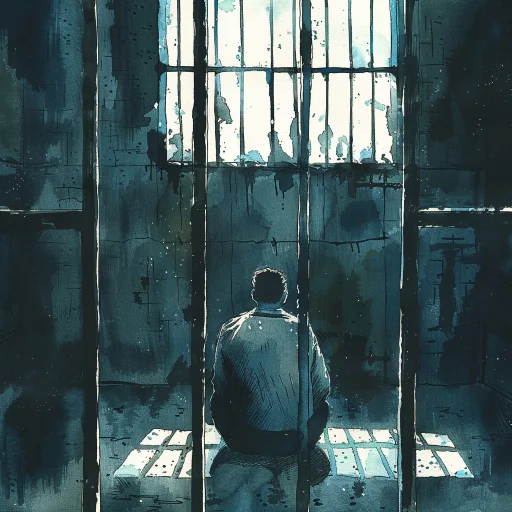
    22. Vile

    illustration of the vile treatment of prisoners in a dark and dingy cell

    Connotes: Extremely unpleasant or morally bad.

    Example: The vile treatment of prisoners was condemned worldwide.

    23. Warped

    Connotes: Twisted or distorted out of shape.

    Example: His warped sense of humor was not appreciated by all.

    24. Xenophobic

    Connotes: Showing a dislike of or prejudice against people from other countries.

    Example: The xenophobic policies were criticized internationally.

    25. Yielding

    Connotes: Giving way under pressure; not firm or strong.

    Example: The yielding structure raised concerns about safety.

    26. Zealous

    Connotes: Showing zeal; overly enthusiastic in a way that can be negative.

    Example: His zealous enforcement of the rules sometimes seemed excessive.

    27. Accusatory

    Connotes: Suggesting that one believes a person has done something wrong.

    Example: The accusatory tone made her feel like she was already guilty.

    28. Belligerent

    Connotes: Hostile and aggressive.

    Example: The belligerent drunk was escorted out of the bar.

    29. Coercive

    Connotes: Relating to or using force or threats.

    Example: The coercive measures were criticized as being too harsh.

    30. Deceptive

    Connotes: Giving an appearance or impression different from the true one; misleading.

    Example: The deceptive advertising misled consumers about the product’s benefits.

    31. Expendable

    Connotes: Of little significance when compared to an overall purpose, and therefore able to be abandoned.

    Example: The cruel reality was that soldiers were often seen as expendable.

    32. Flippant

    Connotes: Not showing a serious or respectful attitude.

    Example: His flippant remarks about the situation angered many.

    33. Glib

    Connotes: Fluent and voluble but insincere and shallow.

    Example: The politician’s glib answers did not satisfy the public.

    Incorporating negative connotative words into your writing, when done thoughtfully, adds a level of edge and realism.

    They allow you to explore the full spectrum of human experience without shying away from the darkest moments.

    Use them wisely to enrich your writing with depth and complexity.

    Are you ready to enhance your writing with connotative words?

    We invite you to experiment with these connotative words, to weave them into your stories and articles, and observe the profound impact they have on your readers.

    Please continue to develop your appreciation and mastery of connotative words – treat this guide as a starting point to inspire both your reading and writing.

    Your unique voice and perspective, enriched with the right words, has the power to impact, inspire, and move your readers.

    Don’t let that power go to waste!

  • Humorous Tone Words – 66 Examples & Definitions

    Humorous Tone Words – 66 Examples & Definitions

    Humor, when woven skillfully into your writing, can elevate your content from good to unforgettable.

    Today, we dive into the technique of humorous tone words, a proven method to make every word count and leave a lasting impression on your readers.

    What are humorous tone words?

    Humorous tone words are specific words that inject humor, wit, and light-heartedness into your writing.

    These words turn mundane sentences into memorable experiences.

    Understanding and using them allows you to play with language in a way that amuses your readers, all while keeping your message clear and impactful.

    What is the impact of using humorous tone words?

    Employing humorous tone words transforms your writing. It breaks down barriers, making your readers respond emotionally to your writing instead of just logically.

    Humor is a universal language that can simplify complex ideas, ease tension, and make challenging topics approachable.

    More importantly, it leaves a lasting impression, ensuring your words linger long after your readers have reached the end of your work.

    Categories of humorous tone words

    Like all types of tone words, humorous tone words can be divided into distinct categories, each with a slightly different purpose and effect.

    Each category serves a unique type of humor, enabling you to tailor your text to fit the tone, audience, and purpose of your writing.

    1. Witty humorous tone words

    Sharp, quick exchanges that showcase linguistic agility.

    Examples of witty humorous tone words

    1. Quip

    Definition – A witty remark.

    Example – “Her quip about the meeting being a ‘caffeine-fueled idea fest’ lightened the room instantly.”

    2. Banter

    Definition – Playful and witty exchange.

    Example – “Their banter was the highlight of the conference, blending humor with profound insights.”

    3. Jest

    Definition – A joke or witty remark.

    Example – “His jest about forgetting his anniversary was met with laughter from the audience.”

    4. Ribbing

    Definition – Teasing or joking with someone in a friendly way.

    Example – “The gentle ribbing between colleagues at the office party was all in good fun.”

    5. Wisecrack

    Definition – A clever and witty remark, often impromptu.

    Example – “His wisecrack during the presentation broke the ice beautifully.”

    6. Repartee

    Definition – A quick, witty reply or conversation.

    Example – “Their repartee was as entertaining as the play itself.”

    7. Zinger

    Definition – A sharp, amusing remark that takes everyone by surprise.

    Example – “She delivered a zinger that left the room in stitches.”

    8. Jibe

    Definition – A taunting or sarcastic remark.

    Example – “His jibe about my cooking skills was actually pretty funny.”

    9. Gibe

    Definition – A jeering or mocking remark.

    Example – “Her gibe at his expense was light-hearted and well-received.”

    10. Sarcasm

    Definition – The use of irony to mock or convey contempt.

    Example – “His sarcasm when discussing movie clichés was spot on.”

    11. Irony

    Definition – The expression of one’s meaning by using language that normally signifies the opposite.

    Example – “The irony in her voice when she congratulated him was unmistakable.”

    2. Sardonic humorous tone words

    The use of irony to convey mock seriousness.

    Examples of sardonic humorous tone words

    1. Snark

    Definition – Biting, high-spirited sarcasm.

    Example – “His snark on the trend of tiny houses made everyone chuckle.”

    2. Cynicism

    Definition – An attitude characterized by a general distrust of others’ motives.

    Example – “His cynicism about holiday sales was both funny and true.”

    3. Mockery

    Definition – Teasing or contemptuous language or behavior directed at a particular person or thing.

    Example – “Her mockery of the latest fashion trends was spot-on and hilarious.”

    4. Satire

    Definition – The use of humor, irony, exaggeration, or ridicule to expose and criticize people’s stupidity or vices.

    Example – “His essays are known for their sharp satire of political life.”

    5. Derision

    Definition – Contemptuous ridicule or mockery.

    Example – “His derision of the proposal was actually quite amusing.”

    6. Taunt

    Definition – A remark made in order to anger, wound, or provoke someone.

    Example – “His taunt about the rival team’s chances was all in good humor.”

    7. Ridicule

    Definition – The subjection of someone or something to contemptuous and dismissive language or behavior.

    Example – “Her ridicule of the latest tech fad was both hilarious and insightful.”

    8. Caustic

    Definition – Severely critical or sarcastic.

    Example – “His caustic remarks on the film’s plot holes had everyone nodding in agreement.”

    9. Scorn

    Definition – The feeling or belief that someone or something is worthless or despicable.

    Example – “Her scorn for the outdated policy was evident in her witty rebukes.”

    10. Parody

    Definition – A humorous or satirical imitation.

    Example – “The movie was a parody of the horror genre, poking fun at its most common tropes.”

    11. Lampoon

    Definition – Publicly criticize (someone or something) by using ridicule, irony, or sarcasm.

    Example – “The columnist lampooned the politician’s proposal with sharp wit.”

    3. Deadpan/dry humorous tone words

    Humor delivered with a straight face, where the comedy lies in the contrast between the delivery and the content.

    Examples of deadpan/dry humorous tone words – 

    1. Deadpan

    Definition – Expressing humor without showing any emotion.

    Example – “His deadpan delivery made the joke even funnier.”

    2. Understatement

    Definition – Making something seem less important than it is.

    Example – “Calling the Grand Canyon ‘a decent-sized hole in the ground’ is quite the understatement.”

    3. Dry

    Definition – Subtle, understated humor.

    Example – “Her dry wit was a perfect match for the sarcastic dialogue.”

    4. Stoic

    Definition – Unaffected by joy, grief, pleasure, or pain.

    Example – “His stoic reaction to the absurdity around him was unexpectedly hilarious.”

    5. Wry

    Definition – Using or expressing dry, especially mocking, humor.

    Example – “Her wry observations about office life were spot-on.”

    6. Poker-faced

    Definition – Showing no expression.

    Example – “He told the most outrageous stories with a poker-faced seriousness that made them even more amusing.”

    7. Monotone

    Definition – Unvarying tone without any expression to signify humor.

    Example – “Delivering the punchline in a monotone, she caught everyone off guard.”

    8. Laconic

    Definition – Using very few words to express much.

    Example – “His laconic reply, full of wit, ended the debate with a laugh.”

    9. Droll

    Definition – Curious or unusual in a way that provokes dry amusement.

    Example – “His droll commentary during the tour kept everyone entertained.”

    10. Sardonic

    Definition – Grimly mocking or cynical.

    Example – “Her sardonic smile as she remarked on the proposal’s feasibility was unforgettable.”

    11. Ironic

    Definition – The expression of one’s meaning by using language that normally signifies the opposite, often for humorous effect.

    Example – “His ironic thanks for the extra work sparked laughter in the office.”

    4. Slapstick humorous tone words

    Comedy based on deliberately clumsy actions and humorously embarrassing events.

    Examples of slapstick humorous tone words – 

    1. Pratfall

    Definition – A fall on the buttocks for comic effect.

    Example – “His pratfall during the team-building exercise was a hit, intentionally or not.”

    2. Bumble

    Definition – Move or act in an awkward or confused manner.

    Example – “She bumbled through her presentation, making it unexpectedly endearing.”

    3. Clumsy

    Definition – Lacking coordination in movement; awkwardly done.

    Example – “The clumsy attempt at a surprise entrance was more hilarious than dramatic.”

    4. Blunder

    Definition – A stupid or careless mistake.

    Example – “His blunder in the speech became the highlight of the evening.”

    5. Slapstick

    Definition – Comedy based on simple, physical humor.

    Example – “The slapstick routine at the circus had the children roaring with laughter.”

    6. Buffoonery

    Definition – Ridiculous but amusing behavior.

    Example – “The buffoonery on stage was a delightful break from the serious plays.”

    7. Farce

    Definition – An absurd event.

    Example – “The meeting turned into a farce when the lights went out unexpectedly.”

    8. Gag

    Definition – A practical joke or mischievous act.

    Example – “The classic whoopee cushion gag never fails to amuse.”

    9. Screwball

    Definition – Crazy or eccentric.

    Example – “The screwball comedy film left us laughing for hours.”

    10. Hijinks

    Definition – Boisterous fun.

    Example – “The hijinks at the annual company retreat were legendary.”

    11. Antic

    Definition – A playful trick or prank.

    Example – “Their antics during the photo shoot lightened the mood.”

    5. Absurdist/surreal humorous tone words

    Humor that stems from absurd or nonsensical scenarios and ideas.

    Examples of absurdist/surreal humorous tone words – 

    1. Nonsensical

    Definition – Lacking sense or clear meaning.

    Example – “The nonsensical plot of the play somehow made it all the more hilarious.”

    2. Bizarre

    Definition – Very strange or unusual.

    Example – “The bizarre turn of events in the story was unexpectedly humorous.”

    3. Surreal

    Definition – Beyond what is real or believable; bizarre.

    Example – “The surreal dialogue in the film added to its comedic charm.”

    4. Absurd

    Definition – Ridiculously unreasonable or illogical.

    Example – “His absurd idea for solving the puzzle made everyone laugh.”

    5. Kafkaesque

    Definition – Marked by a senseless, disorienting, often menacing complexity.

    Example – “The Kafkaesque bureaucracy in the story was portrayed with a humorous twist.”

    6. Outlandish

    Definition – Looking or sounding bizarre or unfamiliar.

    Example – “Her outlandish suggestions for the party theme were met with laughter.”

    7. Zany

    Definition – Amusingly unconventional and idiosyncratic.

    Example – “The zany characters in the book provided endless entertainment.”

    8. Offbeat

    Definition – Unconventional; different from the usual.

    Example – “The offbeat humor of the show captured a dedicated fan base.”

    9. Whimsical

    Definition – Playfully quaint or fanciful, especially in an appealing and amusing way.

    Example – “The whimsical narrative of the children’s book delighted readers of all ages.”

    10. Quirky

    Definition – Characterized by peculiar or unexpected traits.

    Example – “Her quirky sense of humor was infectious.”

    11. Far-fetched

    Definition – Very improbable or unlikely.

    Example – “The far-fetched scenarios he came up with for the game were hilariously entertaining.”

    6. Parodic/satirical humorous tone words

    Using imitation or exaggeration to critique or mock.

    Examples of parodic/satirical humorous tone words – 

    1. Caricature

    Definition – A representation, especially pictorial or literary, in which the subject’s distinctive features are deliberately exaggerated to produce a comic or grotesque effect.

    Example – “Her caricature of the celebrities was not only spot-on but also hilariously exaggerated.”

    2. Spoof

    Definition – A humorous imitation of something, typically a film or a particular genre of film, in which its characteristic features are exaggerated for comic effect.

    Example – “The spoof of spy movies had us laughing from start to finish.”

    3. Pastiche

    Definition – A work of visual art, literature, or music that imitates the style or character of the work of one or more other artists.

    Example – “The pastiche of 19th-century literature was both a tribute and a humorous take on its formal language.”

    4. Mockumentary

    Definition – A film or television series that uses documentary style and structure to present and stage fictional subjects.

    Example – “The mockumentary about office life became a cult classic for its humor.”

    5. Lampoon

    Definition – Publicly criticize (someone or something) by using ridicule, irony, or sarcasm.

    Example – “The columnist lampooned the politician’s proposal with sharp wit.”

    6. Trenchant

    Definition – Vigorous or incisive in expression or style, often referring to satire that cuts to the essence of the subject.

    Example – “The playwright’s trenchant satire on modern relationships was as enlightening as it was amusing.”

    7. Sardonic

    Definition – Grimly mocking or cynical.

    Example – “Her sardonic commentary on contemporary politics was both cutting and hilarious.”

    8. Satirical

    Definition – Pertaining to or characterized by satire, using humor, irony, exaggeration, or ridicule to criticize people’s stupidity or vices.

    Example – “His satirical take on the tech industry’s promises made for an uproarious read.”

    9. Irony

    Definition – The expression of one’s meaning by using language that normally signifies the opposite, often for humorous or emphatic effect.

    Example – “The irony of calling a giant dog ‘Tiny’ amused everyone.”

    10. Parody

    Definition – A humorous or satirical imitation.

    Example – “The movie was a parody of the horror genre, poking fun at its most common tropes.”

    11. Ridicule

    Definition – The subjection of someone or something to contemptuous and dismissive language or behavior.

    Example – “His ridicule of the absurdity of social media trends was both funny and poignant.”

    Are you ready to use humorous tone words in your writing? 

    Now that you’re equipped with a comprehensive collection of humorous tone words, it’s time to put them into action.

    Experiment with them in your next piece of writing, whether it’s a blog post, a work of fiction, or even an email, and observe the transformation in how your readers react.

    Remember, the goal is to amuse your audience, making every read an enjoyable experience they cherish.

    Don’t underestimate the power of humour to cultivate a loyal and engaged readership who look forward to your next piece of writing.

  • 33 Memoir Examples – Inspiration From Memorable Life Stories

    33 Memoir Examples – Inspiration From Memorable Life Stories

    Imagine holding a mirror to your life where every reflection tells a story, some so vivid and profound they could only be believed because they are true.

    This is the essence of memoir, a genre that turns personal experiences into a universal language of emotions, lessons, and discoveries.

    As writers, delving into memoirs is more than a pastime—it’s an exploration into the art of storytelling through the lens of real-life adventures, struggles, and triumphs.

    We’ll explore 33 memoir examples from some of the most popular types, giving you a feel for the diversity of the genre and the writing lessons to take from these beloved books.

    What is a memoir example?

    someone standing in a library full of memoir examples

    A memoir example is an example of a published book that chronicles the author’s personal experiences, offering insights into their life’s pivotal moments, emotions, and lessons learned.

    Unlike autobiographies, which may aim to document each phase of a person’s life, memoirs tend to focus on a specific theme, period, or series of events, painting a detailed picture of the human condition through a personal lens.

    This focus enables memoirs to resonate deeply, bridging the gap between the author’s world and the reader’s.

    Memoirs stand out because they prioritize storytelling over chronological history.

    They invite readers into the author’s world, sharing the emotional journey rather than just the facts.

    This narrative approach enriches the reader’s experience, making each memoir a unique exploration of life’s complexities.

    What are the benefits of studying memoir examples?

    So why should you take the time to study these memoir examples and learn the lessons they contain?

    Only by studying successful memoirs can you have the right mix of knowledge and inspiration to write your own.

    Some of the most compelling reasons to become a student of the memoir genre include:

    1. Enhanced empathy: By walking a mile in another’s shoes through their memoir, you gain insights into lives and perspectives vastly different from your own. This exercise in empathy enriches your understanding of the human experience, broadening your worldview.
    2. Improved writing skills: Analyzing the narrative structure, voice, and character development in memoirs sharpens your writing. Each memoir serves as a masterclass in storytelling, offering lessons in crafting compelling narratives that engage readers.
    3. Diverse perspectives: Memoirs open windows to varied cultural, social, and personal landscapes, encouraging you to explore themes and stories beyond your immediate experiences. This diversity fuels creativity, inspiring fresh ideas and approaches in your writing.
    4. Emotional connection: Learning how authors convey their most intimate experiences helps you harness the power of emotional storytelling. This connection is vital in writing that resonates with readers, making your work memorable.
    5. Authentic voice development: Memoirs exemplify the importance of an authentic voice in storytelling. Studying them helps you find and refine your unique voice, an essential element in distinguishing your writing in a crowded space.

    Now that you have a solid grasp of the benefits that studying memoirs offers, let’s delve deep into the first of our eleven memoir types, showcasing three pertinent examples and the lessons you can learn from each.

    1 – Memoir examples of early life stories

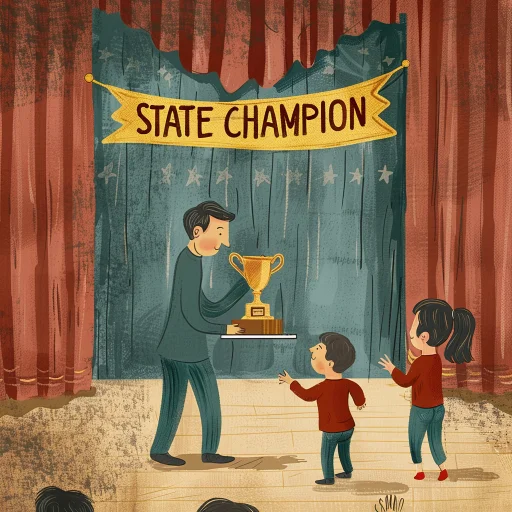
    illustration from a childhood memoir showing kids getting a trophy onstage

    Early life memoirs explore the foundational years that shape individuals, offering a deep dive into the experiences and influences that forge character, resilience, and perspective.

    These memoirs are a testament to the lasting impact of youth on personal growth and identity.

    The Glass Castle by Jeannette Walls

    This memoir provides a raw, unflinching look at Walls’ nomadic, poverty-stricken childhood with her dysfunctional family. It’s a story of resilience in the face of chaos and neglect.

    Aspiring memoir writers can learn from Walls’ ability to recount her experiences with honesty and without self-pity.

    Her narrative teaches the power of a clear, straightforward storytelling style, proving that the strength of a memoir lies in the truth of its tales, however harsh they may be.

    Educated by Tara Westover

    Westover’s journey from growing up in a strict, survivalist family in Idaho to earning a PhD from Cambridge University is a compelling exploration of self-transformation and the quest for knowledge.

    Writers should note Westover’s skillful handling of complex family dynamics and her journey to education and self-awareness.

    The memoir demonstrates how to weave personal growth with broader themes of education and freedom, offering a blueprint for balancing personal narratives with universal questions.

    This Boy’s Life by Tobias Wolff

    Wolff’s memoir of his adolescence captures his experiences with a volatile stepfather and his desperate, often misguided attempts to escape a bleak home life.

    From Wolff, writers can learn the importance of reflective insight and the nuanced portrayal of characters, including oneself, in memoir writing.

    His candid exploration of his younger self’s flaws and misadventures serves as a lesson in the value of vulnerability and honesty in crafting a compelling narrative.

    2. Memoir examples of adventure and exploration books

    Adventure and exploration memoirs plunge readers into the heart of the unknown, sharing the author’s journeys through uncharted territories, both external and internal.

    These stories are not just about the places visited but the personal transformations that occur along the way.

    Into the Wild by Jon Krakauer

    Krakauer tells the story of Christopher McCandless, a young man who abandoned his possessions to explore the Alaskan wilderness, ultimately leading to his tragic end. This memoir explores themes of freedom, nature, and the search for meaning.

    Writers can learn from Krakauer’s meticulous research and narrative framing, illustrating how to blend biography with personal anecdote and analysis.

    This memoir is a masterclass in building suspense and maintaining reader engagement through detailed, evocative descriptions of the natural world and the human spirit.

    Wild by Cheryl Strayed

    Strayed’s memoir recounts her solo hike along the Pacific Crest Trail, undertaken in a moment of personal crisis. It’s a story of physical endurance and emotional healing, as the journey brings her face to face with her past and her fears.

    For memoir writers, Wild showcases the power of a personal journey to drive a narrative.

    Strayed’s frank and poignant prose demonstrates how to balance introspection with action, making her external journey a mirror for internal change.

    The Motorcycle Diaries by Ernesto “Che” Guevara

    Before he became a revolutionary, Guevara embarked on a youthful motorcycle journey across South America with his friend Alberto Granado. This memoir is a blend of adventure and emerging social consciousness.

    Aspiring writers can draw inspiration from Guevara’s evocative descriptions and the way he weaves social and political observations into his personal narrative.

    This memoir exemplifies how travel can be a catalyst for personal and ideological transformation, teaching writers to infuse their stories with broader themes beyond their immediate experience.

    3. Examples of cultural and social identity memoirs

    racially diverse children play basketball outside in a scene from a cultural identity memoir

    Memoirs focusing on cultural and social identity delve into the complexities of belonging, exploring how background, society, and personal choices converge to shape one’s sense of self. These stories are vital for understanding diverse perspectives and experiences.

    The Year of Magical Thinking by Joan Didion

    Didion reflects on the year following the sudden death of her husband, exploring themes of grief, love, and memory. Her precise, stoic prose captures the disorienting nature of mourning and the struggle to find meaning in loss.

    Writers can learn from Didion’s controlled use of language and structure to convey deep emotion and introspection.

    This memoir teaches the art of writing about pain without succumbing to sentimentality, using clarity and reflection to touch readers deeply.

    Born a Crime by Trevor Noah

    Noah’s memoir of growing up in post-apartheid South Africa provides insight into the complexities of navigating identity in a place where he was literally born a crime. The book is a mix of humor, history, and personal anecdote.

    Memoir writers can glean from Noah the skill of balancing light-heartedness with serious social commentary.

    His ability to tell stories that are both entertaining and enlightening demonstrates how personal narratives can serve as a powerful lens on societal issues.

    Hunger: A Memoir of (My) Body by Roxane Gay

    Gay’s memoir is a profound exploration of body image, weight, and the intersectionality of identity and self-worth. Her candid account discusses her relationship with her body, trauma, and the societal expectations of femininity.

    This memoir offers lessons in writing about deeply personal and potentially divisive topics with grace and honesty.

    Gay’s forthrightness and vulnerability encourage writers to tackle their truths head-on, showing that personal specificity can resonate universally.

    4. Examples of memoirs about overcoming adversity

    Memoirs of overcoming adversity showcase the human spirit’s resilience in the face of challenges, be they physical, psychological, or societal.

    These narratives provide hope and inspiration, demonstrating the power of perseverance and the possibility of triumph through trials.

    A Long Way Gone: Memoirs of a Boy Soldier by Ishmael Beah

    Beah recounts his harrowing experience as a child soldier in Sierra Leone, offering a poignant testament to the devastations of war and the capacity for healing. His story is a journey from loss and violence to redemption.

    Writers can learn from Beah’s straightforward yet evocative storytelling style, which captures the horrors of war without sensationalism.

    His memoir is a lesson in the power of narrative to foster understanding and empathy for experiences far removed from most readers’ lives.

    The Glass Castle by Jeannette Walls

    This memoir provides a raw, unflinching look at Walls’ nomadic, poverty-stricken childhood with her dysfunctional family. It’s a story of resilience in the face of chaos and neglect.

    Aspiring memoir writers can learn from Walls’ ability to recount her experiences with honesty and without self-pity.

    Her narrative teaches the power of a clear, straightforward storytelling style, proving that the strength of a memoir lies in the truth of its tales, however harsh they may be.

    Educated by Tara Westover

    Westover’s journey from growing up in a strict, survivalist family in Idaho to earning a PhD from Cambridge University is a compelling exploration of self-transformation and the quest for knowledge.

    Writers should note Westover’s skillful handling of complex family dynamics and her journey to education and self-awareness.

    The memoir demonstrates how to weave personal growth with broader themes of education and freedom, offering a blueprint for balancing personal narratives with universal questions.

    5. Memoir examples focused on tales of career and professional life

    illustration from memoir examples of a carrer life story showing a businessman standing in a penthouse office looking out at the city

    Memoirs within the career and professional life category offer insights into the joys, struggles, and lessons learned on the path to professional achievement and personal fulfillment.

    These stories inspire by showing the myriad ways one can navigate, succeed, and sometimes falter in their chosen field.

    Kitchen Confidential by Anthony Bourdain

    Bourdain pulls back the curtain on the culinary world with his candid, no-holds-barred look at his life as a chef. The book is a blend of personal journey and industry exposé, filled with humor, wisdom, and a love for food.

    For memoir writers, Bourdain’s unfiltered voice and vivid storytelling are lessons in how to capture the essence of a profession while weaving in personal narratives.

    His book demonstrates the power of passion and authenticity in connecting with readers, showing that expertise mixed with personal reflection makes for compelling reading.

    Just Kids by Patti Smith

    Smith’s memoir chronicles her relationship with photographer Robert Mapplethorpe during their early years in New York City’s art scene. It’s a story of artistic growth, friendship, and the pursuit of creative expression.

    Aspiring writers can learn from Smith’s poetic prose and her ability to capture the zeitgeist of a bygone era.

    Her memoir exemplifies how personal stories can illuminate broader cultural and artistic movements, offering insights into the creative process and the bonds that fuel artistic innovation.

    Shoe Dog by Phil Knight

    Knight shares the story of building Nike from a small start-up to a global brand. His memoir is a candid account of the trials, errors, and triumphs encountered in the business world.

    Memoir writers can glean insights from Knight’s honest reflection on his journey, showcasing the value of resilience, vision, and innovation.

    His narrative teaches the importance of storytelling in entrepreneurship, illustrating how personal and professional experiences can inspire and inform others.

    6. Examples of mental health and recovery memoirs

    Memoirs in this category delve into personal battles with mental health, offering unvarnished insights into the struggles and triumphs of recovery.

    These stories are vital, shedding light on often-stigmatized topics and offering hope and understanding to those facing similar challenges.

    The Noonday Demon: An Atlas of Depression by Andrew Solomon

    Solomon combines personal narrative with in-depth research to explore the landscape of depression. His book offers both a memoir of his own journey and a broader cultural and scientific examination of the condition.

    Writers can learn from Solomon’s meticulous approach to blending personal experience with extensive research.

    His work demonstrates how to discuss complex, sensitive topics with empathy and intelligence, making a compelling case for the power of personal stories to illuminate broader societal issues.

    An Unquiet Mind by Kay Redfield Jamison

    In this memoir, Jamison, a psychologist who specializes in bipolar disorder, shares her own experiences with the condition. Her unique perspective as both clinician and patient provides deep insights into the complexities of living with bipolar disorder.

    Aspiring writers can draw inspiration from Jamison’s candid and poetic exploration of her mental health.

    Her memoir underscores the importance of vulnerability and honesty in writing about personal struggles, showing how these qualities can foster a deeper connection with readers.

    Darkness Visible by William Styron

    Styron’s memoir stands as a profound account of his descent into depression and his journey toward recovery. His exploration of the condition is both deeply personal and universally resonant, offering solace and understanding to those affected by mental illness.

    From Styron, writers can learn the art of conveying the indescribable aspects of mental health challenges.

    His ability to articulate the ineffable experience of depression teaches the value of precise language and metaphor in exploring personal and complex subjects.

    7. Family and relationships memoir examples

    illustration from a relationship memoir example, showing a newly-married couple on a beautiful island beach, surrounded by palm trees

    Memoirs about family and relationships examine the intricate web of connections that shape our lives.

    These narratives explore love, loss, and the myriad ways in which our familial bonds and relationships define us.

    Fun Home: A Family Tragicomic by Alison Bechdel

    Bechdel’s graphic memoir navigates her complex relationship with her father, intertwined with her coming-of-age story and her coming out. The novel’s visual and textual layers add depth to the exploration of family dynamics, identity, and grief.

    Memoir writers can learn from Bechdel’s innovative use of the graphic novel format to tell her story.

    Her work exemplifies how combining visuals with text can enhance storytelling, offering new ways to engage with readers and delve into personal narratives.

    The Year of Magical Thinking by Joan Didion

    Didion reflects on the year following the sudden death of her husband, exploring themes of grief, love, and memory. Her precise, stoic prose captures the disorienting nature of mourning and the struggle to find meaning in loss.

    Writers can learn from Didion’s controlled use of language and structure to convey deep emotion and introspection.

    This memoir teaches the art of writing about pain without succumbing to sentimentality, using clarity and reflection to touch readers deeply.

    Running with Scissors by Augusten Burroughs

    Burroughs’ memoir of his unconventional and troubled childhood offers a humorous yet poignant look at family life. His vivid storytelling and sharp wit make the book a compelling read despite its dark themes.

    Aspiring memoir writers can learn from Burroughs’ ability to blend humor with hardship.

    His memoir demonstrates how to use wit as a tool for coping and storytelling, showing that even the most challenging experiences can be explored in ways that resonate with humor and heart.

    8. Examples of travel and living abroad memoirs

    Memoirs of travel and living abroad capture the thrill of discovering new places and cultures, often reflecting on how these experiences change the author.

    These narratives offer readers a passport to distant lands and the internal journeys that accompany physical travel.

    Under the Tuscan Sun by Frances Mayes

    Mayes’ memoir about renovating a villa in Italy explores themes of home, discovery, and the pleasures of food and culture. Her evocative descriptions of Tuscany and the transformation of her villa mirror the personal growth and renewal she experiences.

    Writers can learn from Mayes’ rich, sensory descriptions and her ability to weave personal transformation with a sense of place.

    Her memoir exemplifies how setting can be a character in itself, deeply influencing the narrative and the author’s journey.

    Eat, Pray, Love by Elizabeth Gilbert

    Gilbert’s memoir chronicles her journey across Italy, India, and Indonesia, seeking self-discovery and spiritual fulfillment after a difficult divorce. Her honest and engaging narrative captures the essence of each culture and her path to finding balance and happiness.

    Memoir writers can take note of Gilbert’s narrative arc, structured around the physical and emotional landscapes she navigates.

    Her book shows how to frame a personal quest within the broader context of travel and exploration, making the journey relatable and inspiring.

    The Geography of Bliss by Eric Weiner

    Weiner’s memoir is an exploration of happiness across the globe, as he travels to the world’s happiest (and unhappiest) places. His witty, insightful observations provide a unique blend of travelogue and psychological inquiry.

    Aspiring writers can learn from Weiner’s use of humor and research to engage readers.

    His approach demonstrates how to blend personal narrative with a thematic quest, offering a compelling way to explore big questions through the lens of travel.

    9. Examples of memoirs about celebrity and public life

    celebrity memoir examples image taken from a book, showing a glamorous star walking the red carpet at an awards show

    Memoirs from celebrities and public figures pull back the curtain on the glitz and glamour, offering a glimpse into the realities of life in the spotlight.

    These narratives explore the complexities of fame, success, and the personal journeys behind public personas.

    Becoming by Michelle Obama

    In this deeply personal memoir, Michelle Obama chronicles her life from her childhood in Chicago to her years as First Lady of the United States. She shares her triumphs and disappointments, both public and private, with unerring honesty and warmth.

    Writers can learn from Obama’s narrative how to blend personal stories with historical and social contexts, creating a rich tapestry that is both intimate and universally appealing.

    Her memoir demonstrates the power of authenticity and vulnerability in connecting with a wide audience.

    Open by Andre Agassi

    Agassi’s memoir is a candid account of his life on and off the tennis court, revealing the struggles and conflicts that accompanied his career. It’s a story of transformation and perseverance, offering insights into the pressures of professional sports.

    Memoir writers can take away Agassi’s ability to confront his past with brutal honesty and reflect on his personal and professional growth.

    His narrative shows the importance of introspection and the courage to change, providing a compelling model for writing about personal evolution.

    Just as I Am by Cicely Tyson

    Tyson’s memoir offers a sweeping view of her life and career, breaking ground as a Black actress in Hollywood and using her platform to advocate for racial justice. Her story is a testament to resilience, talent, and the power of living one’s truth.

    From Tyson, writers can learn the art of intertwining personal achievements with broader social movements.

    Her memoir exemplifies how to tell a personal story that is deeply entwined with cultural and historical milestones, inspiring writers to explore the intersection of individual and collective narratives.

    10. Historical and political events memoir examples

    Memoirs that intersect with historical and political events provide a personal lens on the moments that shape our world.

    These stories offer a unique perspective on history, told through the eyes of those who lived through significant events.

    Night by Elie Wiesel

    Wiesel’s memoir of his experience with his father in the Nazi German concentration camps at Auschwitz and Buchenwald in 1944–1945, at the height of the Holocaust, is a poignant exploration of faith, humanity, and survival.

    Writers can learn from Wiesel’s use of stark, simple language to convey profound truths about the human condition.

    His memoir teaches the importance of bearing witness and the power of memory to honor those who were lost and to educate future generations.

    I Know Why the Caged Bird Sings by Maya Angelou

    Angelou’s memoir captures her childhood and adolescent years, facing racism and trauma in the American South. It’s a story of overcoming adversity and finding one’s voice against all odds.

    Memoir writers can draw inspiration from Angelou’s lyrical prose and her ability to find strength and beauty in the face of hardship.

    Her narrative demonstrates how personal stories can illuminate the broader struggles and triumphs of a community, encouraging writers to delve deep into their own experiences to find universal resonance.

    Long Walk to Freedom by Nelson Mandela

    Mandela’s autobiography chronicles his journey from his early years in a rural village to his inauguration as the first democratically elected President of South Africa. It’s a tale of resilience, leadership, and the fight for freedom.

    Writers can learn from Mandela’s detailed recounting of his personal and political struggles, showing how to weave a compelling narrative that combines personal reflection with historical significance.

    His memoir is a masterclass in writing about the intersection of personal life with larger political movements and ideals.

    11. Examples of science and innovation memoirs

    illustration from an example of a science memoir, showing a female scientist carrying out experiments in a futuristic and colorful laboratory

    Memoirs in the realm of science and innovation offer insights into the minds of those who have pushed the boundaries of knowledge and technology.

    These narratives explore the passion, curiosity, and challenges of pioneering new frontiers.

    The Double Helix by James D. Watson

    Watson’s account of the discovery of the DNA structure provides a behind-the-scenes look at scientific discovery, complete with the personal and professional dynamics that influenced the work. It’s a candid and sometimes controversial look at the process of scientific innovation.

    Writers can learn from Watson’s engaging narrative style and his ability to make complex scientific concepts accessible and compelling.

    His memoir encourages aspiring writers to find the human story within the scientific endeavor, highlighting the importance of persistence, creativity, and collaboration.

    Silent Spring by Rachel Carson

    Though more an environmental science book than a traditional memoir, Carson’s work interweaves personal observation with scientific analysis, sparking the environmental movement. Her powerful advocacy for the natural world changed public perception and policy regarding pesticide use.

    Writers can take from Carson’s example the power of combining personal passion with research to advocate for change.

    Her work demonstrates how writing can be a tool for raising awareness and inspiring action, urging memoir writers to consider the impact their stories can have on the world.

    Surely You’re Joking, Mr. Feynman! by Richard P. Feynman

    Feynman’s collection of anecdotes offers a glimpse into the life of the Nobel Prize-winning physicist, known for his brilliant mind and playful spirit. His stories reveal the curiosity and joy that drove his scientific exploration.

    From Feynman, writers can learn the importance of infusing narratives with personality and humor, making even the most complex topics engaging and relatable.

    His memoir shows that at the heart of innovation lies not just intellect but a profound sense of wonder and an ability to see the world differently.

    Are you ready to apply lessons from these memoir examples to your own book?

    Each of the memoir examples you’ve encountered holds lessons in resilience, insight, and the art of weaving personal truths into compelling tales. Now, armed with inspiration and insight from the masters, it’s time to tell your story.

    Embrace the challenge of memoir writing with honesty and courage.

    Your experiences, perspectives, and voice are unique treasures waiting to be shared.

    Whether it unfolds in the quiet corners of introspection or the wide landscapes of extraordinary experiences, your story deserves to be told.

    Start writing today. Let the wisdom gleaned from these memoirs guide you, but let your voice lead the way.

    The world is waiting for your story.

  • How to Write Slipstream Fiction – Full Guide & Definition

    How to Write Slipstream Fiction – Full Guide & Definition

    In the ever-evolving genres of fiction, slipstream emerges as a genre that defies the traditional boundaries of storytelling, offering a unique blend of the real and the surreal. 

    This genre, sitting at the crossroads of speculative fiction and literary fiction, challenges our perceptions of reality, inviting readers and writers alike into a world where the ordinary becomes extraordinary. 

    If you’re intrigued by the idea of crafting narratives that transcend conventional genres, slipstream fiction may be the creative avenue you’ve been searching for. 

    This article is your comprehensive guide to understanding, appreciating, and ultimately writing slipstream fiction that captivates and resonates.

    What is slipstream fiction?

    a surreal illustration depicting the otherworldly nature of slipstream fiction

    Slipstream fiction is a genre that thrives on ambiguity, challenging both writers and readers to explore the spaces between the known and the unknown. 

    Let’s dive into the core aspects that define this intriguing genre.

    Our slipstream fiction definition 

    Slipstream fiction is notoriously difficult to pin down with a single definition, but at its core, it represents a narrative that straddles the line between the speculative and the literary, often blurring the boundaries of reality and the fantastic. 

    This genre is not just about fantastical elements or futuristic settings; it’s about invoking a sense of wonder, unease, or the uncanny through stories that feel both familiar and deeply strange. 

    Slipstream challenges our everyday understanding of reality, pushing readers to question what they know about the world around them. 

    It is this unique blend of the real and the surreal that sets slipstream apart from more conventional genres, making it a fascinating field for writers who want to explore the depths of human experience in novel ways.

    What are the key characteristics of Slipstream fiction?

    Before we delve into the characteristics that define slipstream fiction, it’s important to understand that these traits work together to create a distinctive reading experience that defies easy categorization. 

    Here are the seven most important characteristics of slipstream fiction:

    1. Ambiguity: Stories often leave more questions than answers, challenging readers to find their interpretations.
    2. Cognitive dissonance: The narrative may combine elements that traditionally don’t coexist, creating a sense of unease or perplexity.
    3. Surreal atmosphere: The setting or events have an otherworldly quality, even if rooted in the familiar.
    4. Emotional resonance: Despite the fantastical elements, the core of slipstream fiction lies in its ability to evoke deep emotional responses.
    5. Intellectual stimulation: These narratives encourage readers to think deeply about themes, ideas, and the nature of reality itself.
    6. Genre blending: Slipstream fiction often incorporates elements from various genres, refusing to be boxed into a single category.
    7. Metafictional elements: There’s often a self-awareness within the narrative, playing with literary conventions and reader expectations.

    Keep in mind that slipstream fiction is by its nature a genre that blends elements and influences from a wide range of sources.

    As a result, feel free to use or ignore whichever characteristics of slipstream depending on what your story requires.

    How has Slipstream fiction evolved?

    The roots of slipstream fiction can be traced back to the works of authors who dared to push the boundaries of narrative storytelling, such as Franz Kafka and Jorge Luis Borges. 

    These pioneers laid the groundwork for a genre that would evolve to encapsulate a wide range of themes, from the existential to the metaphysical. 

    Over the decades, slipstream has grown from a niche interest into a significant movement that challenges the conventions of mainstream literature. 

    Its evolution reflects a growing desire among writers and readers for stories that offer more than just escape or entertainment; they seek narratives that offer a mirror to the complexity and ambiguity of the human condition. 

    In the contemporary literary landscape, slipstream fiction continues to evolve, influenced by both the rapidly changing world around us and the endless possibilities of the human imagination.

    Slipstream fiction examples

    To truly grasp the essence and diversity of slipstream fiction, examining both its foundational works and contemporary examples is invaluable. 

    These stories illuminate the genre’s defining characteristics and showcase the myriad ways authors can navigate its complex terrain.

    What are some classic examples of slipstream fiction?

    The foundations of slipstream fiction are often traced back to the literary giants who blended the surreal with the mundane, crafting narratives that defy straightforward interpretation.

    Franz Kafka’s “The Metamorphosis”

    Kafka’s story a seminal work that exemplifies slipstream’s essence, with its story of a man who inexplicably transforms into an insect, challenging readers to find meaning amidst absurdity. 

    Jorge Luis Borges’ collection “Ficciones”

    Ficciones is another slipstream cornerstone, weaving intricate tales of labyrinths, mirrors, and infinite libraries that question the nature of reality and fiction. 

    These classic examples not only highlight the genre’s roots in the surreal and the speculative but also demonstrate how slipstream can offer profound insights into the human condition through its unique narrative approach.

    What are examples of contemporary slipstream fiction?

    Contemporary slipstream fiction continues to explore the boundaries between the real and the unreal, providing readers with immersive and thought-provoking experiences.

    “The Night Circus” by Erin Morgenstern

    Morgenstern’s tale is a dazzling foray into a magical competition between two young illusionists, set within a wandering, fantastical circus that opens only at night. Morgenstern’s novel captivates with its rich, atmospheric storytelling and intricate plot, showcasing slipstream’s potential to blend magical realism with deep emotional resonance.

    “Station Eleven” by Emily St. John Mandel

    Station Eleven presents a post-apocalyptic vision that intertwines the lives of a traveling Shakespearean theater troupe with the interconnected stories of individuals surviving a global pandemic. Mandel’s work exemplifies slipstream through its exploration of art, memory, and survival in a world where reality has shifted beyond recognition.

    “Cloud Atlas” by David Mitchell 

    Mitchell’s classic stretches across time and space, linking disparate narratives from the 19th century South Pacific to a distant, post-apocalyptic future.

    Cloud Atlas is a masterclass in genre blending, each story echoing themes of connection, power, and the nature of humanity, embodying the slipstream genre’s capacity for intellectual depth and speculative scope.

    The diversity of contemporary slipstream fiction is proof that you have the creative freedom to add your own unique take on the genre,

    How to write slipstream fiction – full step-by-step guide 

    a surreal illustration of a writer working on slipstream fiction

    Writing slipstream fiction is a journey into the unknown, requiring not only creativity but a willingness to explore the edges of reality and imagination. 

    This section will guide you through the process of crafting your own slipstream narratives, from initial inspiration to final revision.

    Step 1: Finding inspiration 

    To write a truly compelling tale of slipstream fiction, you first need to immerse yourself in unconventional sources of inspiration.

    • Seek unusual sources of inspiration

    Look beyond the ordinary for inspiration. Explore dreams, myths, and philosophical questions.

    Real-world absurdities and scientific wonders can also spark ideas for your story.

    • Blend and bend realities

    Combine elements from daily life with speculative or surreal twists.

    The juxtaposition of the mundane with the extraordinary can create the uncanny atmosphere characteristic of slipstream.

    Step 2: Building your slipstream world

    One of the joys of reading slipstream fiction is the chance to get immersed in a world far different to our own.

    But how do you build such a world?

    • Choose your setting

    Your world should feel grounded in reality yet permeated with elements of the surreal or speculative.

    Consider how the laws of nature or society might differ in subtle, unsettling ways.

    • Building your slipstream world

    Infuse the familiar with anomalies that challenge perception and conventional expectations.

    Use sensory details to create an immersive experience that feels both real and otherworldly.

    Step 3: Creating complex slipstream characters

    The otherworldly nature of slipstream fiction is essential to the genre, but that doesn’t mean you should treat your characters as an afterthought.

    Consider these tips on on how to create characters that will resonate with slipstream fans.

    • Develop your characters

    Slipstream characters often grapple with the strange realities of their world. Develop characters with rich internal lives, whose personal journeys reflect the thematic concerns of the narrative.

    • Challenge character dynamics

    Place characters in situations that test their perceptions of reality.

    Explore how they respond to the slipstream elements of the story, providing a human anchor to the surreal aspects.

    Step 4: Constructing a non-traditional plot

    Like every other element of slipstream, you have considerable liberty when it comes to plotting your book.

    Make the most of this creative freedom with these tips.

    • Experiment with narrative structure

    While traditional narrative structures can be a starting point, consider bending or breaking these forms to suit the slipstream nature of your story.

    • Plot development ideas

    Employ non-linear storytelling, flashbacks, or multiple perspectives to reflect the fragmented or fluid nature of reality in your narrative.

    Focus on the emotional or philosophical journey rather than solely on external events.

    Step 5: Crafting the slipstream aesthetic

    You can align all the elements of your fiction story with slipstream conventions, but they won’t be effective unless conveyed with suitable language.

    Make sure to use craft aligned with the philosophy of slipstream by following these ideas.

    • Leverage language and style

    The way you tell your story is as important as the story itself. Use language to evoke the surreal, blending poetic imagery with sharp, unexpected contrasts.

    • Techniques for maintaining ambiguity

    Leave room for interpretation, offering clues rather than clear answers.

    Balance the strange with the familiar to keep readers grounded yet intrigued.

    By embracing the genre’s inherent ambiguity and blending reality with the speculative, you can create narratives that challenge, captivate, and resonate with readers on a deeply emotional and intellectual level.

    How to overcome challenges when writing slipstream

    Navigating the slipstream genre presents a unique set of challenges, from maintaining the delicate balance between the real and the surreal to ensuring your narrative remains engaging and coherent. 

    This section offers strategies for tackling these hurdles, ensuring your slipstream fiction is both profound and captivating.

    What are common challenges in writing slipstream fiction?

    One of the most daunting challenges in writing slipstream fiction is maintaining the right balance between ambiguity and coherence. 

    Writers must navigate the fine line where their narrative is neither too abstract, which risks alienating readers, nor too explicit, which may undermine the surreal quality that defines slipstream. 

    This delicate equilibrium requires a deep understanding of your story’s themes and a careful crafting of plot and character that allows readers to immerse themselves in your world while encouraging them to explore its mysteries. 

    Effective slipstream writing invites readers into a narrative that feels both familiar and unsettling, engaging them in a dance of discovery where not every step is predetermined.

    How can writers master slipstream fiction?

    Excelling in slipstream fiction requires innovative strategies that go beyond the conventional approaches of genre writing. 

    Here are seven key strategies to enhance your slipstream stories.

    1. Embrace the unpredictable

    Let your narrative flow in unexpected directions, allowing for spontaneous creativity that can surprise both you and your readers.

    2. Experiment with form and structure

    Play with different narrative forms, such as epistolary formats, diary entries, or fragmented narratives, to reflect the slipstream’s essence.

    3. Focus on the emotional core

    Ensure that, despite the surreal elements, your story has a strong emotional core that readers can connect with.

    4. Leverage symbolism and metaphor

    Use symbolic elements and metaphors to deepen the narrative’s layers and enhance the surreal quality of your story.

    5. Cultivate a sense of mystery

    Build a narrative that invites readers to ponder and speculate, rather than offering them all the answers upfront.

    6. Reflect on the human condition

    Use the slipstream elements to explore deeper philosophical or existential questions, grounding the surreal in human experiences.

    7. Engage with reader perceptions

    Challenge readers’ perceptions and expectations, encouraging them to question not just your narrative but their reality.

    Are you ready to write your own work of slipstream fiction?

    Slipstream fiction offers a unique canvas for writers to explore the boundaries of reality, narrative, and imagination. 

    This genre, with its blend of the speculative and the literary, invites you to transcend conventional storytelling, crafting worlds that resonate with the profound and the perplexing. 

    Armed with the insights and strategies outlined in this guide, you are now equipped to embark on your own slipstream writing journey. 

    Remember, the essence of slipstream lies in its ability to surprise and defy expectations—so let your creativity flow unbounded. 

    Embrace the challenge, experiment boldly, and become a pioneer in the uncharted territories of slipstream fiction. 

    Your readers are waiting to be transported to worlds only you can envision.

  • Persuasive Tone Words – How to Persuade Your Readers

    Persuasive Tone Words – How to Persuade Your Readers

    Effective writing isn’t just about what you say; it’s about how you say it.

    Persuasive tone words are key to inciting your readers’ engagement and action.

    This guide demystifies the strategic use of these words, providing you with the knowledge to influence your readers’ perceptions and decisions directly and effectively.

    What are persuasive tone words?

    an illustration of a public speaker using persuasive tone words to influence people

    Persuasive tone words are those selected to influence the reader’s thoughts, feelings, or actions.

    These words are meticulously chosen to enhance the persuasiveness of the text, making arguments more compelling and messages more impactful.

    They go beyond mere information delivery, actively working to sway the reader’s emotions and decision-making processes.

    The distinction between persuasive tone words and regular tone words lies in their intent and impact.

    While all tone words affect how a message is received, persuasive ones are specifically aimed at steering the reader’s response in a desired direction.

    This strategic choice can dramatically alter the effectiveness of communication, making it crucial for writers to understand and utilize these words skillfully.

    What is the impact of persuasive tone words?

    The influence of persuasive tone words extends deep into the reader’s psyche, tapping into emotions, biases, and cognitive processes to guide their perceptions and actions.

    Check out these five psychological principles leveraged by persuasive tone words.

    1. Emotional Resonance: Words that evoke strong emotions can significantly increase the reader’s engagement and memory of the message.
    2. Cognitive Bias: Certain words can trigger biases or heuristics, leading readers to process information in a way that favors the writer’s argument.
    3. Social Influence: Words suggesting social approval or consensus can motivate readers to conform to the implied group norms or behaviors.
    4. Sense of Urgency: By suggesting immediacy or scarcity, these words can spur readers into action more quickly.
    5. Perceived Authority: Words that convey expertise or authority can enhance the credibility of the message, making readers more likely to accept it.

    Hopefully you now see that persuasive tone words have the potential for deep psychological impact.

    Examples of persuasive tone words

    Understanding how persuasive tone words function in practice is the best way to become comfortable with their use.

    Here are seven basic examples to give you an overview of the concept.

    1. “Revolutionary”: Implies groundbreaking change, encouraging enthusiasm and adoption.

    2. “Exclusive”: Suggests privilege and rarity, making the offer more desirable.

    3. “Proven”: Establishes credibility, increasing trust in the claim or product.

    4. “Instantly”: Creates a sense of immediacy, encouraging quick action.

    5. “Guaranteed”: Offers certainty, reducing perceived risk.

    6. “Limited”: Indicates scarcity, heightening the sense of value and urgency.

    7. “Free”: Appeals to the universal desire to gain something without cost, increasing interest and engagement.

    Now that you have a high-level overview of the type of tone words classed as persuasive, let’s drill deeper and look at different categories and the impact they have.

    Categories of persuasive tone words

    Effective persuasive writing leverages specific categories of tone words to achieve its impact.

    While persuasive tone words are themselves a subcategory of tone words in general, they can be further divided into different types depending on your intended message and impact.

    Let’s take a look at the main categories of persuasive tone words.

    Rationality persuasive tone words

    Rationality words are used to appeal to the reader’s logic and reason.

    By grounding arguments in logic and fact, these words help to build a solid foundation for persuasion, making the message more credible and compelling.

    They are instrumental in cases where the goal is to convince through evidence and rational argumentation.

    Here are six examples.

    1. Logical”: Implies a clear, reasoned approach to an argument or decision.
    2. Evidence”: Refers to the data or facts that support a claim, enhancing its credibility.
    3. Reason”: Suggests a rational basis for actions or beliefs.
    4. Analyze”: Invites the reader to examine the details or logic of an argument critically.
    5. Principle”: Indicates a fundamental truth or proposition that serves as the foundation for a system of belief or behavior.
    6. Fact”: A piece of information presented as having objective reality, reinforcing the argument’s truth.

    Inclusive persuasive tone words

    Inclusive words foster a sense of community and belonging among readers.

    These words are powerful in persuading by creating an emotional connection, making readers feel part of a group or movement.

    This connection can motivate individuals to act in alignment with group norms or goals.

    Here are some of the most effective.

    1. Together”: Emphasizes unity and collective action.
    2. Community”: Refers to a group of individuals with common interests or values.
    3. Shared”: Highlights common experiences or goals among a group.
    4. Us”: Creates a direct connection between the writer and the reader.
    5. Collective”: Pertains to the efforts or responsibilities of a group as a whole.
    6. Universal”: Appeals to a broad, inclusive concept that applies to all people or situations.

    Anticipation persuasive tone words

    Anticipation words generate excitement and curiosity about what is coming next.

    These words are particularly effective in maintaining the reader’s interest and engagement, encouraging them to continue exploring the message or to await future developments eagerly.

    Let’s look at some of the most effective examples.

    1. Coming soon”: Builds excitement for future events or announcements.
    2. Preview”: Offers a glimpse of what is to be expected, increasing interest.
    3. Unveil”: Suggests the revealing of something new and exciting.
    4. Discover”: Invites the reader to find out more, promising new information or experiences.
    5. Launch”: Indicates the start of something new, often used to generate buzz.
    6. Sneak peek”: Provides a brief look ahead, creating anticipation for the full reveal.

    Empowerment persuasive tone words

    Empowerment words are chosen to inspire action and confidence in the reader.

    By conveying a sense of strength and potential, these words motivate readers to believe in their ability to make changes or take decisive action.

    See the following list to witness this concept in action.

    1. Empower”: Suggests giving power or authority, boosting the reader’s sense of control.
    2. Transform”: Indicates significant change or improvement, inspiring the reader to aspire for more.
    3. Achieve”: Implies reaching a goal, emphasizing the reader’s capability for success.
    4. Overcome”: Refers to conquering obstacles, encouraging resilience.
    5. Enable”: Gives the means or opportunity, suggesting facilitation of action.
    6. Unlock”: Implies freeing or releasing potential, enhancing the sense of discovery and capability.

    Power persuasive tone words

    Power words are crafted to convey strength, action, and confidence.

    These words can dramatically increase the persuasiveness of a message by depicting decisiveness and authority, making the call to action more compelling.

    Consider this list of powerfully persuasive tone words.

    1. Command”: Implies authority and control, strengthening the message’s impact.
    2. Triumph”: Conveys victory or success, inspiring confidence in the outcome.
    3. Dominate”: Suggests a position of superiority or control, emphasizing power.
    4. Master”: Indicates expertise or dominance, reassuring the reader of their capability.
    5. Conquer”: Refers to overcoming challenges, portraying strength and resilience.
    6. Prevail”: Implies winning or succeeding, especially over adversity, boosting morale and determination.

    Incorporating these categories of persuasive tone words into your writing not only enriches the text but also strategically influences the reader’s emotions, thoughts, and actions.

    By understanding and applying these nuanced word choices, you can significantly enhance the effectiveness and impact of your communication.

    How to use persuasive tone words effectively

    Mastering the use of persuasive tone words is crucial, but integrating them effectively into your sentences is where the true art of persuasion lies.

    Let’s explores strategies and examples to help you construct sentences that not only sound compelling but also drive your readers to think, feel, and act in ways that align with your goals.

    The subtle power of persuasive language

    Integrating persuasive tone words into sentences requires a delicate balance between subtlety and impact.

    The goal is to enhance the persuasive power of your sentences without making them seem forced or obvious.

    Here are seven strategies to achieve that:

    1. Start Strong: Begin sentences with persuasive tone words to grab attention immediately.

    2. Use Variance: Mix short, impactful sentences with longer, more detailed ones to keep the reader engaged.

    3. Appeal to Emotions: Place emotional tone words in pivotal points to connect with the reader on a personal level.

    4. Incorporate Facts: Use rationality words alongside data or evidence to bolster your argument’s credibility.

    5. Create Imagery: Employ sensory words to paint vivid pictures in the reader’s mind, enhancing their connection to the message.

    6. Question Effectively: Pose rhetorical questions followed by persuasive answers to engage the reader’s thought process.

    7. Call to Action: End with powerful action-oriented words, urging the reader to take the desired step.

    Balancing emotional and logical appeal in sentence construction is key.

    Too much emotion can undermine the credibility of your argument, while too much logic can fail to connect on a human level.

    The most effective persuasive sentences weave together emotional resonance with logical foundations, creating a compelling narrative that speaks to both the heart and mind of the reader.

    Why your choice of persuasive tone words depends on context

    If you fail to consider the context of your writing when using persuasive tone words, you run the risk of lessening the impact of your writing rather than enhancing it.

    To give you an overview, consider the different types of tone words and their suitability to the following writing contexts.

    Marketing: Here, words that evoke desire, such as “exclusive,” “revolutionary,” or “unveil,” can make products or services irresistible.

    Opinion Pieces: Strong, opinionated words like “unjust,” “triumphant,” or “flawed” help to clearly communicate the writer’s stance.

    Storytelling: Sensory words and emotional appeals draw readers into the narrative, making the story come alive.

    Speeches: Words of empowerment and action, like “overcome” or “achieve,” inspire and motivate audiences.

    Educational Content: Rationality words such as “evidence,” “analyze,” and “logical” bolster arguments and aid in clear, effective teaching.

    Common mistakes to avoid when using persuasive tone words

    In persuasive writing, the line between influence and imposition can be thin.

    We’ll now outline common pitfalls to steer clear of, ensuring your persuasive efforts enhance rather than detract from your message.

    How to persuade authentically

    a diverse and inclusive group of people feeling empowered by persuasive tone words

    Overusing persuasive tone words can lead to a decrease in their effectiveness.

    When every sentence is loaded with power or emotional words, the message can become overwhelming or lose its authenticity. The key is to use these words strategically, ensuring they add value and impact without saturating your message to the point of dilution.

    Similarly, choosing the wrong tone words for your intended audience or message can disconnect or even alienate your readers.

    It’s crucial to understand your audience’s values, expectations, and the context of your message.

    You know you’ve chosen suitable tone words when they resonate with your readers, reinforcing your message’s relevance and enhancing its persuasive power.

    To maintain authenticity and avoid manipulation:

    1. Know Your Audience: Tailor your language to their values and expectations.

    2. Use Tone Words Sparingly: Focus on strategic placement for maximum impact.

    3. Balance Emotion and Logic: Ensure your message appeals to both aspects.

    4. Fact-Check: Support your persuasive words with accurate information.

    5. Be Transparent: Make your intentions clear to avoid mistrust.

    6. Practice Empathy: Consider how your message will be received emotionally.

    7. Revise: Revisit your text to refine the balance and impact of your persuasive elements.

    By avoiding these common mistakes and applying the outlined strategies and tips, you can craft persuasive content that resonates deeply with your readers, compelling them to engage with your message in meaningful ways.

    How to practice using persuasive tone words

    To truly excel in persuasive writing, you must constantly refine your craft through practice and learning.

    We’d like to share targeted exercises designed to sharpen your ability to choose and use persuasive tone words effectively, enhancing your overall writing prowess.

    Developing a keen sensitivity to tone and mastering the use of persuasive tone words requires deliberate practice.

    Here are nine exercises to help you achieve this:

    1. Daily Writing Prompts

    Start each day with a prompt focused on a specific persuasive goal (e.g., convince someone to start a new hobby).

    This hones your ability to craft messages with intent and enhances your adaptability and creativity in persuasive writing.

    2. Tone Word Replacement Exercise

    Take a piece of your writing and replace neutral words with persuasive tone words.

    This exercise helps identify opportunities to add persuasive power to your writing.

    3. Audience Analysis

    Write the same message for different audiences, altering only the tone words used.

    By doing this, you develop an understanding of how tone impacts different audiences.

    4. Emotion Journaling

    Keep a journal where you describe daily events using emotional tone words.

    This type of journalling improves your ability to connect with readers on an emotional level.

    5. Logical Argument Building

    Practice writing arguments for various topics, emphasizing rationality words.

    Over time, you will strengthen your skill in constructing logical, persuasive arguments.

    6. Sensory Detail Challenge

    Describe objects, scenes, or experiences using rich sensory details and sensory appeal words.

    Doing so boosts your ability to create vivid, engaging descriptions that persuade.

    7. The Persuasion Swap

    Pair up with another writer and swap pieces, focusing on enhancing each other’s work with persuasive tone words.

    This collaborative approach offers new perspectives and insights on using persuasive language effectively while also allowing you to deepen your connection with other writers.

    8. Call to Action Creation

    Craft calls to action for various scenarios, experimenting with different power words. If you write to inspire action in your reader, this exercise is invaluable as it refines your ability to achieve your desired outcome through concise, powerful language.

    9. Revision Practice

    Regularly revisit and revise older pieces of writing to improve their persuasive impact.

    This not only evelops your critical eye for optimization and persuasive effectiveness, but allows you to gain a feel for your evolution as a writer over time.

    Are you ready to use your powers of persuasion?

    Now that you’ve armed yourself with knowledge and strategies for using persuasive tone words, it’s time to put this insight into action.

    Why not start by incorporating one new exercise into your daily writing routine, or experiment by applying the various categories of persuasive tone words in your current projects?

    Remember, the key to mastering persuasive writing is practice and continuous learning.

    If you’re willing to put the effort in, you stand to gain one of the most valuable skillsets a writer can ever possess.

  • Positive Tone Words – Ultimate Guide & Examples

    Positive Tone Words – Ultimate Guide & Examples

    No matter what you’re writing, the tone you choose can enhance your message, allowing your readers to experience the emotion behind your words as well as their surface meaning.

    This article delves into the power of positive tone words, a key technique for helping your readers experience the positive emotional intention of your writing.

    Whether you’re crafting a novel, an email, or a marketing copy, understanding and using positive tone words can make your writing much more effective.

    Let’s explore how these tone words can increase the emotional impact your writing has on readers.

    The power of positive tone words

    illustration of a woman showing the power of positive tone words with a positive hand gesture

    Positive tone words are a type of language that enhance the emotional power of your writing.

    When you want your content to connect on an emotional as well as intellectual level, tone words are a tried and tested technique.

    You can explore the concept of tone words in general in our dedicated guide, but our focus here will be solely on words that engender a positive response.

    Let’s start with a basic definition

    What are positive tone words?

    Positive tone words are expressions that carry a positive connotation, aiming to evoke optimistic, encouraging, and uplifting responses from the reader.

    They allow your writing to be effective on two levels – intellectual and emotional.

    When used effectively, they cause your reader to not only understand your ideas, but have an emotional response to them at the same time.

    Let’s explore how that works on a psychological level.

    The psychological impact of positive tone words

    Understanding the psychological impact of positive tone words is crucial in harnessing their full potential.

    These words can:

    1. Boost Engagement: Captivate and maintain the reader’s attention more effectively.
    2. Enhance Persuasiveness: Make arguments and proposals more convincing.
    3. Evoke Positive Emotions: Stimulate feelings of happiness, optimism, and comfort.
    4. Increase Comprehension: Make complex information more understandable and relatable.
    5. Strengthen Connection: Build a deeper emotional bond with the reader.
    6. Foster Trust and Credibility: Encourage trust in the author’s expertise and intentions.
    7. Motivate Action: Inspire readers to take desired actions or adopt new perspectives.

    Now that you know the impact of positive tone words, let’s delve deeper into how they’re used by skilled writers.

    What is the transformative role of positive tone words?

    When you decide to leverage the power of positive tone words in your writing, you make a choice to transform the impact it has on readers.

    Intentional use of these words shapes your writing’s ambiance, steers its emotional undertones, and ultimately, determines the reader’s engagement level and response to any call to action you include.

    Incorporating positive tone words is not just about adding a layer of positivity – it’s about crafting an experience that resonates, persuades, and remains memorable long after your reader has finished your work.

    Categories of positive tone words

    To achieve a true mastery of positive tone words, recognizing their diversity is key.

    Each category serves a unique purpose, enriching your text by evoking specific responses from readers.

    From inspiring to respectful, understanding these categories and their nuances can dramatically enhance your writing’s effectiveness and emotional depth.

    Let’s explore the main categories of positive tone words and the varying impacts they have.

    Inspirational positive tone words

    Inspirational tone words are designed to uplift and motivate the reader, pushing them towards personal growth or action.

    The intended impact of these words is to spark a sense of possibility and ambition.

    Here are seven examples of inspirational positive tone words.

    1. Empower: To give someone the strength and confidence to do something.

    2. Aspire: To direct one’s hopes towards achieving something.

    3. Innovate: To introduce something new or different.

    4. Transform: To make a thorough or dramatic change in form, appearance, or character.

    5. Overcome: To successfully deal with or gain control of something difficult.

    6. Thrive: To grow, develop, or be successful.

    7. Illuminate: To light up or make clear.

    Affectionate positive tone words

    Affectionate tone words convey warmth, care, and love, aiming to create a sense of closeness and comfort.

    These words are meant to nurture a feeling of connection and empathy between the writer and the reader.

    Here are seven examples.

    1. Cherish: To protect and care for someone lovingly.

    2. Adore: To love and respect someone deeply.

    3. Fondness: A gentle feeling of liking or affection.

    4. Warmth: A quality of being friendly, enthusiastic, and affectionate.

    5. Nurture: To care for and encourage the growth or development of.

    6. Treasure: To hold something dear or valuable.

    7. Embrace: To accept or support willingly and enthusiastically.

    Grateful positive tone words

    Grateful tone words express appreciation and thankfulness, enhancing the reader’s sense of value and acknowledgment.

    By using grateful tone words, writers aim to cultivate an atmosphere of mutual respect and appreciation.

    1. Appreciate: To recognize the full worth of.

    2. Thankful: Expressing gratitude and relief.

    3. Valued: To be held in high regard; considered important or beneficial.

    4. Honored: To feel respected or esteemed.

    5. Blessed: To feel fortunate or lucky.

    6. Esteemed: Held in great respect; admired.

    7. Recognized: To be acknowledged or regarded as important.

    Optimistic positive tone words

    Optimistic tone words reflect hope and positive expectations, encouraging a forward-looking perspective.

    The goal of these words is to inspire confidence in the future, dispelling doubt and fear.

    1. Hopeful: Feeling or inspiring optimism about a future event.

    2. Bright: Suggesting a promising future or outcome.

    3. Positive: Constructive, optimistic, or confident.

    4. Upbeat: Cheerfully optimistic and positive.

    5. Promising: Showing signs of future success or excellence.

    6. Sanguine: Optimistic or positive, especially in an apparently bad or difficult situation.

    7. Confident: Feeling or showing certainty about something.

    Encouraging positive tone words

    Encouraging tone words offer support and confidence, bolstering the reader’s courage and resolve.

    These words aim to empower the reader, fostering a sense of belief in their abilities and potential.

    1. Support: To bear all or part of the weight; to hold up.

    2. Motivate: To provide someone with a reason for doing something.

    3. Boost: To help or encourage to increase or improve.

    4. Inspire: To fill with the urge or ability to do or feel something.

    5. Uplift: To elevate or stimulate (someone) morally or spiritually.

    6. Reassure: To remove someone’s doubts or fears.

    7. Energize: To give vitality and enthusiasm to.

    Respectful positive tone words

    Respectful tone words show esteem and regard for others, reinforcing the writer’s respect for the reader’s opinions and feelings.

    Utilizing respectful tone words is about acknowledging the dignity and worth of the topic and the reader’s perspective.

    1. Esteem: To regard highly or favorably; admire.

    2. Honor: To hold in high respect; to revere.

    3. Appreciate: To recognize the full worth of.

    4. Regard: Consideration or thoughtfulness in relation to someone.

    5. Dignify: To confer honor or dignity upon; to elevate.

    6. Revere: To feel deep respect or admiration for something.

    7. Value: To consider with respect to worth, excellence, usefulness, or importance.

    Hopefully you now see that even though positive tone words are a category of the broader tone words concept, they can be further categorized depending on the precise impact you intend for your writing.

    How to use positive tone words effectively

    a happy writer learning to use positive tone words effectively

    Mastering the use of positive tone words is not about expanding your vocabulary. Instead, it’s about intentional word placement and understanding the dynamics of communication.

    We’ll now take a look at key considerations for effectively integrating positive tone words into your writing, ensuring they enhance rather than detract from your message.

    Why context matters when using tone words

    The relevance of positive tone words is deeply tied to the context in which they are used.

    Selecting the right word requires an understanding of the situation, the message’s purpose, and the desired outcome.

    This intentional choice ensures that the tone words amplify your message’s clarity and emotional resonance, making the communication more impactful and aligned with the your intention as a writer.

    Choosing the right positive language for your readers

    Knowing your readership is crucial when choosing positive tone words.

    Different groups may respond uniquely to the same words based on cultural, social, or personal factors.

    Tailoring your language to resonate with your specific readers enhances the connection and effectiveness of your writing, making it more likely to inspire, motivate, or comfort as intended.

    Make sure your use of tone words is balanced and authentic

    Using positive tone words with balance and authenticity is key to maintaining credibility and trust.

    Overuse or inappropriate use can make your writing seem insincere or forced, undermining your message’s authenticity.

    Strive for a natural integration of positive tone words that genuinely reflects your voice and intent.

    How tone words increase the clarity of your writing

    Positive tone words, when used carefully, can significantly enhance the clarity and impact of your writing.

    They serve not only to embellish but to clarify your intentions, making your arguments more persuasive and your narratives more engaging.

    Ultimately, if using a positive tone word or phrase makes your writing less clear, it’s a sign that you’re using it incorrectly.

    Examples of positive tone words in writing

    Illustrating the power of positive tone words with examples provides a clear, practical understanding of how they can transform your writing.

    We’ll now showcase their effectiveness in various contexts, highlighting the nuanced ways in which they can influence a message.

    Examples of sentences with and without positive tone words

    While the following five sentences have similar surface level meanings with and without positive tone words, notice the different emotional feel they have.

    1. Without: “You did not fail.”
      With: “You showed resilience in facing challenges.”
    2. Without: “This is acceptable.”
      With: “This work is commendable.”
    3. Without: “Your effort is noticed.”
      With: “Your dedication is truly appreciated.”
    4. Without: “This situation is not bad.”
      With: “This situation holds promising opportunities.”
    5. Without: “You might be right.”
      With: “You bring a valuable perspective.”

    Now that we’ve looked at some basic, easily-understandable examples, let’s analyze a little deeper.

    What is the change in impact of adding. a positive tone word to a sentence?

    Revising sentences to incorporate positive tone words transforms the message from neutral or minimally positive to distinctly encouraging and appreciative.

    This shift not only elevates the vibe of the communication but also strengthens the connection between the writer and the reader.

    By affirming the positive aspects, the revisions foster a more engaged, motivated, and valued feeling, enhancing the overall mood of the message.

    How positive tone words are used in different forms of writing

    Incorporating positive tone words is effective across writing of any format or genre.

    Let’s take a look at their impact when used in different contexts.

    1. Fiction: Brings characters and emotions to life, making the narrative more compelling.

    2. Non-fiction: Enhances the persuasiveness and readability of factual and informative content.

    3. Business Communication: Builds rapport and positive relationships with clients and colleagues.

    4. Emails: Conveys warmth and professionalism, encouraging positive responses.

    5. Marketing Copy: Engages and persuades the audience, increasing the impact of the message.

    This wide range application proves the versatility and power of positive tone words, making them indispensable tools for writers of any discipline.

    Mistakes to avoid when using positive tone words

    While positive tone words can enhance your writing, you need to avoid particular pitfalls that detract from their effectiveness.

    Let’s explore some common mistakes to avoid to maintain their authenticity and impact.

    1 – Don’t overuse positive tone words

    Excessive reliance on positive tone words can lead to writing that feels forced or insincere.

    Striking the right balance is crucial; your words should feel natural and fitting to the context.

    Overuse can dilute your writing’s power, leaving readers skeptical of the genuineness of your sentiment and potentially undermining the credibility of your message.

    2 – Avoid unsuitable situations

    Not every situation benefits from an overly positive spin.

    Misusing positive tone words, especially in negative or serious contexts, can seem dismissive or inappropriate.

    It’s important to match the tone with the message’s nature and the readers’ expectations to ensure that your writing is received as intended and maintains its respectfulness and sensitivity.

    3 – Write with your readers in mind

    Ignoring the people you’re writing for, and the receptivity of your readers to particular types of positive tone words can lead to miscommunication and disengagement.

    Tailoring your tone to suit the situation and your readers’ preferences, expectations, and cultural context is key to effective writing.

    Understanding and respecting these aspects ensure that your message is both appropriate and impactful.

    How to improve your use of positive tone words with practice exercises

    Practicing the use of positive tone words is essential for mastering their effective integration into your writing.

    We’re excited to share some exercises designed to refine your skills, and prompts to stimulate your creative use of positive language.

    Positive tone words writing exercises

    While knowledge is essential in becoming a better writing, nothing beats hands-on practice.

    Here are five exercises allowing you to gain firsthand familiarity with positive tone words and their use.

    1. Rewrite a Paragraph: Choose a neutral or negatively toned paragraph and rewrite it using positive tone words.

    2. Daily Writing Prompt: Incorporate a specific positive tone word into a short piece of writing each day.

    3. Tone Transformation: Take a piece of your own writing and transform its tone to be more positive without altering the core message.

    4. Audience Adaptation: Write a message intended for two different audiences, using positive tone words tailored to each.

    5. Contextual Application: Create two responses to a scenario: one using positive tone words inappropriately, and one using them effectively.

    Writing prompts focused on positive tone words

    These scenarios and writing prompts are designed to grow your skill and confidence in using positive tone words.

    1. A letter of appreciation to someone who has impacted your life.
    2. An email response to a customer’s complaint.
    3. A motivational speech for a team facing challenges.
    4. A reflection on a personal achievement or milestone.
    5. A product description for a new launch.
    6. A review of a book or movie with a positive impact.
    7. An opinion piece on a community issue with a hopeful outlook.
    8. A persuasive article advocating for a cause you care about.
    9. A dialogue between characters with differing viewpoints, aiming for resolution.
    10. An introduction to a proposal or project that seeks buy-in.
    11. A journal entry focusing on gratitude and positive experiences.

    Are you ready to put your knowledge of tone words to the test?

    This guide has equipped you with the understanding, examples, and exercises needed to integrate positive tone words into your writing skillfully.

    Now it’s up to you to put your knowledge to good use!

    Dive into the practice exercises, experiment with the scenarios, and observe the profound impact positive tone words can have on your writing and your readers.

  • 22 Health and Fitness Magazines That Want to Publish Your Work

    22 Health and Fitness Magazines That Want to Publish Your Work

    America is obsessed with health and wellness.

    Despite being described as one of the unhealthiest countries in the world, the American people take in an abundance of information on ways to improve their health, get fit and just feel better.

    To satiate those needs, there is no shortage of magazines dedicated to the topic — and that means ample opportunity for freelance writers looking to break into the consumer health market.

    Whether you’re writing about the latest dieting trend sweeping the nation or hoping to share your experience trying out a new fitness regimen with like-minded individuals, the 22 health and fitness magazines below are great places to get started.

    [sps_reusable_block post_id=43047]

    22 health and fitness magazines to consider pitching

    Below are 22 health magazines that cover everything from fitness and nutrition to holistic medicine, spirituality, and living with challenging health conditions.

    1. IDEA Publications

    The IDEA Health and Fitness Association has four publications targeting fitness professionals including personal trainers, fitness instructors and health and wellness professionals: IDEA Fitness Journal, IDEA Trainer Success, IDEA Fitness Manager and IDEA Pilates Today.

    Check out the author guidelines and submit a query that includes why your article is important, why you’re the right person to write it, a brief outline of what you’ll cover and an explanation of how you’ll include “practical how-to information” within the article.

    While the site does not specify pay rates, it does confirm it will pay “within 60 days of final acceptance.”

    2. Inside Fitness Magazine

    Qualified industry professionals can pitch their ideas to Inside Fitness Magazine. This Canadian publication covers everything from training to food and nutrition.

    The magazine’s website offers more information for contributors, but is mum on pay rates.

    3. Healthy Living Magazine

    Healthy Living Magazine covers the full gamut from health and anti-aging to beauty and parenting content. While it doesn’t include specific pay information on its site, varies based on the department; amount of editing required; and pageviews.

    4. Vibrant Life

    This bimonthly lifestyle magazine “promotes physical health, mental clarity and spiritual balance from a practical, Christian perspective.” The publication looks for everything from exercise and nutrition articles to interviews, self-help, environmental stewardship, spiritual balance and family-related articles.

    Payment ranges from $100-$300.

    5. Radish

    This magazine focuses on “healthy living from the ground up” and covers natural foods, products and services in Illinois and Iowa with a focus on healthy, sustainable lifestyles.

    Radish typically pays $50-150 per article.

    6. Whole Life Times

    Freelancers write most of the articles that appear in Whole Life Times, a magazine that targets the holistic community. It addresses everything from natural health to yoga, spirituality, the environment and “anything that deals with a progressive, healthy lifestyle.”

    Whole Life Times is based in Southern California and wants local angles. The writers guidelines specify pay of $35-$125 for shorter stories and $75-$150 for longer ones; Who Pays Writers reported one person making 13 cents per word.

    7. Poz

    Poz’s audience is the HIV+ community, but it accepts submissions from any qualified writer, regardless of HIV status. Topics cover everything from treatments to nonprofits to people living with the condition. Back issues are available online.

    8. The Health Journal

    This magazine covers a wide range of topics related to health, fitness and wellness, including parenting, senior health and natural healing.

    Writer guidelines are available online. The Health Journal told TWL that pay rates “vary based on experience and skill level” and that the publication is “always looking for fresh voices.”

    9. Cure

    Health writers, especially those with experience writing about cancer, may wish to pitch Cure, which focuses on people with the disease. The publication requires a medical writing background and offers specific writing guidelines covering everything from queries to fact-checking procedures.

    10. Spirituality & Health

    Writers looking to cover topics ranging from Eastern philosophy to mainstream religion to social justice and wellness-related issues can pitch Spirituality & Health.

    Its guidelines say it will pay up to $500, depending on the type of piece submitted. 

    11. Natural Awakenings

    Natural living and sustainable lifestyle topics are the focus of this publication, which especially seeks to provide facts and statistics that will keep readers engaged. Additionally, it is looking for global briefs and health briefs in addition to regular articles.

    12. The Aquarian

    The Aquarian is a Canadian print publication that publishes the first week of March, June, September and December. It focuses on “holistic health (natural, complementary, alternative) and progressive environmental, social, cultural, political and spiritual issues” to “shed new light on the path to greater meaning.”

    While its pay rates vary, its newspaper article rates typically range from $25 to $50 and online articles from $10 to $25.

    13. Eating Well

    EatingWell is a national food magazine publishing 10 times a year that focuses on healthy eating, from the standpoints of cooking, nutrition science and food network-related social issues. It pays up to $1 per word.

    14. Mother Earth Living

    Mother Earth Living focuses on maintaining a healthy, environmentally conscious lifestyle in the home. While it doesn’t list specific payment information, Mother Earth does pay upon publication.

    15. Men’s Health

    Men’s Health is a leading lifestyle magazine offering authoritative advice on fitness, nutrition, style, and relationships for men worldwide. With expert insights and cutting-edge content, it empowers men to live healthier, happier, and more fulfilling lives.

    16. Women’s Health

    Women’s Health is a premier magazine dedicated to empowering women with the latest insights on fitness, nutrition, beauty, and wellness. Through expert guidance and inspiring content, it equips women with the knowledge and tools to prioritize their health and lead vibrant lifestyles.

    17. Runner’s World

    Runner’s World is the ultimate resource for running enthusiasts, providing expert advice, training tips, gear reviews, and inspiring stories for runners of all levels. With a passion for the sport and a commitment to helping readers achieve their running goals, Runner’s World is the go-to destination for everything related to running.

    18. Shape

    Shape Magazine is a leading authority in women’s fitness, offering expert advice on workouts, nutrition, beauty, and overall wellness. With a focus on empowering women to embrace a healthy lifestyle, Shape provides inspiration and practical tips for achieving fitness goals and feeling confident in mind and body.

    19. Muscle & Fitness

    Muscle & Fitness is a premier publication catering to bodybuilders, athletes, and fitness enthusiasts, providing expert guidance on strength training, nutrition, and supplementation. With a legacy of over 80 years, Muscle & Fitness continues to inspire and educate readers to achieve their fitness goals and unlock their full potential.

    20. Prevention

    Prevention Magazine is a trusted source for wellness advice, offering insights on nutrition, fitness, natural remedies, and preventive healthcare. With a mission to empower readers to lead healthier lives and make informed choices, Prevention equips individuals with the tools they need to thrive both mentally and physically.

    21. Outside

    Outside Magazine is the ultimate guide to adventure and outdoor lifestyle, inspiring readers with captivating stories, expert advice, and breathtaking photography. With a focus on exploration, conservation, and pushing boundaries, Outside fuels the spirit of adventure in its audience, encouraging them to embrace the wonders of the natural world.

    22. Healthline

    Healthline is a leading online health platform providing trusted medical information, expert advice, and actionable insights to millions of readers worldwide. With a commitment to empowering individuals to make informed decisions about their health, Healthline covers a wide range of topics, including fitness, nutrition, mental health, and medical news.

    What’s your favorite health or fitness publication? Have you submitted any pitches to them?

    This is an updated version of a story that was previously published. We update our posts as often as possible to ensure they’re useful for our readers.

    [sps_reusable_block post_id=43047]

    Photo via Zodiacphoto / Shutterstock 

  • 16 Writing Challenges to Inspire Your Craft

    16 Writing Challenges to Inspire Your Craft

    Writing can get kind of lonely sometimes. 

    Not only that, but it can get stale. Sometimes we fall into a formula when we write books, or we can’t get ourselves past the first few chapters of an idea, or we’re stuck in the dreaded middle section of our novel for what feels like forever. It can feel a little like getting stranded, and it’s no wonder some writers jump ship on their projects. 

    But it doesn’t need to be so lonely, nor does it need to be boring! Participating in a writing challenge might be your ticket out of that sticky spot. 

    What are Writing Challenges?

    Writing challenges are exactly what they sound like. They’re challenges created for writers with the intent of getting writers to, well, write! These aren’t writing contests—there often isn’t a cash prize or publication prize for people who participate in writing challenges. 

    If there isn’t a prize, why should you bother?  

    Why Should I Try a Writing Challenge? 

    Writing challenges do a few excellent things for their participants. First and foremost, they connect a participant to a community of writers participating in the same challenge. This sense of community helps writers amp each other up—it’s a team dynamic we don’t often get to experience as writers, and it can make the world of difference powering through a first draft or a difficult round of revisions. 

    Writing challenges also encourage writers to practice, often every day. Of course, you don’t need to write every single day to be a “real” writer, but just like athletes do marathons, writers can get a lot out of a good challenge. You can flex your writing muscles, maybe try something new, and have some fellow participants to commiserate with. What more could you need? 

    For me, personally, writing challenges often feel a little bit like writing camp. You get to stay in the comfort of your own home, but you’re meeting people online, you’re working on a new project, and the whole enterprise has that fun, novel feeling you get at summer camp. The momentum might not last forever, but you don’t need it to! The goal is to have fun and make something. 

    If you’re looking to try something new, power through a difficult draft, or just crank out words, writing challenges might be worth checking out. And lucky for you, we’ve compiled a list of some writing challenges you can participate in! 

    Here are Sixteen Writing Challenges to Enter:

    1. NaNoWriMo

    “National Novel Writing Month began in 1999 as a daunting but straightforward challenge: to write 50,000 words of a novel in thirty days. Now, each year on November 1, hundreds of thousands of people around the world begin to write, determined to end the month with 50,000 words of a brand new novel. They enter the month as elementary school teachers, mechanics, or stay-at-home parents. They leave novelists.”

    NaNoWriMo is perhaps the best-known writing challenge, and it’s a doozy. Contrary to popular belief, the challenge isn’t really to write an entire novel in a month—it’s to write 50,000 words of a novel, which is not a whole lot less difficult. It’s got a built-in social media system to connect with other writers working in similar genres, a word count tracker that measures your progress, and rewards you with badges as you complete milestones throughout the month. Here are some other ways to set yourself up for success, too.

    If NaNoWriMo happens at a bad time of year for you (for example, I could barely do this challenge in college, since it was exactly when my classes started heating up), check the website for Camp NaNo and other challenges that happen throughout the year. 

    2. Write NonFiction in November Challenge (WNFIN) 

    “During the Write Nonfiction in November (WNFIN) Challenge, also known as National Nonfiction Writing Month (NaNonFiWriMo), you are personally challenged to start and complete a work of nonfiction in 30 days. This can be an article, an essay, a book, a book proposal, a white paper, or a manifesto.”

    This challenge is intended as an alternative to NaNoWriMo for Nonfiction writers. Instead of using a word count and word goal to keep track, this challenge encourages the honor system, and the intent is to complete any work of nonfiction. 

    3. EBookWriMo

    “Your mission (should you choose to accept it): Write an ebook for your audience in 30 days, from November 1 to November 30.” 

    This challenge encourages its participants to complete a polished ebook in thirty days. The premise is simple: novels are huge, and ebooks are generally smaller. This challenge takes you through actionable steps to write and polish an ebook, with the goal being to have a completely finished ebook for your audience by the end. 

    4. StoryADay

    “StoryADay is a creativity challenge:

    Write (and finish) a short story every day during May and/or September.

    (or on your own schedule!)

    StoryADay exists to promote creativity, not to teach you how to ‘be a published writer’.

    (And sometimes we do it all over again in September.)”

    If novels aren’t your bag, or the thought of working on a single project for a month feels too daunting, StoryADay might be for you! StoryADay challenges you to write a story every day during May or September—you don’t have to post or publish it, and they give you prompts each day to keep your gears turning. There are a handful of ways that writing stories can make you a better writer, so don’t sleep on this one.

    5. 12 x 12 Challenge 

    “12 x 12 is a year-long writing challenge where members aim to write 12 complete picture book drafts, one per month, for each 12 months of the year.

    A draft means a story with a beginning, middle, and end—NOT a submission-ready piece. Founded by picture book author Julie Hedlund, 12 x 12 has been supporting, encouraging, and educating writers since 2012.”

    12×12 is a great resource for picture book authors. One of the biggest perks of this challenge is its community—participating in this will connect you to lots of other authors, as well as resources for writing, revising, and submitting your work. 

    6. Chapter Book Challenge 

    “The Chapter Book Challenge, otherwise known as ‘ChaBooCha,’ was created by Rebecca Fyfe and first ran in 2012. It runs every year in the month of March. The challenge is to write one completed first draft of an early reader, chapter book, middle grade book or YA novel in the month of March, starting on the 1st of March and finishing on the 31st of March.”

    During the month, you’ll find a helpful community to engage with, original articles from published authors and successful agents, and giveaways throughout.

    7. Yeah Write Super Challenge 

    “The Super Challenge is typically run in two rounds. During each round, we’ll release the prompt on Friday at 10pm US Eastern time. That’s right—you don’t have to stay up all night to get your prompt! Writers then have 48 hours to write a story or essay responsive to that prompt.

    Once the writing phase is complete, our judges go to work. Each piece is scored and given positive and critical feedback by each judge. Writers will receive their feedback 12-24 hours before we announce who will advance to the next round. For more information about this phase of the challenge, check out our FAQ.

    Roughly ten writers from the first round of competition advance to the second round to compete for first, second and third place prizes.”

    If you’re looking for a writing challenge with a little incentive, look no further! This challenge uses prompts to get writers in a variety of different genres competing for cash. This takes place once a quarter and lasts for six weeks, so check in every now and again to see if they’re running a challenge that looks like it’s for you! 

    8. 365 Writing Challenge 

    “What is 365 Writing Challenge?  It’s an organized group of writers who encourages and supports each other as they try to write consistently for a calendar year.”

    This challenge is a subgroup of the 10 Minute Novelists group—just link up with their Facebook page to join! For this one, you and your fellow novelists can cheer each other on as you work a little every day on your novel. Momentum can really build after a while, and this challenge can have you cranking out hundreds of thousands of words by the end of the year. 

    9. Writer’s Games 2024

    “The Writer’s Games is a two-month, challenge-based competition that can seem daunting until you dive in. It’s not your ordinary writing competition for several reasons. First, all participants must register in advance to participate. Second, competition writing begins only after Events are announced. Third, Events are kept secret until the start of the Event. Fourth, every entry submitted on time receives honest, unbiased feedback from a team of future editors, professors, and literary agents, regardless of placement!”

    If you want a challenge with a little pizzazz, here’s your pick! This is another prize-winning option. Find the prompt on their site, take a look at the core concepts, and respond with a short story within their parameters (750-6,000 words) for a chance to win! 

    10. Scribophile

    Scribophile is a vibrant online writing community that offers a plethora of writing challenges and opportunities for writers of all levels to hone their craft. With a user-friendly platform designed for constructive feedback and collaboration, Scribophile hosts various writing challenges throughout the year, catering to diverse genres and writing styles.

    Writers can participate in themed contests, flash fiction challenges, or even set personal writing goals within the supportive environment of Scribophile’s community. These challenges not only encourage writers to explore new ideas and techniques but also foster connections with fellow writers, providing invaluable support and encouragement on the journey toward literary excellence.

    Whether you’re looking to flex your creative muscles, receive feedback on your work, or simply connect with like-minded writers, Scribophile offers a dynamic space where writers can grow and thrive.

    11. The Writer’s Workout

    The Writers’ Workout is an engaging online platform that provides a range of writing challenges and competitions tailored to writers seeking to enhance their skills and creativity.

    With monthly challenges designed to prompt writers to explore different genres, styles, and themes, The Writers’ Workout offers a supportive environment where participants can push their boundaries and experiment with new techniques. From flash fiction contests to poetry challenges and everything in between, writers can find a variety of prompts and exercises to spark their imagination and inspire their next literary masterpiece.

    With opportunities to receive feedback from peers and professional writers, The Writers’ Workout encourages writers to develop their craft, build confidence, and ultimately become more proficient storytellers.

    12. The Poetry Marathon

    The Poetry Marathon is an exhilarating annual event that invites poets from around the world to embark on a challenging yet rewarding journey of creativity and expression.

    Held over the course of 24 hours, participants endeavor to write 24 poems, each within a designated hour, pushing the boundaries of their imagination and poetic prowess.

    With prompts provided throughout the marathon and a supportive online community rallying behind them, poets have the opportunity to explore diverse themes, experiment with various forms and styles, and delve deep into the art of poetry.

    The Poetry Marathon not only fosters a sense of camaraderie among poets but also encourages personal growth, resilience, and the celebration of the written word.

    13. Writer’s Digest

    Writer’s Digest is a renowned resource for writers of all levels, offering a wealth of information, advice, and inspiration to help them navigate the world of writing and publishing. In addition to its comprehensive collection of articles, workshops, and writing guides, Writer’s Digest also hosts various writing challenges and competitions throughout the year.

    These challenges cover a wide range of genres and formats, including short stories, poetry, memoirs, and more, providing writers with opportunities to showcase their talent, receive feedback from industry professionals, and even win prizes. Whether it’s the annual Writer’s Digest Annual Writing Competition, themed contests, or prompt-driven challenges, Writer’s Digest offers a supportive platform for writers to hone their skills, gain recognition for their work, and connect with a vibrant community of fellow writers.

    With its longstanding reputation as a trusted resource for writers, Writer’s Digest continues to inspire and empower writers to pursue their literary aspirations and achieve their writing goals.

    14. Reedsy

    Reedsy is a dynamic online platform dedicated to supporting writers on their creative journey, offering a range of resources, tools, and opportunities to help them thrive in the world of writing.

    Among its offerings, Reedsy hosts a weekly series of writing prompts and challenges designed to spark creativity and encourage writers to explore new ideas and styles. These prompts cover various genres and themes, providing writers with a steady stream of inspiration and opportunities to flex their creative muscles.

    With a supportive community of writers and editors, Reedsy’s writing challenges offer a space for writers to experiment, improve their craft, and connect with fellow creatives.

    15. Jerico Writers

    Jericho Writers is a comprehensive online platform dedicated to empowering writers with the tools, resources, and support they need to succeed in their writing journey.

    Amongst this, Jericho Writers hosts monthly writing challenges designed to inspire writers, encourage creativity, and provide opportunities for growth.

    These challenges cover a wide range of genres, styles, and themes, allowing writers to explore new ideas, experiment with different techniques, and hone their craft in a supportive and collaborative environment.

    Jericho Writers’ writing challenges offer writers the chance to connect with peers, receive constructive criticism, and push themselves to new heights of creativity and excellence.

    16. NYC Midnight

    NYC Midnight offers a great platform for writers to engage in creative challenges and showcase their storytelling prowess.

    Through their writing challenges, participants are assigned prompts within specific genres and have a limited time frame to craft compelling stories or screenplays.

    These challenges provide a wonderful opportunity for writers to test their skills under pressure, explore diverse genres, and receive feedback from peers and judges.