Category: Uncategorized

  • 6 Ways to Knock Your Next Guest Post Out of the Park

    6 Ways to Knock Your Next Guest Post Out of the Park

    The holy grail of guest blogging is not writing for a popular blog. It’s writing a popular post for a popular blog.

    One that gets mentioned, shared, and retweeted.

    One that sends you traffic and earns you subscribers.

    The best part? It opens the door to a new relationship with the popular blogger, since hosting your viral post is also a win for them.

    But let’s back up for a moment. How do you take your guest blogging game from so-so to superstar?

    Here are six go-to strategies for writing a great guest post.

    1. Read the guidelines

    Sites that continually accept guest posts will have clear guidelines to follow. Read them. Ingest, digest and get to work.

    2. Do your research

    Read as many of the posts on the blog as you can. Learn which posts are popular and why. What are the readers saying in their comments? Can you find a different perspective on the same topic as a popular post?

    For example, the forum on Tiny Buddha is a gold mine for the kinds of things its readers fear, love, yearn for, and worry about. I noticed a theme of loneliness, thought about a time when I felt this way (this blog’s guidelines require personal experience) and started writing.

    The result? My post, “Loneliness is a Choice: Proactively Choose to Connect with People” is one of Tiny Buddha’s most popular.

    3. Write a concise email

    If the blogger has guest post guidelines on their site, they won’t need a 200-word intro on the post you send them.

    Simply state that you’ve been reading their blog for a while and think their audience would enjoy your post. Give the title of the post and some details of its content.

    And that’s it. No need to grovel, beg, or offer your pet poodle as a bribe. If they like it, they will get in touch with you. If they don’t reply after a week, follow up.

    4. Use your networks

    Your post was accepted? Awesome! Make a note of its go-live date and get ready to promote it to your own community.

    Once the post is live, be there for your baby. Share it using all of your social media prowess. Email your subscribers a link to the post.

    5. Be responsive

    Be active in the comments section: answer questions left by readers, and engage in discussions with the audience. Check back on the post often or sign up to be updated when new comments are posted.

    6. Build connections

    Guest posting gets easier with established relationships; I had already written several posts for Tiny Buddha before submitting this particular one, so I had a good idea of what the editor was looking for.

    What if you want to submit a post, but you don’t have a relationship with the blogger? Start by building a rapport through commenting on existing posts, communicating on Twitter/Facebook/their preferred social media platform, and replying to the emails they send (you are subscribed to their list, aren’t you?).

    Going from writing just another guest post to creating a destined-to-be-popular post takes time. Use yours wisely, and do everything you can to show you care about its future. (Click to tweet this idea).

    And now, ladies and gents, you know the secrets to writing popular guest posts. So what are you waiting for? Get writing!

    What other strategies have you used in order to write a popular guest post?

    This post contains affiliate links. That means if you purchase through our links, you’re supporting The Write Life — and we thank you for that!

    This post originally ran in 2013. We’re sharing it again because it’s such a great resource!

  • Want to Raise Your Brand Awareness? Put One of These on Your Blog

    Want to Raise Your Brand Awareness? Put One of These on Your Blog

    Want to increase your blog traffic, get on your favorite influencers’ radar,  and position yourself as a thought leader in your industry?

    Um, yeah. Of course you do.

    But how? We’ve got the (relatively simple) answer: Create an epic content roundup.

    What’s a content roundup? It’s a massive blog post listing the top 100- or another number of your choice whatevers (people, products, pieces of advice, podcasts, photos, websites, etc.) in your industry or niche, à la our 100 Best Websites for Writers in 2016.

    You make the rules. Call out your favorite features, rank by number or highlight key content from your favorite content producers. All you have to do is decide on your parameters and start rounding up your list.

    When done correctly, a content roundup can send serious traffic your way, grow your email list, make the people you admire feel all warm and fuzzy, and allow you to become an authority on a given topic.

    Content roundups are a win-win for everyone. Here’s why:

    They aren’t too challenging to create

    At its core, a content roundup isn’t extremely difficult to produce, as it requires little original or creative writing. Instead of sitting down with a completely blank slate, you have a template to follow, making the task of writing much less daunting.

    Compiling the list will likely be your biggest challenge, but one way to make this part of the process even easier is to seek nominations from your community. They feel important and included and you save yourself the time of doing half the research.

    Publishing a content roundup can be a time-consuming activity, especially if the list is on the longer side. But when you consider the relative ease of producing the piece, plus the long-term benefits you’ll see when it’s published, the time you put in is a worthy investment.

    They help get you and your brand on the radar of the people, companies or products you highlight

    Hoping to get the attention of those you admire most online? Include them in your content roundup.

    That’s exactly what Nick Loper from Side Hustle Nation did when he created a content roundup titled “What I’ve Learned and Applied from 49 Awesome Entrepreneurs” (and then a follow-up list featuring 50 more folks!).

    “I’ve done a handful of those types of posts, and they always tend to do well on social media. I think the reason is the ‘ego-bait’ factor,” he explains. “People love to see their name in print and share it around.”

    *Blushes* It’s true.

    When you feature an influencer on your blog, you increase the chances they’ll click over to your site to see what you said about them. You know their curiosity will get the best of them.

    From there, hopefully you’ve caught their attention and can use the post as a jumping-off point to build a relationship.

    They send traffic back to your site

    It’s all about amplification.

    Think about it this way: your content roundup features 100 people. Say, 50 percent of the people included share your post with their audience. Let’s pretend 100 people from each of their audiences clicks over to your post.

    That’s 5,000 page views you otherwise may not have received. 5,000 opportunities to bring new eyes to your website, your awesome content and your products.

    And we’re being modest here: Likely, more than 50 percent of your list mentions will share the post, and if they’re influencers, their audience probably has more than 100 people.

    100 Best Websites for Writers is consistently a top traffic performer,” says Lisa Rowan, editor of this very website. (Ed. note: It’s true.) “It’s often how new readers are introduced to us as they come from other websites that made the list or via search.”

    They position you as an authority on a given topic

    When One Woman Shop, a community for women building solo businesses, published the 100 Best Sites for Solopreneurs roundup, it saw saw a big opportunity to further position itself as a leader in its niche.

    “We wanted to provide our readers with a comprehensive guide to the best resources on all aspects of solopreneurship, from digital marketing to sales and mindset to lifestyle,” says Sara Frandina, “co-head honcho” at One Woman Shop.

    When you create a content roundup on a topic, you develop authority. You begin to build trust among your community. You become the go-to guy or gal on your topic of choice. You develop a strong reputation and a rocking personal brand.

    They are the gift that keeps on giving

    If the thought of creating a massive content roundup overwhelms you, know it’s the gift that keeps on giving.

    When you produce a content roundup, your post has the opportunity to spread and create traction for months and potentially even years after you publish it.

    Frandina of One Woman Shop knows this firsthand. “The 100 Best Websites for Solopreneurs post continues to perform very well, even a year later,” she explains.

    As long as you continue to leverage and promote your roundup, you’ll continue to reap the benefits of the hard work you put in up front.

    They are super useful

    One of the main goals of blogging and sharing content online is to create something that’s useful and meaningful for your audience.

    The wealth of information in your content roundup can can create a serious ripple effect to make a difference in the lives and careers of your audience.

    Your community may discover a new website, person or product they didn’t know before that has the power to answer a burning question or or teach them something new.

    And at the end of the day, you were the one who led them there.

    Have you ever created a content roundup? If so, we’d love to hear why and the type of results you experienced!

  • 3 Times Working for Free Can Help Your Freelance Writing Career

    3 Times Working for Free Can Help Your Freelance Writing Career

    Hey, will you write this blog post for free?

    If you’ve ever been asked this question, You’re probably rolling your eyes and groaning, “No, not again!”

    As writers and creatives, we’re often advised against working for free — to know our worth and not accept anything less. And believe me, here at The Write Life, we agree. It’s important to set a precedent that freelance writers deserve to be compensated fairly for our work and expertise.

    But sometimes volunteering or working for free can actually help kickstart a thriving writing career.

    Case in point: a few years ago, I received an email from a startup founder inviting me to write a guest post about public relations for his blog. I wrote the post, not expecting much except to have my byline associated with a popular and interesting website.

    Much to my surprise, after the post was published, I received an email from the founder asking me how else we could work together. Three years later, that startup is my long-time blog management and social media client.

    Writing a guest post for free led to consistent paid work. No doubt, there are times when it makes sense to volunteer or work for free.

    Here are three instances when volunteering may be a smart move to help grow your portfolio, leave you feeling fulfilled and boost your career.

    1. When you have minimal experience and need to build your portfolio

    Brand new to a given field or just getting your start as a writer? Volunteering may make sense to build up your expertise and portfolio.

    It’s often challenging to find paying gigs when you aren’t able to tangibly show an editor, potential client or employer you know what you’re doing. Volunteering allows you the opportunity to experiment, find your way and gain valuable work experience.

    Then, once you have a couple of clips and samples, you’re more easily able to approach paid opportunities with confidence.

    For example, when I was in college, a debut author reached out to me to ask for my assistance with publicizing her book launch. I took on the project free of charge and quickly learned all types of new skills: writing a press release; organizing a blog book tour; working with book bloggers and crafting social media messages.

    After completing the project, I was able to turn that experience into a case study for future clients and opportunities.

    How to do it

    Think about the types of clients you’d eventually like to write or work for. Reach out to them and ask if they’d be interested in your assistance with (insert your skill here).

    Most people will be thrilled to hear from you, especially small businesses, entrepreneurs and non-profit organizations.

    If you’re more interested in blogging and writing gigs, check out the “contribute” or “write for us” page of the blogs/websites you enjoy reading and follow the directions to send them a pitch. Many sites are eager for guest content.

    2. When you’re passionate about a cause

    What are you extremely passionate about? Combining your expertise with a cause you care about can make you feel good about yourself and the value your work brings to the world around you.

    Graphic designer Jennie Lewis is passionate about keeping beaches and seas clean, and wanted to put her skills to good use. She reached out to 2 Minute Beach Clean and offered up pro-bono design skills. “Using my time and skill to help make a difference in an area I’m passionate about feels worthwhile,” she explained.

    Similarly, consider volunteering or writing for free simply because it makes you feel fulfilled.

    “I think everyone should have some sort of volunteer cause they get involved with. It helps keep us human and sensitive, as opposed to falling into a negative outlook of the world,” said Maddy Osman, who volunteers as the race director for Cupid’s Undie Run in Chicago and writes free guest blog posts when it ties into her blog’s niche.  

    How to do it

    Think about the causes you hold dear to your heart. Are there organizations you’re already involved with or aware of who could use a passionate volunteer with a specific set of skills? Don’t be afraid to reach out to them via email or social media accounts.

    If you’re looking for the chance to combine your writing skills with a great cause, consider using VolunteerMatch to search for specific opportunities related to your interest area in your city.

    Similarly, simply Google keywords “Writing volunteer opportunities in (your city name here).” After doing a quick search for here in Philadelphia, I came across Mighty Writers, a non-profit that teaches kids to think and write with clarity.

    3. When it offers you exposure you otherwise wouldn’t have found on your own

    It can be a controversial topic in freelancing circles, but whether we like it or not, writing for free puts you and your work in front of an already established audience.

    Think about the Huffington Post. The popular website typically doesn’t pay its contributors, yet writers all over the world are vying to have their names associated with the well-known brand. They can then add Huffington Post to their portfolio and writer bios, giving them more legitimacy when they seek out paying gigs.

    Writing for free can lead to great exposure for you, your work or whatever you’re interested in promoting or sharing. Cristina Roman, co-head honcho at One Woman Shop agrees: “We know there’s a lot of mixed opinions on writing for free for exposure, but we’ve found it very valuable when we’ve had a specific funnel to direct readers to. We find it useful as a means of getting readers involved in the One Woman Shop community and engaged with our offerings.”

    How to do it

    If you’re looking to promote a product, service or brand, consider finding highly-targeted blogs or websites with a similar audience as the one you’re trying to attract. Of course, first check out their submission guidelines to see if they accept guest posts. If you can’t find anything on their website, consider sending them a well-written and researched pitch email.

    Is it always worth it?

    While writing and volunteering for free certainly have many exciting benefits, let’s not forget there are times when it definitely doesn’t make sense to write or volunteer without payment. Here are a few of those times to keep in mind:

    • When the project takes too much time away from paid work
    • When you already have a significant level of expertise
    • When the exposure to you and your brand will be minimal
    • When it will take way too long to see any return on investment
    • When the work no longer fills you with joy and excitement

    What do you think? Have you ever volunteered or written for free? We’d love to hear about your experiences!

  • 10 Places to Find Awesome Free Stock Photos for Your Blog

    10 Places to Find Awesome Free Stock Photos for Your Blog

    This post is sponsored by Stride Health. U.S. freelancers: You must enroll in health insurance by this Sunday, Jan. 31st or face a $695 penalty! Use Stride Health to find your perfect plan and save an average of $400 over healthcare.gov


    Whether you’re blogging for yourself or a client, I’m sure you know the importance of images.

    On a high level, gorgeous photos help bring your blog’s brand to life. Photos also break up text, making your content skimmable and shareable.

    But where to find these photos? Image licensing is a tricky beast and stock photos are expensive.

    So we’ve done some of the work for you. Below, a curated list of our favorite places to find free images for your blog posts.

    Note: Every website has their own licensing rules, so check before using photos. If you want to change an image or use it commercially, different rules may apply. You’ll also need to double-check whether you need to attribute the photos you select — it’s always a good idea to give credit where it’s due!

    1. Death to the Stock Photo

    Death to the Stock Photo (DTS) is a free email newsletter sharing monthly original, professional photo packs. Images are free to use and edit. Photos have a specific style — think hipster coffee shop meets Portland hiking — but are simple enough to use in a variety of ways.

    DTS is my favorite place to find photos to pair with blog posts. Every photograph is gorgeous and high quality. I download each pack straight to my computer and use my own tagging system. Since most of my blog imagery contains graphics, I don’t need a specific photo (i.e. an apple on a wooden table). DTS gives me ideas for images I might never have thought of, and it’s all in one, curated place.

    Here’s a great “plain english” version of the DTS license.

    2. Flickr

    Flickr is one of the largest photo-management apps in the world. You can store your own shots or share them with the world. Thousands of photographers on Flickr allow free use of their work.

    Search for anything you want, from “cat napping on a tree” to “writer in a cafe.” After searching, click on the “Any license” tab and choose “Creative Commons.” If you want to change the image or use it commercially, select the appropriate license from there.

    To be safe, I always link back to the photographer’s website or Flickr portfolio. If you’re averse to linking out, just select “no known copyright restrictions”.

    Flickr groups can help you find photos, too. Free Use Photos, for example, has more than 4,000 members and almost 8,000 photos available for free.

    3. Unsplash

    Unsplash is run by freelance design marketplace Crew. It’s like Death to Stock in that it releases collections every 10 days to use as you wish. The difference is all photos are available online, so you don’t have to sign up to receive or download folders of images.

    Photos are licensed under Creative Commons Zero. This means you can “copy, modify, distribute and use the photos for free, including commercial purposes, without asking permission from or providing attribution to the photographer or Unsplash.”

    Browse Made with Unsplash for inspiration.

    4. Negative Space

    Here’s another site that allows you to search for exactly what you want. It adds 20 photos per week and you can search and sort by category, copy space position and color. Negative Space is particularly helpful for designers and anyone making social media graphics.

    You can also buy premium photos in themed packs. You “pay what you want,” and the company gives 50 percent of sales to charity.

    Photos released on Negative Space have no copyright restrictions.

    5. StockSnap.io

    If you’re looking for free photos, StockSnap is the easiest site to navigate. It offers hundreds of images and adds more every week. All photos are free from copyright restrictions and attribution isn’t required.

    StockSnap also offers many different ways to explore available photos. Its “trending” and “views” section show what’s popular, or you can sort by date to see what’s new.

    Photo quality is mixed (I found a lot of weird filters), but the selection is extensive.

    6. Gratisography

    Looking for unique and whimsical photos? Photographer Ryan McGuire of Bells Design should be your new go-to resource. His personal tagline is “Art that makes you smile.”

    Some photos feel a little stylized, but you definitely won’t find photos like these on iStock. They’re free, high-resolution and free of copyright restrictions.      

    7. SplitShire

    Web designer Daniel Nanescu created SplitShire “With the simple aim of giving life to photographs that would have gone into oblivion without any utility.”

    SplitShire offers free stock photos for commercial use. Browse its photo collections if you’re looking for something specific, like the ocean or dogs. Save time and buy the entire 500-image library at once for $9.60.

    8. Life of Pix

    Montreal creative agency LEEROY created Life of Pix with its impressive network of photographers. It organized photos into galleries like “animals”, “people” and “textures.” New high-resolution photos are added weekly, without copyright restrictions.

    9. Ancestry Images

    For more than just photos, Ancestry Images offers historical prints and maps. If you’re a history or genealogy buff, or a local blogger, this site offers resources beyond your typical stock photo.

    Search is rudimentary, but a quick test brought up a dozen images from my home state in the 1800s.

    You’re welcome to use any of this site’s images for non-commercial purposes, as long as you credit Ancestry Images.

    10. BigFoto

    Organized by location, BigFoto is perfect for travel bloggers. If your recent trip resulted in grainy photos, use BigFoto to download images of almost any attraction. BigFoto uses photos by amateurs, but they’re high quality and well-organized.

    Photos are free to use, even for commercial purposes. The site asks for a link back to BigFoto.

    Bonus: Canva

    Don’t just stop at downloading free blog images. Use Canva to create shareable imagery on social media. The site offers templates for everything from Pinterest to Google Ads. Add text, your logo, icons and more. Graphics take up more social media real estate, bring your brand to life and encourage clicks.

    Have you found free-use photos in unexpected places? Where did you find them?

  • Pitch Fix: Before Submitting Your Story Idea, Consider Your Research Options

    Pitch Fix: Before Submitting Your Story Idea, Consider Your Research Options

    Welcome back to Pitch Fix, our ongoing column where we look at real pitches from freelance writers and offer suggestions for improvement.

    This month, we look at a pitch that presents an interesting thesis but doesn’t include any sources to back it up. We also look at how to pitch a story even if you don’t have your sources in hand.

    Meryl Williams’ pitch to The Atlantic

    Meryl Williams is a freelance writer you might remember from her work at The Write Life and her contribution to my piece about managing a part-time freelance career.

    She recently sent a pitch to The Atlantic that got rejected, and asked me if I had any insight into how she could fix her pitch.

    Williams’ pitch is already pretty strong. It focuses on why her story is important and what makes her piece a good fit for the publication. Is this a case of “sometimes even good pitches get rejected,” or is there something missing from Williams’ pitch?

    Here’s her pitch to The Atlantic:

    To the staff at the Atlantic:

    Rainbow Rowell has been having a good couple of years. The Omaha-based young adult author had her first adult novel come out last year, but on October 6 she’s going back to her roots with another YA work.

    The Atlantic interviewed Rowell in 2013 for a piece about YA authors who are doing it right, and she truly is. I’ve read her four books and I have been impressed by her handling of delicate subject matter, including domestic abuse, mental illness, and addiction. But even more so, I love the way Rowell consistently sets excellent examples for young girls and women in each of her books. I appreciate the power and agency her characters display, and the strong voices Rowell gives each of them. Some of them are described as being overweight but this aspect is always a non-issue — In Rowell’s books, being body positive is queen, and standing up for yourself and your loved ones takes precedence over appearance every time.

    I would like to write about how Rowell writes women for women, and about what I hope to see in her book coming out next month, Carry On. You can see previous work I’ve written on The Billfold, HelloGiggles, and the Addison Recorder. Please let me know if you have any questions. Thanks for your time!

    -Meryl Williams

    https://tinyletter.com/TheSleeperHit

    https://MerylWilliamsMedia.com/

    This is a solid pitch, and there is a lot to like about it. Williams references The Atlantic’s previous Rowell coverage, drawing a connection between her pitch and a story that worked for them in the past. She deftly works in references to her own clips, letting the editor know she has what it takes to get the job done.

    The biggest issue with this pitch is that the story Williams proposes is too speculative. Writing an article about what you hope to see in an author’s next work might be a great fit for another publication, but it doesn’t feel right for The Atlantic.

    As a comparative example: Colleen Gillard’s recent Atlantic article “Why the British Tell Better Children’s Stories” includes interviews with three literature professors to help back up her thesis. Adding additional sources to a story can lend validation to an idea and give it more credibility.

    It’s also what The Atlantic requests in its pitch guidelines:

    We’re more interested in writers who’ve done research and reporting rather than those offering up half-baked personal observations.

    So that’s how to fix Williams’ pitch.

    Pitch Fix: Cite your sources

    Deciding at what point to contact a source — before you secure the pitch, or afterwards? — is one of the most difficult parts of the pitch process.

    When I was a new freelance writer, I often got very nervous about approaching a source before a pitch was accepted, because I felt like the source would think I was unprofessional if I couldn’t place the piece.

    Likewise, it’s going to be difficult for someone like Williams to reach out to a well-known author like Rainbow Rowell without having a well-known publication to back her up.

    With that in mind, here’s how I’d improve Williams’ pitch:

    To the staff at the Atlantic:

    Rainbow Rowell has been having a good couple of years. The Omaha-based young adult author had her first adult novel come out last year, but on October 6 she’s going back to her roots with another YA work.

    The Atlantic interviewed Rowell in 2013 for a piece about YA authors who are doing it right. I’d like to follow up that piece with a story about how Rowell’s work has continued to grow, and how her ability to write strong female characters influences both her readership and her commercial success.

    I’d reach out to librarians, publishers’ sales reps, and women’s studies professors to speak to the three aspects of Rowell’s success: among readers, among booksellers, and among feminists. I’m also getting in touch with Rowell’s publicity agent in the hopes that Rowell will also be able to contribute to the piece.

    I love the way Rowell consistently sets excellent examples for young girls and women in each of her books. I appreciate the power and agency her characters display, and the strong voices Rowell gives each of them. I think your readers will also appreciate a closer look at her work and why it resonates with so many people.

    You can see previous work I’ve written on The Billfold, HelloGiggles, and the Addison Recorder. Please let me know if you have any questions. Thanks for your time!

    -Meryl Williams

    https://tinyletter.com/TheSleeperHit
    https://MerylWilliamsMedia.com/

    As you’ll notice, I completely changed the subject of this pitch. Instead of being about what one person hopes will be in a future book, it is now about how a writer found success by writing strong female characters that connected with many people.

    This is the first step I’ve taken to help Williams verify her thesis. I also gave Williams a paragraph where she outlines the research she plans to do to ensure her thesis is correct.

    Notice the wording of that paragraph: I don’t identify a specific librarian or professor, but I assume Williams will find at least one willing to talk to her about Rowell’s work. (There are a lot of librarians and professors, after all!)

    I also write “I am also getting in touch with Rowell’s publicity agent.” The use of present tense is key. If the pitch doesn’t go through, Williams does not have to contact the publicity agent; if it does, she can send the email.

    Williams’ response

    I asked Williams what she thought of her Pitch Fix, and here’s her response:

    Thanks for taking a look at this pitch!

    This email pitches a more interesting story, and one I feel like The Atlantic would have cared about more. Plus, it would have been totally doable (and super fun!) to interview a bunch of librarians and academic folks about Rainbow Rowell’s work. I also like the loose wording about getting in touch with Rowell’s people, while making no firm commitment. I’ll need to keep that in mind for future pitches.

    Maybe someday when I’m wildly famous, The Atlantic will pay for my thoughts on feminist fictional characters — but until then, this is an article I would have loved writing and reading. The good news is that Rowell has written a book a year since 2011, so maybe I’ll get another shot soon!

    To our readers: Do you agree with this month’s Pitch Fix? What advice would you offer Peterson? Also, how do you address potential sources when you pitch?

    Got a pitch that’s striking out? If you’d like to be an upcoming Pitch Fix subject, please contact Nicole Dieker at dieker.nicole@gmail.com.

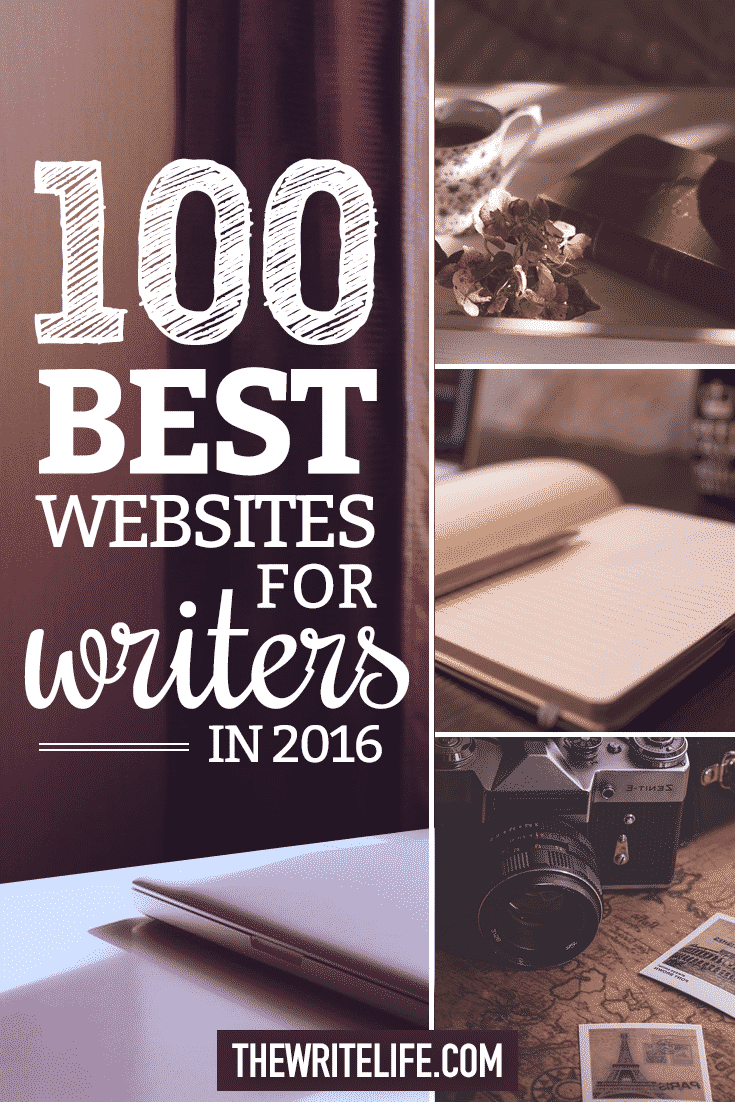
  • The 100 Best Websites for Writers in 2016

    The 100 Best Websites for Writers in 2016

    Editor’s note: Looking for our most updated list of best writing websites? Here’s our list for 2021.

    Internet overwhelm is real, guys. How many unread articles and blog posts do you have in your RSS reader? And what about those Facebook and Twitter feeds?

    How do we keep track of it all? As writers, we want to keep up with the latest industry news, advice and opportunities, but we don’t have time to sift through everything happening in the online world.

    That’s why we created this year’s list of the 100 Best Websites for Writers. Thanks to your suggestions, you’ve helped us curate hundreds of websites to bring you the best of the best. Many are tried-and-true favorites previously featured in our 2014 and 2015 lists, and we’re excited to have dozens of newcomers to showcase this year.

    No matter what you want to accomplish in 2016, we’re sure you’ll find quality inspiration and resources.

    We’ve broken this year’s list into seven categories: Blogging, entrepreneurship, creativity and craft, freelancing, marketing, publishing, and writing communities. All sites are listed in alphabetical order within their categories, and the numbers are for easy tracking (not ranking).

    And if you’re looking to keep up with these sites on a daily basis, here’s an easy way to do that: we’ve compiled a Twitter list of all the websites in this post. Click here to subscribe via Twitter.

    Warning: this list may inspire you to start your own website! If you want to start your own website or blog, here’s our step-by-step guide.

    Sit back and explore. Cheers to the amazing resources you’ve helped us collect!

    blogging

    1. Be a Freelance Blogger

    Sophie Lizard is here to teach you how to take your freelance blogging skills to pro level. Through her blog posts, free community and jobs board, you’ll be able to increase your blogging income and become an expert in your niche.

    Post you’ll like: The Batman vs. Superman Guide to Freelance Blogging

    2. Beyond Your Blog

    Are you working to grow your blog audience? Beyond Your Blog provides practical tips and resources for getting published on other blogs and and in digital publications, so you can tap into new groups of engaged fans.

    Post you’ll like:  8 Things to Avoid When Pitching a Website or Print Publication

    3. Boost Blog Traffic

    In the big blogosphere, it’s hard to stand out and let your voice be heard over the noise. Jon Morrow and the Boost Blog Traffic team offer a wealth of resources to increase traffic to your site and build community — without sacrificing quality content.

    Post you’ll like: The Ultimate Guide to Writing Irresistible Subheads

    4. Copyblogger

    Take your content marketing, SEO and community building skills to the next level with Copyblogger’s library of free ebooks, blog posts, forums and more. It’s a leading resource for professional blogging from the creators of the Rainmaker Platform for digital marketing.

    Post you’ll like: 10 Content Marketing Goals Worth Pursuing

    5. ProBlogger

    It’s a trustworthy blog about how to blog. Founder Darren Rowse and the ProBlogger team bring you all the latest news and tips to build a better blog. This site offers extensive resources on how to monetize your blog as well as a job board constantly updated with new opportunities.

    Post you’ll like: 10 Simple Hacks That Will Increase Your Blog Traffic

    6. Sark e-Media

    With practical and motivational articles and a free 30-day blogging challenge, Sarah and Kevin Arrow help bloggers gain confidence in their writing so they can get the recognition and reach they deserve.

    7. The Daily Post

    You’ve picked out a website name, a theme, and have your WordPress site all set up — now what? At The Daily Post, the WordPress team helps you navigate your growth as a professional writer, with daily writing prompts, interviews with successful bloggers, writing and photo challenges, and WordPress tips.

    Post you’ll like: Writing About Books, Movies, Music: Quick Tips

    creativityandcraft

    8. Aerogramme Writers’ Studio

    Aerogramme Writers’ Studio keeps you up to date on writing news and opportunities, including contests, calls for submission, and MFA programs. The blog also contains tons of articles on the art of writing.

    Post you’ll like: Who Is Your Boo Radley? Finding Characters Who Motivate You To Write

    9. Ann Kroeker

    Author and writing coach Ann Kroeker is on a mission to help writers reach their goals by maximizing curiosity, creativity and productivity. Her website is home to numerous blog posts, podcasts and resources for writers.

    Post you’ll like: Write in the Middle of Traveling

    10. A Writer’s Path

    Author Ryan Lanz’s website is a wealth of information for aspiring authors. His blog features frequent guest posts, and his Writer’s Toolbox is constantly updated with his favorite picks for websites, blogs, music, apps and people.

    11. Bane of Your Resistance

    Using research in the creative process and neuroscience, Rosanne Bane takes on the big issue of writing resistance in all its forms: writer’s block, procrastination, perfectionism and more. Her weekly posts offer science-backed fixes to common problems for writers.

    Post you’ll like: Momentum Beats Writer’s Block Every Day

    12. Brain Pickings

    Maria Popova created Brain Pickings to document her intellectual, creative and spiritual growth. It’s an exploration into the brilliant discoveries of different disciplines, and how we can “cross-pollinate” these ideas to move us forward in creative thinking.

    Post you’ll like: How to Save Your Soul: Willa Cather on Productivity vs. Creativity, Selling Out, and the Life-Changing Advice That Made Her a Writer

    13. C. S. Lakin’s Live Write Thrive

    Author, editor and writing coach C. S. Lakin loves helping writers get their manuscripts ready for publication. On Live Write Thrive, she writes about proper scene structure, character development, editing and crafting a fantastic story.

    Post you’ll like: 3 Things You Must Have in Your Novel’s First Paragraph

    14. Elizabeth Spann Craig

    Prolific mystery author Elizabeth Spann Craig blogs about all things relevant to a writer’s life, including public speaking, productivity, gaining visibility and connecting with the wider author community. Her weekly roundup of writing articles is also a reader favorite.

    Post you’ll like: Tracking Our Recurring Storylines

    15. Fiction University

    Janice Hardy understands that there’s no “right” way to write. So instead of giving advice on what writers should be doing, she explains how you can make industry rules work for you. With new articles and guest columns every day, you’ll gain valuable insight into the book-writing and publishing process.

    Post you’ll like: Why We Should Do Bad Things To Our Characters

    16. Ink and Quills

    With more than 10 years of studying the craft of writing under her belt, Kaitlin Hillerich created Ink and Quills to help other writers reach their novel-writing goals and tell beautiful stories. With blog posts, worksheets, ebooks and courses, there’s tons to explore.

    Post you’ll like: How to Create Life-like Characters in 6 Steps

    17. Inky Girl

    Inky Girl is the place for children’s book writers and illustrators. Debbie Ridpath Ohi shares original comics, interviews with industry experts, and advice on telling unique stories. Her series on writing picture books is a reader favorite.

    Post you’ll like: Why Picture Books Are Important

    18. KidLit411

    KidLit411 is the ultimate place for children’s writers and illustrators. Founders Elaine Kearns and Sylvia Liu curate the latest in the industry, including new blogs, conferences, awards, writing challenges, publishing resources. They also post weekly author and illustrator interviews and have a thriving facebook community.

    Post you’ll like: The Weekly 411

    19. Live Write Breathe

    Live with passion, write well, and remember to breathe. These are the core principles of author Janalyn Voigt’s site, where she reminds aspiring authors that only when we lead a passionate life can we properly fuel our writing and succeed.

    Post you’ll like: How to Make Time to Write a Novel

    20. Positive Writer

    In the pursuit of creating work that matters, all writers get stuck from time to time. Doubts can creep in, and it’s sometimes hard to get back on track. Bryan Hutchinson offers motivating blog posts to help you move beyond writing paralysis and finish the work you set out to create.

    Post you’ll like: The Audacity to Be a Writer

    21. ProWritingAid

    The ProWritingAid blog is all about transforming good writing into great writing. From grammar tips, writing techniques, and software recommendations, this blog is a great resource if you’re looking to polish your prose.

    Post you’ll like: 5 Tricks for Writing Fast Without Losing Quality

    22. Script

    For more than 15 years, Script has been the top place to go for inside information on writing for film and television. With how-to articles, interviews, podcasts, influencer columns, webinars, courses and resource directories, you’ll find everything you need to keep up with the industry.

    Post you’ll like: Choosing Projects: Which Screenplay Should I Write Next?

    23. Susan Dennard

    In her blog and newsletter, author Susan Dennard shares her secrets: from planning your novel and  maximizing productivity, to facing writing fears and getting published.

    Post you’ll like: Maintaining Passion for a Story

    24. The Write Practice

    The number one thing all successful writers have in common? Practice. At The Write Practice, Joe Bunting and his team help you develop your writing rhythm and grow into your voice and identity as a writer.

    Post you’ll like: 10 Secrets to Write Better Stories

    25. Witty Title Here

    Witty Title Here is the blog “For female writers who give a damn,” offering writing advice, inspiration, writer spotlights, and more — all with a feminist twist. This site also publishes reader-submitted pieces and is a great place for writers who are just starting out and finding their voice.  

    26. Write or Die

    Writer Mandy Wallace believes that when it comes to writing, don’t wait to become inspired or for luck to strike. Just “Show up, shut up, and write,” and sooner or later it will all come together. Wallace’s blog documents the writing lessons she’s learned and offers practical guides for upgrading your own writing.

    Post you’ll like: Where to Find Story Ideas So Good, They Practically Write Themselves

    27. Writers Helping Writers

    Authors Angela Ackerman and Becca Puglisi are dedicated to creating one-of-a-kind resources that writers will actually use. Their books and blog posts focus on helping writers become better storytellers, and their One Stop For Writers library is teeming with tools for planning, researching and writing your book.

    Post you’ll like: The Subtle Knife: Writing Characters Readers Trust But Shouldn’t

    28. Writers In The Storm

    Just like their characters during perilous times, writers must weather the storm of their profession — and shifting industry tides. Run by a group of authors, the Writers In The Storm blog provides inspiration and tips for writers during all stages of the process.

    Post you’ll like: Honey, I Broke the Writing Process

    29. Writer Unboxed

    Frustrated their analytical articles about books and movies were rejected, founders Therese Walsh and Kathleen Bolton decided to create Writer Unboxed in 2006 so they could freely publish their observations. It has since grown into a thriving community where writers of all levels can contribute their thoughts on the craft of writing.

    Post you’ll like: Creative Work is Performance. Assess Your Creative Health Now.

    30. Write to Done

    Write to Done is all about learning to write well. Founder Mary Jaksch brings the age-old advice to keep writing to a whole new level, noting that it’s not practice that makes you a better writer — it’s practice directed in a positive way.

    Post you’ll like: 201 Ways to Arouse Your Creativity  
    100best2016

    entrepreneurship

    31. Author Media

    A writer’s website should be robust enough to support their growing online platform, but also simple to use. The team at Author Media is made of web designers, coders, and social media managers who share tips, resources, and plug-ins for fantastic author websites.

    Post you’ll like: 7 Ways Author Websites Irritate Readers (And What to Do About It)

    32. High-Income Business Writing

    In the High-Income Business Writing podcast and blog, Ed Gandia brings you everything you need to know about building a successful career in commercial writing. With over a decade of experience, he lets you in on the strategies and secrets of various  industries so you can find great clients and command top fees.

    Post you’ll like: Why You Should Start a Newsletter (and How to Keep it From Being a Drag)

    33. Men with Pens

    In the world of business, content is king — and that means your content creation, blogging, and online marketing have to be on point. Men with Pens, led by James Chartrand, has over 1,000 blog posts to help with all your content marketing, website-writing and small-business needs.

    Post you’ll like: 7 Simple Ways to Write a List Post That Gets Read

    34. Paid to Exist

    Jonathan Mead at Paid to Exist believes you can and should get paid for doing the things you’re passionate about. His blog, training programs and resource “backpack” can help you create a career you love on your own terms.

    Post you’ll like: Why quitting your job won’t solve all your problems

    35. Penelope Trunk

    Penelope Trunk has founded four startups, and she knows a thing or two around building community. Read her blog for life advice, career advice, and everything inbetween.

    Post you’ll like: How to pick a career you’ll like

    36. Productive Flourishing

    Productive Flourishing is the place for “doers,” the people who are ready to use their creative talents to help themselves and the world around them. At Productive Flourishing, you’ll learn about the new world of work and how to thrive in it.

    Post you’ll like: Clarity, Commitment, and Community: The 3Cs of Successful Thought Leaders

    37. Riskology

    To be a great entrepreneur and make your mark in this world, you have to be able to own who you are and believe in yourself. The team at Riskology presents science-backed strategies for embracing who you are and going for your goals.

    Post you’ll like: Law of Equal Effort: How to Do Big Things Without Burning Out

    38. Seth Godin

    Seth Godin’s daily bits of wisdom on business, marketing and life help you approach your work in new ways. His posts never fail to  inspire an energy to “Go, make something happen.” No matter your industry, Godin’s blog is not to be overlooked.

    Post you’ll like: Pumpkin Seeds

    39. Side Hustle Nation

    At Side Hustle Nation, you’ll learn how to take your tiny entrepreneurial streak and propel yourself to full financial freedom. Nick Loper’s blog and podcast spotlight different types of side gigs, along with case studies to fuel your business savvy.

    Post you’ll like: 5 Steps to Turn a Hobby Into a Business

    40. The Creative Penn

    Author Joanna Penn has built a best-selling writing career, and she wants to help you do it, too. Her site has a wealth of resources on self-publishing and platform-building — from her articles and ebooks to her popular podcast library of author interviews.

    Post you’ll like: Social Media Tips for Writers with Frances Caballo

    41. The Identity

    At The Identity, Lis Dingjan and her team help entrepreneurs build beautiful websites, courses, applications and systems. Her blog is an archive of her thoughts about system development, creativity, entrepreneurship, marketing, and going for your goals.

    Post you’ll like: The Thing About Money

    42. Untamed Writing

    “Your life is YOUR life. You should be able to do whatever you want with it.” So says Karen Marston, founder of Untamed Writing, her internet home for helping people build a freelance writing career they love without having to sacrifice their freedom. Here you’ll find a full archive of blog posts, resources, and courses to develop your writing skills, fearlessly approach clients, and maintain a successful career.

    43. Writing Happiness

    You have a great online business and an active blog. Now it’s time to up the ante and create some digital products. Look no further than Marya Jan’s website for guidance on creating ebooks and online courses.

    Post you’ll like: How to make sure your ebook will sell before you write a single word

    100best2016pinterest - 1

    freelancing

    44. About Freelance Writing

    This site lives up to its name, with hundreds of practical posts on how to market your skills, price your projects, and deal with the nitty-gritty aspects of a freelance business. Around for more than  a decade, About Freelance Writing is a tried and true favorite for many writers.

    45. Comps & Calls

    On the first of each month, Cathy Bryant posts an extensive list of competitions, contests and calls for submission. She notes whether they’re paid or not, for quick skimming. This site is a great one-stop-shop for all recent writing opportunities.

    Post you’ll like: Comps and Calls for January 2016  

    46. Freelancer FAQs

    You have questions, they have answers. Team members and  guest contributors at Freelancer FAQs address all the things you’ve ever wanted to know about freelance life, including marketing, getting started, recommended resources, money management and more.

    Post you’ll like: How Does a Freelance Writer Stay Organized When They’re Too Busy?

    47. Freelancers Union

    You live to write, but remember that as a freelancer, you’re also an independent business owner. This means dealing with contracts, handling your own health insurance, figuring out taxes and more. The Freelancers Union is the major hub for everything having to do with living a great freelancer life.

    48. Freelance Writers Academy

    The founders of Freelance Writers Academy say enough is enough when it comes to low wages and content mills. In this community of freelancers helping freelancers, you’ll find valuable advice and resources for freelance business building as well as employment leads.

    Post you’ll like: 13 Worthwhile Hobbies That’ll Make You Better At Brainstorming Freelance Writing Topics

    49. Freelance Writing

    It’s been around since 1997 and is still going strong: Freelance Writing has an extensive archive of articles, tutorials, media and resources all geared to helping you build a successful career. Its jobs listings are updated daily, so you’re always in the know about new opportunities.

    Post you’ll like: 6 Freelance Writing Niches That Are Often Overlooked

    50. Freelance Writing Jobs

    With a job board updated daily and more than eight years of freelance writing and blogging tips, this site is a favorite for writers all over the world. It’s regularly updated with all the latest trends and resources freelancers should know about.

    Post you’ll like: How to Engage a Reader When you are Writing About a Boring Topic

    51. FundsforWriters

    Hope Clark believes writing can be a realistic career for all writers. Her weekly newsletter lists the best competitions, grants and other well-paying markets, and her platform has grown to include a blog and a bi-weekly paid newsletter with even more high-paying opportunities per issue.

    Post you’ll like: No Room for Snark

    52. LittleZotz Writing

    Lauren Tharp has found a way to write as a freelancer full time and is dedicated to helping other writers do the same. With bi-monthly newsletters and blog posts along with a brand new podcast, LittleZotz is a great source of practical tips for your freelance life.

    Post you’ll like: 12 Common Freelance Writer Mistakes

    53. Make a Living Writing

    At Make a Living Writing, Carol Tice is dedicated to helping writers move up from low-paying marketings and start earning more from their work. With her blog, ebooks, and paid community, you’ll find awesome advice, support and resources to grow as a freelance writer.

    Post you’ll like: How I Made 6 Figures as a Freelance Writer

    54. Productive Writers

    As a full-time freelance writer, John Soares loves what he does. But he’s also interested in getting the most out of life and not having to work around the clock. At Productive Writers, he shares strategies to help freelancers get high-paying gigs, finish them quickly and get back to life.

    Post you’ll like: 8 Simple Steps to Writing Faster

    55. The International Freelancer

    Freelancing isn’t the same everywhere in the world. Mridu Khullar Relph created The International Freelancer to provide targeted advice and resources to freelancers who work outside of the U.S. and U.K. This community is also a great source of support for U.S.-based writers looking to break into the global market.  

    Post you’ll like: The Nuts and Bolts of Turning a Story Idea Into a Query

    56. The Middle Finger Project

    Above all else in your freelance career, you want to build a business that feels good, is fun, and is totally you. Ash Ambirge provides an entertaining (and often NSFW) take on being fearless in your business ventures and dealing with the hard stuff in a bada** way.

    Post you’ll like: Business Lacking Direction? Start With the Money

    57. The Renegade Writer

    We often think that to be successful, we have to follow the rules and play the game. At the Renegade Writer, Linda Formichelli offers advice on breaking into the world of writing by breaking the rules. If you’re looking to build a freelance writing career on your own terms, this is the site for you.

    Post you’ll like: How to Work Less and Earn More as a Freelance Writer

    58. Winning Writers

    Winning Writers is a go-to source for information about contests for poets and writers. It sponsors four annual contests and keeps tabs on many other writing competitions. Subscription

    Subscribe for free to gain access to Winning Writers’ database of writing contests.

    marketing

    59. Build Book Buzz

    When it comes to book publicity and marketing, you can definitely DIY it. Author and public-relations star Sandra Beckwith provides articles, training programs and other resources that help take the guesswork out of book marketing.

    Post you’ll like: Put Your Fictional Characters on Social Media

    60. Giving Voice to Your Story

    We all have a story — a key message we want to share with the world. Through her blog and corresponding radio show, Dorit Sasson helps writers, entrepreneurs and thought leaders build a trusting relationship with their audience so they can share their message and reach new levels of success.

    Post you’ll like: How Blogging Connects Authors with their Target Readers

    61. Jessica Lawlor

    Don’t let low confidence get in the way of your marketing success. Join Jessica Lawlor and the #GetGutsy community to find inspiration and tips on how to step outside your comfort zone and go for your goals.

    Post you’ll like: A Reverse To-Do List: What What You Say NO to Matters More Than You Think

    62. Kikolani

    Founder Kristi Hines  brings you the latest strategies, trends and how-tos in digital marketing. Kikolani is a must-have resource for business and professional bloggers who want to make their brands stand out.

    63. Michael Hyatt / Full Focus

    Michael Hyatt is the bestselling author of Platform: Get Noticed in a Noisy World, and his blog will help you do just that. Read for tips and resources about personal development, productivity, leadership, influence and more.

    Post you’ll like: 5 Steps to Building a Platform When You Hate Selling Yourself

    64. Quicksprout

    Recognized as a top entrepreneur and influencer by The Wall Street Journal, Forbes, Entrepreneur, and even President Obama, Neil Patel is definitely a go-to guy for all things online marketing. He’s helped companies like Amazon and NBC increase their revenue, and his insanely useful content is sure to help your business as well.

    Post you’ll like: The Step-by-Step Guide to Creating an Audience Before Your Business Launches

    65. Shelley Hitz

    Shelley Hitz believes everyone has a message, and she’s on a mission to help you reach your target audience and build your author platform. With her blog posts, podcast, and Author Audience Academy, you’ll find tons of content on book writing, publishing, and marketing.

    Post you’ll like: How to Set Up Your Goodreads Author Profile (And Why You Should!)

    66. Social Triggers

    To be successful in business, you’ve got to be able to persuade. At Social Triggers, marketing expert Derek Halpern shares his best tips, strategies and scripts for growing your audience and making the sale. His techniques are data driven, using the latest finds in psychology and social behavior.

    Post you’ll like: How to Email Influential People — And Get Responses Fast

    67. The Story of Telling

    Bernadette Jiwa says the secret sauce to great marketing is building context and understanding between you and your audience. Read her blog if you see marketing as not just a department, but also part of a holistic — and successful — entrepreneurial experience.

    Post you’ll like: The Value of Unknowns

    publishing

    68. Author.Pub

    Getting published is hard, and it only gets more complicated with a rapidly growing and shifting industry. That’s where Author.Pub steps in: helping aspiring authors manage the overwhelm of the publishing and marketing process through blog posts, guides and directories of trusted names and companies in book publishing.

    Post you’ll like: What NOT to Say to a Literary Agent (or Editor)

    69. Bent on Books

    The Bent on Books blog is run by Jenny Bent and a team of literary agents. Every month, they share their agent “wishlist” — the types of books they are looking to represent — as well as advice on marketing, publishing, working with an agent and more.

    Post you’ll like: How to Fire Your Agent

    70. Better Novel Project

    Christine Frazier takes a scientific approach to writing a best-selling novel. She deconstructs popular books to pinpoint the common elements they share. These findings are then incorporated into the “master outline” for a better, research-backed novel.  Follow along for insights on plot, word counts and character development.

    Post you’ll like: How to Create a Remarkable Villain (Beyond the Cliches!)

    71. Blots & Plots

    Founder and author Jenny Bravo offers personal anecdotes and guidance for writers who want to take a leap into the publishing world. The blog itself reads like a story, so it’s best to start at the very beginning to watch Bravo’s own publishing process unfold.

    Post you’ll like: 5 Ways to Create Your Own Writing Space

    72. Goins, Writer

    Best-selling author Jeff Goins created his site to inspire others to awaken to their creative gifts and develop their true voices. Through his blog posts, podcasts, and newsletters you’ll get an inside peek into the life of a successful creative professional, as well as practical advice for pursuing your own art.

    Post you’ll like: The Secret to Effortless Writing

    73. Go Teen Writers

    Stephanie Morrill knows a love of writing often starts at a young age. That’s why she created Go Teen Writers: to provide encouragement, community and wisdom to aspiring teen writers who want to learn more about how to finish a novel and get it published.

    Post you’ll like: What Teen Writers Should Know About Pitching Their Book

    74. Guide to Literary Agents (Writer’s Digest)

    One of the most popular blogs in publishing, Chuck Sambuchino’s Guide to Literary Agents is the go-to place for all types of information on finding literary agents, sending query letters, building an author platform and marketing your book.

    Post you’ll like: 5 Things I Learned on Deadline

    75. Helping Writers Become Authors

    Consider K. M. Weiland your writing and publishing mentor. With hundreds of blog posts, instructional e-books, and an exclusive e-letter, her website is the perfect place to find the answers to all your burning questions. She also responds to every email she receives (really!) about writing, publishing and marketing fiction.

    Post you’ll like: My Writing Process: How I Use Scrivener to Outline My Novels

    76. How to Plan, Write and Develop a Book

    Through her blog posts, weekly writing exercises, and 12-week book development courses, Mary Carroll Moore is devoted to helping writers bring their novels to fruition so they can move forward in the publishing process.

    Post you’ll like: Where Do You Get Your Ideas? A Basic Primer of a Novelist’s Writing Process

    77. Indies Unlimited

    Indies Unlimited is an overwhelming source of writing, publishing, tools and news resources for independent authors. With thousands of blog posts and weekly features like Tuesday Tutorials and Thrifty Thursday, you’ll always be able to learn something new.

    Post you’ll like: Self-editing: A Helping Hand

    78. Jane Friedman

    Former publisher Jane Friedman explores the intersection of publishing, authorship, and the digital age. With more than 15 years in the industry, Friedman knows her stuff — and her blog is a wealth of information on how to embrace the “future of authorship.”

    Post you’ll like: 5 Observations on the Evolution of Author Business Models

    79. Jody Hedlund, Author

    Follow along on Jody Hedlund’s writing journey. Her blog is full of advice, encouragement, and inspiration about writing and surviving today’s challenging publishing industry.

    Post you’ll like: 5 Traits that Foster Publishing Success

    80. Lisa Romeo Writes

    Non-fiction and freelance writer Lisa Romeo blogs on various helpful topics, like how to reclaim your writing life, get through troublesome pieces and navigate the business of writing. Her biggest piece of advice? Write first, and read blogs second!

    Post you’ll like: Unfinished: When it Comes to Personal Stories, Aren’t They All?

    81. Literary Rambles

    At Literary Rambles, blog partners Casey McCormick and Natalie Aguirre interview and highlight children’s book authors, literary agents and agencies. Get an inside look at the world of children’s book publishing.

    Post you’ll like: Researching Literary Agents Part I

    82. Nail Your Novel

    On Nail Your Novel, bestselling ghostwriter and book doctor Roz Morris shares her best traditional and self-publishing tips as well as musings on the writing process. Be sure to check out her radio show “So You Want to Be a Writer?”

    Post you’ll like: 5 Things That Established Authors Would Tell New Writers

    83. Novel Publicity

    The team at Novel Publicity believes every story should be told, and have its own platform and loyal fans. With that core belief in mind, it provides guidance on writing, marketing and publishing. Posts cover everything from social media strategy and book design to finances and author blogging.

    84. Rachelle Gardner

    Rachelle Gardner’s website is one of the most popular literary-agent blogs. Her blog archive is a great resource for sound advice on how to find and partner with the right agent, hone your elevator pitch, write a query letter and more.

    Post you’ll like: What’s an Author-Agent Agreement?

    85. She’s Novel

    It took Kristen Kieffer two and a half years to finish her first draft — then she realized she had made every mistake in the book. She vowed not to let these personal lessons go to waste, so she created She’s Novel, a blog and resource hub that helps writers more-easily navigate the journey of crafting brilliant novels.

    86. Standoutbooks

    You’ve written your book. Now what? Standoutbooks has tons of articles, templates, tools and resource recommendations for getting your book published and marketed to the max. Be sure to grab your free Book Marketing Plan and Press Release templates.

    Post you’ll like: Understanding Cultural Trends Can Help You Write a Bestseller

    87. Terribleminds

    If you’re looking for the honest — and often hilariously vulgar — truth about writing, Chuck Wendig is your guy. He’s not afraid to say what we’re all really thinking, which makes Terribleminds the perfect place to gain some writing confidence and get back to creating.

    Post you’ll like: Writing Advice Is Bullshit

    88. The Book Deal

    Established editor and industry insider Alan Rinzler offers advice on traditional publishing, self-publishing, landing an agent, marketing and more.

    Post you’ll like: What 4 Top Agents Desire in a Memoir

    89. The Kill Zone

    At The Kill Zone, you get access to the minds of 11 top suspense writers and publishing professionals. Each day brings new blog posts and insights into publishing, marketing and the writing craft.

    Post you’ll like: 12 Tips for a Book Blog Tour

    90. The Passive Voice

    Navigating publisher and writing contracts? Want to brush up on your knowledge of intellectual property litigation? Attorney David Vandagriff offers his (sometimes snarky) musings on the legal side of the writing business.

    91. The World’s Greatest Book

    You have a fantastic manuscript, and now it’s time to make it into a beautiful book. Author, editor and graphic designer Dave Bricker offers straight talk on the book production and publishing business, with insights on book design, typography and marketing.

    Post you’ll like: Book Design Basics: Choosing a Book Font

    92. Writability

    YA writer and soon-to-be-published author Ava Jae has made Writability her internet home for five years, sharing vlogs, book reviews, writing tips and how-tos, and blog posts about her own journey to getting published.

    Post you’ll like: How to Turn an Idea into a Plot

    writingcommunities

    93. 1st 10 Pages

    First impressions count, and that rule still applies in the writing world. At 1st 10 Pages, writers can post the first 10 pages of their work, to be anonymously reviewed by established industry insiders. Submit the beginning of your novel or movie script and see if you’re hitting the mark.

    Post you’ll like: Before You Submit To That Contest

    94. Fiction Writers Group

    This Facebook group of nearly 10,000 traditional, self-published and indie authors has been around since 2009. It’s a popular source of community and camaraderie without slimy self-promotion. The community also publishes three anthologies a year.

    Check out their member guidelines here.

    95. Scribophile

    At Scribophile, you’re sure to get high quality feedback on your work. The community works on a “karma points” system, in which you spend points in order to submit your writing, and receive points when you provide exceptional critiques. Scribophile also hosts free writing contests and hosts an active forum.

    Learn more about Scribophile here.

    96. She Writes

    Over 27,000 writers of all levels of expertise have joined this buzzing community, founded by author Kamy Wicoff. At She Writes you can create your own profile, build your network, share your work, get expert advice and feedback and discuss all types of things in the forum.

    Post you’ll like: 5 Tips for Turning Your Career into a Novel

    97. Two Drops of Ink

    Two Drops of ink is a literary blog accepting submissions from writers of almost any genre. The editors also post book reviews and blog posts about writing and the publishing industry.

    Post you’ll like: Memory Lane: Memoir and Reverse Writing

    98. Wattpad

    At Wattpad, “Stories are made social.” Hailed as the world’s largest community of writers and readers, members are free to post and read original stories and engage in conversation with each other. This is a great platform to build buzz around your writing.

    Join the community here.

    99. Write On

    The Amazon Kindle platform has branched out, creating an ultimate online community for writers at any stage of the creative process. Here you can talk shop on everything having to do with writing and publishing, and you can submit your writing and ideas for reviews and feedback.

    Start on the writer’s forum.

    100. Yeah Write

    To spotlight smaller blogs, Yeah Write hosts weekly writing challenges for nonfiction, fiction and poetry, and microstories. The entire community gets to vote on the most impressive stories and discover new favorite writers.

    Check out the writing challenges of the week.

    What writing sites would you add to this list? Did we include all your favorites?

  • Beyond Books: 12 Gifts Under $25 for Book Lovers on Your Holiday List

    Beyond Books: 12 Gifts Under $25 for Book Lovers on Your Holiday List

    You probably have at least one voracious reader on your shopping list this holiday season.

    She’s the one who always has a book tucked under her arm or a Kindle in her purse. She’ll skip plans or show up late because she’s busy finishing a riveting story.

    She also seems to own every book ever published. So what do you get her for Christmas?

    A book worthy of gifting can actually be more of an expense during the holidays than you were counting on. But a gift worthy of a book lover can come in well under budget, if you’re smart about it.

    I’ll admit: I am that bookworm. Here are some fantastic gifts for readers, ones I would have loved (OK, still would probably love) to receive:

    1. Gift cards for ebooks

    Sure, a Barnes and Noble gift card seems like a given for anyone who loves reading.

    But when you want to stretch your budget, ebooks are the way to go.While a $25 gift card could cover one or two hardcover or paperback books, it could go much further buying ebooks that cost as little as 99 cents.

    Make sure you know the recipient’s preferred e-reader — if they have a NOOK, buy a gift card for NOOK books.

    Most devices can also support a Kindle reading app, so an Amazon gift card is usually a good bet for any voracious reader.

    For iPad and iPhone users, an iTunes gift card can buy ebooks in the iBooks Store. For Android users, a Google Play gift card will purchase ebooks.

    More popular with international users, the Kobo bookstore also offers gift cards at various retailers around the world.

    2. Audiobooks

    Does the reader in your life prefer listening to audiobooks? Skip books-on-tape (er, CD), and go to Audible.com.

    You can gift an Audible monthly membership, which gives the recipient one free audiobook per month, plus 30% off any additional books. But the minimum you can gift is three months, which comes with a $45 price tag.

    If you have a specific book in mind, Audible will let you gift those, as well. These tend to cost a little more than their hardcover counterparts. Harper Lee’s Go Set a Watchman, for example, is narrated by Reese Witherspoon and available on Audible for $24.49.

    3. Bookmarks

    Any reader will tell you she’s constantly digging for a bookmark. Mine usually ends up being some corner torn out of a nearby notebook I had to scramble to find.

    Bookmarks aren’t the kind of thing we like spending money on. But we love to get them as gifts.

    Grab a few with clever sayings that speak to your resident reader’s personality — like this one that reads, “Keep Calm and Read On.”

    I also love this fingerprint bookmark from Fred & Friends that helps you keep your place within the page!

    4. Book light

    Paper books don’t come with the built-in light you get in an e-reader. That leaves us trying to balance courtesy on a flight, in bed or on a bus at night with the insatiable need to read just a little more…

    With the resurgence in popularity of “real” books over ebooks recently, it stands to reason your bookish friends may be in need of a book light for the first time in years.

    The most popular book lights on Amazon sell for less than $20. Look for something lightweight, with an LED bulb for longevity and a flexible gooseneck.

    5. Typography art

    You know those memes your friend is always sharing on social media? Now she can hang them on her wall!

    Nab one of these Jane Austen quotes from SpoonLily Design Company on Etsy for $14.99 plus shipping. They’ll make a nice fit for decorating a home office, library or classroom.

    For an even better price, download printable art and print it on matte photo paper to create a DIY poster.

    6. Bookends

    Another adorable addition to a home library or office, bookends are a fun way to personalize a basic storage solution.

    As a gift, they’re a cool way for you to show the recipient how well you know him — whether you tap into his affinity for owls, cats or something more classic.

    7. Floating bookshelf

    Wall-mounted bookshelves can be as decorative as they are functional. And you can find beautiful ones at pretty low prices.

    I’m personally fascinated by invisible bookshelves that make a stack of books look like it’s floating against the wall. For the minimalist on your list, “invisible” is about as minimalist as design can get!

    For a little more style, you could pick up this set of three plain white shelves for $16, or three walnut-finish U-shaped shelves for $19.95.

    8. Hands-free book stand

    Make someone’s life easier with this simple utility. Get a pretty wooden, adjustable, foldable reading stand for $14.99.

    Or, pick up this universal book stand a reader can use for books, cookbooks, e-readers or tablets for only $24.95.

    9. Coffee mugs

    Books and coffee go hand in hand. What’s cozier, especially as winter grows colder, than curling up with a good book and a warm cup of coffee (or tea)?

    And truly, a coffee drinker can never have too many mugs!

    Pick up affordable bookish mugs as stocking stuffers, teacher gifts or for the office Secret Santa. I love this one that simply states, “Reading is Sexy” — made from 100% biodegradable corn plastic.
    Or, go with another classic pair: readers and cats. Get a “Cats, Books and Coffee” mug on Etsy for $12.95.

    10. Throw pillows and blanket

    A good book, a warm cup of coffee and… What’s missing?

    Cozy up a book lover’s living room or study with a comfy throw pillow and blanket.

    Pick up a pillowcase with your favorite literary quotes plus the pillow inside, about $10 for the pair.

    Add a personalized fleece throw blanket for $12.99 — complete the picturesque scene, all for under $25!

    11. Sticky notes and tabs

    Another option for stocking stuffers or basket fillers, sticky pads and tabs are nice for a reader to have around.

    In those print books we can’t highlight with a swipe of a finger, these ancient relics help us remember passages we want to return to again and again. They’re also great, of course, for students and teachers to take notes as they read.

    So, why not make them as pretty as they are useful?

    Get this Van Gogh set for $5.99 or this cool set for teachers for $10.95.

    12. Forgotten English daily calendar

    This geeky desk calendar will excite any lit lover in your family or circle of friends.

    More than a typical word-a-day calendar, for under $10, this one supplies the definitions and origins of long-forgotten words of the English language.

    Is that reader on your list not so into classic literature? Try the Urban Dictionary Day to Day Calendar instead — $10.16 at Amazon.

    Your Turn: Are there book lovers on your Christmas shopping list? What are you buying for them this year?

    This post originally appeared on The Penny Hoarder

    This post contains affiliate links. That means if you purchase through our links, you’re supporting The Write Life — and we thank you for that!

  • Writing for the Web: 4 Ways to Step Up Your Game as a New Blogger

    Writing for the Web: 4 Ways to Step Up Your Game as a New Blogger

    This post is sponsored by Start Blogging Online, your resource for building a blog, generating traffic, creating passive income, and more!

    As most regular bloggers will tell you, writing for the web is an utterly different beast than writing for a magazine or newspaper.

    It takes a certain ability to catch a reader’s eye and, in 1000 words or less, tell them everything they need to know about a subject. Your piece has to be entertaining or thoroughly useful to hold readers’ full attention in a sea full of other articles attempting to do exactly the same thing.

    A year ago, I had never considered the idea of writing for the web; without a well-timed suggestion from a friend I probably never would have. Since then, I’ve gained an appreciation for the skill and have even had experienced small successes getting published.

    Here are a few of the major tips and tricks I picked up along my online writing journey.

    1. Write about what you know

    This seems like a no-brainer, but it can be extremely easy to get too focused on pitching the best piece for a website and lose sight of your piece.

    Yes, it’s important to choose topics related to the overarching niche of the website, but try to avoid situations that involve writing about a topic you’re not interested in.

    Writing is best when the author cares, and becomes even better when there is passion behind the words.

    A good rule of thumb is to never publish a piece you wouldn’t put your real name or regular pseudonym on.

    If you find yourself writing an article based around ideals you don’t actually support or facts you don’t believe in, it will never turn out as well as it could have. Find a way to make your work something you can defend.

    2. Learn how Google (and other search engines) work

    When I started writing for online outlets, I had no idea how Google, or any other search engine for that matter, worked. I had never given any critical thought to how search engines are able to index the majority of the internet and categorize it in a way that boosts user experience. The whole process is actually extremely sophisticated.

    Understanding a bit about how search engines work is instrumental in making sure the pieces you write get seen by your target audience. Making small adjustments to title tags and phrasing to make articles easier to find can make all the difference in gaining authority as an internet writer.

    Although Google is the largest search engine and makes up more searches than all other engines combined, it’s important to understand the slight differences between search engines so you work can rank highly in no matter which search engine a potential reader uses.

    3. Pitch something straightforward

    Editors are busy people who receive hundreds of emails full of amazing pitches just like yours every day.

    In my experience, they aren’t interested in being flattered or reading personal anecdotes about how you relate to their blog; editors want to know what you’ve got to offer as quickly as possible. For most sites, a two to three sentence outline of what you want to write about, why it’s important, and why you’re the person to write it is sufficient.

    The style of the pitch also plays a key role in getting responses. For instance, unless an editor has a dogged ability to read hundreds of emails in order from oldest to newest, he or she is going to click on the attention grabbing headlines first.

    If you have an attention-grabbing working title, use it as the email header to pique an editor’s curiosity before they even open your message.

    Finally, never apologize or use apologetic language in your pitch emails. This language gives editors an easy way to reject your piece without seeing a draft, especially if they are on the fence. Confidence is key; remember that you are the one offering them a service by writing for their outlet.

    4. Always, always follow through

    When you do get a response from an editor, don’t slack off. You’re in, but you still have to prove yourself.

    Produce a quality piece in a timely manner (two weeks max unless otherwise specified), send follow-up emails, and say “thank you.”

    If and when you do get editor feedback, always be appreciative and take their suggestions seriously. Building relationships is essential for online writing and it never pays to burn a bridge when taking five minutes to write an email would have helped.  

    When your article is finally published, show that you are an engaged contributor. Share your work as much as possible on social media. Respond to any comments you receive in a positive and appealing way.

    Proving that you are both easy to work with and involved with the blog’s reader base is a great way to build relationships and score regular contributor status.  

    Writing for the internet can be tricky,  and sometimes just feels frustrating. Whether you’re just starting out or are a veteran, always remember that you have a perspective and style that readers value. Taking the time to write about topics you care about, understand aspects of search engines, pitch great ideas to editors, and following up on feedback are major steps to make sure your words are read and enjoyed againand a gain.

    What other tips do you have for writing for online outlets?

  • Tracking Freelance Earnings: July Income Report From Nicole Dieker

    Tracking Freelance Earnings: July Income Report From Nicole Dieker

    Hi! If you’re new to this column: I track my freelance income every month and share it with all of you. This is my third year of public income tracking, and my first year sharing my income with The Write Life.

    Do you ever think about your writing legacy? What you want to give the world, in addition to all of your paid freelancing assignments?

    This month, I took a look at my goals and started using Patreon to help me achieve a personal writing dream.

    But first, the monthly roundup:

    Completed Pieces: 72

    Work Billed: $5,034.50

    Earnings Received: $5,239.17

    Last month, I got a big new client and earned $5,808. This month wasn’t quite as profitable as the last. I earned $800 less than I did in June, writing 53,600 words with an average per-piece earning of $69.

    The one big gain that carried over from June was my new dollar-a-word client. This meant that although July’s lowest-paying piece was still $35, the highest-paying piece was $882.

    I also have a confession to make: in June, I reported writing 50 pieces, because that was the number that appeared at the bottom of my freelancing spreadsheet (which I describe in more detail in April’s income report). When I add new work to my freelancing spreadsheet, I hit “insert row” and, usually, the sum function in the cell below adds this row to its tally. However, there was an error in the function and several rows weren’t included in the sum. The actual June writing count is 76 pieces.

    I have now added “double-check all spreadsheet sum functions” to my end-of-month processes. I have a lot of these types of checks written for myself to help me improve my work, from “double-check all name spellings” to “AP style update: write out state names.” I often put a sticky note right on my laptop, if I make the same error repeatedly.

    What about you? Do you have a system for tracking your mistakes and preventing them in the future?

    Freelancing is not a roller coaster that only goes up

    In John Green’s The Fault in Our Stars, Augustus Waters quips, “I’m on a roller coaster that only goes up.” The joke, of course, is that no roller coaster (or life) only goes up; at some point, you have to go down again.

    Freelancing is the same way. You have to be prepared for down months, even if your freelance career has an overall upward trajectory.

    One of the reasons I earned less in July was because I took a week “off” to travel to Los Angeles and San Diego and put on a show with some of my friends. I read short fiction, there was music and I got to do a live interview with Bobak Ferdowsi (aka NASA’s “Mohawk Guy”).

    I put the word “off” in quotes because I continued to complete freelance work as I traveled, but I focused my efforts on shorter posts that did not require a lot of research and could be completed in an hour. And yes, that showed up in my earnings. Traveling always means taking an income hit, even if you work on the plane.

    I’m going to take some more time “off” in August, to be a guest at a convention called Intervention that focuses on online creativity and collaboration. This is the sixth year I’ve been an Intervention guest, and every year I grow my career by attending the convention — and, I hope, help other people grow theirs.

    Attending this event also means that I only expect to earn a little over $5,000 in August. Even though I’ll be turning in freelance pieces as I travel, I know I’ll lose money because of this trip. I’ve already had to turn down one assignment because I knew I couldn’t complete it while attending the convention. That won’t affect my relationship with this client — I’ve never had a client react negatively to my turning down an assignment — but it will affect my bottom line.

    However, experiences like Intervention tend to open up opportunities I could never get by staying home. I was introduced to Boing Boing founder Mark Frauenfelder at Intervention 2013, for example, and began writing for Boing Boing soon afterwards. That type of connection is worth much more than any single freelance writing assignment.

    Borrowing from the roller-coaster metaphor again: I am happy to take occasional income hits if it means getting to meet new editors or interview NASA engineers in front of a packed audience. The income line may go down, but the opportunities give my career the momentum it needs to climb the next hill.

    Working fewer hours, but keeping Overflow Night

    In March, I tracked my freelance hours for all of you and discovered that I had a 50-hour workweek.

    In July, I tracked my hours again; this time, I had a 40-hour workweek. This has been pretty consistent for the past month, and I am very happy to get my evenings back.

    What’s changed? Well, last month I wrote about tweaking my routine to get up — and out of my pajamas — earlier. Waking up earlier makes me more efficient throughout the day, and it also helps me end my workday earlier.

    I bet you night owls are shaking your heads right now, so let me just say this: it isn’t about when you wake up. It’s about figuring out what schedule works for you, and removing the roadblocks from your workday.

    In my case, I needed to remove the huge roadblock of staying in my pajamas until 1 or 2 p.m. and then stopping my workflow to take care of the business of showering and getting dressed. Now, I get to use that time for writing.

    Lastly, just so you don’t think I am a magic freelancer who always quits working at 5:30 p.m.: I still have the occasional “Overflow Night” where I sit down with all of my unfinished tasks and power through until 10 or 11 p.m. It’s inescapable, no matter how efficient I am. How about you?

    Thinking about my writing legacy, and starting a Patreon

    I’ve been thinking a lot about my writing legacy — that is, the body of work I hope to complete over the course of my career.

    Since I write primarily for online news sites and blogs, nearly everything I write is designed to be read and digested quickly. According to my Contently profile, I’ve written over 900 stories for 32 different publications — and only a small percentage of those stories are still read today.

    So I decided to write a bigger story. At the end of July, I launched a Patreon to fund the writing of my novel The Biographies of Ordinary People.

    This is a novel I’ve been thinking about and drafting for years. You can read the first three chapters, and I’m making the entire novel available for free online as I write it. The crowdfunding part helps pay for the cost of writing the novel, since every hour I spend on the book is an hour I can’t spend on freelance client work, and to see if there’s an audience to support this story.

    After all, writing is about sharing stories with a supportive and interested audience, whether you’re writing books or blog posts. I hope that people connect with this novel, and that it becomes something I can include as part of my long-term body of written work.

    What about you? At the end of your career, what do you hope to have completed? Are you taking steps to get there? I look forward to reading your thoughts and stories in the comments.

    What are your long-term writing goals? What do you do when you have a down month, and how do you keep moving forward? How do you identify — and fix — mistakes and roadblocks?