Category: Uncategorized

  • 4 Types of Article Templates to Help You Write More Efficiently

    4 Types of Article Templates to Help You Write More Efficiently

    Would you consider yourself a pantser or a planner? No matter what you write, there are those who approach their projects with a plan, and those who prefer flying the seat of their pants. Most writers are somewhere in between. They like knowing where they’re heading, and would rather not have another staredown with the blank page. This is where the article template comes in.

    Article templates are especially suited for freelance writers, bloggers or journalists who write articles, rather than those who are writing book-length works. (But if you’re looking for a book outline template, check out this resource.) 

    How to use an article template

    Before we get into types of article templates you can use for your next project, I want to talk about how I prepared this article using a template. This is not to say there is a right or wrong way to use templates, but rather to demonstrate one way an article can come together using this type of tool.

    I began by doing research on my topic by looking at articles I’ve already written (I found this one on writing outlines), as well as articles that were already available on The Write Life (like this one about freelance writing templates). I asked myself, what can I add to round out this topic better?

    Here’s what I decided to focus on for a new post on article templates: provide a breakdown of a few different article templates you’ll need as a freelance writer.

    Next, I looked at other articles on this topic for inspiration, did keyword research and also thought through what were the most valuable templates in my experience.

    I settled on four types: 

    • Blog article template
    • Magazine feature article template
    • Newspaper article template
    • Pitch template

    Next, I took my word count and divided it into sections. I do this to help me keep the article balanced but also to make sure I stick to the brief. Breaking down the content in this way also helps me identify sections where I may have too much or not enough information early on.

    • Introduction—100 words
    • Heading one (example breakdown)—300 words
    • Heading two (blog)—125 words
    • Heading three (magazine)—125 words
    • Heading four (newspaper)—125 words
    • Heading five (pitch)—125 words
    • Conclusion—50 words

    After I plug in my headings I fill in some details of what I want to cover in each section. This is freewriting with some direction, and key takeaways I want readers to have.

    Blog article template

    There are many types of blog posts and they all follow slightly different templates, so for the sake of brevity we’ll stick to the list post example. If you want to go deeper into blog templates then here are a couple resources: Ahrefs and Backlinko.

    The list post

    In a list post, here are the elements to plan for:

    • Headline (include the number of items in your list)
    • Introduction (establish the benefit of reading your article)
    • List items (identify these with headers)
    • Short paragraphs (outline the benefits of each list item)
    • Conclusion

    When writing a list post, the most important thing is to keep the post skimmable and easy to absorb. People aren’t coming to read an essay, they’re looking to solve a problem quickly.

    Magazine feature article template

    Writing feature articles can be trickier than a list blog post, because these are written to tell a story and weave together several interviews, combining narrative and facts. 

    In general, you have to complete your interviews before you can plan your article. This is because feature articles are built around quotes and it’s often a puzzle to get these pieces together. However, having an article template structure is helpful.

    Here’s a basic structure to follow

    • Headline
    • Secondary headline
    • Introduction (controlling idea)
    • Body (the main article expanding from the controlling idea into subtopics)
    • Conclusion

    Feature articles are written in a personal tone and they utilize writing devices such as imagery and description. To go deeper on feature articles, here’s an interesting breakdown from The Freelancer’s Year.

    Newspaper article template

    If you’ve been to journalism school then you are familiar with the inverted pyramid. It’s called this because you picture the story like an upside down triangle. The facts come first, and you include less important and smaller details as you write.

    How to write in the inverted pyramid style

    • Choose a descriptive headline
    • Lede should be the main point (the reader should know the whole story after reading the first paragraph)
    • Summarize the key points
    • Add story details and supporting information in order of importance
    • Cut any unnecessary information or details
    • Use straightforward language and short paragraphs

    This is a story structure, which places the most important information first. Within a paragraph or two, the who, what, where, why and how are answered.

    Article pitch template

    If you’re a freelance writer, there’s a good chance pitching article ideas is a part of your everyday life. So the question is, how do you craft a pitch that will stand out above the noise? Using a pitch template can help you focus on the most important details and stay focused on what editors need to know.

    Basic pitch outline

    • Subject line (this will be sent by email, follow the publication guidelines and get to the point quickly)
    • Salutation
    • Introduction paragraph (include your suggested article headline and your connection with the publication)
    • The pitch paragraph (include your story and how you will tell it)
    • Bio (a bit about yourself and your qualifications)
    • Sign off (include your contact details)

    The main idea is to grab the attention of the person you’re reaching out to in a short amount of time and get that article assignment.

    Article templates are a wonderful way to get clear on your idea and draw yourself a map to follow as you put your piece together. As you get more comfortable using templates these will become more and more customized to your style and needs, and that’s a good thing.

  • Stephen King’s 23 Best Writing Tips

    Stephen King’s 23 Best Writing Tips

    If you’ve read Stephen King’s On Writing, you know what a treasure trove of writing advice it is—from mindset, to daily routines, to the nuts and bolts of structure and word choice, he covers it all.

    If you need a boost of inspiration, look no further than this list of the 23 best Stephen King quotes from On Writing.

    [sps_reusable_block post_id=43056]


    1. Your job isn’t to find ideas, but recognize them.

    “There is no Idea Dump, no Story Central, no Island of the Buried Bestsellers . . . two previously unrelated ideas come together and make something new under the sun. Your job isn’t to find these ideas but to recognize them when they show up.” 

    2. There will always be critics.

    “If you write (or paint or dance or sculpt or sing, I suppose), someone will try to make you feel lousy about it.”

    3. Don’t stop writing.

    “stopping a piece of work just because it’s hard, either emotionally or imaginatively, is a bad idea. Sometimes you have to go on when you don’t feel like it, and sometimes you’re doing good work when it feels like all you’re managing is to shovel shit from a sitting position.” 

    4. Put your desk in the corner.

    “Put your desk in the corner, and every time you sit down there to write, remind yourself why it isn’t in the middle of the room. Life isn’t a support-system for art. It’s the other way around.” 

    5. Take seriously the craft of writing.

    “I’m not asking you to come reverently or unquestioningly; I’m not asking you to be politically correct or cast aside your sense of humor (please God you have one). This isn’t a popularity contest, it’s not the moral Olympics, and it’s not church. But it’s writing, damn it, not washing the car or putting on eyeliner. If you can take it seriously, we can do business. If you can’t or won’t, it’s time for you to close the book and do something else.” 

    6. Don’t dress up your vocabulary.

    Put your vocabulary on the top shelf of your toolbox, and don’t make any conscious effort to improve it. . . . One of the really bad things you can do to your writing is to dress up the vocabulary, looking for long words because you’re maybe a little bit ashamed of your short ones. 

    “use the first word that comes to your mind, if it is appropriate and colorful.” 

    7. Avoid adverbs.

    “The adverb is not your friend. . . . I believe the road to hell is paved with adverbs.” 

    [sps_reusable_block post_id=43056]

    8. Focus on paragraphs.

    “I would argue that the paragraph, not the sentence, is the basic unit of writing.” 

    9. Don’t spend too much time researching good writing.

    “the hours we spend talking about writing is time we don’t spend actually doing it.” 

    10. Be willing to work for it.

    “If you don’t want to work your ass off, you have no business trying to write well.” 

    11. Read. A lot.

    “If you want to be a writer, you must do two things above all others: read a lot and write a lot. There’s no way around these two things that I’m aware of, no shortcut.”

    “If you don’t have time to read, you don’t have the time (or the tools) to write. Simple as that.” 

    12. Read so that you can create.

    “Reading is the creative center of a writer’s life.”

    “The real importance of reading is that it creates an ease and intimacy with the process of writing; one comes to the country of the writer with one’s papers and identification pretty much in order. Constant reading will pull you into a palace (a mind-set, if you like the phrase) where you can write eagerly and without self-consciousness. It also offers you a constantly growing knowledge of what has been done and what hasn’t, what is trite and what is fresh, what works and what just lies there dying (or dead) on the page. The more you read, the less apt you are to make a fool of yourself with your pen or word processor.” 

    13. Read widely.

    “You have to read widely, constantly refining (and redefining) your own work as you do so.” 

    14. Apply the Kondo test.

    “If there’s no joy in it, it’s just no good. It’s best to go on to some other area, where the deposits of talent may be richer and the fun quotient higher.” 

    15. Write (the first draft) quickly.

    ” I believe the first draft of a book—even a long one—should take no more than three months.” 

    16. Where you write matters.

    “The biggest aid to regular production is working in a serene atmosphere.” 

    17. Establish a concrete goal.

    “You need a concrete goal . . . The longer you keep to these basics, the easier the act of writing will become. Don’t wait for the muse.” 

    “I like to get ten pages a day, which amounts to 2,000 words.” 

    18. Show up, every day.

    “Your job is to make sure the muse knows where you’re going to be every day from nine ‘til noon or seven ‘til three. If he does know, I assure you that sooner or later he’ll start showing up, chomping his cigar and making his magic.”

     19. Tell the truth. Be brave.

    “What are you going to write about? And the equally big answer: Anything you damn well want. Anything at all . . . as long as you tell the truth.” 

    “What you know makes you unique . . . Be brave.”

    20. Cut 10%.

    “2nd draft = 1st draft – 10%” 

    “every story and novel is collapsible to some degree. If you can’t get out ten per cent of it while retaining the basic story and flavor, you’re not trying very hard.” 

    21. Confidently claim your indentity as a writer.

    “Do you need someone to make you a paper badge with the word WRITER on it before you can believe you are one? God, I hope not.” 

    22. Just start.

    “The scariest moment is always just before you start. After that, things can only get better.” 

    23. Know what it’s all about.

    “In the end, it’s about enriching the lives of those who will read your work, and enriching your own life, as well. It’s about getting up, getting well, and getting over. Getting happy, okay? Getting happy.” 

    Of course, these aren’t all the Stephen King quotes about writing. What are your favorites? Let us know in the comments.

    [sps_reusable_block post_id=43056]

  • Don’t Know What to Blog About? Here’s 52 Ideas to Steal

    Don’t Know What to Blog About? Here’s 52 Ideas to Steal

    One of the hardest parts of blogging (next to actually writing the posts, of course) is coming up with topics for content on a regular basis. It’s easy to come up with the first handful of blog post ideas, but then all of a sudden, motivation starts to disappear and coming up with them gets harder and harder.

    If you want to take blogging seriously, you’ll need a long list of content ideas to pull from. It’s a good idea to have a mix of blog posts – ones you can create in a short and long amount of time – so you can publish on a regular schedule no matter how busy you are.

    To help make this easier for you, we’ve put together a whole year worth of blog ideas so you can start getting ahead with your content.

    If you want to go the extra mile, you could also write out a few bullet points for the main topics you want each blog post to cover. That way, when you sit down to write, you already know what your main points are so you can jump right into writing.

    Knowing you have a ton of ideas to pull from can help you through the hard writing times. Let’s dive into some categories of possible posts.

    52 Blog Post Ideas

    The first blogger. Probably.

    Industry-specific blog post ideas

    For blog ideas in this category, the main idea is that you’re covering the big stories, releases, and people in your industry.

    For example, if you had a blog about the movie industry, you’d want to cover things like the Oscars, movie releases, interviews, and other important announcements or dates.

    1. Interviews with industry leaders or celebrities in your industry
    2. Upcoming events in your industry
    3. Reviews of products, places, or services
    4. Curated lists – could be your favorite resources, podcasts, books, and so on
    5. Resources that people in your industry can use
    6. An industry-specific glossary
    7. Make predictions for your industry in the upcoming year
    8. Breaking news in your industry
    9. Anything related to holidays, if it ties into your industry
    10. The history of people, places, or things in your industry
    11. Stories of how people grew in their industry
    12. Blogs that help people get into an industry

    Blog post ideas that establish your expertise

    These blogs are ideal for showing people that you know your industry well and have spent some time learning the ins and outs of how it works. These are often educational in nature and can help establish your blog as a helpful resource in your industry. It also helps build your reputation and can help you gain access to new opportunities in the future.

    1. Beginner’s guides
    2. How to guides
    3. List posts – Example: “10 reasons you should start a blog”
    4. Templates people can copy or use
    5. Tutorials on how products work
    6. 30 day challenges or other type challenges to get people started
    7. Advanced guides – these establish that you truly know what you’re talking about
    8. Mistakes you’ve made and things for people to avoid
    9. Infographics
    10. Insider tips or hacks
    11. Case studies
    12. “Cheat sheets” with your best tricks and tips

    Fun blog post ideas

    While it’s important to work hard on your blog, you don’t always have to take it so seriously. Every now and then, you should show your personality and write something that will build a connection and let people get to know you.

    These are often great posts for when you don’t have time to do research or write a lot. They’re easier to put together and can be done in a short amount of time.

    1. Talk about your time in an industry
    2. Tell a story
    3. Write about your mentor or someone who inspired you to do the work you do
    4. Try a personal challenge (example: meditating for 30 days) and let people know how it worked for you
    5. Tell people what is going on in your life
    6. Inspirational stories from your community or leaders in your industry
    7. Talk about struggles you’ve gone through in your career or personal life

    Motivational blog post ideas

    You want to make sure your blog is always providing valuable content for your readers, but every now and then you might want to give them a much-needed boost of motivation. This is where you can write a post to get them excited about new releases, inspirational stories, or just some hard truths that can give them some much-needed perspective.

    This allows you to not only give them something exciting to read, but these types of posts can often spread faster than others due to the level of emotion in them. Often, next to in-depth tutorials, these types of posts can bring you a ton of new readers.

    1. Write a “real talk” type of post giving them some hard truths
    2. Inspiring stories from inside your industry
    3. A round up of motivational quotes
    4. Community challenges you and your readers can do together
    5. How to get over roadblocks in your industry
    6. Talk about what bothers you in your industry
    7. Things you went through and how you personally overcame them

    Community-focused blog post ideas

    One way to get people hooked on your blog and your brand is to include them in the content you make. That way, they actively feel a part of your community. It’s also a good way to foster engagement, which usually drives more readers to your content. Overall, it’s a win-win.

    On these types of posts, you want to make sure you’re gathering feedback from your audience, asking for comments, have a way for people to submit content to you, asking them to respond to a social media post, or anything else that opens the lines of communication.

    1. Community posts – where your readers submit stories, posts, quotes, or anything else
    2. Interview a community member
    3. Talk to people who have been through your courses, programs, or have used your advice
    4. “Ask me anything” blog posts (also sometimes called AMA’s)
    5. Giveaways or contests 
    6. Competitions between community members
    7. Surveys
    8. Write a post directly to your readers

    Data-focused blog post ideas

    Being able to compile and share data about your industry can often be a hit. Data-focused blog posts do well because it’s a place to take a ton of research and put it into one place. It helps your blog establish itself as a reputable site and also helps other companies and bloggers with more data they can use as a reference.

    For example, marketing companies often compile lists of their top information, data, surveys, and results throughout the year to share with their audience.

    1. Annual research or results
    2. Data you compile from customers and surveys
    3. Research trends in your industry
    4. Deep dive into success stories
    5. Ask your audience to answer questions or fill in surveys and publish the results
    6. Statistics on consumer or reader behavior

    Listen to feedback

    As a blogger, you should always keep track of comments and when your audience asks you to cover certain topics. Once you have a good community, you’ll start getting a ton of content ideas sent to you which will keep you from running out of content ideas. You can also offer things such as guest posts, where you get a day off of publishing and someone gets to use your audience to share their message.

    No matter how you start to keep track of your blog ideas, just make sure you stay ahead of your content calendar so you never start missing publishing dates. After all, one of the keys to succeeding as a blogger is to make sure your audience has fresh content to read.

  • 6 Reasons Writers Should Join Online Book Clubs 

    6 Reasons Writers Should Join Online Book Clubs 

    When writing is your job, it can be easy to put off reading books regularly because you spend so much time writing (maybe in an online group even!). However, a great way to improve your writing is actually by reading. 

    As Stephen King opines in his classic On Writing, “If you want to be a writer, you must do two things above all others: read a lot and write a lot. There’s no way around these two things that I’m aware of, no shortcut.”

    If you aren’t reading regularly, you need to be. So how do you choose your books and who do you discuss them with?

    It is time to explore the growing community of online book clubs.

    Online book clubs have existed for years, but they emerged in greater force during the early stages of the pandemic when people were encouraged to stay home. They exist to connect readers with new books and people. Online book clubs are a perfect place to explore if you are trying to start a new reading hobby or expand on what you already have. 

    Here are some reasons you should join as well as a number of specific places to look.

    6 Reasons to Join Online Book Clubs

    illustration of zoom screen online book clubs

    1. Online book clubs give you a chance to connect with a new community

    One of the benefits of our modern age is there are so many ways to connect with people all over the world. As a writer, you need to consider your audience you are writing for. When you regularly engage with people in different communities and of different backgrounds it helps you practice your empathy and ability to connect with new people.

    Online book clubs that  make it easy to engage with people from diverse backgrounds and worldviews, 

    The Rebel Book Club started as an in-person book club but moved online during the pandemic. They strive to create a community of life-long readers with passionate, curious minds. The Rebel Book club hosts meet-ups, events, discussion groups, and more with their active community.

    The Poppy Loves Book Club is a paid membership-based book club that connects people first over their shared love of literature. From there they host live book discussions, cook-a-alongs, and other lifestyle events to further help members be involved in their community.

    2. Online book clubs give greater visibility to a variety of voices

    Discover new authors from diverse points of view by joining book clubs committed to amplifying underrepresented voices. 

    The Read Women book club features books by women’s authors following a different genre each month. Featuring women from a variety of backgrounds, this group only features women authors but is open to all readers.

    Well Read Black Girl is a book club on a mission to introduce diverse authors to future generations. In addition to monthly book picks, they host both in person events and an in-person book festival to connect their ever-growing community.

    3. Online book clubs can help you get through more classic literature

     As a freelance writer, you may not be regularly writing in the style you see in classic literature, but reading these books regularly can help improve your writing skills and reading comprehension. If you want to read more classic literature but don’t always have the willpower to get through these lengthy classics on your own, there are book clubs for that!

    The Modern Mrs. Darcy Book Club is an active book community that features guest lectures, opportunities to connect with other members, and a focus on exploring classic and vibrant literature. This book club has a minimal membership fee, but it can be broken up month by month for those looking to try out the club before committing to a full year.

    Never too late to read the classics is another great group of readers diving through the classics together. You can read and learn from important literature no matter how old you are.

    The Big Read, led by TWL Managing Editor Jeremy Anderberg, goes through Leo Tolstoy’s epic War and Peace over the course of a year, reading just one chapter per day. The group is gearing up for another round of W&P in 2022.

    4. Online book clubs can help you dive deeper into your favorite genres

    If you are a freelance writer that mostly writes non-fiction articles, you may be interested in giving your analytical mind a break and read more fiction. Online book clubs are a great place to discover new authors and connect with people who love similar genres as you.

    Do you love fantasy novels? Or are you drawn to exciting but terrifying thrillers? Find a whole collection of niche book clubs through the online book clubs within the Goodreads community. 

    With thousands of groups available, you are sure to find a group that will be the right fit for you.

    The Reddit Book Club is a great book club to join if you are looking to connect with a huge community of readers from all over (it currently has over 120K members) and then find more niche groups of interests within the thousands of Reddit book club subgroups. Or just peruse through the multiple book suggestions for each month and connect with the people that are interested in the same novels as you.

    5. Connect with influential figures by joining a celebrity book club

    Are you inspired in your own freelancing work by celebrities that have achieved success? Take a look to see if they have an online book club or give book suggestions. More and more celebrities either recommend books regularly or have their own organized book clubs for fans. These are a couple fan-favorite book clubs led by celebrities:

    Hello Sunshine Book Club, Reese Witherspoon’s book club has grown in both popularity and influence. Several of the books featured in the Hello Sunshine book club have gone onto the big screen with Reese Witherspoon’s production company producing the films. Reese focuses on books that amplify women’s stories and voices in powerful ways.

    Between Two Books, a book club started by fans of the band Florence and the Machine, now features recommendations from Florence Welch herself. This book club is a great way to connect with fans, the band, and guest musicians and artists.

    Andrew Luck Book Club was started by NFL player Andrew Luck as a way to inspire people to read more. Andrew posts two book recommendations per month, one for younger readers  (rookie) and one for older readers (veteran) people to read along and discuss. Andrew Luck records podcasts with authors, and other helpful information for free, no paid membership required.

    6. Online book clubs might inspire you to write more for yourself

    Are you freelance writing now but interested in writing a book yourself someday? Join a book club that gets you exposed to other new authors and creatives in the industry.

    The Rumpus Book Club gives you early access to books that haven’t been released yet with its paid membership. In addition to these unreleased copies of the book, you have access to an exclusive monthly online member discussion with the author of the book for the month.

    Connecting Readers and Writers is an example of a book club that seeks to connect readers to new and independent authors. If you are considering writing a book at some point, this group and other groups similar to this are great places to start getting involved in that community of readers and writers.

    Don’t overthink it, just find a book club that sounds fun

    As a freelance writer, your time is valuable. So while there are a lot of groups to choose from, try not to overthink it or make yourself commit to a group you aren’t excited about. Just find a group that looks engaging with books you actually want to read. 

    And remember while you could just read the occasional book from the library or stop in a bookstore and pick up a random book, there is so much more to be gained by following the monthly book selections and getting involved in virtual discussions that come from an online book group. 

    Connect with a community of readers, read new books from emerging authors, hear from diverse voices, and expand your horizons with the help of a good book and a book-loving community. 

  • 10 Ways to Crush Your NaNoWriMo Goals

    10 Ways to Crush Your NaNoWriMo Goals

    If you’re thinking of taking part in National Novel Writing Month (NaNoWriMo) in November, then the more you can prepare for the event ahead of time, the better your at accomplishing your NaNoWriMo goals.

    Before you start NaNoWriMo:

    1. Decide on your project

    What are you going to write? What’s the title? What genre is it? What will it be about? If you can, write a short summary of the project beforehand. You’ll need this anyway when you register for NaNoWriMo, so why not get it out of the way first. The more detailed your NaNoWriMo goals are prior to November 1st, the better.

    What to read if you’re stuck: How to Figure Out Topics to Write About.

    2. Come up with characters

    You don’t have to figure everything out, but it’s a good idea to think about who your characters will be before November 1. One suggestion is to come up with simple character sheets with at least three attributes, which will drive their actions through your story.

    What to read if you’re stuck: 3 Tips for Crafting a Protagonist.

    3. Write an outline

    Whether you’re a pantser or a planner, coming up with an outline is a good idea. NaNoWriMo is a sprint right from November 1 through November 30, and you don’t have time to waste wondering where your story is going.

    What to read if you’re stuck: 6 Legitimate Reasons to Create a Book Outline.

    TWL. CTA. Book Outline Template

    4. Do some world-building

    Give yourself the best chance of NaNoWriMo success by creating your story’s world before November 1. Regardless of genre, your characters exist in a world and the more you know about it ahead of time, the better.

    What to do if you’re stuck: read Worldbuilding: How to Create a Believable World for Your Fiction Characters.

    5. Set a writing schedule

    In order to “win” NaNoWriMo you must complete 50,000 words by November 30. The best way to accomplish this task? Have a plan and stick to it. Do the math and break your writing goals down into manageable chunks. Then add enough time to your calendar—anywhere from 1-3 hours per day.

    What to read if you’re stuck: Determined to Meet Your Writing Goals? Set Up a Production Schedule.  

    How to not get derailed while writing:

    6. Remember, you’re writing a draft

    By the end of November your only goal is to have written 50,000 words. They don’t have to be good words. They don’t even have to be interesting words. The point is, don’t allow perfectionism to derail you from hitting your daily word count.

    What to read if you’re stuck: 20 Journaling Prompts to Jumpstart Your Creativity.

    7. Go where your characters take you

    Keep NaNoWriMo success in mind: you’re not trying to write a perfect book in 30 days, you’re trying to hit the NaNoWriMo word count goal. As you write, allow yourself to follow your characters (and creativity) wherever they take you. 

    What to read if you’re stuck: How to Create Characters Who Will Come Alive in Your Novel.

    8. If you’re blocked, move on

    NaNoWriMo is no time to sit, spinning your wheels. If a scene or chapter isn’t coming together, then skip it and come back to it later. You may want to jot down a few notes to remind yourself of where you’re going and after that allow your mind to focus on what’s next.

    What to read if you’re stuck: 6 Creative Tips to Crush Writer’s Block.

    9. Use dialogue

    Dialogue is a great tool for many reasons, including advancing your story, establishing the tone and allowing your characters to reveal their personalities. Switching up your writing to include dialogue will also help unblock you so you can keep writing. 

    What to read if you’re stuck: How to Write Dialogue.

    10. Harness the power of writing prompts

    If you find yourself getting in your head, then looking outwards for inspiration could give you an amazing breakthrough. This can look any number of ways—everything from creating a moodboard for your story to composing a playlist or even going for a nature walk.

    What to read if you’re stuck: Writing Prompts: 52 Places to Find Them When You Need Inspiration.

    When it comes to accomplishing your NaNoWriMo goals, it all comes down to one thing and one thing alone: getting 50,000 new or revised words on the page between November 1 and November 30. Hopefully, these tips help you keep moving forward toward this goal as you craft your first draft and give yourself something to nurture and revise later.

    TWL. CTA. Book Outline Template
  • 7 New Books for Writers: October 2021

    7 New Books for Writers: October 2021

    Welcome back to our monthly feature in which I highlight this month’s best new book releases that are especially beneficial for writers. Some fiction, some non-fiction, some craft-focused — all will be of interest to the writer who needs some more reading material. (Okay, I know all of our TBRs are way too long as it is, but new and shiny books always capture my attention!)


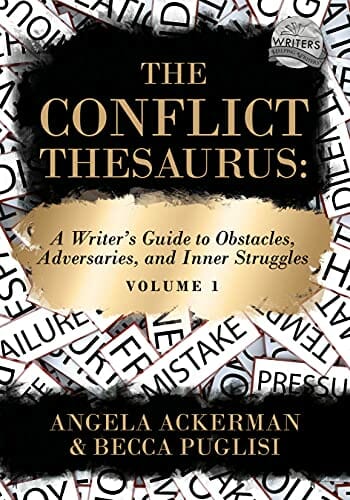
    The Conflict Thesaurus: A Writer’s Guide to Obstacles, Adversaries, and Inner Struggles by Angela Ackerman and Becca Puglisi

    A guidebook for putting your characters into harm’s way! Seems fun to me. Publisher description:

    Every story starts with a character who is motivated by a need and has a goal that can resolve it. Whether their objective is to find a life partner, bring a killer to justice, overthrow a cruel regime, or something else, conflict transforms a story premise into something fresh. Physical obstacles, adversaries, moral dilemmas, deep-seated doubts and personal struggles…these not only block a character’s external progress, they become a gateway for internal growth. The right conflict will build tension and high stakes, challenge characters as they traverse their arcs, and most importantly, keep readers emotionally invested from beginning to end.

    The Best American Travel Writing 2021 edited by Padma Lakshmi

    Entries in “The Best American” series are always worth reading, not just for entertainment but for studying the best of the best in articles and essays. Publisher description:

    The essays in this year’s Best American Travel Writing are an antidote to the isolation of the year 2020, giving us views into experiences unlike our own and taking us on journeys we could not take ourselves. From the lively music of West Africa, to the rich culinary traditions of Muslims in Northwest China, to the thrill of a hunt in Alaska, this collection is a treasure trove of diverse places and cultures, providing the comfort, excitement, and joy of feeling elsewhere.

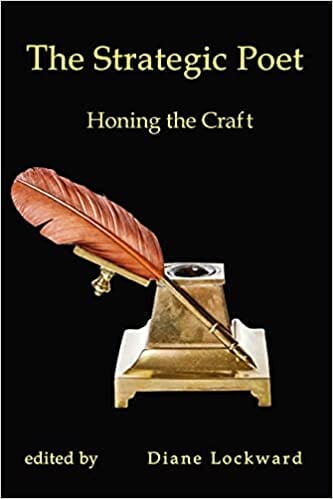
    The Strategic Poet: Honing the Craft edited by Diane Lockward

    Books on poetry craft seem harder to come by with each passing year. This book includes templates, examples, prompts, and everything else you need to keep you busy working on your poems for years. Publisher description:

    The Strategic Poet: Honing the Craft focuses on the craft of poetry and is based on the belief that craft can be taught and the best teacher of craft is a good poem. This book assumes a knowledgeable reader, that is, one who already knows the language of poetry and already practices the craft. This book is organized into thirteen sections, each one devoted to a specific poetic strategy. While only thirteen strategies are used for organizational purposes, the reader will find many additional strategies referred to and discussed within the sections. There is a progression from one section to the next, but each section also stands alone, so the reader or teacher can follow the order of the Contents or move about freely among the sections.

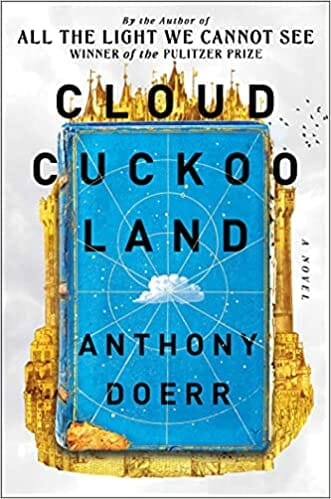
    Cloud Cuckoo Land by Anthony Doerr

    October is an insane month for big-name novelists. The best of the bunch, in my opinion, is the creative, inventive, totally original Cloud Cuckoo Land. Highly entertaining and highly teachable—Doerr is a great example of someone who breaks the norms of writing. Publisher description:

    Set in Constantinople in the fifteenth century, in a small town in present-day Idaho, and on an interstellar ship decades from now, Anthony Doerr’s gorgeous third novel is a triumph of imagination and compassion, a soaring story about children on the cusp of adulthood in worlds in peril, who find resilience, hope—and a book. In Cloud Cuckoo Land, Doerr has created a magnificent tapestry of times and places that reflects our vast interconnectedness — with other species, with each other, with those who lived before us, and with those who will be here after we’re gone.

    Oscar Wilde: A Life by Matthew Sturgis

    Biographies of writers are always fascinating. It’s been a long time since Wilde has been written about, so I’m glad to see this long overdue study take flight. Publisher description:

    Drawing on material that has come to light in the past thirty years, including newly discovered letters, documents, first draft notebooks, and the full transcript of the libel trial, Matthew Sturgis meticulously portrays the key events and influences that shaped Oscar Wilde’s life, returning the man “to his times, and to the facts,” giving us Wilde’s own experience as he experienced it.

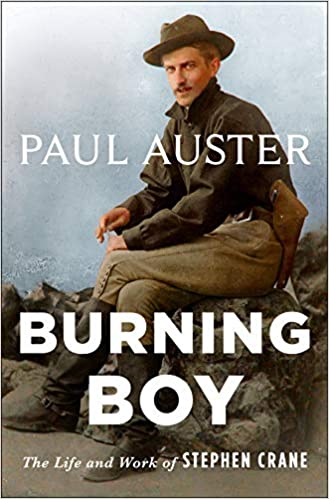
    Burning Boy: The Life and Work of Stephen Crane by Paul Auster

    Stephen Crane wrote some of my favorite stories and novellas of the Gilded Age. Can’t wait to read this fresh take on his life from Auster, who has previously only published fiction. Publisher description:

    With Burning Boy, celebrated novelist Paul Auster tells the extraordinary story of Stephen Crane, best known as the author of The Red Badge of Courage, who transformed American literature through an avalanche of original short stories, novellas, poems, journalism, and war reportage before his life was cut short by tuberculosis at age twenty-eight.

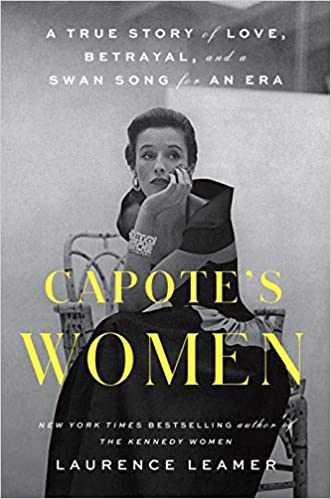
    Capote’s Women: A True Story of Love, Betrayal, and a Swan Song for an Era by Laurence Leamer

    Few personalities are as dramatic and interesting to read about as Truman Capote. Publisher description:

    Bestselling biographer Laurence Leamer delves into the years following the acclaimed publication of Breakfast at Tiffany’s in 1958 and In Cold Blood in 1966, when Capote struggled with a crippling case of writer’s block. While en­joying all the fruits of his success, he was struck with an idea for what he was sure would be his most celebrated novel…one based on the re­markable, racy lives of his very, very rich friends.

  • 20 Journaling Prompts to Jumpstart Your Creativity

    20 Journaling Prompts to Jumpstart Your Creativity

    Since I could write, I have kept a journal. I’d write down everything from thoughts about the day to goals and to-do lists. Over the years my journals changed forms from a “Dear Diary” style to a book filled with story ideas. Whenever I think about journal prompts for writers, I’m reminded of these sweet times when I would be hit with inspiration while sitting around, waiting for a train or reflecting on a memory. 

    Although much of my musing and hastily-scrawled notes were unfit for public viewing, I’m also forever amazed at how the simple act of free writing can unlock creativity in a way nothing else seems to. 

    However, once I started writing for a living, my creative journaling fell by the wayside. It wasn’t intentional, and it was always something I meant to get back into, but as writing became more work than fun, these special moments of inspiration seemed to dry up.

    [sps_reusable_block post_id=43045]

    My experience with structured writing and journaling prompts

    In an effort to reignite my creative flame, I decided to attend a writing retreat where the focus was on writing for yourself and discovering possibilities. Sounds nice, right? I had been to many conferences but they were more practical and work-related. I wasn’t sure what to expect.

    During our first session at the retreat, we were asked to write five words or phrases on slips of paper and then put them in a hat. At each subsequent session we’d draw one of the prompts and spend 15 minutes free writing, inspired by whatever was written on that piece of paper. No prep, no overthinking. Just a pen, a notebook, and a time limit.

    Even though I was out of practice, it felt great to write for writing’s sake. There was no pressure; this was nothing other than a warm up for the rest of the day.

    While it was nice to do this in a group setting, focused journaling is also helpful for writers to practice on their own. And using prompts is helpful if you don’t feel like you have a lot to say. It’s a judgment-free zone—launch from the prompt and capture whatever comes to mind. Keep going until the timer buzzes or until you feel like your story is complete. There’s no wrong way to keep a journal and while it doesn’t work for everyone, this can be a great way to work through writing blocks, perfectionism and overthinking. Get those kinks out in the journal and then get back to your big projects invigorated and inspired.

    20 journaling prompts for writers

    journaling prompts to boost creativity in writing

    Here are 20 journaling prompts to help you tap into your creativity and get your words flowing. Choose one from the list that resonates with you, or allow this list to spark a new prompt. The main idea is to get you writing so go down the list in order, or do it another way. Whatever works!

    Question and answer

    1. If you could invent something to make your life easier, how would it work and what would it do?

    2. What does love look like? What does it feel like?

    3. Who do you look up to and why?

    4. What’s one lesson you’ve learned the hard way?

    5. Donating time or money—which do you prefer and why?

    Descriptive

    1. Describe something beautiful

    2. Write about a time you were truly happy

    3. Describe your ideal home in as much detail as you can

    4. Write about your best friend and how you met

    5. Write about a treasured memory and what makes it so special

    Inspiration

    1. Skim the headlines from your local newspaper or news site. What captures your attention? Why? Write about that

    2. The next time you’re out, pay attention to the nametags of people working in stores or restaurants. Write an imagined life for one or more of them

    3. Look out your window and write about what you observe. Use it as a launching point or stick to facts, wherever your pen takes you

    4. Think about yourself, your relationships, your career, etc. What’s something you would like to change? Write about how you would change it if you could

    5. Is there someone you’d like to thank but can’t for some reason? Write a letter to that person, even if you never send it

    General Themes

    1. Forgiveness

    2. Love

    3. Hope

    4. Survival

    5. Honor

    [sps_reusable_block post_id=43045]

  • 6 Tips for Finding Time to Write as a Parent

    6 Tips for Finding Time to Write as a Parent

    For parents, writing can be one of the best ways to earn some side hustle income from home, especially if you want to work flexible hours and do it without having to find full-time childcare. (You can even write about parenting!) Writing can also be a great way to supplement full-time income or you can even turn it into a fulfilling creative career.

    However, coming from my own experience as an at-home writer and parent, finding time to write while you are also watching kids can be extremely tough and the days can be less productive than you hoped they would be. 

    So how can you make it work?

    If you wanted to stay home with the kids and avoid a full-time childcare arrangement, you might try to be a stay-at-home parent during the day and just plan on getting all of your writing and work done after they go to bed for the night. 

    After all, getting anything done during the day can seem like a lost cause. But while this could work on occasion, watching kids all day and then working all night is a recipe for exhaustion and burnout. 

    The key to writing from home as a parent is you need to plan ahead, establish a sustainable routine, be a little creative, and be ready to accept a little help.

    Try a few of our tips to carve out more writing time and then use it more effectively.

    TABLE OF CONTENTS

    1. Delegate like a boss
    2. Use a little creativity
    3. Know yourself
    4. Accept childcare help
    5. Schedule non-work time
    6. Give yourself grace

    1. Delegate like a boss 

    As a parent, there is a lot more that goes into a household with children beyond the act of raising them. There are meals to cook, an endless flow of laundry, always something that needs cleaning, grass to mow, and pets to walk. The days can quickly become overwhelming, and writing can become the last priority on the list.

    Choose a couple of the tasks that are the least fulfilling and either delegate them to a (hopefully willing) spouse or else hire them out to a paid service. 

    A few ideas of household tasks you could delegate include:

    • Hiring a neighbor to mow during the summer 
    • Utilize a local service to plow the driveway during the winter
    • Using a grocery delivery service like Instacart
    • Ordering online meal kits like Hello Fresh
    • Hiring house cleaning help like Merry Maids (NextDoor is also a great resource here!)
    • Hiring a local dog-lover to take out your beloved pup on a walk

    Find something you can take off your plate to leave more time for writing, parenting, and the rest of your priorities. Whatever the task you choose, keep in mind that your time is valuable. 

    Make sure the time you have at home is spent intentionally — on parenting, on tasks you need to do yourself, and on writing that is both fulfilling for you and earning income for your family.

    2. Use a little creativity to carve out your writing time

    If you don’t already have a quiet learning time established for your kids, consider adding that to your daily routine, both as a way to get a little writing in while they are occupied but also as a special time for the kids to have for their own. 

    Having age-appropriate independent children’s activities is a great tool for fostering creativity and independence. Choose an activity or materials that are reserved just for this quiet writing time and then choose a time in the day that is reserved for this special activity, even if it is just 10 or 15 minutes to start. 

    Take a look at your child’s interests and put together special activities that you can pull out during your daily quiet writing time. For older children it might be a chapter book, their own writing prompt or a self-led craft. For younger kids it might be a special toy or a sensory bin with materials that are age-appropriate, open-ended and engaging. For younger kids especially, keep the time the same but rotate the activity throughout the week to keep things fresh but also consistent. 

    3. Know yourself as a writer 

    Know what you need to be a productive and happy writer.

    What are all the steps that go into your work as a writer? Do you need to research SEO terms? Do you need to brainstorm topics? Do you need to make outlines before you can write efficiently? And how much time do you need for writing research in addition to actual writing time? 

    Spend a little time documenting all of your steps so you can make an effective plan to get it all done for every deadline. In addition to planning the steps, know what type of work environment and what level of focus you need to get each step done. 

    Then you can take a realistic look at your day, at the times you are most and least productive and then plan your tasks accordingly.

    Maybe brainstorming topics can be done at the table while the kids are playing with legos in the morning. Brainstorming might be a good activity for when you are waiting in the car for a grocery pick-up. 

    I find that I can get some of my best writing done when I have spent bits of time on these other pre-writing pieces throughout the day and then I can sit and write out a first draft in the quiet of naptime. 

    4. Accept childcare help

    Depending on the amount of writing you are responsible for, some amount of childcare may be your best option. Depending on the ages of your kids, you may have a few different options available to you that give you at least a few hours a week to write without committing to a full-time childcare center. 

    Do you have any local “mom’s day out” programs that your kids can attend for a few hours a week? Or maybe you have a trusted teenage neighbor that is willing to play with the kids for a couple hours for an afternoon or two a week while you are writing from home? Do you know any other work-from-home freelancing parents that you can share a nanny with for a day or two a week? 

    As more parents are working in more unconventional ways, the options for childcare have become more creative and unconventional too. Find someone trusted that can give you that gift of extra time during the week.

    5. Make sure to schedule parent time that doesn’t include writing

    As a parent, make sure you are scheduling specific time with your kids that doesn’t include writing, thinking about writing, or planning out writing. Just as you schedule when you will be able to write, also schedule when you are not allowed to write. 

    One of the pitfalls that work-from-home parents can encounter is the feeling that they need to be working all the time. Find time, spaces, or outings where you can be with your kids and without work. Be an example of someone who works hard, pursues their passions, provides financially, but also makes it a priority to have a healthy work/life balance. 

    Make it a practice to unplug, both to increase your productivity when you do get back at it, and also as a way to force yourself to have uninterrupted time with your kids.

    You will never regret carving out intentional time with your kids, regardless of the deadlines you know you still have.

    6. Finally, give yourself a little extra grace

    Being a parent who is trying to do it all while being a successful writer is no easy task. There will be days that just don’t go according to plan. No matter how well you planned your workload, prepared activities for the kids, delegated extra tasks, and generally just thought it was all figured out, both children and parents are not programmable robots.

    Give yourself grace, continue on, and try again. 

  • Writing My Way Through (and Into) Faith

    Writing My Way Through (and Into) Faith

    Editor’s Note: This is a guest article from Kayla Craig.

    I don’t know what I think until I write.

    I grab a coffee-stained notebook and whatever discarded pen I can get my hands on and let the ink—and my heart—hit the page. When I write, I enter into a sacred space. Holy moments are no longer relegated to high-minded church pews or stuffy sanctuaries. I meet God on the page, in the dotted i’s and crossed t’s, in the margins of my real life.

    It’s easy to believe that faithful writing must be formulaic. Hit these notes, follow this path. But in my experience of writing modern liturgies—accessible, nuanced prayers meant for others to enter into—I find myself appreciating a sacred spontaneity within my words.

    When I write liturgy, I enter into a conversation with the divine. I no longer have to follow the hard news constraints of my journalism days—if I bury the lede, it doesn’t matter. There’s nothing to get right. I simply go, releasing myself into the rhythms of freewriting. I can let my ego, my inner critic, rest. I believe in a God of all things who already knows me intimately. I don’t have to have the perfect words.

    The pressure, finally, is off.

    As a writer, I’m often expected to write shareable social media posts or catchy, clickbaity newsletters. But I’ve found that spiritual writing is deeply personal. And while I hope to eventually give readers words to pray when they aren’t sure they can muster one more word, my prayers start out as simply listening.

    What am I holding?

    What am I feeling?

    What am I processing?

    About two pages into my sloppy scrawl I begin to see what was there all along. I don’t write prayers to change God’s mind—I write to hold onto my own faith. I write to know myself better, and in that, I begin to see the love of God in a deeper, more expansive way.

    When I started crafting the manuscript of my new book, To Light Their Way: A Collection of Prayers & Liturgies for Parents, I felt myself accepting an invitation to enter into empathy.

    My prayers that started as personal explorations became something bigger. The paragraphs were no longer my private freewrites—the stanzas were being shaped and molded to include the experiences of many.

    Writing faithfully means not only listening to your own soul but to the heartbeats of another, too. The power of liturgy is that it’s not simply navel-gazing. It unites us—praying one prayer, in one accord. 

    As I write, I’m aware of the limitations I have as a white, middle-class woman. I am grateful to the many, varied parents across race, gender, and socioeconomic status who have graciously allowed me into their experiences. 

    My liturgies reflect single parents, bereaved parents, foster parents, parents who are in blended families, parents of teens, parents of adults who have flown the nest, and more. Their fingerprints are found all over these prayers.

    None of us has all the answers about the nature of God. Sometimes it feels like I have no answers at all. But the glorious thing about prayer is that we don’t have to be right—we just have to show up.

    It’s said that Ernest Hemingway once said writing is easy—one has to just get to a typewriter and bleed. Praying is a little like that.

    When we pray, we give our hurt—our worries about our kids, ourselves, the world—over to God. We share our doubts, our anxieties, and our fears like a child listing off his worries before bedtime.

    When we’re faithful in our writing—and honest in our prayer—we learn about the desires of our hearts and create an offering for others, too.

    I never set out to write a book of prayers.

    But being faithful to my craft and stubborn in my faith has brought me on many an unexpected journey. My prayers here are steeped in listening: to the headlines, to our children, to the whispers of the wind, to the women and men whose parenting journeys—and indeed, very lives—have looked different than mine.

    I’m an (overly caffeinated) mother to four young children. And I’ve found that, much like raising children, writing out of my spiritual experiences and into prayers comes with no instructions.

    If you’d like to dabble into your own faith explorations, my advice is simply to do it.

    Cast off all the writing rules you’ve absorbed. Close your computer. Grab a notebook. And listen. To yourself. To your neighbor. And to God.

    What shows up on the page might surprise you.

    And it might just be what another person needs to read.


    Kayla Craig is a former journalist, a podcaster, and the author of To Light Their Way: A Collection of Prayers & Liturgies for Parents. Written with warmth and welcome, To Light Their Way gives voice to your prayers when words won’t come. Filled with more than 100 modern liturgies, this book guides you into an intentional conversation with God. These pleas and petitions act as a gentle guide, reminding us that while our words may fail, God never does.

    Connect with Kayla on Instagram and subscribe to her Liturgies for Parents newsletter.

  • 8 Tools for Staying Organized as a Writer

    8 Tools for Staying Organized as a Writer

    As every good writer knows, writing compelling content is essential to being a great writer. But that is really only half of your job description—the rest of your time is spent managing deadlines, keeping track of client invoicing, and brainstorming and researching topic ideas so you are ready to be efficient with your actual writing time. Without good organization for these essential and less-than-glamorous tasks, it can be difficult to make a living as a writer.

    To make life a little easier, we compiled a list of some of our favorite resources and writing tools to help our fellow creatives become more organized and manage the background tasks better. 

    Implement a few (or all of these) so you can spend more time on what you love to do, writing and less time on everything else.

    Tool #1: Asana — Manage Deadlines and Client Communication

    No matter what type of content you are creating, if you are not using a project management tool to communicate and plan your project like Asana, you are missing out on an opportunity to be much more organized. 

    We love using Asana specifically as a client project management tool because you can easily add your clients to your project board and communicate within the board quickly. 

    You can plan and track tasks, add notes specific to certain tasks, stay up-to-date on deadlines, and respond to questions within the board. It is a great tool to keep everyone up to date without clogging up valuable email inbox space.

    Asana can also be useful if you are managing multiple moving parts on your own writing projects. Keep track of deadlines for book submissions to editors, printing and design work, or just writing goals for yourself to keep on task.

    Tool #2: Grammarly — Make the Most of Your Writing Time

    Get a second set of eyes to review all of your work before you send it to your client. Grammarly has a free tool that instantly checks for both spelling and grammar mistakes, which is extremely helpful for quick proofreading on your text. Don’t send in another document that has common usage errors such as mistaking their, there, or they’re on them again.

    We love how easy it is to link Grammarly to your web browser, so you can receive edits and suggestions in real time. Because why add more steps to your editing process if you don’t have to? 

    Tool #3: Paper Calendar — Keep Track of Your Goals

    Keep a weekly calendar to plan out the tasks you need to get done each week, but for your day to day tasks we love spending 5 minutes at the start of your day to jot down only your biggest, attainable goals for the day. 

    These Ugmonk analog cards are perfect for setting up your week and also prioritizing your must-dos for the day so it can be both manageable and successful. If you can get those done you know your day was a success and you can either take a much-needed break or get moving to a new set of tasks for the week!

    Tool #4: Freshbooks — Invoice Efficiently

    Whether you are writing as a freelancer full-time, or just doing a few writing projects here and there, having an easy-to-use invoicing and payments platform can help ensure you get paid timely for your work. Freshbooks is one of our favorite tools because it is geared toward small businesses and is extremely user-friendly.

    Freshbooks makes it easy to create professional-quality invoices with their premade templates, it allows your clients to pay instantly in their preferred method, and it also makes it easy to collect and log business expenses throughout the year.

    As any freelancer knows (or will come to know) invoicing is only one step of the process to get paid. Following up and reminding clients of deadlines can be one of your more tedious, yet necessary tasks. 

    Freshbooks makes it easier with client payment reminders, the option for upfront payments, and also an easy-to-use retainer system that can help streamline payments from monthly ongoing projects so you can focus more on your work and less on collecting payments.

    Plus, your accountant will be thankful for how organized your business finances have been maintained when you are ready for tax time with Freshbooks’ easy-to-access reports.

    Get your TWL Freshbooks primer right here.

    Tool #5: Freshbooks — Track Your Time

    We love the Freshbooks time-tracking app since it is easy to use, editable, and built into the rest of the software. It is so easy to under (or over) estimate the amount of time you spend working on a project, so keeping track of your time with an app is important. Even if you are not billing by the hour, you should know the time you have dedicated to a project so you can set proper expectations with yourself and your clients and even adjust your pricing structure if you need to. 

    Tool #6: Moleskine — Organize Your Ideas

    While using a pen and notebook may seem like you are going backward in your productivity, there are few ways that can inspire creativity and jumpstart project brainstorming like pulling out a quality pen and notebook and jotting down notes by hand. Skip out on those cheap spiral ring notebooks that you associate with being in middle school, but instead invest in quality notebooks with quality paper. We love the feel and look of a Moleskine notebook and prefer pens that are pleasant to write with, but don’t bleed through your paper.

    Tool #7: Spotify — Have Your Playlists Ready  

    Are you inspired by classical music while writing or are you more of a coffee-house-mix type of person? Listening to soothing music can increase concentration, reduce distraction, and have a calming effect, which is a perfect combination for writing. 

    Instead of choosing new music each time, save a couple of go-to mixes that you can turn on when you sit down to write. Look for music that is soothing, doesn’t cause you to stop and sing, but upbeat enough to inspire you to focus on your writing.

    Take a look at Classical New Releases for a great instrumental playlist that is updated each Friday or Your Favorite Coffeehouse that will transport you to an inspiring writing space.

    Tool #8: Trusty Bag — Stay Physically Organized 

    As a writer you may not go to an office every day, but that doesn’t mean you can’t benefit from having a high quality work bag to keep you and your writing materials organized. Choose a bag that is easy to carry, fits your style, and big enough that you can easily fit your laptop, notebook, a small bag for pencils, pens and highlighters, and a snack and water bottle. 

    Only use your bag for writing materials, so you are always ready to get to work whether that is from a designated home office, the kitchen table, or a local coffee shop. One of our favorite benefits of having a bag is when you need a little creative inspiration and want to switch up your scenery, you are ready to go without a second thought.  

    For a classic and rugged leather look that comes with an adjustable carrying strap, we’d suggest this messenger bag from Fossil. For a sleek and sustainable bag, take a look at this Rothy’s essential tote.

    Start getting more organized by adding just one of these tools to your writing routine.

    If you are excited to get more organized as a writer, try adding in one new organizational tool to start and master before adding in more. 

    Building effective routines that help manage your writing can take time, but it is worth it so you can make more time for writing engaging content for yourself and your clients.Think about where you are struggling and start there.