Tag: writing life

  • 7 Tips From The Office Writers to Improve Your Writing

    7 Tips From The Office Writers to Improve Your Writing

    Few shows took comedy by storm more than The Office. It was a hilarious show that was an American version of The Office from the United Kingdom.

    Even years after it aired, it was still the most streamed TV show in 2020.

    Considering how popular the show was, how many actors became famous from it, and how many seasons there were, there is a lot writers can learn from the writers who worked on this show

    We’ll be going through the different writers in the show, dive into some of the tips from The Office writers, and talk about what writers can learn from them.

    Who Were The Writers for The Office?

    If you look at the writing credits for The Office on IMDB, you can see that there are over 50 writing credits for the series.

    The Office was also known for having some of their actors be involved in the writing process and also vice versa.

    Tips From The Office Writers

    Let’s take a look at some of the tips from the writers from The Office and talk about how you can use them to improve your own writing skills.

    Writing tips from Greg Daniels

    Greg Daniels has had a huge career and is one of the main producers of hit shows such as The Office, Parks and Recreation, and King of the Hill. He hasn’t done a lot of interviews, probably because he’s busy writing smash hits, but this was a good nugget from his Vox interview.

    In this quote, he had just been asked how he came up with ideas for Upload.

    I was walking around midtown Manhattan, past all those electronics stores next to Rockefeller Center. They were all advertising CD players, switching to digital from analog. I was trying think of a comedy sketch, so I was thinking, “What else could you digitize? What other things in life would it be ridiculous to digitize?” And I was like, well, the ultimate would be your own mind — where everybody’s digitizing and living in a hosted computer environment, or something.

    Greg Daniels

    The main takeaway from this quote is to draw inspiration from your day-to-day life. Take the time to explore your area and walk around without being nose-deep in your phone and scrolling.

    Look at your surroundings, question things, think of new angles for different things you observe.

    Most great writing (especially comedy writing) comes from simply observing life and writing about it.

    Another writing from Greg:

    “The show had such a different feel and I wanted it to have such a sincere feel to it. The enemy of that to me is the factory TV process which Hollywood is often guilty of —  and I would definitely say I don’t admire too much — because a lot of times in this factory process, the actors are kept apart from the writers. And they distrust each other. And it leads to a certain type of writing where the writers write actor-proof lines which are very joky. Because they don’t trust the actors to deliver them without a set-up and a punchline in the same speech. To me, what was so wonderful about The Office was that behavior was what was funny.”

    Greg Daniels

    If you’re just writing on your own and for your own blog or book, this quote might not apply to you. However, for writers who work on a team or with other people, it’s essential to bring everyone in to the process together.

    For example, if you’re working on website copy, not talking to other people on the marketing team is a problem.

    Writing tips from Mindy Kaling

    Mindy Kaling first had her rise to stardom through working as a writer, executive producer, director, and most notably, acting as the character Kelly Kapoor in The Office.

    Her advice on looking for a mentor:

    “If you have the opportunity to observe someone at work, you are getting mentoring out of them even if they are unaware or resistant. Make a list of the people you think would make the greatest mentor and try to get close.”

    Mindy Kaling

    Lots of writers like to seek out mentors, and you should start with the ones you admire most. Sure, it might be hard to get in touch with someone like John Grisham, but you can sometimes also learn from your favorite writers through the advice they give and the books they write.

    Mindy also has a checklist for characters that she follows:

    Characters are helpful and kind.

    No one is a moron.

    Characters are polite.

    Conflict should never come from a desire to be cruel or mean.

    Do not fear nuance. Comedy from avoiding conflict, not instigating it.

    Characters don’t have to be maxed out to be funny.

    This is a good idea for writers to have a checklist to follow when it comes to their writing. It helps keep you focused and on track.

    Writing tips from Michael Schur

    Michael Schur was not only a producer and writer for The Office, he also helped bring other great shows to life such as The Good Place, Brooklyn Nine-Nine, Master of None, and more.

    Needless to say, he knows what he’s doing when it comes to writing and bringing a story to life.

    “The visual metaphor that [Greg Daniels] gave us for the show at large was like a paved over, concrete, boring looking office parking lot with one little flower peeking up through a crack in the pavement.” 

    Michael Schur

    The lesson from this is to create a vision for your writing. If you don’t know your ultimate goal or outcome, you are going to make mistakes along the way that might take you off track.

    You always want a north star for what you’re creating to bring it to life.

    In this interview with Tim Ferris, which is worth a listen for anyone who wants to become a writer, he goes over his entire career and lessons he’s learned. Let’s look at another gem.

    “And of the many, many rules of creation or of writing that have been taught to me over the years by a number of very smart people, the best and most trustworthy is write what’s interesting.”

    B.J. Novak

    Now, writing what’s interesting is hard, but that’s the cost of making it as a creative writer. If people aren’t interested in what you’re writing about, you won’t get their attention.

    At the same time, that’s what all writing advice can be boiled down to.

    Writing tips from B.J. Novak

    B.J. Novak became famous for writing, producing, directing, and acting in The Office as the character Ryan Howard.

    “We would start with what we would call a Blue Sky period, which was my favorite part of every year. For two, three, or four weeks sometimes, if we had a long time, every single day in the writers room was just, ‘What if…?’”

    B.J. Novak

    While it’s great to have routines and processes for writing, there has to be time where you set aside to just think, daydream, and get creative.

    You need to take the time to think about your story, your writing, and start to think outside the box. How could you improve your writing and your focus?

    Next Steps

    Want to join a ton of other writers that can give you endless writing advice? You will want to check out The Den!

  • Clarity of Writing: 9 Proven Techniques to Writing Well

    Clarity of Writing: 9 Proven Techniques to Writing Well

    While everyone will have their own definition of what good writing looks like, bad writing is more universally recognizable. 

    If you want to write well, it’s essential to write clearly. Anything else is an absolute disservice to your self-respect as a writer, not to mention the time and attention of your reader.

    Sometimes, writers fall into the trap of thinking that if they have an important enough message to share, or an entertaining story to tell, they can get by with not writing clearly. That’s simply not the case. You run a real risk of readers switching off from your work entirely if your writing is unclear.

    Let’s explore the concept of clarity of writing as well as nine techniques to attain it.

    What is clarity in writing?

    Clarity in writing is achieved when your intended meaning is expressed as efficiently as possible.

    To understand what clarity in writing looks like, it’s useful to consider its opposite. 

    When writing is unclear, it causes unnecessary mental effort for your reader. Having to decipher a sentence is not conducive to appreciating or absorbing it.

    So what are some of the main impediments to clarity in writing?

    1. Wordiness. Efficient writers are economical with their words. Saying more with less is a fundamental part of writing well.
    2. Unstructured text. If sentences, paragraphs, and sections or chapters lack a logical flow, your reader will lose focus. A clear structure is essential for effective writing.
    3. Inappropriate language. If you use jargon, metaphors, cultural references, or anything else outside of your intended reader’s expectation or understanding, you sacrifice writing clarity.
    4. Unfocused meaning. Clear writing can only flow from clear thinking. If you’re confused about the point you’re trying to make, or the way you want to express it, you don’t have a chance of writing clearly.

    In essence, anything that makes your writing easier to understand and more enjoyable to read is conducive to writing clarity.

    Anything that detracts from either objective is undesirable and should be eliminated.

    How to achieve clarity in writing – 9 proven techniques

    While understanding the concept of clarity in writing is an essential first step to achieving it, it’s not enough on its own.

    Instead, if you wish to write more clearly, you need to consciously work at it until it becomes instinctive. 

    Here are nine techniques to help you achieve greater clarity of writing.

    1 – Consistent practice

    For most writers, you stand a far better chance of achieving clarity when you write consistently. 

    If you write on an inconsistent basis, you’ll find the act of crafting a sentence to be laborious and unnatural. It’s like attempting exercise when you are out of shape. Even your best efforts will be far less graceful than someone who trains habitually.

    2 – Optimize your writing routine

    It’s not enough to write consistently – you also need to optimize your writing space and writing routine.

    To produce your best work, you need to find the best combination of conditions for yourself. This is a highly personalized process. One writer’s perfect routine would be another’s poison. Furthermore, your preferences will evolve, so don’t be afraid to experiment with aspects of your writing practice in search of greater clarity.

    Some of the factors to experiment with include:

    • The location where you write – at home or in public?
    • The tool you write with – a simple word processor or something with greater functionality? On a laptop, desktop, or by hand?
    • The time of day when you write – when are you at your most productive?
    • Do you write with music, white noise, background noise, or as much silence as possible?
    • Do you consume coffee while you write? Or even write drunk and edit sober?

    Answering these questions and creating a writing routine will make it a lot easier to do your best work.

    3 – Outline in as much detail as you need

    The extent to which you outline, as well as the type of outline you produce, has a direct impact on the clarity of your writing.

    Again, this is highly personal. Some writers find greater clarity by allowing their thoughts to flow freely while they craft. Others find this results in meandering and unfocused text and instead prefer a detailed plan before putting pen to paper.

    4 – Find a drafting and editing process that works for you

    Typically, most writers will benefit from the advice to write without judgment or hesitation during a first draft and to tighten up on the next round. If you try to achieve perfect clarity on your first attempt at a piece you run the risk of getting caught up in the process of evaluating rather than crafting.

    However, some writers report that a quick glance back over a paragraph or section before moving on can be beneficial. Find what works for you.

    5 – Clarity is contextual

    Clear writing for one readership is likely to look entirely different for another. 

    For example, if you’re writing for newcomers to a topic, too much jargon is likely to lead to confusion. However, for an expert readership, clarity will require using more advanced terminology, as anything less will seem oversimplified.

    Clarity is also partially dependent on genre and style. For example, readers familiar with literary techniques such as metaphor or an unreliable narrator will enjoy and appreciate them. Someone unversed in such techniques may well feel confused.

    6 – Read your writing out loud

    Different parts of your brain are used when reading something silently in your mind as opposed to reading it out loud. 

    Something that might seem clear on the page ends up being confusing when spoken. Similarly, your ear will often catch repetition or other impediments to clarity that aren’t apparent when reading silently to yourself. 

    7 – Use writing tools

    Writing apps and tools are no match for a talented human editor. However, they are capable of boosting your writing clarity. Simple, free tools such as Hemingway can easily identify areas of improvement. 

    For a more detailed analysis of your writing and ways in which it can be improved, consider investing in a paid tool such as ProWritingAid or Grammarly Premium.

    8 – Get the right feedback

    We all have blindspots as writers. Whether through ego, or oversight, we’re not as capable of objectively evaluating our own text as someone else is.

    However, remember that clarity is contextual. Ideally, your feedback will be from someone who fits the profile of your ideal reader. You can also join a writing critique group to improve your writing. 

    9 – Stay humble and embrace the journey 

    Perhaps the most important key to achieving clarity of writing is letting go of your ego and being willing to embrace growth.

    Even the best writers were not born that way. Achieving consistent clarity is the result of countless hours that we as readers are often not privy to.

    Having a sense of humor around your lack of clarity is essential. In ‘On Writing’ Stephen King shares his process of writing a rough draft and then revising it for greater clarity. You will notice that King can laugh at his weaknesses and not take them too seriously.

    That’s a Wrap

    Ultimately, achieving greater clarity of writing is down to three essential factors:

    1. Understanding what clear writing looks like and embracing the need to work towards it.
    2. Consistent and optimal writing practice to improve your level of skill and comfort.
    3. The right attitude to growing both as a reader and as a writer, and embracing feedback and criticism without getting hurt or frustrated.

    Fiction and nonfiction alike suffer when the writer’s intended meaning is distorted by wordiness, confusing sentence structure, inappropriate word choices, and other impediments.

    If something is worth writing, it’s worth writing well. Hopefully, by now, that’s clear!

    TWL. CTA. Book Outline Template
  • 6 Gratitude Books You Should Read

    6 Gratitude Books You Should Read

    The art of expressing genuine gratitude is more than learning to say please and thank you as a child. Gratitude is a mindset that translates into a lifestyle, and this type of living can completely transform your perspective on life. Gratitude books can help remind us of these lessons.

    Countless authors have come before us, paving the way to a life of gratitude by sharing their own stories, ups and downs, and what has helped them realize the importance of gratitude in their own lives.

    In this article, we discuss lessons learned from various writers and how we can live in gratitude more deeply through our own lives.

    Writing is a long journey with highs and lows, and gratitude for each day can help keep us going when the road feels long. No matter where you are in your process, drafting your first book, publishing your third novel, or just now getting an interest in writing, let’s pave the way with gratitude.

    With the power of gratitude in mind, let’s define exactly what a gratitude book is, and then get into some standout examples. 

    What Is A Gratitude Book?

    A gratitude book can take many different directions, but at its core it is a book written around the theme of gratitude. Books that focus on gratitude can still include other topics and encompass a variety of subgenres. 

    For instance, you could write a gratitude book but include life stories that contribute to this theme, making it a type of memoir. 

    You could also write a gratitude book but make it a type of daily reading, as you’ll see an example of below. The main variable to remember is that a gratitude book is centered around thankfulness. 

    When you read through the following examples, take note of the various ways these authors use gratitude books to communicate to their readers and notice the variety of ways this theme takes shape.

    TWL. CTA. Book Outline Template

    Gratitude, Oliver Sacks

    Oliver Sacks, a famous psychologist, combined philosophical thinking with his wisdom and research. As he neared the end of his life, with just months to live, he chose to use his time writing.

    Rather than write his memoir or even his autobiography, Oliver Sacks decided to write about feelings: The feeling of thankfulness for the successes he had experienced and the meaning he had found in life.

    Instead of spending his last weeks regretting the failures he may have felt, he meditated on what he felt gratitude for. This type of focus takes decisiveness, but its result impacted many. 

    365 Thank Yous, John Kralik

    John Kralik’s book is a memoir focused on the theme of gratitude. At 53 years old, John found himself at an all time low. His close, interpersonal relationships were failing, as was his work, and to top it all off, so was his health. 

    Rather than focus on what was falling apart around him, he chose to focus on what he had. John then decided to write 365 thank-you notes the following year. Instead of sitting down and typing out thank-you templates, John hand wrote his thank-yous to the many individuals who had impacted his life. 

    Over his year-long process, his life took a turn for the better. This memoir is an extraordinary example of how ordinary people can create far-reaching, positive outcomes with simple choices.

    Choosing Gratitude: Your Journey To Joy, Nancy DeMoss Wolgemuth

    If the opposite of happiness is sadness, the opposite of gratitude is ingratitude. Author Nancy DeMoss Wolgemuth speaks on this topic through her book, encouraging readers to live their lives based on gratitude. 

    She says, “Gratitude is a choice. By intentionally thanking God and others, bitterness and entitlement are replaced with joy and the humble realization of just how undeserving we really are.” Choosing gratitude is a choice that leads to a lifestyle that results in joy. 

    Thanks!: How The New Science Of Gratitude Can Make You Happier, Robert A. Emmons

    Robert A. Emmons wrote this study on the positive influence people experience when they choose to focus on gratitude. Written with a bent toward psychology, this gratitude book explains how habitual gratitude can impact people’s ability to handle stress, experience better interpersonal relationships, and more. 

    For a deeper study on the topic of gratitude, this book will pique your interest, open your eyes to a field of study in gratitude, and equip you to see a new way gratitude can influence your life. Robert explains how thinking through this mindset contributes to the following many areas of life, both short-term and long-term. 

    The Gifts of Imperfection, Brené Brown

    Brené Brown is well-known for her TEDx Talk on vulnerability, but in this book, she shows readers how vulnerability is actually a gift to express gratitude for. Imperfections allow us to connect with others at a deeper level, override the negatives of perfectionistic mindsets, and encourage more connection with those we encounter. 

    Noticing our flaws and accepting them as part of the unique mix that makes us interesting can powerfully reframe a perfectionist mindset.” Speaker, writer, and podcaster Brené Brown shares her knowledge yet again in her book. 

    Thanks a Thousand: A Gratitude Journey, A.J. Jacobs

    New York Times bestselling author, A.J. Jacobs, is a coffee drinker, likely just like you are. Rather than walk into his local coffee shop, purchase his cup of joe, and move on, he decided to look into the entire process involved in making his single cup of coffee.

    In fact, he did this in order to thank every single person involved in the behind-the-scenes process of making his coffee, all the way up to the barista who handed it to him. 

    This process took him on a journey around the world, changed his life, and taught him the secrets of gratitude. A.J. learned that there are countless individuals involved in our daily habits:

    • Farmers
    • Chemists
    • Artists
    • Presidents
    • Truckers
    • Mechanics
    • Biologists
    • Miners
    • Smugglers
    • Goatherds

    This gratitude book is his journey to expressing his thanks, face to face. 

    Start Your Gratitude Journey Today

    Reading through these examples may feel like a long-shot, full of days off to travel, money spent on plane tickets, or hours researching. The good news is, you don’t need to be the next Brené Brown to commit to gratitude today. 

    If you don’t find yourself with a year of travel time to spare thanking everyone involved in the process of creating your favorite drink, that’s okay. 

    You can purchase these journeys for the price of a few cups of coffee, but you can also start your own journey today. Begin simple so that you can stick with the process:

    • Start a gratitude journal in a favorite notebook, or on your phone or computer
    • Thank those you encounter at coffee shops, bus stops, and grocery stores 
    • Write fifty words every weekday, expressing what you’re grateful for
    • Place sticky notes around your office, articulating your thankfulness 

    Pick one of the above and try it out for a week or two. You’ll likely be surprised how quickly your mindset shifts!

    Next Steps

    Looking to start writing your own gratitude book? You’ll need a book outline template!

    Check out this one to get started:

    TWL. CTA. Book Outline Template
  • 8 Best Fall Drinks For Writers

    8 Best Fall Drinks For Writers

    Is there any season better than the fall season? The cooler weather, the sweaters, the pumpkins… To celebrate the season, we’re putting together a list of the best fall drinks for writers.

    For most of us writers, we spend a lot of time at our desks writing. It’s fun to enjoy the new season and dive into celebrating it.

    That’s why it’s a perfect time to switch up your usual drink of choice to celebrate the change of seasons.

    Whether you decide to buy a new flavor or brew something up at home, we have a whole list for you to dive into and see what sounds interesting.

    Best fall drinks for writers

    Now, when it comes to fall drinks there are quite a lot to choose from. You have coffees, teas, boozy drinks, brews, and so on.

    This article will try and cover a few options, but just know that there are thousands of options if you search around a site like Pinterest.

    Between fall and winter drinks, you’re bound to find something that adds a delicious option to your list.

    Non-alcoholic fall drink options

    If you’re not a fan of alcohol, or it’s simply too early in the day and you’re not built like Ernest Hemingway, let’s dive into some fantastic non-alcoholic fall drink options.

    Pumpkin Spiced Latte

    Listen, I know this is the most basic drink of all time. With that being said, it’s popular for a reason: it’s a perfect fall drink.

    The great thing is that while Starbucks is most known for their version of it, there are a ton of ways you can make it and it’s easy to make at home.

    (Of course, you could just run out and grab one from your local Starbucks, but let’s assume you want to switch it up this year.)

    Here’s how to quickly and easily make one at home:

    • Brew your regular coffee
    • Once your coffee is ready, combine it with pumpkin puree, cinnamon, nutmeg ground cloves, maple syrup, and vanilla extract
    • In another pot, heat up your preferred milk. Don’t let it boil, just warm.
    • Pour the milk into the coffee. You can also froth the milk if you have the tools for that, but just mixing it in is perfectly fine otherwise
    • Option: Top it all off with whipped cream and enjoy

    Fall specialty coffees

    If you shop for coffee online or head into any local coffee shop, you’re bound to find a ton of fall flavors.

    A fun one you might want to add to your list is the pumpkin chai coffee from Death Wish Coffee Co.

    It’s a unique roast that give you extra fall vibes, along with a strong kick of caffeine. It has a nice blend of cinnamon, cardamom, and nutmeg to give a taste of chai.

    Otherwise, a great way to spice up your coffee is to add in some cinnamon and nutmeg to your regular brew. It would just take a few seconds to add them to your coffee and have a whole new fall drink while you write.

    Related:

    Fall specialty teas

    When it comes to teas, the world is truly your oyster. There are thousands upon thousands to test out.

    With tea, you can either buy a specialty fall tea that’s already made or you can make your own.

    There are pumpkin-flavored teas, which are a ton of fun as an option.

    However, I’d personally recommend an apple tea. My personal favorite is Caramel Apple Dream from the company Celestial. It has a smooth flavor and even seems to win other people who are not big on tea.

    I also mention that brand because you can find it at most mainstream grocery stores. That company also has flavors such as Gingerbread Spice and Sweet Harvest Pumpkin which are both equally amazing as well.

    Outside of that, just like the coffees, you can add your own fall-themed spices such as nutmeg and cinnamon to your favorite teas to give it a fall flavor.

    Alcoholic fall drink options

    Now let’s dive into some fun options for people who do consume alcohol. However, keep in mind, I did find a few options online for companies that offer fall non-alcoholic drinks (especially beers).

    If you have a local brewery, you might want to swing in and ask what they have available.

    ACE fall ciders

    No list would be complete without ACE ciders. This is a personal favorite of mine that I cannot get enough of every year.

    It’s a favorite for me in pretty much every season, but the ACE pumpkin flavor is one I make sure I get every single year. They also have a regular apple flavor if that’s more up your alley for the fall.

    There are also hundreds of cider companies. If you want them extra fall-flavored, you can even heat some up slightly to give you that warmth on a cool day.

    Thompson Island Brewing Company Boooo Pumpkin Ale

    For beer lovers, this beer from Thompson Island Brewing Company is rated to be one of the best releases lately. It is for people who love a more sour beer, but it has a fun flavor if you’re looking to mix up your regular brews.

    Most companies make some kind of fall beers, so that’s why it’s a perfect time to attend your local Oktoberfest, if you have one in your town, to test out all the new flavors and options.

    Mulled wine

    You can’t have a fall drink list without mentioning making mulled wine.

    It’s incredibly easy to make and if you are hosting a party it’s bound to be a hit.

    Here’s how you make mulled wine:

    • Get a bottle of red wine and pour it into a big pot or a slow cooker
    • Mix in some honey (or any other sweetener), brandy, fresh oranges, and your favorite fall spices (preferably cinnamon, cloves, and star anise, but you can also find packets of “mulling spices”)
    • Let simmer for at least 10 minutes, but is fine up to three hours

    That’s it! Most of these ingredients people have on hand so that’s why it’s such a favorite. It’s also quick to throw together if you’re having people over.

    Hot Toddy

    Most people have heard of a hot toddy as a drink but have never actually made one. The best part is, it’s another easy one to make that you probably already have the ingredients for in your house.

    It’s a warm drink so it’s perfect for those days where you’re snowed in at home. There’s a rumor that it also helps cure the common cold, but test that theory at your own risk.

    To make your own, you’ll need:

    • Liquor of your choice between bourbon, whiskey, rye, or scotch (a shot or 2 oz)
    • 1/4 ounce of lemon juice
    • Sugar (preferably brown sugar)
    • Cloves
    • Lemon peel
    • Hot water

    You can heat it all at once or boil the water first, add in the spices to let them absorb into the water and then add the liquor at the end.

    Pumpkin Spice Martini

    Martini’s aren’t everyone’s cup of tea, but if you love these old classics, you’ll love this version with a fall twist.

    Here’s how to make this fun fall drink:

    • Fill a cocktail shaker with ice
    • Fill it with one shot Bailey’s Pumpkin Spice, 1.2 ounce of pumpkin pie syrup, ground pumpkin spice, 1/2 ounce of either half and half or a milk of your choice, and two shots of vodka
    • Mix and pour

    For extra spice, you can sugar the rim with some of the traditional fall spices.

    Next steps

    Have your fall drink all set and ready to start writing your book?

    TWL. CTA. Book Outline Template
  • How to Set Writing Goals the SMART Way

    How to Set Writing Goals the SMART Way

    If you want to make serious progress as a writer, you need to treat your craft like any other serious area of your life. It’s not enough to treat writing as a haphazard hobby that you dip into and out of whenever the urge takes you. Instead, if you want to grow and evolve both your skillset and your level of output, you need to set clear writing goals to move you forward.

    For some writers, the idea of setting goals is antithetical to their romanticized notion of what a writing life looks like. These are the same kind of writers who lie to themselves that one day they’ll get a book done when the stars align and they are free of distraction during a magical writer’s retreat in a woodland cabin. Newsflash – that is never going to happen.

    Instead, if you’re a serious, realistic writer who wants to make tangible progress with your writing, we have just the article for you. Using this framework will allow you to set meaningful and manageable writing goals to drive your career forward. Ready? OK, let’s go. 

    What are writing goals?

    A writing goal is any clearly defined objective related to your writing career. It can be a large, long-term goal, such as releasing over 20 novels within your lifetime, or a shorter, more short-term goal, like spending at least half an hour each morning on writing prompts over the next month.

    To better understand what writing goals are, it’s good to have a solid understanding of what they are not.

    A vague aspiration is not a writing goal. So, for example, thinking to yourself ‘one day I’d like to be a better writer ’ is not a goal. It’s an aspiration or dream but is not specific or clear enough to be considered a goal. 

    Within this article, we’ll provide you with a complete, proven framework to set writing goals that stick and make a meaningful difference in your career. First, let’s get clear on why this process is worth your time and how it will benefit you.

    How do writers benefit from setting writing goals?

    Perhaps you’re feeling a little bit of resistance or discomfort at the idea of setting writing goals. If so, that’s understandable.

    You might be thinking something along the lines of ‘well, I barely have enough time to write as it is. Shouldn’t I spend the very limited time I have outside of work and family on actually writing? Isn’t setting a writing goal just another form of procrastination that will distract me from my projects?”. 

    Setting the wrong type of goals might be a form of procrastination, but that’s not what we will be doing here. Truthfully, if you feel resistance to the thought of setting meaningful and effective writing goals, it’s actually due to a desire to stay inside your comfort zone.

    When you write without clearly defined aims and objectives, you allow yourself the freedom to never fail. There’s no challenge and nothing at stake. That allows you to protect your ego from being hurt, but it also stunts your growth.

    The benefit of setting intentional goals for your writing is it allows you to not only grow and improve as a writer but to do so in a way that is aligned with your wider aims and objectives. If you’re not making the progress you’d like, your writing goals will flag that up and allow you to reconsider what you’re doing and correct course if needed.

    Ultimately, the choice to either set or not set writing goals is what separates professionals from amateurs. Which type of writer do you want to be?

    When you’ve decided you’re ready to step up, read on! We’ll be using the SMART framework for the next section. This will allow you to set writing goals that are specific, measurable, attainable, relevant, and time-limited.

    Step 1 – Make your goals specific

    One of the major mistakes people often make when setting goals of any type, including writing goals, is making them too vague or general to be useful.

    Some examples of vague writing goals include ‘becoming a better writer’ or ‘taking writing more seriously ’. These might be worthy objectives, but they aren’t specific enough to be useful as a goal. 

    If you have a vague aim initially, such as those described above, you can try and narrow it down into a more specific writing goal. For example, ‘becoming a better writer’ might be narrowed down into ‘improving my first draft score on Grammarly by 10 points on average ’. Or ‘taking writing more seriously might translate into ‘spending 5 out of 7 evenings on writing instead of watching Netflix’. 

    The exact goal you set is entirely down to you. Only you know what will be most useful in driving your career forward. If you aren’t sure what to choose, you have a few options open to you. The first is to think of the major roadblock or challenge you have in your current writing life and set a goal that specifically addresses it. The second is to set as many goals as possible, and then eliminate some and prioritize others based on comparisons. Finally, if you have a writing coach or mentor, or other trusted ally, you could get their take on what they see as being the most impactful writing goal for you.

    Setting a specific objective is just the first step! There’s a lot more to meaningful writing goals than being specific, but without that starting point, it’s impossible to move on. 

    Step 2 – Set a measurable goal

    Now that you have a specific idea of what you most want to achieve as a writer, it’s time to make it measurable. 

    Just as being specific is needed to ensure your writing goal is something worthwhile, making it measurable is needed to be able to say if you are on track or not. Don’t fall into the trap of thinking that being behind on your writing goal is ‘bad’ or a reflection on you. It isn’t. It’s merely an indicator that something needs to be adjusted – whether that’s your approach to the goal, or perhaps the goal itself might need to be scaled back.

    All of that is to say that there’s nothing to fear by making your goal measurable. It’s not intended to make you harsh on yourself or negative in any way at all. Instead, it’s just a way of helping you stay on track.

    An example of a measurable goal would be taking the specific goal of ‘make progress on the word count of my novel’s first draft’ and changing that to ‘write 750-1000 words of my novel at least five times a week’. See the difference? Both goals are specific but the second one allows you to say whether you are on pace or off the pace at any given time. 

    Making a writing goal measurable also allows you to set deadlines and plan. For example, if you know you are capable of writing 1000 words at least five times a week, can anticipate a realistic deadline for finishing your draft, and schedule editing, cover design, formatting, and everything else accordingly. Without a measurable goal, none of that is possible.

    Step 3 – Ensure your writing goals are attainable 

    It might sound obvious to ensure your writing goals are attainable, but a lot of people don’t! 

    Just as with fitness and health goals, people often overestimate what they are capable of. This can be down to several factors. First, if you don’t have a clear schedule of when you write and how much you are capable of writing within that time, you won’t have a realistic idea of what’s attainable for you. Second, people often underestimate the impact of motivation and other psychological factors. For example, you might have a strong drive to get up before dawn and smash out 2000 words for the first couple of weeks, but that might lessen after some time. Life happens.

    If you’ve been writing a long time, you might well have a solid idea of which goals are and aren’t attainable for you. If you’re newer and less sure, you have a couple of options open to you. First, you can ask around. Question your fellow writers as to whether they think your intended goal is or isn’t realistic. Second, you can try for a certain goal, but schedule a period of assessment and possible adjustment once you’ve determined whether it is or isn’t something you’re capable of achieving.

    At this point in the process, you should have specific, measurable, and attainable goals in mind. Next, let’s make sure they’re best suited to serving the aims of your writing career.

    Step 4 – Choose relevant writing goals

    One easily overlooked part of the goal-setting process is ensuring your chosen aims are the ones most relevant to your writing career.

    There are two major ways in which writers tend to either set irrelevant or less relevant goals. 

    First, you might be tempted to set a goal that you genuinely believe will move your career forward the most, but in truth wouldn’t be the biggest needle mover. For example, you might want to add five words per minute to your typing speed, when in fact, focusing on learning the fundamentals of book marketing might be far more beneficial.

    Second, you might set a writing goal that is unrelated to where you are as a writer. For example, you might decide to focus on learning worldbuilding for a series of epic fantasy novels that span tens of books, when in fact, you should focus on the fundamentals of writing dialogue. 

    This should be caveated by the understanding that you are free to set whichever goals you want. However, do so with the knowledge that you can only focus on so many things at any given time. Therefore, setting the most relevant writing goals to your career aims and objectives is the best way to move forward fastest. 

    Step 5 – Set a time limit on achieving your goals 

    The final stage of the process is setting a time limit on when your goals will be achieved. Without this, you run the risk of endless procrastination and delay. A deadline helps you hold yourself accountable and keep your progress on track.

    One way of thinking about a time-limited goal is simply seeing it as a dream with a deadline!

    Some examples of time-limited goals include ‘writing x words on my project by x date’, and ‘completing such and such writing course by the end of x month’. Or ‘finishing my new author website and sending it live by x time’. 

    If you follow this fifth and final step, you now have everything you need to set SMART writing goals that will move your career forward.

    If you’ve made it this far in the article, congratulations! Don’t let the momentum slip. Instead, before you do anything else, take a moment to draft out at least one or several writing goals most pertinent to your aims and objectives.

    The Write Life team would like to wish you every success and we hope this framework makes a real difference to your career!

  • Write to Market: What it Means for Authors and Freelance Writers

    Write to Market: What it Means for Authors and Freelance Writers

    When you see a trend or niche taking over an industry, it’s easy to think, “Did all of these just coincidentally get published at the same time?: More often than not, this is what is called to write to market.

    Instead of authors and writers taking a story that they want to tell, they look at what is already doing well in the overall marketplace and create stories and writing similar to what is already selling.

    As you can imagine, this can be a powerful tool for writers when used strategically. We’ll be going over what it is, how it works for both authors and freelance writers, and the pros and cons of such a publishing style.

    What Does it Mean to Write to Market?

    When most people imagine writing books or articles, they imagine a writer who comes up with a unique story and then brings it to life. They imagine some wild tale that the author has been dying to tell and they finally put it all together.

    Instead, people who write to market focus on the audience and growing trends first instead of a story they have already created. The audience and the trends dictate what the author writes instead of doing it the other way around. That is, unless, there is some magical overlap between the two.

    For writers who already create content online, this might not be a strange concept. Any blog writer knows how important it is to maximize trends and write directly to the audience.

    Write to Market: What it Means for Authors

    If you’re an author who wants to write to market, you’re going to pick a trending topic that readers are currently buying and create a story that fits into that market.

    One quick way to see what is hot and trending to write about is to go to your local bookstore and take a look at the new releases. You can also see some of the most popular books being sold on Amazon, updated hourly, as well. There are thousands of niches and topics to choose from.

    If you look long enough, you’ll start to see common themes, patterns, and types of stories. These are exactly the kinds of things you’d want to make notes about if you’re considering doing this.

    An example of this type of writing is to think of romance novels with the same types of covers and storylines that have been written over and over through the years. Some years they’re in greater demand than others, but overall it’s a popular style of book that continues to sell well. (50 Shades of Gray, ring a bell?)

    Related: Romance Tropes

    Let’s go through the pros and cons of choosing to write to market as an author.

    Pros to write to market for authors

    One pro of creating a book that’s written to market is that authors might get a chance to write about a topic that they’ve never written about before.

    If you’re an author who is looking for some much-needed inspiration and wanting to change it up, finding a completely new topic might be the creative spark you need.

    With a trending niche, keep in mind that time is of the essence. While this might be a pro or con for you, depending on how you view it, the good thing is that you’ll need to turn that draft around quickly to make sure you ride the wave of its popularity. The con is also that you’ll need to turn it around quickly.

    Following a trend can help you get out of your writing rut and write about something you never have before. If you’ve typically written historical novels, it might be a good change of pace to write a horror book.

    Cons for authors to write to market

    One big downfall of authors focusing on a write to market book is that the turnaround time can take a long time with traditional publishing.

    Authors who choose to self-publish have a better chance of riding the waves than authors who go the traditional route. This is because by the time a book goes through all the traditional editorial stages, often the trend is already over or at least nearing its end.

    Related: Self-Publishing vs. Traditional

    Another con for authors is that the book might not be a topic they want to write about. They’re going based on what is hot at the time instead of a story that they’re excited to write. That can sometimes make the projects drag on or feel tough to write and put in the hours to get it done.

    You might also see your book not do well over the long term. It might only ride the wave of success for a short time and quickly fall off the radar.

    Write to Market: What it Means for Freelancers

    Unlike authors, freelance writers have much more flexibility when it comes to choosing what to work on.

    Similar to picking a niche, when a freelancer chooses to write to market, they are taking a look around at what is popular or in demand for writing.

    If you’re in any freelance writing groups, you might also notice which trends more writers are talking about, which might give you some inspiration for topics and niches to write about.

    Let’s go through the pros and cons of choosing to write to market as a freelancer.

    Picking a niche as a freelance writer

    When it comes to picking niches and topics to write about as a freelance writer, often, the sky is the limit. There are more niches out there than you could spend your entire life writing about.

    While it might be hard to pick just a few, keep in mind that you can always change it down the line. If you write for an industry for a certain amount of time and then decide to change your mind, you always can.

    Generally, it’s a good idea to pick industries and niches you have some experience or knowledge in, only because it’s much easier to write about something you know than something you have to extensively research. Plus, it saves you a lot of time so you can get drafts out faster than you would with a topic you don’t know well.

    Looking to get into a hot market? Take a look at this monster list of 115 potential markets to write for.

    write to market

    Pros to writing to market for freelance writers

    One great benefit to this is a freelance writer is that you can quickly gain attention and popularity by riding the trending waves at a time.

    This is also a quick way to start to grow a following, as you can hop on and ride a trend for a while instead of waiting to put together a huge, labor-intensive project.

    As you can imagine, you might also be paid faster than you would with projects that take longer to create. It doesn’t necessarily mean you’ll be paid more over time, but if you need the cash sooner than later, this might be a smart strategy for you.

    Cons to writing to market for freelance writers

    On the flip side, if you choose to do this as a freelancer, you’ll end up chasing trends. That can be a good or bad thing, depending on how you choose to direct your freelance career.

    Having to chase trends means you will have to publish content at a quick rate to make sure you’re keeping up with the trends. This can prevent you from doing necessary deep work and deep dives into your specific niches.

    Conclusion

    Overall, riding a trend at the right moment can help catapult your writing career, but you’ll want to think deeply about if it’s a strategy that will work for you.

    If you’re planning to become a freelancer, check out this free resource.

    Freelance Writer’s Pitch Checklist
    Grab it for free 👇

    Convince more editors to say YES to your pitches!

      We’ll also send you our weekly newsletter, which offers helpful advice for freelancing and publishing. You can unsubscribe at any time.

    • 12 Best Cities for Writers in the U.S.

      12 Best Cities for Writers in the U.S.

      These days, as long as you have a steady internet connection, most writers could write anywhere. However, some cities seem to brim with inspiration at every turn, while some cities seem to fall flat. We looked into what writers look for in a city and compiled a list of the 12 Best Cities for Writers. 

      Even if you aren’t looking to pack up and move to a new city tomorrow, one of these cities might be a good option if you are looking for a place to take a writer’s retreat.

      Santa Fe, NM

      Santa Fe, New Mexico is known for its vibrant creative scene and eclectic art culture. If you are looking to be creative and surround yourself with creative people, you are sure to find that here. The city literally brims with music, from street performers to the Santa Fe Opera.

      Apart from the culture and mix of people that make up Santa Fe, the city is a great place for writers to be inspired by the distinct natural beauty of the American Southwest. 

      If you are looking to make a move, Santa Fe has one of the more reasonable rent prices, averaging $1,500 for a one-bedroom apartment.

      Chapel Hill, NC

      Chapel Hill, North Carolina is a beautiful town on the east coast, perfect if you are looking for a beautiful place to explore. While Chapel Hill experiences all 4 seasons, they are mild compared to some areas of the country.

      With 8 colleges in the area, Chapel Hill has plenty of affordable housing options for those looking to rent. And with colleges come book stores – Chapel Hill averages 43 book stores per 100K residents. One of our favorite independent bookstores is located in Chapel Hill, Flyleaf Books.

      Vancouver, WA

      Not to be confused with Vancouver, BC in Canada – Vancouver, WA is just across the Columbia River from Portland, Oregon. The natural beauty of Vancouver, a city surrounded by Mount St. Helens, the Cascade Mountains, and Mount Hood, is a great backdrop for aspiring writers. 

      If you are a writer that appreciates good coffee and thrives on finding new coffee shops and other inspirational places to write, Vancouver is the place for you. With its close proximity to Portland and all of its coffee shops, Vancouver has 54 coffee shops per 100k residents. One of our favorite local coffee shops to sit down and write at is Relevant Coffee.

      While Vancouver is close to Portland, it has more living space and is considered a more affordable city to live in – which we also love! 

      Pensacola, FL

      Sun, sand and writing – sounds like a winning combination, right? Pensacola is a beautiful town on the Gulf of Mexico with access to miles of beautiful beaches, perfect for the writer that wants to walk the beach looking for inspiration.

      Pensacola also has a great parks system, a lower median house price than the national average, and residents of Florida do not pay income tax – which may be an incentive to writers looking to lower their living costs.

      Portland, ME

      Writing in a coffee shop along the northeast coast while the waves crash up against the rocks outside your window sounds like a scene out of a movie. The beauty of both the coast and the town just can’t be beat. 

      If you are looking to be inspired by a quaint town with breathtaking coastal views at every turn, Portland, Maine is the perfect destination for you.

      Plus as an added bonus, if you are a recent college graduate from any school in the United States, you may have a financial incentive to live in Maine. The Educational Tax Credit applies to graduates from 2015 to the present.

      New York City, NY

      Writers, artists, musicians and other creatives looking to find inspiration and make it big have flocked to New York City for decades. 

      The city buzzes with energy – from its people that gather there from all over the world, to the vibrant art and culture scene, to the historic buildings that make up the city. 

      There is a huge community of writers living and working in New York City, so spend some time looking through the options before you get connected. Catapult, the Gotham Writers, and the Writers Studio all offer writing help and community.  

      While New York City is definitely not known for being an affordable place to live (an important quality many writers need when they are first starting out), it is still a favorite among writers. Several of the big publishing houses are located in New York City, which might be helpful if you are a writer that has hopes of publishing a book.

      Palm Springs, CA

      For the writer that is trying to get away to a sun-drenched town and evoke the cool vibes of the past, Palm Springs, CA is the place to go. Palm Springs first became popular when the mid-century modern style was all the rage, back in the 50s and 60s. 

      If you can find time to write when you aren’t lounging by one of the many pools, Palm Springs could be the perfect setting for you. Get connected with other writers in Palm Springs by looking into the Palm Springs Writers Guild!

      Chicago, IL

      Chicago, IL is a big city with a vibrant writers’ community. With multiple writers’ communities such as the Chicago Writer Circle and the Writer’s Studio there are many opportunities to write and learn with others that share the same passions as you.

      Chicago also rates high on the walkability scale, making it an easy place to live and get around. Located on Lake Michigan, Chicago boasts water views that rival the ocean views of the coasts.

      Boulder, CO 

      With its close proximity to the Rocky Mountains, Boulder is a great place for writers that thrive being outdoors year-round. Colorado’s moderate climate is attractive for writers that incorporate hiking and writing into their daily routine.

      Boulder has great local coffee shops to work in and plenty of opportunities to connect with other local writers. We suggest checking out the Boulder Writing Studio for their workshops and community events.

      Juneau, AK

      Don’t let the cold scare you away, Juneau, Alaska is a beautiful place to live and write. And the good news about the long winter Alaska is historically known for? You will have plenty of time to cozy up by a fire and write.

      What distinguishes Juneau from the rest of Alaska is the city amenities and milder climate compared to the rest of the state. 

      Connect with other writers in Alaska to continue to refine your craft through 49 Writers – A Community of Alaskan Writers.

      Kansas City, MO

      Kansas City is a growing city in the midwest. With a small-town feel, but plenty of city amenities, Kansas City is a pleasant and affordable place to live if you want plenty of space to spread out and write.

      There are many opportunities to get involved with other writers currently living in Kansas City! Check out The Writers Place to get help working on your next manuscript.

      Philadelphia, PA

      With its lower cost of living and big city amenities, Philadelphia is a great place for writers to live and work. Traces of US history are around every corner, which is perfect if you are not only a writer but a history lover as well. Or both? Historical fiction writer?

      Philadelphia has a thriving community of writers if you are willing to get involved. Look into the Philadelphia Writers Workshop as a place to start getting connected! 

      Where is Your Favorite City to Write?

      We love these cities for what makes them special – either their history, their beautiful backdrops, or even their coffee shops.

      What makes your city a great place to write? Tell us in the comments!

      Looking for even more inspiration for when you visit one of these new cities? Try one of these Creative Writing Prompts, in conjunction with Self-Publishing School. 

      twl-fiction-prompts
      200+ Fiction Writing Prompts in the 8 Most Profitable Genres  Come up with your NEXT great book idea with over 200 unique writing prompts  spanning 8 different genres. Use for a story, scene, character inspo, and more!  YES! GET MY WRITING PROMPTS!
    • Quick Social Media Tips for Writers: Build a Writing Brand That Rocks (Part 2)

      Quick Social Media Tips for Writers: Build a Writing Brand That Rocks (Part 2)

      As CEO of your personal brand — yep, you’re not just a writer anymore — you’re in charge of finding new assignments, writing, editing your work, promoting your pieces and seeking out opportunities to continually develop a strong personal brand that sets you up for future success.

      If you’re feeling overwhelmed by all the possibilities, we get it. Social media tools can feel daunting, but there are quick things you can do every day to slowly grow a brand that rocks.

      Hop over to Part One for tips on using Facebook and Twitter to develop your platform. Then, meet us back here for Part Two on LinkedIn, Instagram, Pinterest and Snapchat.

      socialmediatipsforwriters

      LinkedIn

      If you thought LinkedIn was just another career site to repurpose your resume, think again. LinkedIn has emerged as a publishing powerhouse over the past few years. Time to dust off your profile!

      Publish a post on LinkedIn

      It’s a game-changer: LinkedIn now allows users to publish long-form content on the site.

      If you don’t have your own website or blog, use LinkedIn to write content and share your expertise. If you do have your own blog, republish some of your posts on LinkedIn, sharing a link back to the original post on your site.

      LinkedIn shares your post on your profile as well as on the main news feed, allowing your words to be viewed by those who follow you and the greater LinkedIn community.

      Update your profile with documents, images and presentations

      Gone are the days of copy and pasting resume bullets into LinkedIn and calling it a day. LinkedIn is fancy now!

      Now you can add all kinds of media to different positions listed, including presentations, videos, documents and photos. Set yourself apart by making your LinkedIn profile an interesting and visual place to get to know you and your work.

      One of the best ways to optimize your LinkedIn profile is to check out this Freelance Writers Den program. They have numerous case studies on how freelance writers are using LinkedIn to get INBOUND leads and land clients.

      LINKEDIN-MARKETING-FOR-FREELANCE-WRITERS

      Instagram

      Who doesn’t love scrolling through Instagram? It’s meant to be a beautiful place for creativity, inspiration and eye candy. And it can also help you build a strong writing brand and community.

      You get one link

      Instagram is notorious for only giving users one link in their profile and not allowing clickable URLs within a post. The truth of the matter is that Instagram doesn’t really want to be a place that sends traffic to your website; instead, it wants to be the place you build your brand and community through compelling images.

      However, you do get one link, so use it wisely. Your link appears underneath your bio on your main profile. Most people include their website’s homepage in this space, but don’t be afraid to change the link every so often when you have something specific (an article, blog post, etc.) you want to give a little extra love.

      To draw attention to that link, post a relevant image, write a clever caption and then include somewhere in the post the phrase “Link in profile” so folks know to click over to your Instagram homepage if they want more details.

      Use Insta-stories

      The best way to get your content discovered on Instagram is by using their stories and reels features. Just like Snapchat (which we’ll cover in a minute), Instagram allows you to create short-form stories called Insta-stories.

      What are Insta-stories?

      They are typically made in 15-second increments of video but can be strung together for as long as you want to record. They can also be photos, music, or text, depending on what you want to post. The trick is that they expire in 24 hours, creating a border-line addictive need for your audience to know what you’re up to.

      What are Reels?

      Reels are similar to Insta-stories in that they are short-form content, but they are slightly different in that they can last for longer than 24 hours on the platform. They are currently limited to 60 seconds of video, but you can overlay the video with plenty of other features.

      If you’re asking yourself, “What would I ever use an Insta-story or Reel to do?” let me challenge you to get creative!

      Writers and bestselling authors are using Insta-stories and Reels to show behind the scenes of their days and lifestyles, like Donald Miller. They are using it for podcast and speaking clips and promotion of upcoming events, like Jon Acuff. And they are even using it for audiobook previews, like Rob Bell.

      There are plenty of other ways to utilize these powerful aspects of the Instagram platform, including promotional giveaways, announcements, and more. The possibilities are endless if you think creatively.

      Use relevant hashtags

      Another great way to get your content discovered on Instagram is by using relevant hashtags.

      Hashtags are super useful, but can also quickly muck up a post if you use too many or don’t place them properly. If you only plan to use a few hashtags and they make sense within the text of your caption, sprinkle them there.

      If there are other hashtags you’d like to use that don’t fit in the post itself, add them in the comments section. This way, when others comment on your post, the hashtags comment is hidden, but they still lead others to find your post.

      More is not always better! Don’t pepper your post with dozens of hashtags, although Instagram does allow up to 30 hashtags on a given post. Consider using between five and 10 relevant hashtags on a given Instagram post.

      Some favorite and popular hashtags for writers, according to Iconosquare? Try #writing #amwriting #writingcommunity #instawriting and #writinglife.

      Pinterest

      Pinterest may be best known for tasty recipes and some serious closet inspiration, but it’s also a great place to display your portfolio — and find additional writing inspiration and resources.

      Create a living resume or portfolio

      Looking for another beautiful and creative way to showcase your work? Turn your writing portfolio into a Pinterest board.

      Pin articles and blog posts you’ve written, as well as any type of press you’ve received. Let this living resume Pinterest board be a place where you truly shine. (Here’s mine!)

      Build your board over time rather than pinning everything at once to give your followers a chance to see the content in their feed as you pin. As you’re pinning archived content, consider posting three to five pins a day; once you’re up to date, pin new articles and posts are they’re published.

      Find inspiration and be a resource to other writers

      You know all those awesome articles and resources you find and want to save for to read later? Before you know it, you’ve got 25 tabs open in your online browser.

      Nope? Just me?

      Pin those articles to a Pinterest board about writing, marketing, entrepreneurship or whatever it is you’re hoping to build your brand and expertise in. This type of board not only keeps you organized, but also positions you as a resource for others who may be interested in similar topics.

      While you’re at it, find other inspirational writing boards to follow to build relationships with other writers and find new content to pin.

      Make your writing pinnable

      Pinterest can serve as a great source of referral traffic to your website if you put processes in place to make your writing Pinterest-friendly.

      You may not have much control over the images selected to go with your post on external websites, but for your own blog or site, use a free tool like Canva or PicMonkey to create fun graphics. These visual cues will entice viewers to repin your pin and click out of Pinterest to read your content.

      Snapchat

      If you’ve been ignoring Snapchat because you think it’s just for teens, grab your phone, download the app and prepare to be amazed. With 100 million daily users, Snapchat is nothing to sneeze at.

      Create (or simply watch) a Snapchat story

      Flex your creativity in a new way by creating a Snapchat story. Perhaps one of the app’s best features, Snapchat stories allow users to create a narrative through photo and video.

      Within a story, a Snapchatter can write text, draw pictures, insert emojis, and add filters to mark their location, time, weather, speed and more. Speed videos up, slow ‘em down, put them in reverse; Snapchat allows you to share stories in a unique, fun and unfiltered way.

      Consider documenting a day in your writing life using Snapchat. Don’t be afraid to flip the camera and turn it on yourself; Snapchat audiences love to see the person behind the phone. Talk to the camera about your latest writing project or what inspires you to write.

      Remember: Snap stories disappear after 24 hours, so you have a limited window of time to share your message.

      If you’re not ready to create your own story yet, watch stories of those you follow, or enjoy one from any of the “Live” stories featured that day.

      Conclusion

      If you’re neglecting social media as a writer, you’re doing yourself a disservice. You’ve invested so much time in creating great written content, don’t click publish and hope people magically find it. With social media, you can now get your written content in front of more eyeballs than ever!

      You don’t have to use every social platform available. If you try, you’ll burn yourself out. But you can choose 1 or 2 that appeal to your audience, where your readers are already hanging out, and go for it!

      What do you think? What is your favorite social media site? If you have any social media tips for writers, leave a comment and let us know!

      This is an updated version of a story that was previously published in 2016. We update our posts as often as possible to ensure they’re useful for our readers.

    • How to be More Productive: 21 Ways to Start the New Year Right

      How to be More Productive: 21 Ways to Start the New Year Right

      With the new year looming around the corner, we know everyone is wondering how to be more productive. And since we’re all getting ready to close another year of ferocious writing, these 21 tips are sure to come in handy!

      Over the past few years in business, I have learned to use December as a time to reflect on my brand. I assess what worked well this past year, what didn’t work so well, and what I’d like to tweak for next year. I invite you to do the same!

      Like all other aspects of our lives, there are plenty of ways writers can get prepared for the new year. Below is a list of 21 ideas to help you get reorganized, rejuvenated, and refocused.

      How to be More Productive: 21 Ways Writers Can Prepare For the New Year

      Review what you have written this year.

      Reflect on themes you were particularly drawn to, characters that spoke to you, and places that inspired you. Use this review as guide to plan topics for next year.  

      Finish any unfinished writing.

      This includes blog posts, articles, etc. that still speak to you. It’s amazing how closing those loops allows you to be more productive overall!

      Reflect on why you didn’t finish some pieces.

      You’ll likely reveal topics you may be uncomfortable writing about, or areas of your writing where you get “stuck.” You might find you want to brush up on certain skills.

      Buy new journals to keep your ideas and projects organized.

      Take care of any nagging health issues.

      This could be emotional, spiritual, or physical.

      Buy a sketchbook to map ideas or expand your writing in a visual format.

      Think you have to be an artist to use this technique? Think again! This Pinterest board has many ideas for art journaling.

      To help you be more productive, buy new pens, pencils and erasers.

      Throw out the old half-used ones you always avoid when you’re digging for a writing utensil.

      Note your most productive and creative writing times.

      Block them off and schedule time to write on your calendar.

      Get plenty of rest, and hydrate!

      Your brain works better when you get your eight glasses of water a day.

      Have a passion-based purpose for writing.

      This will keep you motivated during dry spells and focused on your mission, rather than just your feelings.

      Make a mini vision board that represents your commitment to writing.

      Look at your vision board when you need a reminder of your goals and how to reach them.

      Create an inspiring writing environment, complete with a desk and decorations that foster creativity.

      I don’t mean you have to go all out and buy new stuff. In fact, look around your house and pick up pieces that inspire you, then carry them into your office and rearrange things a little bit!

      Prepare a playlist (or two, or three) of music that motivates you.

      Want to be more productive? Test out new productivity approaches to see which might be a good fit for you.

      Consider partnering with a writing coach to help you meet your goals and explore new writing methods.

      Research writing conferences you’d like to attend in the new year.

      Make a backup of your digital work.

      You should do this more than once a year—now’s a great time to set a monthly or weekly reminder on your calendar.

      Gather your favorite candle scents and oils for the new year.

      Your writing brain loves scent stimulation. Great scents for the new year include orange, peppermint, and warm smells like clove and cinnamon.

      Stock up on your favorite coffees and teas.

      Research new writing techniques you’d like to try in the next year.

      The internet is loaded with classes for all types of writers. One of my favorite places to enroll in classes is WOW! Women on Writing.

      Join or start a writing group in your town.

      Writing is always more fun when shared with others!

      So, which of these tips are you going to use to be more productive this year? What other tips would you add to this list?

    • 23 Facebook Groups for Writers You Don’t Want to Miss

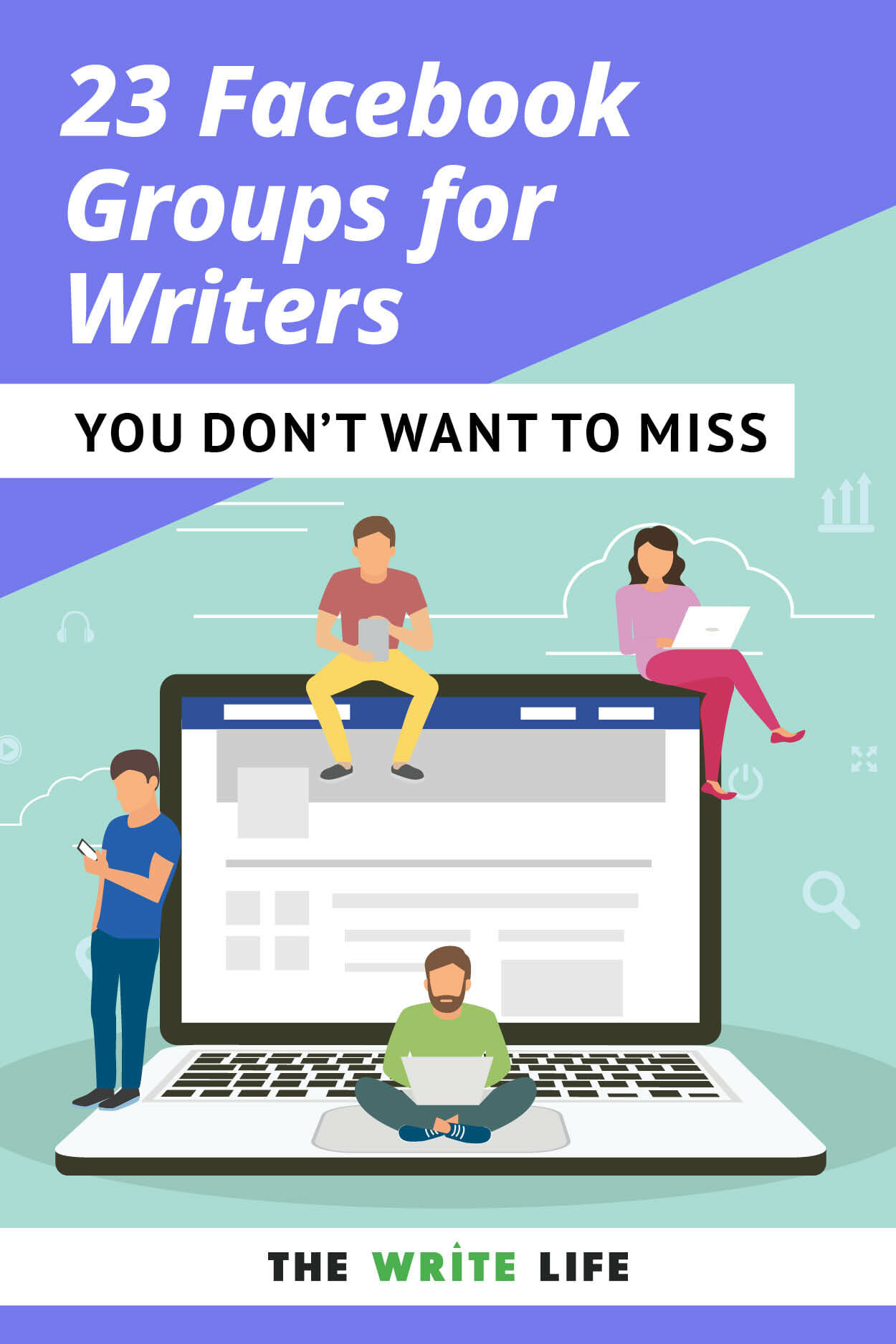
      23 Facebook Groups for Writers You Don’t Want to Miss

      Whether you’re a freelancer, a blogger, a fiction writer or anything in between, we could all use a little company on the sometimes lonely road known as the writing life.

      Maybe you just got your first offer to ghostwrite a book and have no idea what to charge. Maybe your characters refuse to do what you want them to do (isn’t that just like them?), and you could use someone to commiserate with. Maybe it’s after midnight and you’re still up trying to wrestle the words into submission, and you find yourself searching for “writing groups near me” just to find a few writer friends.

      Whatever the reason, online writing groups can be a fantastic way for writers to connect, trade advice, swap war stories and find new opportunities. Knowing there are other people out there who “get” what it’s like to be a writer can be a huge comfort, and the chance to share experience and tips with people on all stages of the writing journey is invaluable.

      [sps_reusable_block post_id=43047]

      These online writing groups are supportive and helpful

      We polled writers to find out which online writing groups they personally could not live without — and many of them relied heavily on Facebook groups.

      Note: Even if a Facebook group isn’t currently super active with members posting, you can still find a ton of great resources. We suggest searching groups to find topics you’re interested in. For example, search “rate,” “pay” or “compensation” to find topics on money.

      So here are some of the best Facebook groups for writers.

      1. The Write Life Community

      Before we dig in deep about what’s out there, we hope you’ve joined The Write Life Facebook group! Writers of all experience levels share their struggles and wins, ask each other questions, and generally support and encourage one another. Recent topics of discussion include how to beat procrastination and the best ways to find remote writing opportunities.

      Size: 28,100 members (as of March 2021)

      2. Author Success Collective

      This group for aspiring and current authors was created by Self-Publishing School to allow a place for authors to come together, talk about what’s working and not, along with a place to connect with like-minded people with a single goal—to write and publish high-quality books that sell. They also host challenges with unique, themed-based content to help you along your journey.

      Size: 4,000 members and growing

      3. The Freelance Content Marketing Writer

      Created by Jennifer Goforth Gregory, who has a book by the same name as the group, this space is for writers who work in content marketing. Most have a background in digital marketing, journalism or freelance writing, and they discuss topics like how much to charge for specific services, where to look for a virtual assistant, and alternatives to getting paid with PayPal. Plus, each week a jobs thread is created, so you can check out new opportunities.

      Size: 6,300 members (as of March 2021)

      4. Writers Helping Writers

      Whether you’re a newbie looking for advice or an established pro who’d like to pay it forward, this community is a great place to support and learn from other writers, as well as editors, publishers, agents and more. Posts include writers asking for feedback on cover designs, sharing motivational quotes and comics about writing, and sharing writing wins.

      Size: 286,000 members (as of March 2021)

      5. What’s Your Plan B?

      This group is for journalists who have left the industry, are preparing to leave the industry, or fear they might be forced into leaving the industry… and what they’ve gone on to do with their careers. It’s full of ideas from writers and editors who have used their skills to make an income in new ways and requests from journalists who are struggling with the change. It’s a supportive space!

      Size: 16,200 members (as of March 2021)

      6. Pat’s First Kindle Book (From Start to Finish)

      Ever wanted to write a Kindle book or wondered how the process works? Join this group to get a behind-the-scenes look at popular blogger Pat Flynn’s own journey to publish a Kindle book from start to finish. In addition to watching Pat’s journey, readers have a chance to ask questions, share their own advice and experiences and get feedback on similar projects they’re working on.

      Size: 16,700 members (as of March 2021)

      7. Inner Circle Writers’ Group

      Created by Grant Hudson of independent publisher Clarendon House Publications, this group is for new and established writers who are interested in the craft and practice of writing. Many of the posts are writers cheering each other on as submissions are accepted and published, so if that’s something you’re working toward, you’ll be in good company here.

      Size: 9,000 members (as of March 2021)

      8. Ask a Book Editor

      This group is all about asking questions you have about the writing process and getting answers from editors. Admins prefer participants ask specific questions, rather than posting excerpts and asking for feedback. This is a great place to lurk and learn even if you don’t have a reason to participate! There’s also a Help Wanted section for writers looking to hire an editor.

      Size: 7,600 members (as of March 2021)

      9. 10 Minute Novelists Group

      For novelists looking to improve their craft, especially those who are crunched for time to write. As one member told us, “10-Minute Novelists is my all time favorite…the group is so supportive, the admins are very active in discussions and post regularly…It’s helped me so much!” Look for inspiring features like Tuesday #BuddyDay (when you can find critique partners and beta readers) and Wednesday #AuthorHappiness chats (where members celebrate their weekly successes).

      Size: 15,900 members (as of March 2020)

      10. Beta Readers and Critique Partners

      If you’re willing to become a beta reader or critique partner, or you want to find one for your work, this is the place to connect with other writers. You’ll see calls for reads of poetry, action, drama, historical fiction, personal essays, non-fiction…pretty much every type of writing.

      Size: 18,700 members (as of March 2021)

      11. Word Nerds Unite

      Run by Gabriela Pereira at DIY MFA, a do-it-yourself alternative to a master’s in writing, this group focuses on all things writing. Topics have included how to beat writer’s block, call-outs for beta readers and grammar questions. Pereira herself interacts regularly, sharing Word Nerd Wins and hosting weekend writing sprints, which she says are like virtual writing retreats. This is a fun and motivated crowd!

      Size: 8,400 members (as of March 2021)

      12. Calls for Submissions (Poetry, Fiction Art)

      This group collects submission calls for poetry, fiction and art and presents them all in one easy-to-follow place. If you’re looking for publication opportunities, it’s worth checking out.

      Size: 66,300 (as of March 2021)

      13. Indie Author Group

      This group of indie authors and self-publishers focuses mainly on fiction. It’s a great place to get advice, air your grievances and discover new authors.

      Size: 12,100 members (as of March 2021)

      14. Indie Writers Unite!

      Open to indie writers of all kinds, this group allows self-promotion only in admin-created threads, and has a fair but firm panel of moderators who keep spammers and trolls at bay.

      Size: 8,200 members (as of March 2021)

      15. Journey Feed Blogging Community

      Founded by blogger Edwin Covarrubias, this is a place for bloggers to connect and share ideas. You’ll also find opportunities to promote your blog if you’re a new blogger looking to find readers.

      Size: 4,900 members (as of March 2021)

      16. Blogging Boost

      Another group chock full of advice, resources and support for bloggers, this group limits self-promotion to Mondays only, which helps save your feed from over-saturation.

      Size: 33,000 members (as of March 2021)

      17. Write On! Online

      An extension of a live group that started at a Barnes & Noble in California in 2002, this group aims at helping writers set goals, troubleshoot and network. It’s hosted by hosted by Debra Eckerling of The D*E*B Method. As one member told us, “They have a supportive environment…to provide that much needed ‘kick in the pants’ without the guilt.”

      Size: 2,500 members (as of March 2021)

      18. Writers Write

      If you’re looking for less of a participatory experience and more of a compendium of all things writing, this group is a fun news source of recent doings in the writing world. Notable posts include reaction to Bob Dylan’s nomination for (and subsequent radio silence towards) the Nobel Prize for Literature and Kanye West penning a poem on McDonald’s french fries for Frank Ocean’s new art mag. Dare we say it’s a great way to kill a little “writer’s block” time?

      Size: 19,800 members (as of March 2021)

      [sps_reusable_block post_id=43047]

      19. Writers World

      As one of the phrases on this group’s logo image indicates, you need “lizard skin” to be an active member in this critique-only group. You’ll find no pep talks or ego-fluffing here, simply polite, but pull-no-punches assessments of any pieces members offer up for critique. (One of the admins has edited for Disney and NBC, if you wonder how useful those critiques are.) If you want to get serious about your work, and you can handle bold honesty, this group can help you hone your skills.

      Size: 7,600 members (as of March 2021)

      20. NanoLand

      Have you ever participated in National Novel Writing Month (aka NaNoWriMo)? This group can help you through the challenge by offering support, tips and empathy as you type, type, type your way to 50,000 words in 30 days. It continues to stay active outside of November, too. 

      Size: 22,600 members (as of March 2021)

      21. Women Writers, Women’s Books

      Ladies, this one’s for you. Connect with women writers of all genres and experience levels, from indie scribes to traditionally published and self-published authors. Member Suzanne Brazil said of the group, “They have an active Twitter presence, publish helpful essays, support each other’s blogs and author pages and are generally just a great place for technical questions, writing advice, and encouragement! Can’t recommend them highly enough.”

      Size: 19,200 members (as of March 2021)

      22. The Aspiring Travel Writer

      Run by blogger and podcaster Alexa Williams Meisler of Break Into Travel Writing, this group’s goal is to provide “a page to ask questions, share ideas and support each other in the travel blogging world.” Self-promotion is limited to “Friday Free for Alls” to allow members to focus more on supporting and learning from each other.

      Size: 8,300 members (as of March 2021)

      23. Writing Bad

      Whether you’re just starting out or you’re a seasoned author with several published titles to your name, this group welcomes you. The whole concept is they don’t believe in bad writing — just undeveloped writing that needs some TLC. The members of the group are there to offer you support.

      Size: 13,700 members (as of March 2021)

      Want more Facebook groups for writers to choose from? Writer Elna Cain offers more ideas here.

      This is an updated version of a story that was previously published. We update our posts as often as possible to ensure they’re useful for our readers.

      Photo via sitthiphong/ Shutterstock 

      [sps_reusable_block post_id=43047]