Tag: blogging

  • The Ultimate Guide to Writing Ultimate Guides

    The Ultimate Guide to Writing Ultimate Guides

    The name of this post made you click on it, didn’t it?

    “Ultimate guide” has become an Internet buzzword over the past few years as people search for ways to bring in traffic, boost their site’s credibility and add quality content to their web sites. Anytime you see the words “ultimate guide,” you can bet there’s a ton of research behind the story, as well as a writer with very tired typing fingers.

    You don’t have to be an expert in your chosen subject area to write an ultimate guide. But you do have to have an expert-level understanding of what makes a great ultimate guide to undertake this type of post. (Click to tweet this idea).

    Here’s a primer on all you need to know and what you need to cover when writing your next ultimate guide.

    Choose a topic

    It can be hard to settle on an idea you like enough to write about. Ideally your topic should be something you are familiar enough with to write comfortably. At the same time, it also needs to be something others want to read about. If you’re an expert on making liverwurst from scratch, you may write a wonderful ultimate guide, but very few people are going to be interested enough to read it.

    A great example of a guide that combines expertise with information people want to read is Yoast’s definitive guide for WordPress optimization. This combination of authority and a universally appealing topic should be your goal.

    Keep in mind that your topic should be unique. There are hundreds of guides for search engine optimization, but fewer about niche areas of SEO, such as ecommerce sites. Pick something that will make your guide stand out among the many other competing voices.

    Cover all of your bases…

    Writing something called “the ultimate guide” can be a bit intimidating. How do you make sure you cover all of your bases? Here are some ideas to keep you on track:

    • Do keyword research to see what searches people are doing related to your topic.

    • Search Quora to see what questions people are asking about your topic.

    • Read other ultimate guides that have been written about your subject and note what’s missing.

    • Contact experts in the field to find out what they would like to see covered in an ultimate guide. Perhaps you can incorporate a few industry voices.

    • Find links you want to include, making sure you stick to high-quality sites that will expand more upon areas you don’t cover.

    • Create a detailed outline to ensure that you don’t forget anything.

    … but don’t cover too many bases

    Does that seem a bit confusing? You should always aim for thoroughness when making an ultimate guide, but don’t bite off more than you can chew. You have to keep your topic focused or else your guide will end up being 20,000 words long, and you’ll ramble off on so many tangents you’ll lose your audience.

    For instance, when making a list of resource links in your ultimate guide, stay organized and stick closely to your topic. A good example of this balance between too much and not enough information is the Alternative Medicine Resource List maintained by 12 Keys. While the list includes a number of different subcategories, which is great for anyone researching alternative treatments, it’s not so overwhelming that people will get lost amid all the links.

    Keep your content evergreen

    As the name “ultimate guide” suggests, this is a post designed to stand the test of time. You want people to find your ultimate guide in search results for years, not just weeks. That means that it needs to be evergreen. Evergreen content, much like its namesake trees, never loses its luster. It is relevant and important months and even years after it’s published.

    In order to make your post evergreen, avoid references to current pop culture and news. Also make sure you reference events by their date instead of saying something general like “next month” or “next year” — such comments are confusing to someone reading your guide three years from now. Finally, it is a good idea to intermittently go back and update your guide.

    Promote your guide

    Once you’ve finished writing your guide, it’s time to move on to promoting it. The first and most obvious step is to take to social media. Ultimate guides are highly shareable, and they get lots of momentum on the major social networks.

    You don’t have to spend all your waking hours on Twitter to do this. Try out various ways to automate your presence on the days when you have other more pressing tasks, setting up your feed to promote your guide even when you can’t be doing it live.

    Be proactive by packaging the guide in different formats to get it more play across the web. One approach is to to make an infographic out of your guide, and link the graphic back to your post. Infographics are a great way to drive traffic in from other sites. You could also repackage the guide as an ebook and give it out to anyone who subscribes to your newsletter. There are lots of creative ways to get more leverage from your guide.

    With the right topic, outline, timeliness and promotion, your guide can become one of your most successful writing projects. Now go find that topic! Just remember, stay away from liverwurst.

    Have you written an “ultimate guide?”

  • How to Make Money as a Freelance Blogger (and Actually Enjoy Your Work)

    How to Make Money as a Freelance Blogger (and Actually Enjoy Your Work)

    High-speed internet connection? Check. Laptop? Check. Dedication, ambition and a love for putting pen to paper? Check, check, check.

    You’re ready to make money as a freelance blogger and land blogging jobs. You’re just not sure how to do it.

    The good news is that other people have done it. These bloggers have made more than a buck or two by freelance blogging, which proves that it’s possible! You can make your living — and then some — in this field.

    How to prove your worth as a freelance blogger

    It’s time to learn from the best in the biz. We talked with successful writers who make money from freelance blogging to see what worked for them. Follow their tips to get started on your successful freelance blogging career.

    Here’s how to make money from freelance blogging.

    1. Find your niche

    If you’re a jack of all trades, master of none, you won’t make much money freelance blogging. Why not?

    Because you won’t stand out as an expert on anything.

    You can demand higher rates if you are a subject matter expert. Your niche will help here – tremendously.”
    Marya Jan of Writing Happiness

    2. Start your own blog

    Since you’re just starting out, you probably don’t have a writing portfolio. If you have nothing to entice clients to hire you, why would they? They’ll go with someone who already has some experience, which leaves you back at square one.

    But if you have your own blog and can submit samples of your own posts, you’ll be able to prove to clients off-the-bat that you’re hireable. (If you want guidance on this, here’s our step-by-step guide to starting a blog.)

    “If you want to become a successful freelance blogger then you should create a successful blog. It doesn’t have to be the next Mashable (when I landed my first job my blog was attracting just forty visitors per day), but a successful blog is practical evidence of your abilities.”
    Tom Ewer of Leaving Work Behind

    3. Keep blogging on your own

    Once you start landing freelance blogging gigs, it’s important to keep up your personal blog — even though you aren’t paying yourself to do so. Focus on growing your community and providing relevant content. The next step is finding a way to monetize your personal blog so it can become another revenue stream.

    “Once you’ve built up a following, you can also sell e-books, courses, and other products to your readers — or market yourself as a writer in your industry.”
    Linda Formichelli, formerly of The Renegade Writer

    4. Blog only for readers you want

    You want to be a freelance blogger so you can have the freedom to work from wherever — ideally from a sunny beach while sipping a Mai Tai. Although that isn’t a realistic vision of what it really means to be a freelance blogger, keep that vision in mind anyway. The idea is that a flexible job gives you freedom.

    If you’re working for a difficult client or writing a blog post on something you couldn’t care less about, it doesn’t matter how beautiful that beach is or how delicious that Mai Tai tastes. You’ll be miserable.

    Every project you say “yes” to means you have less room to say “yes” to another project. So make sure everything on your plate is something you really want and can handle.”
    Kelly Gurnett of Cordelia Calls It Quits

    5. Seek out regular clients

    Time is money, and every time you start working with a new client, you’ll have to spend (sometimes unpaid) time getting to know the client, their expectations and their style. With long-term clients, you’ll have a more steady income and can even negotiate a higher rate down the road.

    I work with a handful of long terms clients and spend next to no time on marketing and administration. It is highly rewarding to know that the vast majority of the work I do on my freelance business is directly earning me money. My hourly rate really is my hourly rate.”
    Tom Ewer of Leaving Work Behind

    6. Speed up

    Simply put, the faster you type, the more blog posts you can crank out and the more money you can make. So if you can’t type quickly or you make a lot of typing errors, get to work on improving your speed and become a more efficient typist.

    “It may sound trivial, but it really isn’t. If you are interested in writing for a living, learning to type faster is effectively a business investment.”
    Tom Ewer of Leaving Work Behind

    7. Blog for free

    Wait, isn’t this a post about making money as a freelance blogger? Hear me out.

    Do you want to get your name out there and in front of clients who have potential to pay a lot? Do you want to prove you’re an awesome writer without having to beg clients to give you a chance? Writing for free is your answer to all of the above. Writing for free is how you make money down the road.

    Writing for free helps you gain visibility and develop a network of people who will actually pay for something you offer, so long as you’re smart enough to monetize that opportunity.”
    Alexis Grant, founder of The Write Life

    8. Be prepared to write quite a lot — and then quite a lot more

    Yes, freelance blogging is a cushy work-from-your-couch job that doesn’t even require wearing pants. That doesn’t mean it’s easy. It’s still hard work.

    Freelance blogging can be a bit of a grind. So if you think this is about resting on your laurels, think again.

    “Yes, this isn’t that moonshot way of earning that so many are dreaming of, where you monetize your own blog and make six figures on autopilot. This is an everyday, working-class sort of way to earn from blogging. Simply helping publications and companies communicate powerfully with their readers and customers.”
    Carol Tice of Make a Living Writing

    9. When the time is right, increase your rates

    When you land your first freelance blogging gig, it’s likely not going to pay lucratively. That’s okay. But as you gain more experience and know your clients want to keep you around, it’s time to raise your rates and start making more money.

    “Look, as a freelancer, there’s no boss giving you an appraisal and deciding that it’s time to beef up your paycheck. That’s up to you. Most experienced freelancers I know will raise their rates every year or so (unless the economy is tanking). If nothing else, raise your rate according to the rate of inflation. If you don’t, you’re effectively losing money.”
    Mridu Khullar Relph of MriduKhullar.com

    10. Step the f*ck up

    You don’t know if you’re good enough. You don’t have tons of experience. You don’t really know what you’re doing.

    Enough with the excuses.

    If you want to be a successful freelance blogger, then you need to adjust your attitude, clean your slate of all those excuses and get started already. Because one thing is for sure. Your freelance blogging “career” will continue to make you zilch for the rest of your life if you don’t start somewhere.

    “Deciding that you simply don’t have the confidence to talk to people about your freelance blogging services, or to apply for an advertised gig, is like deciding that you’re too shy to call emergency services when someone’s lying wounded at your feet. Excusing yourself from freelance blogging because you don’t know where to begin is like excusing yourself from eating cake because you don’t know where to slice it.”
    Sophie Lizard of Be a Freelance Blogger

    Excusing yourself from freelance blogging because you don’t know where to begin is like excusing yourself from eating cake because you don’t know where to slice it.

    How have you developed your freelance blogging career?

  • 5 Lies You Tell Yourself That Keep You from Becoming an Awesome Writer

    5 Lies You Tell Yourself That Keep You from Becoming an Awesome Writer

    Many writers are afraid of writing.

    As a blogger and writer, I’m approached quite often by friends and readers who are interested in starting to freelance, or to write on their own.

    The truth is that they’re all better writers than me, but they haven’t decided to start a blog, write a book, or begin freelancing, because they believe the bunch of lies that their mind tells them about writing.

    There are several myths that I’m tired of hearing over and over again, so today I’m going to debunk them. Here are five common lies writers believe — and why they’re all wrong.

    1. I have nothing to say

    This is a bald-faced lie.

    How many times have you been in a conversation, and simply said nothing the entire time? Unless it was a terrible date, the chances are that, when you’re out with people, you’re able to have a conversation. In fact, I expect you rarely end up going out with friends and saying nothing the entire night because you “have nothing to say.”

    Lies.

    • You don’t have an opinion on anything?

    • You don’t have domain knowledge of anything?

    • You don’t get excited about anything?

    Focus in on one of those — any of those — and then just start writing, and see what happens.

    You’ve got more things to say than you like to think. (Click to tweet this idea).

    2. No one will listen to me

    Well, it’s really hard to listen to someone who never says anything.

    That hurts, huh? Well, it’s true.

    If you write something, at least you give people the option of listening to you. If you keep everything bottled up, you don’t even give them the chance.

    This is easily the worst excuse for not starting. Even if nobody reads anything you write, writing will make you a better thinker, and will allow you to communicate your thoughts more clearly, simply by practicing.

    3. I’m not interesting

    You don’t have to be. I don’t want to be the bearer of bad news, but people aren’t interested in you. You know what they’re interested in? Themselves. Seriously.

    More than anything, people are interested in themselves and in their problems. If you write about things that affect them, it doesn’t matter if you’re the most boring person who’s ever lived. In their eyes, you’re going to be incredibly useful because you speak to their needs, and help them solve their problems.

    If you focus your writing on solving problems, your readers will find you more interesting than the Dos Equis guy.

    4. I can’t make money writing

    That’s not true. While you might not get a million-dollar book advance, you can make a pretty good income from digital publishing. If you don’t believe that, just look at Alexis — or Ali or Dana or Chris or Darren. If you’re into writing fiction, just take a look at Johnny: he’s made novel writing his full-time gig.

    Heck, I’ve managed to do it, and I’m not even that great of a writer.

    The fact is that writing is a medium of communication. If you can use communication to help solve problems, you’ll always be able to charge for it. While they might not look like the book deals of thirty years ago or the newspaper dynasties of the last century, writing careers certainly aren’t dead. They’re just changing.

    5. I can’t compete with CNN

    Good news! You don’t have to!

    The traditional media channels are dying. They’re becoming more and more segmented according to people’s interests. You don’t have to compete with CNN. You can create your own little media network, and be a miniature giant.

    Besides, with how ridiculous the news networks are becoming lately, do you really want to “compete” with them? You can do way cooler things on your own, without waiting for permission from the corporate politics and bureaucracy which plague huge media companies.

    Writing careers aren't dead, they're just changing.

    Did any of those excuses hit home? If so, good. They should.

    Get rid of your excuses, pick a favorite writing tool and start writing.

    Because, when it comes down to it, there’s really only one defining characteristic of a writer:

    A writer writes.

    What lies have you told yourself about writing? How did you move past them?

  • How to Write Blog Post Headlines Readers Want to Click On

    How to Write Blog Post Headlines Readers Want to Click On

    With the number of blogs out there, bloggers must do all they can to make theirs the best it can be. The best way to do this is by making sure your blog is not stale or cliché.

    So many bloggers write about the same topics; being creative makes the difference between readers choosing your blog, or not. Even if you post about similar topics and issues, having a fresh and imaginative headline for your posts can attract readers to your blog rather than a competing one.

    Here are some thoughts to consider when you’re putting the finishing touches on your next brilliant post:

    Be expressive

    Draw your readers in by infusing your post titles with passion. Make it clear that you are invested in the material of your posts and are writing for a purpose rather than just for the sake of maintaining a blog. This means being animated, perhaps even controversial, so that your personal opinions and feelings are evident. Take a stand!

    Readers tend to be more interested in reading something inspired by actual opinions, just as most people prefer to listen to music where the singer’s passion is evident in his or her lyrics and voice.

    “Everyone loves raw, human, honest moments,” say Sara Critchfield and Adam Mordecai, Upworthy’s Managing Editor and Viral Curator, in their explanation of the science of viral content.

    Keep it sweet and simple

    If a blog post’s title extends for multiple lines or includes too many words, many readers won’t take the time to read it. A good title is short and to the point, providing a clear focus that illustrates the article’s topic while not giving too much away.

    Another good way to structure your post titles is to provide a brief question that will only be answered by reading the contents of the post.

    Consider SEO, but don’t make it your only goal

    It is definitely worthwhile to insert keywords into your title, as these will increase the chances of the post coming up in search engines, but don’t overdo it.

    Remember, readers can tell when a post is just trying to use a ton of SEO keywords. Such blogs are not usually taken seriously and they consequently receive few readers. Writers must remember that, while they want their posts to come up in searches, they are writing for humans, not for Google.

    Write for humans, not for Google.

    Good grammar is crucial

    If a title is grammatically incorrect, chances are the rest of the post is too. At least, that’s what readers are going to think. If you don’t take the time to edit your titles, readers won’t take the time to read your posts. (Click to tweet this idea).

    Additionally, punctuation is actually necessary. If the title is a question, include a question mark. If it’s an exclamation, use an exclamation mark. Dashes, commas and colons can all be good tools if used correctly.

    However, avoid signs like @, #, and $ as they can seem very unprofessional and they confuse web browsers.

    What do you consider when creating titles for your blog posts?

  • 11 Ways to Doom Your Freelance Writing Career

    11 Ways to Doom Your Freelance Writing Career

    The realities of freelance writing can be daunting, and sometimes the challenges of creating a writing business can seem insurmountable. There has to be an easier way!

    Luckily, there is: aim low.

    Let’s take a closer look at strategies that diminish your chances of progressing as a writer.

    If building a successful freelance writing business is not on your agenda, pay attention and start taking notes.

    1. Write for content mills

    Their business model isn’t viable, and you’ll wind up earning peanuts and drowning in the deepest obscurity. You’ll probably turn up on Google’s umpteenth search results page. But won’t those clips look good in your portfolio? Unlikely.

    2. Waste your time and money selling yourself short on bidding sites

    If you want to avoid being paid a fair wage for an article, try lurking around sites like Freelancer, Elance, and oDesk. You’ll earn a fabulous $3 to $15 per hour regurgitating articles on topics you loathe. Do the math to see how many hours you’d need to work to make a comfortable living. Yeah…that’s what I thought.

    3. Procrastinate

    Since you’re aiming for failure, keep postponing the outlining of your next article and delay reading that blogging ebook you downloaded for free ages ago. Have yet another snack, watch another episode of your favorite show and leave it all for tomorrow. Lather, rinse and repeat.

    4. Expect to learn everything you need to know to grow your freelance writing business for free

    Why pay for an online training session? It’s way too expensive. None of those “online gurus” practice what they preach. You’ll never see the return on your investment.

    If you do go for it and pay for a webinar or course, and the trainer makes the effort to provide you with a recording, be ungrateful and never ever listen to it.

    5. Don’t hire a mentor

    Do you feel like you know it all? If you think you have all the answers, try writing a solid resource post with no research at all. Without consulting anybody else or asking for advice or feedback. You don’t need someone else’s guidance to help you with your strategy.

    Keep admiring your role models from afar. Daydream about eventually becoming one of them without ever having to lift a finger.

    6. Be a writer in a vacuum

    Ignore the writing community. Don’t interact with your fellow writers. Attending networking events? Too expensive. Connecting with others on social media? Takes time away from your Fruit Ninja routine.

    After all, other freelance writers are your competition, so what could you possibly learn from them? You sure don’t want to share any of your brilliant ideas, and they probably won’t either.

    7. Treat your business like a hobby

    Write only when you feel like it. If you’re not feeling inspired today, you don’t need to force your brain cells to produce any content. Nothing will come out of trying to brainstorm or free-write or using a prompt from another writer (see #6).

    If you go out to get some fresh air, leave your notebook at home. Why would you jot down any new ideas that might come to mind?

    8. Shy away from starting a blog to build your brand

    After all, if you started a blog, you’d have to deal with readers and work on building an audience. And then you’d have to engage with that audience.

    The commitment of starting a blog, updating it regularly and producing awesome content to attract subscribers is way more than you can handle.

    9. Complain about how hard it is to be a freelance writer these days

    You’re absolutely sure that none of the writers who’ve published their income reports are telling the truth. How can they earn that much when you’re still seeing nada in the bank?

    They must be using some trick. Make sure you criticize them publicly on social media and in the comments section of various blogs.

    10. Definitely don’t market yourself

    That guest blogging thing? Too much of a hassle. Pitching guest post ideas to bloggers you didn’t want to connect with in the first place is the worst idea ever.

    There are at least 100 ways to market your blog, but it’s easier to just ignore them all.

    11. Give up

    Earning a comfortable living as a freelance writer is impossible, so you might as well quit now.

    There you are: 11 strategies that will blow your chances of ever creating a solid freelance writing career. Putting them into practice would be pretty simple, and would free you from the constraints of the writing life so you could move onto other pursuits, like checking out what your old chemistry lab partner is up to on Facebook, or reading up on the latest celebrity scandal.

    It’s your call!

    What are some other surefire ways to fail at freelance writing? Share your ideas in the comments!

  • Darren Rowse’s 31 Days To Build A Better Blog: Review

    Darren Rowse’s 31 Days To Build A Better Blog: Review

    We review ebooks, courses and tools for writers, so you can make good decisions about how to invest in your writing career.

    Ebook: 31 Days To Build A Better Blog

    About the creator: Darren Rowse is undoubtedly one of the most successful bloggers in the world. He started his blogging career in 2002 and is best known as the originator of both ProBlogger and Digital Photography School. Problogger is home to thousands of articles and how-to’s, all injected with Darren’s practical and transparent approach to blogging.

    Price: $29.99

    Who It’s For: According to Problogger, 31 Days to Build a Better Blog is for bloggers at different stages of their blogging journey, including:

    • You’ve just started a blog and don’t know what to do next

    • You’ve had a blog for a while but it’s stalled in its growth

    • You’re a blogger with bloggers block and lacking inspiration

    There’s no technical background included on how to set up a blog so it’s assumed that your online space is already alive and kicking. Aside from that, this workbook would be very useful to beginners and those looking for a boost in their traffic.

    What It Will Help You Do: This is a 31-day program of small daily tasks designed to improve your blog. It covers everything from content ideas, the best social media platforms to focus on, analytics and more. It will give a clear framework to anyone who wants to improve their blog but doesn’t know where to start or what to prioritize.

    What’s Included: The workbook includes one topic for each day and each topic is broken down into the following sections:

    Teaching: An introduction to the focus of the day

    Task: A breakdown of today’s task in detail

    Notes: A few extra tips drawn from Darren’s own personal experience

    Interact: A hashtag to use when discussing this topic (this was more relevant when the 31DBBB program was first launched)

    Further reading: Links to related articles and posts

    Example: A case study of the topic being implemented successfully

    Each topic is covered in a good amount of detail but is broken down into a clear, actionable task.

    The Best Part: I thought the content tasks were particularly strong; I particularly enjoyed the methodical approach to content generation such as mind-mapping and creating list posts.

    You also can’t argue with the sheer value for money. Fundamentally you are getting each daily lesson from a true blogging expert for less than a dollar. There’s even a 60-day money back guarantee — no questions asked.

    What Would Make It Even Better: 31 Days to Build a Better Blog was completely updated and redesigned in 2012. However, it could be updated again to incorporate newer social platforms and more recent working examples.

    How It Changed My Life: I used this workbook as a framework when I launched my blog The Book Salon and it helped me methodically work through a very long to-do list.

    Our Recommendation: 31 Days to Build a Better Blog gives you a well-structured, well-paced overview of 31 different ways to improve your blog. It’s great value for money and highly recommended.

    This post contains affiliate links. That means if you purchase through our links, you’re supporting The Write Life — and we thank you for that!

  • Submitting an Unforgettable Guest Post: Tips from an Editor

    Submitting an Unforgettable Guest Post: Tips from an Editor

    Guest posting is a fantastic way to get your writing in front of new audiences, network with other bloggers and build your portfolio.

    But apart from writing damn good content (which, of course, is a given), how do you navigate the process of pitching, writing, and follow-up in a way that will get you on an editor’s good side?

    (And you want to be on their good side, not only to boost your chances of this initial post being accepted, but to increase your likelihood of being asked to post again.)

    As Assistant Editor of Brazen Life and Managing Editor of Career Attraction, I’ve seen some fantastic submissions and interactions with guest posters, and I’ve also witnessed plenty of situations that made me want to staple myself in the eyeball:

    • A writer once pitched a fantastic topic, then sent me an email saying simply, “Hey, I changed the content. Here you go!” and attached a totally different, unacceptable post for no apparent reason.
    • I’ve received countless iterations of this mass email: “Dear [editor name here], I came across your [site name here] and want to offer you a unique, high-quality post totally FREE!! All I ask is a few links back to my site in return. Here is my post, please tell me when it will be published!”

    While I know none of you would commit any of these grievous mistakes, there are some blunders I’ve noticed even quality writers committing, and I’d like to give you a heads up from the other side of the submission process. Consider it an inside scoop to give you the upper hand on the competition.

    Pitching Your Post

    DON’T write us until you’ve checked our writer’s guidelines

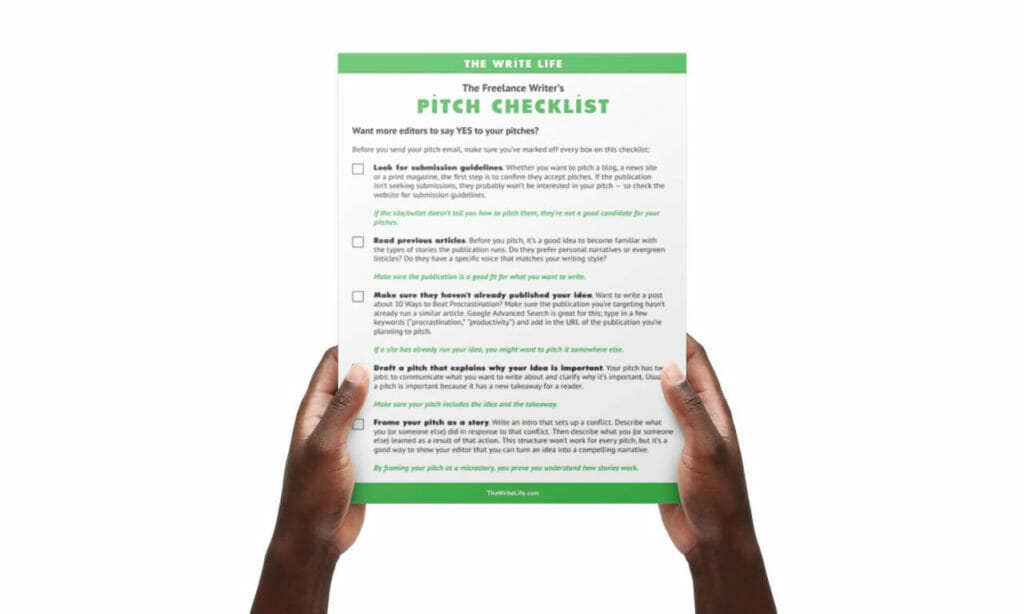
    Most sites have a “write for us” page that tells you exactly what topics the site is looking for, what style of writing it prefers and how to submit your pitches. Look for it and review it carefully before sending us anything. Only if you don’t see one anywhere is a cold pitch acceptable.

    If you get a lenient editor, they may be nice enough to respond to a cold pitch with, “Please check out our guidelines here and get back to me,” but even then, you’ve already lost points for not doing your homework. Editors are busy and receive tons of pitches every day. Ones that indicate a writer took no time to get to know the site he’s pitching are likely to be deleted.

    We want writers whose killer posts will rocks our worlds. We tend to lose confidence in your ability to produce them when you don’t follow our basic guidelines.

    DO keep it brief, to the point and specific

    A line about how much you like our site is a nice gesture; sucking up for a whole paragraph is not. (Did I mention we’re busy people?)

    Give a quick intro of who you are and what credentials make you awesome, then give us the pitch. And by “pitch,” I mean a catchy, well thought-out title followed by a few bullet points discussing what your post will cover.

    Give us something to work with. “I want to write a post on resume tips” doesn’t tell us anything about what the post will discuss or how well you’ll handle it. “I want to write a post on ‘10 Resume Mistakes You Need to Stop Making Now,’ including X, Y and Z” is more like it.

    DON’T pitch us without first checking our site for your topic

    We don’t expect you to have our site memorized; in fact, we understand that many writers pitch us solely because our sites would be good exposure, not because they’re diehard readers. And that’s okay. But that doesn’t excuse you from checking to make sure you’re not pitching an idea that’s already been done.

    Most blogs have a “search” function you can use to see if the topic you’ve thought up has been covered already (especially recently). If a site doesn’t, try Googling “[site name]” plus “[your topic idea]”.

    Your best bet, even after this recon? Pitch us several potential topics so we can choose the one that best fits our site. You don’t know what posts we may have scheduled for upcoming weeks, so giving us options makes it easier for us to say “yes” rather than “no, thank you.”

    DO show us what you’ve got

    Not to be mean, but we don’t know most of you from Adam (or Eve). While you can list out the reasons why we should let you write for us, it’s much better to show us exactly what we can expect to get in a guest post from you.

    Instead of saying “I’ve been featured on these sites,” provide us with links to your work. Try to select posts that share a similar topic area or style as our blog so we can really see you’ve got the chops. I can’t tell you how many pitches I’ve been on the fence about until I saw the writer’s examples to give me a better feel for their abilities.

    Writing Your Post

    DON’T make it all about you

    While personal stories and anecdotes are a great way to connect with your audience and can really make your post stand out, readers are ultimately reading your post to learn what it can do for them.

    So if you’re writing about a personal experience and what you learned from it, tweak your language so that you’re sharing your personal experience, then telling the readers what they can learn from it. Make sure you to use “you” as much as possible to make them feel invested in the piece. Instead of saying, “One problem most writers face is writer’s block” (which in itself is a horrible sentence), say, “If you’ve ever faced writer’s block (and what writer hasn’t?), you know exactly how frustrating it can be.”

    Always bring it back to the reader and address them directly whenever possible.

    DON’T neglect your headline

    Most readers subscribe to dozens of blogs, and the one thing that’s most likely to grab their attention — whether they’re skimming their Twitter stream, RSS feed or inbox — is a headline that forces them to stop and think, “Okay, I’ve gotta know what this is about.” It’s also good for guest poster brownie points, because it demonstrates to the editor that you know how to write for the web and you’ve got your creativity hat on.

    An added bonus for you as a writer is that crafting a strong headline can help you hone your focus as you’re writing the post itself. “10 Ways to Be More Productive” could lead to a decent enough post. “10 Ways to Kick Your Day’s Ass” will not only snag a reader’s attention, but will likely lead to a much stronger post that will keep that attention once they start reading.

    DO write a kick-ass intro

    You’ve hooked the reader with your headline, and that’s great, but you still need to convince them that your post is worth delving into. For a quick master class in intro writing, check out 11 Ways to Write an Irresistible Intro to Your Blog Post by Write to Done and How to Nail the Opening of Your Blog Post by Copyblogger.

    DO keep an eye on formatting style

    Even if your content is flawless, most blogs follow a stylesheet, which means an editor will have to tweak some of your formatting before they can publish your post. Anything you can do to save them extra work a) earns you brownie points out and b) demonstrates that you’re really dedicated to providing content catered to the site (which earns you more brownie points). Before writing, take a look at current posts on the site and mirror the way they’re laid out.

    Does the site center their sub-headers or left-align them? Do they prefer to bold key phrases or italicize them? If they include hyperlinks to other posts on their site, pepper in a few for good measure. (BTW, adding liberal links to your own site probably won’t go over well, and they will likely be stripped from the post even if it’s accepted, so don’t bother.)

    After You Submit

    DO be patient with us

    Some writer’s guidelines will say precisely how long you can expect to wait to hear back on your submission. Others won’t. Either way, bear in mind that we’re juggling many responsibilities, including submissions from our current roster of writers, so it will probably take a little time for us to review your post and respond to you.

    If we don’t get back to you after a two weeks or so,  it’s okay to send a polite “Just checking that you received my post” email. (Starting it off with “I know you’re busy” is always a nice touch.) But don’t get message-happy.

    No news is simply that… no news. It doesn’t mean we’ve deleted your email altogether. It doesn’t mean we hated your post so much we’re secretly stringing you along to see how much we can torment you. Give us a little time and, if you followed all the guidelines you were supposed to, we will get back to you, even if it’s only a “Sorry, but this isn’t the right fit for our site at this time.”

    DON’T take revision requests personally

    We’re not asking you to rewrite a section or flesh out an idea because we’re living out a Devil Wears Prada power fantasy. We want your post to be the best it can be, both for our site and for your sake as a writer. So please (please!) don’t take it personally if we tell you it needs some work.

    We may be making suggestions that will make the post better suited for our site’s audience, or we may have spotted some things you need to work on in your writing. Either way, if we’re asking you to revise, it means we want to be able to use the post. Please understand that any notes we send you are a good sign.

    DO be a good participant once your post is live

    Too many writers see guest posts as free PR, working their butts off to seal the deal with their pitch but disappearing once their post goes live. The writers who really stand out in an editor’s mind (and are more likely to be asked to post again) are those who take an active role in the conversation around their post when it’s published. (Click to tweet this idea).

    Subscribe to the comments and be sure to respond, ask questions and spur the conversation onward. Share the post with your audience on Facebook and Twitter.

    Editors like writers who produce great content, but they love writers who also help spread the word about that content. Hit-and-run guest posters feel a bit insincere (and also demonstrate a lack of interest in the promotion of their own writing, which is sad). Go the extra step, and don’t let the relationship end once the “publish” button is clicked.

    Do you regularly guest post for other blogs (or oversee guest post submissions for one)? What other tips would you add?

  • 5 New Places Online to Find Fabulous Article Ideas

    5 New Places Online to Find Fabulous Article Ideas

    Ever feel like you’ve covered just about every angle for every topic in your niche and you can’t come up with anything new to write about anymore?

    Topic fatigue is normal, and it can happen to any writer or blogger whose work depends on the ability to to come up with unique content on a regular basis.

    If you’re having one of those “I can’t think of anything to write about” or “All my ideas suck” days, try taking a breather for a few hours or even a day to let your creative juices kick back in. If that’s not an option (read: looming deadline), check out these online sources that can serve as goldmines for article ideas:

    LinkedIn Groups

    Look up your target audience on Linkedin and join the groups that they belong to. Once you’re there, read the latest discussions in each group and take note of any questions or concerns that you can address.

    For example, this guest post for Lifehack about freelance writing entry points was inspired by a question that I saw in one of my LinkedIn Groups.

    Plus, mining Linkedin for article topics can also give you a networking and exposure boost. Once you’ve published your article, remember to share the link within the group discussion to answer the original question!

    Blog Comments

    This idea comes from freelance blogger Sophie Lizard. One of her favorite idea generation methods is to read through the comments of her blog posts and take note of any questions that she can answer or comments that she can build on.

    “When I publish a post, somebody will pop up and go, ‘This is really cool but I wish you wrote more about this and that’, and I’ll go ‘Okay, then I will.’”

    Clever, huh?

    Go back and read the comments of the previous entries on your own site or on your guest posts and see if there any reader questions you can answer. Also consider whether there are any additional discussions, anecdotes, or points that you can write about.

    Sites that make stuff go viral (BuzzFeed, Reddit, Upworthy, etc.)

    Read about the events that are making waves in the mainstream realm and try to relate them to your topic. Being able to come up with a post that’s somehow linked to the latest box office hit, viral video or [insert most recent celebrity/political scandal here] will help you kill two birds with one stone.

    Adding a timely element will help you get rid of your topic fatigue and be able to come up with an article. In addition, since people are more likely to read and share content related to trending topics, you’ll be able to increase the reach and traffic potential of your post.

    Your inbox

    Okay, so if it’s a really slow news day and you can’t find a good enough trending topic to write about, consider taking your search closer to home. Browse through your own inbox for any interesting conversations. Did a colleague send you something funny recently? What are the most common questions that you get?

    Perhaps you can share a client success story and write about how it happened or how you did it. Case in point: Last month, I sent out an email that helped me land a new freelancing client. It was a big win for me, so I was feeling pretty proud of myself and I wanted to share it with the world. So I wrote about my experience, pitched the article to another site, and my post went live a few days later.

    Let ideas come to you

    You don’t always have to go looking for article inspiration. If you set up the right systems, you can have ideas landing on your lap on a regular basis.

    If you haven’t done so yet, set up Google Alerts for specific topics or search terms in your industry. This nifty service sends relevant search results straight to your inbox whenever Google indexes a new page pertaining to your search terms, so you’ll always get a heads up whenever something new comes up in your field. (Hat tip to Carol Tice for the idea.)

    You can also subscribe to industry mailing lists to receive curated news bits and events in your niche. For instance, since I write for many companies in the startup and eCommerce realms, I subscribed to StartupDigest for my weekly dose of startup news, and I signed up for IRNewsLink, Internet Retailer’s newsletter, to keep track of the latest stats and news releases in the eCommerce industry.

    What are some of the mailing lists and newsletters in your niche? Find them and hit subscribe.

    Bottom line: There are plenty of ideas to go around

    Don’t let the slow news day bug get you down. Know that there are always new angles, topics, and events that you can write about. Finding them is just a matter of keeping your eyes and your mind open. (Click to tweet this idea).

    You can also think of it this way: Having trouble coming up with new topics to write about can be a sign that you need to take things a step further and level up as a writer.

    Perhaps you’ve found ideas in the same places and exhausted your resources. Or it could be that the communities or thought leaders that you follow just don’t fit your knowledge and expertise level anymore, and you need to join better groups or learn from more challenging books and courses.

    In any case, if you’re stumped on what to write about, it doesn’t help to dwell on it. Instead, see it as a wake-up call to challenge yourself and explore new things.

    How do you find new ideas during slow news days? Share your thoughts in the comments below!

  • Jon Morrow’s Guest Blogging Course: Review

    Jon Morrow’s Guest Blogging Course: Review

    We review ebooks, courses and tools for writers, so you can make good decisions about how to invest in your writing career.

    Course: Guest Blogging

    About the Creator: Jon Morrow is the former Associate Editor of Copyblogger and the brains behind Boost Blog Traffic. He’s big in this space, someone who practices what he preaches. And he has an inspiring personal story, too (more on that below).

    Price: $499, with an unconditional 30-day money back guarantee. If you do everything Jon tells you in the course and you still don’t get a guest post on a popular blog of your choice by the end of the 90-day program, you pay nothing.

    Who It’s For: Beginners and mid-level bloggers who want to learn about how to guest post on other people’s blogs. It also teaches why guest posting is a valuable strategy and how to leverage value out of the investment of your time on someone else’s blogs.

    What It Will Help You Do:

    1. How to find blogs that will accept your guest posts

    2. How to create a relationship with the blogger/editor before you pitch to them

    3. How to write awesome headlines

    4. How to write awesome blog posts

    5. What’s expected from you as a guest poster

    6. How to leverage value out of your guest posts (Hint: it’s not about the links)

    What’s Included:

    • Headline Hacks ebook

    • 17 lesson videos (some with homework)

    • Various other course related .pdfs, videos, and podcasts

    • Access to a private forum

    • Help with reviewing and editing your guest posts before they are submitted–as in someone will spend quite a bit of time on helping you with your post.

    • Access to weekly video conferences Jon where guest posts are reviewed and Q&A sessions.

    The Best Part: Jon Morrow. Jon is quite an inspirational person. As you go through the course, you get to know a little about his life story.

    Jon has a way of writing and communicating that makes it seem like he’s in the room with you. He also wants to share and pass on those communication skills to you.

    I also appreciate that the course teaches you how to guest post in a methodical and process orientated way. The course defines guest posting as a process and then explains each step of the process to you.

    What Would Make It Even Better: The content of the course is great. What would help make the overall community better is to improve the activity of the forum between members. The potential of the community perhaps isn’t being explored to the fullest.

    Our Recommendation: If you’re serious about your career as a blogger and plan to spend more than four hours a week on blogging in the coming year, then buy this course. You don’t want to spend hundreds of hours of work on your blog and not get something back from the time you’ve spent.

    If you are an existing blogger with tens of thousands of subscribers already, you probably don’t need to go hunting for guest posting opportunities.

    This post contains affiliate links. That means if you purchase through our links, you’re supporting The Write Life — and we thank you for that!

  • Ali Luke’s The Blogger’s Guide to Freelancing: Review

    Ali Luke’s The Blogger’s Guide to Freelancing: Review

    We review ebooks, courses and tools for writers, so you can make good decisions about how to invest in your writing career. Thanks to Ali Luke for sharing a review copy of this ebook.

    Product: The Blogger’s Guide to Freelancing

    About the Creator: Ali Luke is a professional freelance blogger who writes at her own site, Aliventures, as well as for sites like Problogger, Copyblogger, Men with Pens and Write to Done. She’s written several books on blogging and runs the teaching and community group Writer’s Huddle.

    Price: $29

    Who It’s For: Writers interested in finding steady, fun, well-paid jobs blogging for other people — specifically, by working as a staff blogger (writing regular posts for someone else’s blog). But also useful for freelance bloggers looking for projects here and there.

    What It Will Help You Do:

    Learn how to find (and then get) jobs. Learn what staff blogging is and whether it’s right for you. Discover the various ways to find staff writing jobs and how to apply for them, including: 1) how to leverage guest posts to create a paid blogging relationship; 2) how to maximize your chances when applying “on spec”; 3) which job boards are actually worth your time and how to make sure your application stands out from the crowd; 4) how to network with existing contacts to find job leads; and 5) how to market yourself through your web presence.

    Learn how to nail those jobs once you get them. There’s a great rundown on basic guidelines for writing for the web: post structure, style, selecting images, etc, as well as tips on how to come up with post ideas, how to keep yourself organized, and how to follow up on posts once they’re published.

    Tricky issues you’ll face along the way. How to navigate the waters of negotiating terms for a new gig, how to invoice for your work and (every blogger’s nightmare) how to collect on invoices that aren’t being paid. How to juggle writing for multiple blogs (including when working a day job!). How to stay inspired and motivated and deal with blogger’s block. How to (fairly and legitimately) rework a post idea for several blogs.

    What’s Included: Worksheets (how to determine your freelancing goals, how to come up with headline ideas, templates for various post types, etc.). In-chapter advice from web pros like Glenn Allsopp of ViperChill. An appendix of posts for further reading around each chapter’s topic. And a $10 discount code on Ali’s The Blogger’s Guide to Effective Writing.

    The Best Part: You emerge from the book feeling like you’ve just gotten a comprehensive 101 course on staff blogging from day one to day-infinity. With easy to understand, actionable steps and smart, real-world tips from someone who’s been there and learned from that, this book is highly digestible and full of things you can do today to grow your blogging career, no matter what stage it’s at.

    What Would Make It Even Better: Honestly? I can’t really think of anything it’s missing. It’s a thorough review of all the need-to-knows and packs in a lot of info for an affordable price.

    Our Recommendation: While aimed at aspiring staff bloggers in particular, most of the knowledge and tips in this book could easily be parlayed into freelance blogging in general. Topics like finding and applying for jobs, networking, negotiating your rate and handling your workload are things all professional bloggers need to know. If you’re looking to break into the world of paid blogging (or grow your current presence), this book is a great resource.

    This post contains affiliate links. That means if you purchase through our links, you’re supporting The Write Life — and we thank you for that!