Blog

  • 205 Trigger Words: Ultimate Guide for Writers

    205 Trigger Words: Ultimate Guide for Writers

    When it comes to powerful copy, few elements hold as much sway as the aptly named ‘trigger words.’

    These potent tools wield the power to evoke emotion, spur action, and forge a deeper connection with readers, making them indispensable in the arsenal of any writer.

    From the persuasive prose of a seasoned copywriter to the captivating narratives of a storyteller, trigger words help breathe life into written content, transforming passive readers into active participants.

    This guide aims to demystify the concept of trigger words, offering writers of all disciplines a comprehensive overview of how to harness their power to enchant, persuade, and engage.

    What are trigger words?

    Trigger words are linguistic catalysts, meticulously chosen to provoke a psychological or emotional response.

    They are the secret ingredients that make headlines irresistible, calls to action compelling, and stories unforgettable. In essence, trigger words tap into our deepest desires, fears, hopes, and dreams, pulling at the heartstrings or stoking the flames of curiosity.

    Their power lies not just in the emotional stir they create but in their ability to motivate readers towards a specific reaction or action.

    Whether it’s to inspire joy, ignite a sense of urgency, or build trust, the strategic use of trigger words can significantly enhance the impact of your writing.

    By understanding the underlying emotions and motivations of your audience, you can select trigger words that resonate on a personal level, making your content not just seen, but felt.

    Nine types of trigger words for every situation

    Let’s begin our process of exploring different types of trigger words.

    For your convenience, we’ve arranged these trigger words into nine distinct categories. We’ll offer guidance on the purpose of each category along with an extensive list of trigger words and what they mean.

    Let’s begin with trigger words that provoke an emotional response.

    Emotional trigger words

    Let’s look at words that trigger an emotional response.

    What are emotional trigger words?

    Emotional trigger words are powerful tools that tap into a wide range of human emotions, from joy to fear.

    These words have the unique ability to connect with readers on a deeply personal level, evoking specific feelings that can significantly enhance the resonance and impact of your writing.

    Whether it’s to inspire, comfort, motivate, or challenge, using emotional trigger words effectively can transform your content into a more engaging and memorable experience for your audience.

    35 emotional trigger words

    1. Joyful: Creates a sense of happiness and delight.

    2. Fearless: Inspires bravery and overcoming challenges.

    3. Tragic: Evokes feelings of sadness and compassion.

    4. Euphoric: Generates a sense of extreme happiness or elation.

    5. Infuriating: Provokes anger or strong annoyance.

    6. Heartbreaking: Induces deep emotional pain or sadness.

    7. Invigorating: Refreshes, energizes, and revitalizes.

    8. Lonely: Conveys feelings of isolation or solitude.

    9. Optimistic: Inspires hopefulness and confidence in the future.

    10. Panic: Triggers a sudden sense of fear or anxiety.

    11. Riveting: Captures intense interest or attention.

    12. Soothing: Offers comfort, calmness, or relaxation.

    13. Terrifying: Evokes extreme fear or horror.

    14. Vulnerable: Expresses openness to emotional harm or attack.

    15. Whimsical: Relates to light-hearted or playful spontaneity.

    16. Empowered: Gives a sense of strength and confidence.

    17. Despair: Conveys a deep sense of hopelessness.

    18. Thrilled: Produces intense excitement or pleasure.

    19. Betrayed: Feels deceived or let down.

    20. Nostalgic: Evokes sentimental longing for the past.

    21. Overwhelmed: Gives a sense of being overcome with emotions.

    22. Anxious: Causes worry, nervousness, or unease.

    23. Curious: Inspires a desire to learn or know more.

    24. Frustrated: Expresses feelings of dissatisfaction or annoyance.

    25. Hopeful: Indicates optimism or a desire for a certain thing to happen.

    26. Inspiring: Motivates or influences positively.

    27. Melancholic: Relates to deep, pensive sadness.

    28. Outraged: Expresses strong anger, shock, or indignation.

    29. Peaceful: Conveys tranquility and serenity.

    30. Rejuvenated: Feels refreshed or revitalized.

    31. Sympathetic: Shows feelings of pity and sorrow for someone else’s misfortune.

    32. Wistful: Has a feeling of vague or regretful longing.

    33. Zealous: Shows great energy or enthusiasm in pursuit of a cause.

    34. Content: Expresses satisfaction or happiness.

    35. Enraged: Describes intense or violent anger.

    Incorporating a diverse range of emotional trigger words thoughtfully into your content can dramatically amplify its emotional depth and resonance.

    By carefully selecting words that align with the desired emotional tone and response, you can craft narratives that not only inform and persuade but also emotionally engage and connect with your readers.

    Action-oriented trigger words

    It’s time to explore trigger words designed to make your reader take a specific action.

    What are action-oriented trigger words?

    Action-oriented trigger words are crafted to prompt immediate action or decision-making.

    These dynamic words serve as catalysts, propelling readers from passive consumption to active engagement.

    Ideal for calls to action in marketing, sales copy, or any scenario where a writer aims to induce a reader to take a specific step, these words can significantly boost conversion rates and reader response.

    30 action-oriented trigger words

    1. Act: Encourages immediate response.

    2. Buy: Direct call to purchase or invest.

    3. Click: Invites to follow a link or button.

    4. Discover: Promotes exploration or revelation.

    5. Download: Suggests obtaining digital content.

    6. Enter: Invites participation or entry.

    7. Join: Calls to become part of a group or community.

    8. Learn: Encourages gaining new knowledge or skills.

    9. Play: Suggests engaging in an activity or game.

    10. Read: Invites to delve into content.

    11. Register: Calls for signing up or enrolling.

    12. Save: Promotes cost-saving or resource-preserving actions.

    13. Start: Initiates beginning of an action or process.

    14. Submit: Requests provision of information or materials.

    15. Try: Encourages testing or sampling.

    16. Visit: Invites to go to a place or website.

    17. Watch: Suggests viewing a video or presentation.

    18. Claim: Encourages taking possession of an offer.

    19. Compare: Invites analysis or evaluation.

    20. Donate: Calls for charitable giving.

    21. Upgrade: Suggests moving to a better version or level.

    22. Share: Encourages dissemination of information.

    23. Schedule: Invites planning or arranging a time.

    24. Review: Requests feedback or evaluation.

    25. Access: Suggests obtaining entry or rights.

    26. Choose: Encourages making a selection.

    27. Get: General call to obtain or receive.

    28. Sign up: Requests registering or subscribing to a service.

    29. Unlock: Offers access to more content or features.

    30. Explore: Invites investigation or discovery of something new.

    By strategically incorporating these action-oriented trigger words into your content, you can effectively guide your readers toward the desired action.

    These powerful words can transform passive interest into active engagement, enhancing the overall impact of your communication.

    Trust-building trigger words

    Trust is invaluable, and trigger words have a big role to play in building it. Let’s look at how.

    What are trust-building trigger words?

    Trust-building trigger words enhance your credibility and foster trust with your audience.

    These words are vital in creating a sense of reliability and assurance, crucial in all forms of writing but especially in areas where trust is a key factor in the reader’s decision-making process, such as in financial advice, health information, and product reviews.

    25 trust-building trigger words

    1. Authentic: Signals genuine quality or origin.

    2. Backed: Offers support or endorsement from a credible source.

    3. Certified: Indicates approval or validation by an authoritative entity.

    4. Dependable: Suggests reliability and consistency.

    5. Endorsed: Shows support or approval by a respected figure or institution.

    6. Guaranteed: Provides assurance of satisfaction or effectiveness.

    7. Honest: Conveys straightforwardness and integrity.

    8. Legitimate: Signals lawful or genuine status.

    9. No-risk: Promises no danger or loss in engagement.

    10. Official: Indicates formal authorization or recognition.

    11. Proven: Demonstrates effectiveness or validity through experience or testing.

    12. Reliable: Suggests dependability and trustworthiness.

    13. Safe: Conveys freedom from harm or risk.

    14. Secure: Indicates protection from danger or loss.

    15. Tested: Shows that something has been examined and proven effective.

    16. Transparent: Suggests openness and honesty in operations or intentions.

    17. Trusted: Indicates being dependable and reliable.

    18. Unbiased: Shows lack of prejudice or favoritism.

    19. Verified: Confirms accuracy or authenticity through examination.

    20. Warranted: Provides a formal promise, often related to quality or durability.

    21. Accurate: Ensures correctness and precision.

    22. Confidential: Promises privacy and secrecy.

    23. Ethical: Suggests adherence to moral principles.

    24. Fair: Indicates impartiality and justice.

    25. Privacy: Guarantees protection of personal information.

    Incorporating trust-building trigger words thoughtfully within your content can greatly enhance your audience’s confidence in your message.
    These words help to establish a foundation of credibility and reliability, essential for building lasting relationships with your readers.

    Curiosity-Inducing trigger words

    Never underestimate the power of curiosity. Here are trigger words that allow you to leverage exactly that.

    What are curiosity-inducing trigger words?

    Curiosity-inducing trigger words are designed to spark the reader’s interest, driving engagement and exploration.

    By promising new knowledge, hidden information, or untold stories, these words leverage the natural human desire to learn and discover.

    They are particularly effective in headlines, email subject lines, and introductions, where capturing attention is critical.

    25 curiosity-inducing trigger words

    1. Secrets: Suggests hidden or exclusive knowledge.

    2. Discover: Promises new information or experiences.

    3. Reveal: Indicates uncovering or disclosing information.

    4. Uncover: Suggests bringing to light previously hidden details.

    5. Behind the Scenes: Offers a glimpse into hidden aspects or processes.

    6. Mystery: Implies something unknown or to be solved.

    7. Exclusive: Signals access to privileged information.

    8. Hidden: Suggests concealed or not easily found information.

    9. Forbidden: Implies knowledge or areas typically off-limits.

    10. Banned: Suggests something prohibited, increasing intrigue.

    11. Unveil: Promises the revealing of something new or exciting.

    12. Insider: Implies access to confidential or privileged information.

    13. Unlock: Offers the promise of accessing something valuable.

    14. Confessions: Suggests revealing personal or secretive information.

    15. Untold: Indicates stories or information not previously shared.

    16. Private: Suggests exclusivity or restricted access.

    17. Sneak Peek: Offers a quick, exclusive look at something new.

    18. Breakthrough: Implies a significant discovery or achievement.

    19. Unexplored: Suggests something not yet investigated or known.

    20. Exposed: Reveals something hidden, often scandalous or controversial.

    21. Unravel: Promises to clarify or solve a mystery or complexity.

    22. Little-known: Indicates information not widely known or recognized.

    23. Rare: Suggests something uncommon or infrequently encountered.

    24. Unprecedented: Indicates something never done or seen before.

    25. Classified: Implies restricted or highly confidential information.

    By weaving curiosity-inducing trigger words into your content, you can effectively pique the interest of your readers, compelling them to seek more information.

    These words act as a magnet, drawing readers into your narrative and keeping them engaged through the promise of learning something new or exclusive.

    Urgency-creating trigger words

    Urgency is one of the most powerful forces in compelling a response from your readers. Here are the words you need.

    What are urgency-creating trigger words?

    Urgency-creating trigger words are crucial for conveying time sensitivity, encouraging quicker decision-making.

    These words prompt readers to act swiftly, often in scenarios where a limited offer, deadline, or opportunity is at stake.

    Perfect for sales, promotions, and calls to action, urgency-triggering words help to increase the perceived value of an offer by highlighting its temporary nature.

    20 urgency-creating trigger words

    1. Now: Implies immediate action is necessary.

    2. Limited: Suggests availability is restricted.

    3. Hurry: Encourages quick action.

    4. Deadline: Specifies a final date or time for action.

    5. Expires: Indicates an offer is ending soon.

    6. Last Chance: Suggests a final opportunity.

    7. Immediately: Urges instant action or response.

    8. Closing Soon: Indicates a nearing end or conclusion.

    9. While Supplies Last: Suggests limited stock or availability.

    10. Today: Implies action should be taken within the day.

    11. Final: Indicates the last opportunity or offer.

    12. Countdown: Suggests a limited time before an event or offer ends.

    13. Rush: Urges to act quickly or with haste.

    14. Urgent: Indicates a need for immediate attention or action.

    15. Flash Sale: Suggests a very short-term discount or offer.

    16. Offer Ends: Specifies when an offer will no longer be available.

    17. Don’t Miss Out: Warns against losing an opportunity.

    18. Act Fast: Encourages quick decision-making.

    19. Ending Soon: Suggests a nearing deadline or conclusion.

    20. Time-Sensitive: Indicates an offer or opportunity is not permanent.

    Incorporating urgency-creating trigger words into your writing can significantly influence the reader’s decision-making process, encouraging them to act more quickly than they otherwise might.

    These words are especially effective in promotional content, where creating a sense of scarcity and immediacy can drive conversions and engagement.

    Value-offering trigger words

    Make sure your readers see the value in your content with this type of trigger word.

    What are value-offering trigger words?

    Value-offering trigger words highlight the benefit or value proposition of an offer, making it more attractive to the reader.

    These words are crucial in communicating the advantages or positive outcomes of a product, service, or piece of content, helping to outline what the reader stands to gain by engaging.

    They are particularly useful in marketing and sales copy, where showcasing the value directly impacts the reader’s decision to take action.

    20 value-offering trigger words

    1. Free: Suggests no cost or risk to the reader, enhancing appeal.

    2. Bonus: Indicates additional value beyond what is expected.

    3. Exclusive: Suggests unique benefits not available to everyone.

    4. Premium: Implies superior quality or service.

    5. Gift: Offers something extra without expectation of return.

    6. Limited Edition: Suggests unique value due to limited availability.

    7. Discount: Indicates a reduced price, enhancing value.

    8. Deal: Suggests a favorable bargain.

    9. Prize: Offers a reward or win for engagement.

    10. Value: Emphasizes the worth or usefulness of an offer.

    11. Savings: Highlights financial advantage or cost reduction.

    12. Win: Suggests receiving something of value through luck or competition.

    13. Advantage: Indicates a beneficial factor or superiority.

    14. Enhanced: Suggests improved features or benefits.

    15. Upgrade: Offers an increase in value or function.

    16. Profit: Indicates financial gain or benefit.

    17. Reward: Offers a return or benefit for action taken.

    18. Solution: Suggests a means of solving a problem, adding practical value.

    19. Gain: Indicates obtaining something beneficial.

    20. Best: Suggests superior quality or advantage over others.

    Utilizing value-offering trigger words effectively in your content can significantly enhance the attractiveness of your offer, clearly communicating the benefits and rewards that await your audience.

    By emphasizing what readers stand to gain, you motivate them to take the desired action, whether it’s making a purchase, signing up for a service, or engaging with your content.

    Exclusivity-suggesting trigger words

    As humans we find the idea of something exclusive and special hard to resist. These trigger words will help you inspire that feeling in your readers.

    What are exclusivity-suggesting trigger words?

    Exclusivity-suggesting trigger words create a sense of limited access or special privilege, making offers more desirable by tapping into the reader’s desire to be part of an elite group.

    These words are powerful in marketing and promotional content, where creating a feeling of scarcity and exclusivity can drive immediate action and enhance perceived value.

    15 exclusivity suggesting trigger words.

    1. Members Only: Limits access to a select group, increasing desirability.

    2. VIP: Suggests premium status and exclusive benefits.

    3. Limited Access: Implies restrictions in availability, enhancing value.

    4. Exclusive Offer: Signals a special deal not available to the general public.

    5. Private: Indicates selective access or confidentiality.

    6. Elite: Suggests a superior status or quality reserved for a select few.

    7. Secret: Implies hidden or privileged information.

    8. Rare: Highlights scarcity and uniqueness.

    9. Invite-Only: Limits participation to those who are specially chosen.

    10. Restricted: Implies limited availability or access.

    11. Selective: Suggests a careful choice, adding to the sense of value.

    12. Insider Access: Offers privileged information or opportunities.

    13. First Look: Gives early access or a preview before the general release.

    14. Exclusive Rights: Suggests unique access to use or engage with something.

    15. Limited Release: Indicates availability for a short time or in limited quantities.

    Incorporating exclusivity-suggesting trigger words into your writing can dramatically increase interest and urgency, as readers are often driven by the fear of missing out on something special or unique.

    By presenting your offer as exclusive or limited, you not only enhance its perceived value but also motivate your audience to act promptly to secure their place or advantage.

    Safety-assuring trigger words

    The need for safety is incredibly powerful. This set of trigger words can help your readers feel safe.

    What are safety-assuring trigger words?

    Safety-assuring trigger words convey security, safety, and reassurance, crucial for overcoming objections, especially in transactions or commitments.

    These words play a vital role in alleviating fears and building trust, by assuring readers that their decision to engage is free from risk or harm.

    They are particularly important in sectors like finance, healthcare, and e-commerce, where concerns about safety and privacy are paramount.

    15 safety-assuring trigger words

    1. Protected: Ensures defense against harm or loss.

    2. Secure: Implies safety from external threats.

    3. Guaranteed: Offers assurance of reliability or promised outcomes.

    4. Risk-Free: Suggests engagement without potential for loss.

    5. Safe: Indicates absence of danger or risk.

    6. Privacy: Assures confidentiality and protection of personal information.

    7. Refundable: Implies the possibility of getting one’s money back if not satisfied.

    8. No Obligation: Suggests freedom from forced commitment or consequence.

    9. Insured: Indicates coverage against potential loss or damage.

    10. Certified: Verifies approval by authoritative entities for safety or quality.

    11. Encrypted: Suggests protection of digital information from unauthorized access.

    12. Money-Back Guarantee: Offers reimbursement as assurance of product satisfaction.

    13. Secure Checkout: Assures safe and protected online purchase transactions.

    14. Confidential: Guarantees that information is kept private.

    15. Verified: Confirms authenticity or credibility, enhancing trust.

    By skillfully weaving safety-assuring trigger words into your content, you can effectively address and mitigate the concerns and hesitations of your audience.

    These words serve to reassure readers, fostering a sense of trust and security that can significantly impact their willingness to take the desired action, whether it’s making a purchase, signing up for a service, or sharing personal information.

    Power trigger words for storytelling

    Great storytelling is already immensely powerful – this set of trigger words levels up that power even further.

    What are power trigger words for storytelling?

    Power words for storytelling enhance imagery, emotional depth, and engagement in narrative writing.

    These words captivate the reader’s imagination, drawing them deeper into the story.

    They are essential for writers looking to create vivid, memorable narratives that resonate with their audience on an emotional level.

    20 power trigger words for storytelling

    1. Epic: Conveys grandeur and awe-inspiring scale.

    2. Heartwarming: Evokes feelings of kindness and comfort.

    3. Tragic: Implies deep sadness or disaster.

    4. Triumphant: Suggests victory or success after effort.

    5. Mysterious: Invokes curiosity and intrigue.

    6. Forbidden: Suggests something prohibited, enhancing curiosity.

    7. Haunting: Leaves a lasting, profound impression.

    8. Riveting: Captures and holds attention tightly.

    9. Breathtaking: Indicates overwhelming beauty or impact.

    10. Gripping: Holds interest tightly, compelling continued engagement.

    11. Spellbinding: Captivates in a seemingly magical way.

    12. Harrowing: Describes distressing or agonizing experiences.

    13. Enchanting: Captures charm or delight, often magical.

    14. Devastating: Conveys extreme emotional or physical impact.

    15. Exhilarating: Produces excitement or thrill.

    16. Surreal: Indicates an unreal, dream-like quality.

    17. Chilling: Suggests fear or horror, a spine-tingling effect.

    18. Electrifying: Imparts a sense of thrill or excitement.

    19. Poignant: Evokes a keen sense of sadness or regret.

    20. Whimsical: Conveys playfulness or fanciful imagination.

    Incorporating power words into your storytelling can transform simple narratives into immersive, emotionally charged experiences.

    These words help to paint more vivid pictures, evoke stronger emotions, and create a more compelling read.

    By carefully selecting power words that align with the tone and direction of your story, you can significantly enhance the impact and memorability of your writing, engaging your readers on a deeper level and leaving a lasting impression.

    Now that we’ve explored the vast landscape of trigger words across various categories, let’s conclude our comprehensive guide with practical advice for integrating these powerful words into your writing effectively.

    How to use trigger words in writing

    Integrating trigger words into your content should feel natural and seamless.

    To avoid making your writing appear forced or overly salesy, sprinkle trigger words throughout your content where they naturally enhance your message without overpowering it.

    The key is subtlety; let these words amplify your voice rather than overshadow it.

    How to choose the right trigger words for your readership and purpose

    Understanding your audience is crucial when selecting which trigger words to use.

    Consider the emotions, desires, and needs of your readers, as well as the context of your content.

    For instance, urgency-creating words might be more appropriate for a promotional email, while trust-building words could be vital for a service description.

    Aligning trigger words with your audience’s expectations and your writing goals will ensure they resonate more deeply and elicit the desired response.

    How to refine your use of trigger words

    The effectiveness of trigger words can vary greatly depending on their context and usage.

    Conduct A/B testing in your marketing materials to see which trigger words drive more engagement or conversions.

    Pay attention to analytics and feedback to understand how your audience reacts to different words, and be prepared to adjust your strategy accordingly.

    Over time, you’ll develop a keen sense for which words work best in various situations, allowing you to craft more compelling and effective content.

    Are you ready to put your knowledge of trigger words into practice?

    Trigger words are a powerful element in the writer’s toolkit, capable of transforming passive reading into active engagement.

    By understanding and using these words thoughtfully across different types of writing, you can enhance the impact of your content, whether you’re aiming to persuade, inform, or entertain.

    As you begin to use these trigger words in your writing, don’t lose sight of the importance of having a meaningful message to share.

    When you combine purposeful writing with trigger words, you stand a much greater chance of having the effect you desire.
  • Editorially Speaking: How to Find a Book Editor You Can Trust

    Editorially Speaking: How to Find a Book Editor You Can Trust

    On our network of sites, we’ve covered topics like how much you should expect to pay for an edit, what you ought to send an editor, how to get on your editor’s good side, how to edit a book, and much more.

    As for your host on today’s article, I’m a full-time book editor, author and ghostwriter.

    I’ve written, coauthored, or ghostwritten eight books and have edited dozens more. I’m well-versed in self-publishing, and I’ve helped a handful of clients craft proposals for traditional publishing, one of which was picked up at the tail end of 2016.

    In other words, I’m in the trenches every working day.

    Through this column, I hope you’ll learn what I wish I would have known about editing and editors when I first became serious about writing as a business.

    To that end, let’s get to what may be the most pressing topic for a new author seeking to self-publish.

    How to find an editor

    You could search the Internet for “editor,” “book editor,” or “Help, I need an editor ASAP,” but you will be overwhelmed with choices.

    Even that last search phrase has more than 200,000 hits, and most of those seem to be video editors. So how are you supposed to find the right editor for your book?

    Try each of these steps until you find one that nets you at least a few good leads.

    1. Seek referrals from other writers

    The best advertising for an editor is a satisfied client.

    Talk with your fellow writers, whether online or in real life, and ask who they recommend.

    However, you may encounter a Catch-22: better editors’ schedules may be packed, and you may not want to wait a few months for them even to begin working on your book.

    That’s when you proceed to Step 2.

    2. Seek referrals from that referral

    If your writer friend has provided a glowing review of his or her editor, but that editor doesn’t have room for you in their schedule (or they don’t provide the specific kind of editing you need), kindly and quickly ask that editor for a referral to another editor.

    Most experienced editors have professional connections they’ll be more than happy to leverage in order to help a writer.

    But what if you don’t have any writer friends who’ve used an editor?

    3. Check pre-vetted lists

    Instead of searching the entire Internet for an editor, consider these sites that have already compiled lists of qualified, capable editors:

    Whether you use these sites or other compilations, be sure to read up on how a list was curated.

    Did the editor have to pay to be listed? (The EFA requires a yearly subscription.) Did someone else have to vouch for their work in order to be added? (Other writers vouched for editors on K. M. Weiland’s list.) Could they simply add themselves? (Fiverr, Upwork, etc.)

    Always conduct due diligence.

    4. Utilise Social Media

    Social media platforms like Twitter, LinkedIn, and Facebook offer invaluable resources for you when seeking an editor. Within these platforms, there are numerous groups and communities dedicated to writing, editing, and publishing.

    You can join these groups to network with fellow authors and editors, share experiences, ask for recommendations, and even find editors directly advertising their services.

    By engaging with these online communities, writers can tap into a vast pool of editorial talent and connect with professionals who can help refine their work to its fullest potential.

    5. Professional Organizations

    Professional organizations such as the American Society of Journalists and Authors (ASJA) or the Chartered Institute of Editing and Proofreading (CIEP) serve as invaluable resources for you when seeking an editor.

    These organizations typically have directories or databases of experienced editors available for hire, along with resources and guidelines to help writers navigate the editing process effectively.

    By joining such organizations, you can gain access to a network of reputable professionals who can provide expert editorial services tailored to your specific needs.

    Additionally, these organizations often offer workshops, conferences, and other events where you can further develop their skills and connections within the editing community.

    6. Writer’s Conferences 

    Writer’s conferences, such as the Association of Writers & Writing Programs (AWP) conference, offer fertile ground when seeking editors.

    These events attract a diverse array of literary professionals, including editors from publishing houses, literary magazines, and freelance backgrounds. When attending these conferences, you can seize the opportunity to network with editors during panel discussions, workshops, and networking events.

    Many editors participate as speakers or panelists, providing valuable insights into the editing process and offering opportunities for one-on-one interactions.

    By engaging with editors at writer’s conferences, you will be able to forge meaningful connections, pitch work, and potentially secure editorial partnerships to enhance the quality of your writing projects.

    7. Local Writing Groups

    Local writing groups serve as excellent resources for writers in search of editors.

    These groups often consist of passionate writers who are eager to support one another in their writing endeavors. Within these communities, writers can often find members who have experience working with editors or can provide recommendations based on their own experiences.

    Additionally, writing groups may host events or workshops focused on the editing process, where writers can learn more about finding and working with editors effectively.

    By participating in local writing groups, writers not only gain access to potential editors but also foster connections with fellow writers who can offer valuable insights and support throughout the editing journey.

    8. Literary Magazines and Journals

    Literary magazines and journals are valuable resources for writers seeking editors to refine their work. Many of these publications offer editing services or can connect writers with experienced editors in their network.

    For instance, “The Paris Review” provides editorial services for writers looking to polish their manuscripts before submission. Similarly, “Granta” offers manuscript consultations where writers can receive feedback and guidance from experienced editors.

    These opportunities not only help writers improve their work but also provide valuable networking connections within the literary community.

    Additionally, some literary magazines like “Poets & Writers” maintain directories of editors, making it easier for writers to find the right editorial support for their projects. By engaging with literary magazines, writers can access a wealth of editorial expertise to elevate their writing to the next level.

    9. University Writing Centers

    University writing centers provide great opportunities for writers when seeking editing assistance. These centers typically employ trained writing tutors who can provide feedback on drafts, assist with grammar and style, and offer guidance on the editing process.

    For example, the writing center at Harvard University offers one-on-one consultations where writers can receive personalized feedback on their writing projects. Similarly, the University of California, Berkeley’s writing center provides online resources and workshops to support writers at all stages of the writing process.

    By utilizing university writing centers, writers can access expert editorial support and improve their writing skills in a collaborative and supportive environment.

    10. Online Forums and Communities 

    Online forums and communities, such as Reddit’s r/writing, serve as vibrant hubs for writers seeking editors. These platforms provide spaces for writers to connect with editors, exchange feedback, and share resources.

    For instance, the subreddit r/HireAnEditor offers a platform for writers to post job listings and connect with freelance editors for various projects.

    Additionally, forums like Absolute Write and WritingForums.org host sections dedicated to editor recommendations and services.

    By engaging with online writing communities, writers can tap into a diverse pool of editorial talent, receive valuable feedback on their work, and establish professional relationships that enhance the quality of their writing projects.

    11. Self Publishing Platforms

    Self-publishing platforms like Amazon’s Kindle Direct Publishing (KDP) or IngramSpark are other viable avenues for writers seeking editing services.

    These platforms often offer editing packages or connect writers with professional editors who specialize in their genre.

    For example, KDP’s Author Services provides editing options ranging from basic proofreading to comprehensive editing services. Similarly, IngramSpark offers access to Ingram’s network of professional editors who can assist writers with refining their manuscripts.

    By utilizing self-publishing platforms, writers can access affordable and reliable editing services to ensure their work is polished and ready for publication.

    How to vet an editor

    After discovering a handful of editors who seem like a good fit, you’ll want to spend more time ensuring that they’re the right person for you and your book.

    After all, you’ll be closely working with them on something that’s likely very close to you.

    By investing time up front to find the best candidate, you may just succeed in landing a great editor on your first try, saving you the hassle of further back-and-forth emails with more editors.

    Vetting an editor can be as simple as two steps, though each of these steps could require a fair amount of work on your part.

    1. Do your research

    Before contacting an editor, comb through your prospective editor’s website.

    Carefully read about the kinds of editing they offer. Browse through the books they’ve edited. Read their endorsements.

    If you’re really intent on learning about what it’s like to work with that particular editor, consider reaching out to one of that editor’s clients. Find the editor on social media to see what he or she is like apart from their writing work. Conduct a search with just the editor’s name to see what the rest of the web may say about them.

    2. Ask specific questions

    Don’t waste your time (or theirs) to discover information that’s already online.

    Do as much homework as you can before contacting an editor by email or phone. However, you will undoubtedly have specific questions that can only be answered by contacting your prospective editor.

    Here’s a list to help you think through what you ought to know about your editor before contracting to work with him or her:

    • What types of editing do you offer?
    • How much do you charge?
    • How long have you been editing?
    • Can you put me in touch with other clients you’ve worked with?
    • What experience do you have in [insert your genre]?
    • What’s your process in working with writers?
    • What software do you use to edit?
    • Will you send me a contract before work commences?
    • Can we schedule a face-to-face meeting [or Zoom] prior to beginning work together?
    • How often (and how) will you be in contact with me during the editing process?
    • Do you offer a sample edit?
    • When is payment due?
    • What are my options for payment?
    • Will you be nice to me?

    For more questions for your editor, check out this article. Despite what they may do to your manuscript, most editors I know actually are nice people.

    They love to read as much as you do, and their goal for your book is the same as your goal for your book: to make it the best it can be with the time and resources allowed to them.

    Finding the right editor for your book can be challenging, but if you approach it from a professional mindset and follow the suggestions in this article, you should be able to find someone who can make your book shine.

    May your search for an editor be short and successful.

    Have you worked with an editor before? Share your experiences in the comments below.

  • Tone Words – Ultimate Guide for Writers

    Tone Words – Ultimate Guide for Writers

    Tone words are essential elements of your writing skillset, pivotal in shaping the reader’s perception and emotional response to your text.

    These words carry the capacity to subtly influence a narrative’s atmosphere, character dynamics, and overall message, making their selection crucial in writing.

    This guide is designed to provide an in-depth exploration of tone words, detailing their types, uses, and effects to empower you to craft more nuanced and engaging content.

    We’ll delve into how these words can fine-tune the voice of a narrative, affect mood, and enhance the connection with your readers.

    Let’s get started!

    What are tone words?

    Tone words express a writer’s attitude toward their subject matter or audience.

    They are the subtle cues that signal our stance, whether it’s skeptical, enthusiastic, solemn, or amused.

    Their role extends beyond decoration; they are fundamental in conveying the emotional and informational content of our writing.

    By carefully choosing tone words, you can guide readers through a spectrum of feelings and thoughts, making your writing more immersive and compelling.

    Tone words are categorized not just by emotion but by their function in your writing.

    Tone words can:

    1. Elicit specific emotional responses in your reader, helping your words resonate on a personal level.
    2. Highlight your perspective as a writer on a topic, offering insight into your views, values, and beliefs.
    3. Shape your narrative voice, whether it be authoritative, informal, ironic, or earnest, influencing the way in which your readers engage and respond.

    Understanding tone words also involves recognizing their versatility and impact.

    A single word can shift the mood of a sentence, alter the perception of a character, or change the direction of a dialogue.

    This is why your choice of tone words should be a deliberate one, requiring you to consider the nuances of your purpose and the desired reaction from your reader.

    To harness the power of tone words effectively, you need to be attuned to the subtleties of language and emotion. This involves a mix of creativity, sensitivity, and precision—qualities that are honed over time and with practice.

    Now that you have a solid understanding of what tone words are, and the impact they can have, let’s take a look at different categories of tone words, some examples, and how to put them into practice.

    Positive tone words

    positive tone words represented by a happy reader on a bench

    Positive tone words do more than just convey happiness or satisfaction; they infuse your writing with an uplifting spirit, capable of transforming your reader’s mood and perception.

    Whether used to highlight the strengths of a character, the hopeful aspect of a situation, or the joyful climax of a story, positive tone words are vital tools in your arsenal for crafting compelling and emotionally resonant text.

    Examples of positive tone words

    1. Optimistic: Reflecting a hopeful and positive outlook on the future.

    2. Jubilant: Expressing joy, especially as a result of success.

    3. Enthusiastic: Showing intense and eager enjoyment, interest, or approval.

    4. Hopeful: Feeling or inspiring optimism about a future event.

    5. Serene: Calm, peaceful, and untroubled; tranquil.

    6. Cheerful: Noticeably happy and optimistic; inducing feelings of happiness.

    7. Affectionate: Demonstrating fondness or tenderness; warm-hearted.

    8. Energetic: Possessing or exhibiting vitality and vigor.

    9. Inspiring: Having the effect of inspiring someone; motivational.

    10. Grateful: Feeling or showing an appreciation for something done or received.

    How to use positive tone words

    To understand how to use positive tone words in your writing, let’s take a look at three in action.

    1 – Optimistic

    “The team was optimistic about their chances of winning, despite the odds.”

    Here, “optimistic” sets a tone of hope and confidence, influencing the reader to feel a sense of anticipation and possibility.

    It suggests resilience and a positive mindset, key traits that can endear characters to readers and make narrative outcomes feel rewarding.

    2 – Jubilant

    “After hearing the news of their victory, the crowd erupted in jubilant celebration.”

    The use of “jubilant” vividly conveys the intense joy and triumph felt by the crowd.

    It’s a powerful word for creating a vivid, emotionally charged scene that can uplift and engage the reader, drawing them into the shared experience of success.

    3 – Enthusiastic

    “Her enthusiastic response to the challenge was contagious, inspiring her team to push forward.”

    “Enthusiastic” not only characterizes the individual’s attitude but also acts as a catalyst within the text, spreading energy and motivation.

    This word demonstrates how positive emotions can be infectious, affecting the dynamics between characters and the overall mood of your writing.

    Negative tone words

    negative tone words shown by someone reading a book in a sad setting

    While positive tone words weave narratives of joy and hope, negative tone words are equally crucial, crafting writing with depth, tension, and realism.

    These words help portray conflict, sorrow, fear, and frustration, offering a counterbalance that can make your writing more relatable and compelling.

    Examples of negative tone words

    1. Melancholic: Expressing a deep, pensive sadness.

    2. Angry: Feeling or showing strong annoyance, displeasure, or hostility.

    3. Pessimistic: Tending to see the worst aspect of things or believe that the worst will happen.

    4. Foreboding: Implying that something bad is going to happen.

    5. Gloomy: Dark or poorly lit, especially so as to appear depressing or frightening.

    6. Bitter: Showing anger, hurt, or resentment because of bad experiences or a sense of unjust treatment.

    7. Anxious: Experiencing worry, unease, or nervousness.

    8. Morose: Sullen and ill-tempered; gloomily or sulkily sad.

    9. Hostile: Showing or feeling opposition or dislike; unfriendly.

    10. Resentful: Feeling or expressing bitterness or indignation at having been treated unfairly.

    How to use negative tone words

    Let’s get specific and explore three examples of negative tone words in action.

    1 – Melancholic

    “The room fell silent, the atmosphere turning melancholic as the news was shared.”

    “Melancholic” in this sentence sets a tone of deep sadness and reflection.

    It gives the sentence a somber depth, influencing the reader to feel the weight of the characters’ emotions, enriching the text with a sense of empathy and understanding.

    2 – Angry

    “His words were sharp and angry, cutting through the tension like a knife.”

    Using “angry” characterizes the speaker’s emotions as intense and charged, highlighting a moment of conflict.

    This word not only describes the speaker’s mood but also escalates the narrative tension, inviting readers to explore the underlying causes and potential resolutions.

    It’s a powerful choice for moments that aim to reveal character traits or drive home the impact of a situation.

    3 – Pessimistic

    “She viewed the proposal with a pessimistic skepticism, convinced it would fail.”

    “Pessimistic” here colors the character’s outlook, establishing her attitude toward future events as doubtful and negative.

    This tone word serves to create a sense of anticipation in the reader, wondering whether this pessimism is justified and how it will affect the plot’s development.

    It adds complexity to the narrative, challenging characters and readers alike to confront the potential for failure and disappointment.

    Neutral tone words

    neutral tone words represented by a woman sitting in a neutral room with books

    Neutral tone words stand out for their ability to convey information, observations, or descriptions without a strong emotional charge.

    These words are essential for creating a sense of objectivity, clarity, and balance in writing.

    They are particularly valuable in contexts where the goal is to inform, describe, or present facts without influencing the reader’s emotions in one direction or another.

    Neutral tone words can also provide a respite from emotionally charged narratives, offering readers a moment of reflection or a clearer understanding of the facts at hand.

    Examples of neutral tone words

    1. Reflective: Engaged in, involving, or conducive to deep thought.

    2. Informative: Providing useful or interesting information.

    3. Matter-of-fact: Concerned with factual content rather than style or expression.

    4. Impartial: Treating all rivals or disputants equally; fair and just.

    5. Observant: Quick to notice or perceive things.

    6. Unbiased: Showing no prejudice for or against something; impartial.

    7. Descriptive: Serving or seeking to describe.

    8. Factual: Concerned with what is actually the case rather than interpretations.

    9. Straightforward: Uncomplicated and easy to do or understand.

    10. Detached: Separate or disconnected, in particular.

    How to use neutral tone words

    The purpose of neutral tone words is best understood by analyzing their usage. Here’s three sentences featuring neutral tone words as well as some insight into the impact they have.

    1 – Reflective

    “The documentary took a reflective approach, inviting viewers to consider the impact of technology on society.”

    “Reflective” suggests a thoughtful, contemplative tone, encouraging an introspective response from the audience.

    It signals a shift from mere presentation of facts to a deeper exploration of implications and meanings, making the content more engaging without directing how the viewer should feel.

    2 – Informative

    “The report was informative, covering all aspects of the event in detail.”

    Using “informative” emphasizes the comprehensive and educational nature of the report.

    It prepares the reader for a factual and thorough exploration of the topic, highlighting the writer’s intent to enlighten rather than persuade or entertain.

    3 – Matter-of-fact

    “Her account of the incident was matter-of-fact, devoid of any emotional undertones.”

    The phrase “matter-of-fact” conveys a straightforward, unembellished recounting of events.

    This tone word is effective for establishing credibility and reliability, focusing the reader’s attention on the facts and actions rather than the emotional reactions or biases of the narrator.

    Persuasive tone words

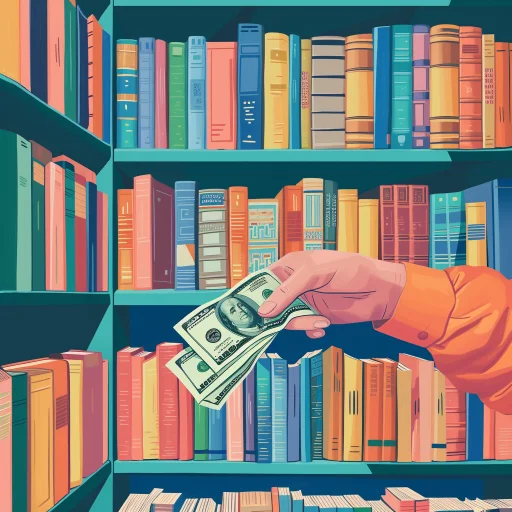
    persuasive tone words represented by someone holding out money in a room full of books

    Persuasive tone words are the secret ingredient in writing that aims to convince, motivate, or influence the reader.

    They are particularly prevalent in argumentative essays, persuasive speeches, and advertising, where the goal is to sway the audience toward a particular viewpoint or action.

    These words carry the power to engage the reader’s emotions and intellect, making the argument more compelling and the call to action more irresistible.

    Using persuasive tone words effectively requires a delicate balance, ensuring that the message is assertive without being overbearing, and convincing without resorting to manipulation.

    Examples of persuasive tone words

    1. Compelling: Capturing interest, attention, or admiration in a powerfully irresistible way.

    2. Persuasive: Good at persuading someone to do or believe something through reasoning or the use of temptation.

    3. Convincing: Capable of causing someone to believe that something is true or real.

    4. Urgent: Requiring immediate action or attention.

    5. Encouraging: Giving someone support or confidence; supportive.

    6. Assertive: Having or showing a confident and forceful personality.

    7. Influential: Having great influence on someone or something.

    8. Reasonable: Based on good sense.

    9. Credible: Able to be believed; convincing.

    10. Motivating: Providing a reason to act in a certain way.

    How to use persuasive tone words

    Persuasive writing is as much of an art as it is a science. Let’s take a practical look at the role three persuasive tone words serve in sentences.

    1 – Compelling

    “The article presented a compelling argument for environmental conservation.”

    “Compelling” here suggests that the argument is not only strong and persuasive but also captures the reader’s interest in a way that makes them want to engage with the cause.

    It’s effective in demonstrating the urgency and importance of the issue at hand.

    2 – Persuasive

    “Her persuasive speech convinced the committee to approve the funding.”

    The use of “persuasive” emphasizes the speaker’s skill in influencing the committee’s decision through logical reasoning and emotional appeal.

    It highlights the power of carefully chosen words to effect change.

    3 – Convincing

    “Despite initial skepticism, the evidence presented was convincing enough to change his mind.”

    “Convincing” implies that the evidence was so strong and well-presented that it overcame objections, leading to a change in opinion.

    It underscores the importance of substantiating arguments with solid, believable information.

    Humorous tone words

    humorous tone words represented by a laughing couple reading a book

    Humorous tone words are effective at injecting wit, irony, or light-heartedness into writing.

    They can disarm readers, foster a sense of camaraderie, and make complex or sensitive topics more approachable.

    Humor, when used appropriately, can be a powerful tool for engaging and retaining attention, breaking the ice, or providing relief in tense narratives.

    However, deploying humor requires a nuanced understanding of the readers and context you are writing in to ensure that it enhances rather than detracts from your message.

    Examples of humorous tone words

    1. Witty: Showing or characterized by quick and inventive verbal humor.

    2. Humorous: Causing lighthearted laughter and amusement; comic.

    3. Sarcastic: Marked by or given to using irony in order to mock or convey contempt.

    4. Playful: Fond of games and amusement; lighthearted.

    5. Ironic: Using or characterized by irony.

    6. Sardonic: Grimly mocking or cynical.

    7. Whimsical: Playfully quaint or fanciful, especially in an appealing and amusing way.

    8. Lighthearted: Cheerful and carefree.

    9. Amusing: Causing laughter or providing entertainment.

    10. Clever: Quick to understand, learn, and devise or apply ideas; intelligent and humorous.

    How to use humorous tone words

    Whether or not you consider yourself to be naturally funny, using humour in your writing is a learnable skill. Here are three examples of humorous tone words in sentences to boost your understanding.

    1 – Witty

    “His witty remark lightened the mood of the meeting.”

    “Witty” implies a level of intelligence and humor that not only entertains but also serves to diffuse tension, making the environment more conducive to open discussion and collaboration.

    2 – Humorous

    “The author’s humorous anecdotes made the biography a delight to read.”

    By describing the anecdotes as “humorous,” this emphasizes their role in adding enjoyment and relatability to the biography, demonstrating how humor can enrich storytelling and connect with readers on a personal level.

    3 – Sarcastic

    “Her sarcastic comments during the debate were both cutting and surprisingly insightful.”

    “Sarcastic” here is used to convey a biting humor that challenges or critiques, showing that humor can also serve as a tool for critical observation and engaging readers in a deeper examination of the topic at hand.

    Are you ready to enhance your writing with tone words?

    Mastering the art of using tone words is a process requiring both knowledge and practice.

    You now have the knowledge you need – so are you ready to put it into practice?

    Experiment with the tone words explored in this guide, integrating them into your writing projects with an awareness of their impact.

    Remember, the goal is not only to inform or entertain but to connect with your reader in meaningful and memorable ways.

    Few things are as powerful as great writing, so use these tone words to make your next project the best it can be.

  • Negative Tone Words – Ultimate Guide & 77 Examples

    Negative Tone Words – Ultimate Guide & 77 Examples

    Are you familiar with the concept of negative tone words?

    The mood and emotion conveyed through writing is a key component of what makes it effective, and tone words are a powerful tool at your disposal.

    This guide focuses exclusively on one type of tone words – negative tone words.

    These are words that convey a sense of pessimism, criticism, or dissatisfaction, allowing you to infuse your writing with complex emotions and attitudes.

    Mastering negative tone words will enhance your ability to connect with readers on a deeper level by conveying your intended mood and emotion.

    This guide to negative tone words includes:

    1. What are negative tone words?
    2. Examples of negative tone words
    3. What is the impact of using negative tone words?
    4. When should writers use negative tone words?
    5. Examples of when to use negative tone words
    6. Examples of when to avoid using negative tone words
    7. How to use negative tone words in your writing
    8. What are alternatives to using negative tone words in writing?

    Let’s begin with a definition of negative tone words.

    What are negative tone words?

    Negative tone words are words that carry a critical or pessimistic connotation, adding depth and authenticity to your writing.

    They are are a type of language that help convey emotions such as sadness, frustration, or disapproval.


    Examples of negative tone words

    Read on to discover examples of negative tone words, providing a comprehensive list of 77 examples to expand your writing repertoire:

    1. Abandonment: Deserting or leaving behind. “The abandonment of the project was disappointing.”
    2. Accuse: Blaming someone for wrongdoing. “She accused him of stealing her ideas.”
    3. Aggravate: Make a situation worse. “His comments only aggravated the tension.”
    4. Alienation: Feeling isolated or estranged. “His actions led to a sense of alienation.”
    5. Anguish: Intense emotional suffering. “She cried out in anguish.”
    6. Annoyance: Mild irritation or displeasure. “His constant tapping became an annoyance.”
    7. Apathetic: Lack of interest or enthusiasm. “His apathetic response surprised everyone.”
    8. Betrayal: Breaking trust or loyalty. “The betrayal left deep scars.”
    9. Bitterness: Strong resentment or hostility. “Bitterness filled her heart.”
    10. Blame: Holding someone responsible. “He placed the blame squarely on her.”
    11. Bothersome: Annoying or troublesome. “The noise from the construction site was bothersome.”
    12. Brutal: Extremely harsh or cruel. “The criticism was brutal.”
    13. Censorious: Highly critical or fault-finding. “She was censorious of his every move.”
    14. Coldness: Lack of warmth or emotional connection. “His coldness hurt more than his words.”
    15. Condemn: Express strong disapproval. “They were quick to condemn his actions.”
    16. Contemptuous: Showing disdain or scorn. “His contemptuous tone was hard to ignore.”
    17. Criticize: Express negative judgments. “She didn’t hesitate to criticize his work.”
    18. Cruelty: Willful infliction of pain or suffering. “The cruelty of the situation was unbearable.”
    19. Cynical: Doubtful or distrustful of human sincerity. “Her cynical outlook was disheartening.”
    20. Damaging: Harmful or detrimental. “His damaging remarks left lasting scars.”
    21. Dark: Lacking light or hope. “Dark thoughts clouded her mind.”
    22. Defeat: Overcoming or losing to an opponent. “They accepted defeat with grace.”
    23. Defiance: Open resistance or disobedience. “His defiance only worsened the situation.”
    24. Dejected: Depressed or disheartened. “He looked dejected after the loss.”
    25. Delusional: Holding false or irrational beliefs. “His delusional ideas were concerning.”
    26. Depressing: Causing sadness or low spirits. “The news was undeniably depressing.”
    27. Derogatory: Insulting or belittling. “His derogatory comments were hurtful.”
    28. Despair: Feeling of hopelessness. “Despair overcame her.”
    29. Detest: Strongly dislike or loathe. “She couldn’t help but detest him.”
    30. Disapproval: Negative judgment or disfavor. “Their disapproval was evident.”
    31. Discomfort: Feeling of unease or physical discomfort. “His presence caused discomfort.”
    32. Disconcerting: Upsetting or unsettling. “The sudden change in plans was disconcerting.”
    33. Discontent: Dissatisfaction or unhappiness. “Their discontent was palpable.”
    34. Disgust: Strong feeling of revulsion or repulsion. “His actions filled her with disgust.”
    35. Dismal: Depressing or bleak. “The future looked dismal.”
    36. Displeasure: Unhappiness or annoyance. “His actions caused immense displeasure.”
    37. Disrespect: Lack of respect or courtesy. “His disrespect was unacceptable.”
    38. Distrust: Lack of trust or confidence. “Distrust lingered between them.”
    39. Disturbance: Upsetting or interruption of peace. “The disturbance disrupted their conversation.”
    40. Doubtful: Uncertain or skeptical. “She remained doubtful of his intentions.”
    41. Embarrassment: Feeling of self-consciousness or shame. “The embarrassment was unbearable.”
    42. Envy: Feeling of jealousy or resentment. “Her envy was hard to hide.”
    43. Exasperation: Feeling of frustration or irritation. “Exasperation crossed her face.”
    44. Fretful: Anxious or worried. “He grew fretful in her absence.”
    45. Frustration: Feeling of being thwarted or unable to achieve a goal. “Frustration gnawed at him.”
    46. Gloomy: Dark or pessimistic. “The weather was undeniably gloomy.”
    47. Grim: Serious or gloomy in appearance or demeanor. “The situation appeared grim.”
    48. Harsh: Unpleasantly rough or severe. “His words were harsh and unforgiving.”
    49. Hatred: Intense dislike or loathing. “Hatred festered in his heart.”
    50. Hostile: Unfriendly or antagonistic. “The atmosphere turned hostile.”
    51. Hurtful: Causing emotional pain or distress. “Her hurtful comments stung.”
    52. Ignorant: Lacking knowledge or awareness. “His ignorant remarks were off-putting.”
    53. Impatience: Restlessness or intolerance of delay. “His impatience was evident.”
    54. Indifference: Lack of interest or concern. “His indifference hurt more than anger.”
    55. Insecurity: Feeling of uncertainty or vulnerability. “Insecurity plagued her thoughts.”
    56. Insensitive: Lacking sensitivity or empathy. “His insensitive remarks were hurtful.”
    57. Intolerant: Unwilling to accept differences or others’ opinions. “Her intolerant attitude was concerning.”
    58. Irritating: Annoying or provoking. “His behavior became increasingly irritating.”
    59. Jealousy: Feeling of envy or covetousness. “Jealousy consumed her.”
    60. Loneliness: Feeling of being alone or isolated. “Loneliness was her constant companion.”
    61. Malice: Intention to harm or cause suffering. “Malice lurked behind her smile.”
    62. Misery: State of great unhappiness or suffering. “Their misery was palpable.”
    63. Neglect: Failure to care for or pay attention to. “Neglect fueled their resentment.”
    64. Nervousness: Feeling of unease or apprehension. “Nervousness crept in before the performance.”
    65. Offend: Cause to feel upset or insulted. “His words were intended to offend.”
    66. Painful: Causing physical or emotional pain. “The memory was too painful to discuss.”
    67. Pessimism: Negative outlook or expectation. “Pessimism colored their future.”
    68. Prejudice: Preconceived opinion or bias. “His prejudice was unmistakable.”
    69. Regret: Feeling of sorrow or remorse. “Regret weighed heavily on her.”
    70. Rejection: Act of refusing or dismissing. “Rejection was hard to accept.”
    71. Resentment: Feeling of bitterness or indignation. “Resentment festered between them.”
    72. Ridicule: Mocking or making fun of someone. “Their ridicule was hurtful.”
    73. Sarcasm: Use of ironic or mocking language. “His sarcasm was thinly veiled.”
    74. Scorn: Contempt or disdain. “Scorn filled her eyes.”
    75. Selfishness: Concern for one’s own interests without regard for others. “His selfishness knew no bounds.”
    76. Sorrow: Feeling of deep sadness or grief. “Sorrow overwhelmed her.”
    77. Suspicion: Belief that someone may be guilty of wrongdoing. “Suspicion tainted their relationship.”


    These examples of negative tone words, along with their definition and usage, should provide you a clearer insight into this particular writing technique and how its used.

    What is the impact of using negative tone words?

    Negative tone words can wield a considerable influence over how your writing is perceived.

    However, it’s essential to recognize that not all negative tone words are created equal. They vary in their degree of negativity, ranging from mild to severe

    Understanding these nuances is crucial for a writer seeking to convey precisely the right emotions or attitudes.

    Here are some key nuances that showcase the varying degrees of negativity:

    • Mild Negativity: Words like “discomfort” or “annoyance” express minor irritation or displeasure.
    • Moderate Negativity: Terms such as “frustration” or “discontent” convey a stronger sense of unhappiness or dissatisfaction.
    • Strong Negativity: Words like “hatred” or “contempt” evoke intense negative emotions, often associated with deep-seated resentment.
    • Extreme Negativity: “Malice” and “despair” represent the most severe degrees of negativity, denoting malevolence and profound sadness.

    Understanding these nuances allows you to fine-tune your writing and create precisely the desired impact.

    When should writers use negative tone words?

    In the realm of writing, the judicious use of negative tone words can be a powerful tool, but it’s not a one-size-fits-all approach.

    The appropriateness of employing such words depends on the context and the message you wish to convey.

    Sometimes, they can enhance the emotional resonance of your writing, while in other situations, they might backfire or be considered insensitive.

    Let’s delve into when it’s appropriate and when it’s best to avoid negative tone words.

    Examples of when to use negative tone words

    Here are situations where it is appropriate for you to use negative tone words in your writing:

    • Expressing genuine emotions: When you want to authentically convey emotions like anger, sorrow, or frustration in a story or personal narrative.
    • Creating realistic characters: In fiction, negative tone words can help develop complex characters with flaws and depth.
    • Critiquing or analyzing: In analytical or critical writing, using negative tone words may be appropriate to evaluate shortcomings or weaknesses.
    • Highlighting issues: When discussing societal or systemic problems, negative tone words can draw attention to pressing concerns.
    • Expressing strong disagreement: In persuasive or argumentative writing, they can emphasize your stance when you strongly disagree with a point.
    • Evoking empathy: In personal essays or memoirs, they can help readers empathize with your experiences.
    • Creating tension: In creative writing, negative tone words can add tension and conflict to a story.

    Examples of when to avoid using negative tone words

    There are also situations where you should avoid making negative tone words part of your writing, such as the following:

    • Professional communication: In formal or professional writing, negative tone words should be used sparingly to maintain a respectful tone.
    • Sensitive topics: When discussing sensitive subjects like illness or personal loss, be cautious with negative tone words to avoid causing unnecessary distress.
    • Positive messaging: When your intent is to inspire, motivate, or provide positive guidance, negative tone words may undermine your message.
    • Audience sensitivity: Consider your audience’s sensitivity; if they might be easily offended or upset, use negative tone words with care.
    • Cultural sensitivity: Be aware of cultural differences that might affect how negative tone words are perceived.
    • Ineffective persuasion: In persuasive writing, overusing negative tone words can alienate readers rather than convince them.
    • Avoiding stereotypes: Be cautious not to reinforce stereotypes or perpetuate biases through negative tone words.

    Understanding the appropriate and inappropriate contexts for using negative tone words will help you navigate the fine line between effective communication and unintended offense in your writing.

    How to use negative tone words in your writing

    Now that we’ve explored the nuances of negative tone words and their appropriate usage, let’s dive into practical tips for incorporating them effectively into your writing.

    Here are seven guidelines for using negative tone words:

    1. Balance is key: Maintain a balance between negative and positive tone words to achieve the desired emotional impact.
    2. Context matters: Always consider the context in which you’re using negative tone words to ensure they align with your message.
    3. Clarity first: Prioritize clarity in your writing; don’t sacrifice it for the sake of using negative tone words.
    4. Avoid overuse: Use negative tone words sparingly to avoid overwhelming your readers with negativity.
    5. Emphasize specificity: Be specific in your choice of negative tone words to precisely convey your intended emotions.
    6. Consider your audience: Keep your target audience in mind; their sensitivity and expectations should guide your use of negative tone words.
    7. Edit and revise: After writing, review your work to ensure that your use of negative tone words enhances your message rather than detracts from it.

    What are alternatives to using negative tone words in writing?

    While negative tone words can be potent, there are alternative ways to convey similar sentiments.

    These alternatives provide a more positive approach that achieves a similar effect:

    • Use neutral language: Instead of saying “hate,” say “dislike” to tone down the negativity while expressing your preference.
    • Opt for positive phrasing: Rather than “unpleasant experience,” say “challenging situation” to maintain a more positive tone.
    • Frame critique constructively: Instead of “criticize,” use “offer feedback” to emphasize improvement over fault-finding.
    • Highlight solutions: Shift the focus from problems to solutions by saying “addressing the issue” instead of “dealing with the problem.”
    • Emphasize empathy: Show understanding and empathy by saying “I understand your concerns” instead of “I know your complaints.”
    • Employ diplomacy: Replace “blame” with “responsibility” to encourage accountability without assigning negativity.
    • Choose neutral descriptors: Instead of “disgustingly dirty,” use “exceptionally messy” to convey the same idea without intense negativity.

    By incorporating these alternatives into your writing, you can maintain a more positive tone while effectively conveying your message.

    Are you ready to use negative tone words in your writing?

    As you embark on your writing journey, armed with the knowledge of negative tone words, their nuances, and their appropriate use, remember that words are your tools of creation and connection.

    Harness them thoughtfully, always considering your message, your audience, and your intent.

    Strive to strike a balance between authenticity and respect, and never underestimate the power of a well-chosen word.

    With these insights in mind, go forth and craft your tone, knowing that you have the tools to engage, connect, and resonate with your readers on a deeper level.

  • Your Voice Matters! 15 Political Publications That Work With Freelance Writers

    Your Voice Matters! 15 Political Publications That Work With Freelance Writers

    Would you like to share tips for how the average American can get involved in the climate change movement? Maybe you’re interested in writing about your experience paying off federal student loans. Or you want to pitch a personal essay about your town’s mayoral elections.

    When it comes to politics, there’s a lot to know — and plenty of points of view. 

    With the 2024 elections inching closer and closer, there’s a chance you have something to say about international, federal, state or local politics. 

    The trick can be finding a political publication that’s a good match for your story. Do you bleed blue, stand firmly on the right or aim for that ever-elusive objective style of journalism? Do you want to craft an academic article, op-ed or political fiction

    Whatever your style and passions may be, there’s probably a publication where you can pitch your political ideas.

    Get paid to cover politics: 15 outlets to pitch now

    Here are 15 political publications to consider pitching.

    [sps_reusable_block post_id=43047]

    1. The American Conservative

    This publication takes a conservative view on politics, world issues, culture and events. A reader can expect to find all of the previous alongside topics such as urbanism, current affairs, education and much more which creates a great amount of scope for writers to consider when pitching their work.

    The American Conservative requests that you send pitches or drafts along with a short bio, with a requested length of between 800 & 1500 words.

    2. The American Prospect

    Searching for a publication for your progressive ideas? Consider The American Prospect, which covers topics ranging from the government’s handling of natural disasters to Brexit to the upcoming 2024 presidential election. The American Prospect is a quarterly print magazine, but it also publishes articles to its website daily. 

    Online pieces typically run at around 1,000-1,500 words, but there isn’t a strict word count for print pieces. 

    Payment will be discussed once your pitch is accepted.

    3. DAME Magazine

    DAME examines a variety of political topics, with a special emphasis on issues that affect women. You can pitch for the politics, policy, law and economics sections, but culture and science articles often include a political slant, too.

    Word count and pay will depend on what type of piece you pitch.

    4. Guernica

    Itching to bust out your creative writing chops? Guernica publishes a range of political pieces, including personal essays, fiction and poetry. The publication also accepts reports and interviews with experts. 

    Pay varies depending on the genre you pitch. Guernica does not pay for short-form nonfiction, which the website defines as being under 2,500 words. If you want to write nonfiction for the website, it does pay for long-form pieces.

    5. Harper’s Magazine

    This is a monthly magazine and daily website that covers both domestic and international news/politics. You’ll find topics ranging from dispatches in modern day Russia to musings on the Israel / Palestine crisis and the magazine accepts fiction submissions.

    Word count and payment will be discussed once your pitch is accepted.

    6. Jacobin Magazine

    This is another publication that has both a print magazine (published quarterly) and a website that updates daily. Jacobin publishes left-leaning articles on a variety of political topics, from unions and wages to borders and immigration. 

    Jacobin asks that freelance pieces be under 2,000 words. Rates are negotiable, but blog posts pay a minimum of $50 and print pieces pay at least $125.

    7. JSTOR Daily

    JSTOR Daily’s tagline is “Where news meets its scholarly match.” This should give you a good idea of the type of articles they offer their readersscholarly takes on current events. Pieces are divided into five sections: Arts & Culture, Business & Economics, Politics & History, Science & Technology and Education & Society.

    Blog posts run at 400-500 words, and feature stories are 1,500-2,000 words. JSTOR typically pays between $50 and $500.

    8. The New Republic

    This is a left-leaning magazine that also has a website. It publishes nonfiction and poetry related to politics, culture and climate. The New Republic also publishes reviews of politically-based books, so if you have a take on a recent book, this could be the place to publish your thoughts.

    Poems are limited to one page in length. The New Republic does pay for both poetry and nonfiction work, but the website doesn’t specify how much.

    9. POLITICO

    POLITICO is unique in that it places a heavy focus on policy. If you have an opinion or perspective on a certain policy, ranging from cannabis to space to immigration, you might consider pitching. The website also has an entire section dedicated to the 2024 election. If you want to write about how news, polls, money, endorsements or issues play into the elections, POLITICO might be a good match.

    POLITICO doesn’t specify length of pieces or how much it pays writers.

    10. The Progressive

    As the name suggests, The Progressive is a left-leaning website. It publishes investigative reporting related to current events, activism, social movements and the United States’ relationship with foreign policy. 

    Blog posts range from 900-1,400 words and generally pay $100. Print pieces will be longer and will probably pay more.

    11. Slate

    Slate is a progressive website that presents pieces on news, politics, culture, technology, business and human interest. Each category is split into subsections, making it easier to determine what type of piece to write. For example, under News & Politics, your pitch may fall under “War Stories” or “The World.”

    Length and pay will depend on what type of piece you pitch.

    12. VICE

    VICE publishes articles on a wide range of topics, but the categories related to politics are news, technology, money, drugs, election 2024, identity and the environment. However, its other sections occasionally include pieces with a political emphasis. Writing tends to lean to the left.

    VICE does not specify length or how much it pays writers.

    13. Washington Examiner

    This conservative publication covers politics, policy, news, opinion and business. The most common way to get your piece published by the Washington Examiner is to pitch an op-ed piece.

    The Washington Examiner requests that op-eds remain under 700 words, and it does not say how much it pays writers.

    14. World Politics Review

    World Politics Review is known for its relatively objective take on political issues. It focuses on global politics and news, so if you’d like to pitch a piece about politics in another country, World Politics Review could be for you. If you want to write about the U.S., your pitch should probably focus on international relations.

    You can pitch an idea for a briefing, which will run at 900-1,100 words and pay $250. Features are 3,000-4,000 words, and pay is on a case-by-case basis.

    15. Yahoo

    You don’t have to cover federal or international politics to write for Yahoo. You can address all levels of politics, right down to what’s going on in your own neighborhood. Yahoo accepts personal essays related to politics and memories of major events. It also publishes commentaries, opinions and stories about your city or state.

    Length and payment will depend on what type of piece you write. 

    With the 2024 elections fast approaching, nearly every Tom, Dick and Harry seems to have political opinions. By choosing the right outlet for your story, you might be able to make your political voice heard over all the noise.

    [sps_reusable_block post_id=43047]

    Photo via Joaquin Corbalan P / Shutterstock 

    This is an updated version of a story that was previously published. We update our posts as often as possible to ensure they’re useful for our readers.

  • 34 Inspiring Writing Podcasts to Subscribe to Right Now

    34 Inspiring Writing Podcasts to Subscribe to Right Now

    In the last decade or so, podcasts have exploded in worldwide popularity.

    From celebrities like Jenna Fischer and Angela Kinsey from “The Office” to your 15-year-old nephew, everyone seems to have a podcast.

    There’s a reason podcasts are so popular. Their versatility, accessibility and ability to transport, educate and empower is hard to beat.

    For writers looking to bust writer’s block, hone their craft or spice up a boring commute, there’s no shortage of podcasts from amateurs and experts alike. 

    But writer beware: You might find yourself binge-listening for hours.

    Subscribe to these writing podcasts

    Here, we’ve compiled 34 writing-related podcasts worth subscribing to.

    1. Self-Publishing School Podcast

    Self-Publishing School’s Podcast aims to help people write and publish their first book, and how to use that book to grow their business, brand, or following. They’ve had many guests in the past episodes to talk about how to achieved success with this strategy: Robert Kiyosaki, Gary Vaynerchuk, Nick Stephenson, Hal Elrod, and Michael Hyatt (And many more upcoming names).

    A great place to start: One of our favorite episodes is featuring Gillian Perkins. She tells us about using YouTube to sell more books and grow her business, how she monetize her channel; and how she’s been making $5k/month just from ads since 3 months after starting.  “0 to 450k Subscribers In 3 Years – Using YouTube To Grow Your Business & Sell More Books with Gillian Perkins”

    2. The Writer Files

    Hosted by Kelton Reid, The Writer Files is a long-running podcast that delves deep into habits and habitats of famed writers. Reid interviews writers from a broad spectrum, giving each listener a chance to see into the mind of an accomplished wordsmith within their genre or interest.

    3. A Way With Words

    This National Public Radio (NPR) program discusses language examined through the lens of history, culture and family. The podcast is rich with detail and exciting storytelling and typically runs for about an hour. You’ll hear upbeat conversations about the language of current events, new words and slang, semantics and other topics that will make you go, “Hmm.

    A great place to start: A fascinating episode, “Hidden Treasures,” dives into old Civil War Letters for a vivid portrait of the everyday lives of enlisted men and how ordinary people spoke back then.  Another great is “Goody Two-Shoes,” which walks you through how to write a fitting epitaph for someone you love.

    4. Writing Excuses

    Writing Excuses is hosted by a group of writers who provide quick tips for writing techniques. This fast-paced podcast runs about 15 minutes per episode, with the fun tagline “Fifteen minutes long, because you’re in a hurry, and we’re not that smart.” Previous seasons have covered genre, structure, and character amongst other topics. 

    5. I Should Be Writing

    This award-winning podcast is hosted by the always honest Mur Lafferty. Length varies, but episodes typically feature an interview with an author who has a new book. The episodes often provide encouragement to “would-be” writers to believe in themselves and get writing.

    A great place to start: One episode  all writers should take a listen to is “What does “No” mean?” Lafferty talks about how a rejection in the publishing industry might not be a hard-stop.  In “Tuckerization Dangers,” Mur talks about the complications of naming a character after someone who’s still alive. 

    6. Dead Robots’ Society

    Dead Robots’ Society is a fun podcast by aspiring writers, for aspiring writers. Inspired by Mur Lafferty’s podcast, the hosts share writing insights typically related to writing novels.

    A great place to start: The hosts talk about the process of writing a book from word choice to sequels and series in the episode “From Word To Series.” In another great episode titled “Gods and Monsters,” Terry and Paul get lost in the details of the difference between gods, monsters and villains.

    7. Portfolio Life by Jeff Goins

    Well-known author Jeff Goins hosts this podcast about life, collective work and artistry. Goins is known for his inspirational messages, and his podcast is no different. This podcast is all about finding what you were born to do, and getting started creating a portfolio of your dreams.

    A great place to start: In an inspirational episode, Goins talks about “Getting Paid to Pursue Your Passion in 48 Hours or Less.” Goins discusses his own passion-focused experiment and how it worked out for him. In another top episode “The 3 Stages of an Artist’s Work: Transaction, Compromise, Gift,” Goins offers insight into the phases of the writer’s journey and how necessary each stage is to better understand your purpose as a writer. 

    8. The Creative Penn Podcast

    Author Joanna Penn covers many topics related to writing, including publishing, developing your craft and where to find inspiration. Penn also interviews many professionals in the field.

    A great place to start: Steal pitch techniques from Penn’s interview with successful, best-selling author Kate Harrison in  “How To Pitch Your Book To Agents, Publishers And Readers With Kate Harrison.” Another episode titled “Writing Tips: How Character Flaws Shape Story With Will Storr” is a great listen and explains the science of storytelling and offers practical tips on creating characters with unique flaws.

    9. The Story Grid Podcast

    This podcast is hosted by two writers, veteran author Shawn Coyne and self-proclaimed struggling writer Tim Grahl. Their goal? Help writers create great stories. The twist? These hosts put their own work up for critique. Coyne also offers many practical tools to help writers craft a story that works.

    A great place to start: The Must-Haves of Big Idea Nonfiction,” where the hosts teach how to apply the principles of storytelling to nonfiction. They also discuss the ways “Sesame Street” can help you be a better nonfiction writer. In “Scene 1, Book 2” Coyne critiques the first scene of Grahl’s latest work-in-progress. 

    10. Beautiful Writers Podcast

    Beautiful Writers Podcast features conversations with some of the most well-recognized writers in the world. Host and writer Linda Sivertsen interviews best-selling authors like Elizabeth Gilbert, Terry McMillan, Dean Koontz, Glennon Doyle Melton, Cheryl Strayed, Brené Brown and many more. Episodes are typically in-depth and include personal anecdotes from creatives in the business.

    A great place to start: The interview with Gretchen Rubin, where she chats about habits that spark creativity. In another interview well worth a listen which is  titled “Joy Harjo: Poet Laureate of the United States,” Harjo talks about being the first Native American to hold this position, and she even reads an unfinished piece for her new memoir — you get to hear her editing it in real-time! 

    11. StoryCorps

    In this NPR podcast, hosts gather stories from Americans across the country. Although not a traditional podcast for writers, this podcast offers inspiration for excellent storytelling.

    A great place to start: Hear the difficult conversations that one family is having as they deal with the recurring threat of deportation in the episode “On The Brink Of Separation.” In “A Little Bit Of Kindness,” listeners hear stories about how a bit of kindness (like delivering groceries to elderly neighbors) can go a long way. 

    12. The Literary Salon

    In host Damian Barr’s The Literary Salon, authors read excerpts from their books — all in front of a live audience in glamorous locations.

    A great place to start: In a popular episode, Okechukwu Nzelu reads from his second book, The Private Joys of Nnenna Maloney. In “EXCLUSIVE: new reading from You Will Be Safe Here,” Damian Barr gives an exclusive new reading from his powerful debut novel, You Will Be Safe. 

    13. Helping Writers Become Authors

    Award-winning author K.M. Weiland hosts this podcast that offers mentorship and advice to aspiring writers hoping to publish their own novel someday. Weiland offers practical advice on many topics related to storytelling and story structure.

    A great place to start:4 Steps for How to Turn an Idea Into a Story That Rocks” is a practical podcast chock-full of helpful advice about setting up personal systems within your creative discipline. Weiland shares how to control and cut down on distractions to reclaim your full creative capacity in “Creativity vs. Distraction: 13 Tips for Writers in the Age of the Internet.”

    14. Writing Class Radio

    This podcast offers an invitation into a writing class, where you’ll hear and be inspired by insight and advice from experts. Hosts Allison and Andrea love telling stories, and through their writing class listeners get the chance to learn and grow in their own storytelling.

    A great place to start: In “Get Out of Your Way and Write” Allison and Andrea talk about the power of truth-telling in finding your voice. In another wonderful episode titled, “An Insider Conversation with a Literary Agent,” the hosts plow literary agent Barbara Poelle with important questions: Is now a good time to query? How do I find an agent? Is there such a thing as a dream agent?

    15. Happier by Gretchen Rubin

    Bestselling author Gretchen Rubin hosts a podcast on ways to practice happiness and how to find a more fulfilling everyday life. Although this podcast isn’t specifically for writers, it features many well-known bestsellers who share helpful habits that have made them successful. It also includes co-host Elizabeth Craft, Gretchen’s sister, a TV writer living in Los Angeles.

    A great place to start: A fun and light-hearted episode with bestseller Dan Harris talks about memories and meditation. In “A Little Happier: Can You Call Spirits from the Vasty Deep? Sure, No Problem,” Gretchen points out that getting your words into the world is one thing, while getting a response may not be as easy.

    16. Ditch Diggers

    In this Hugo Award Finalist, veteran podcaster Mur Lafferty and co-host Matt Wallace offer advice to writers with deadlines. The purpose of Ditch Diggers isn’t to offer information on honing the writer’s craft, but on pressing through tough deadlines and helping writers pay their bills through writing. This is an explicit show, you’ve been warned.

    A great place to start: Spend an afternoon with “Kameron Hurley and Writing THAT Story.” In this hour-long podcast, the award-winning author and hosts  discuss how to write a story that goes viral and polarizes people widely. Plus, learn some tips about what to do if publishers you’re affiliated with behave harmfully or problematically. In a fun episode titled, “What’s Publishing Doing?” Matt and Mur talk about the effectiveness of marketing genre books, publisher vs. author responsibility for marketing books and much more. 

    17. Mythcreants Podcast

    A weekly podcast for writers to geek out over science fiction and fantasy writing. Podcast hosts are Oren Ashkenazi, Chris Winkle, and Wes Matlock.

    A great place to start: In a podcast episode titled “Multiple POVs Revisited,” hosts discuss the merits of multiple points of view: What are they for? Should authors use them?. In “Making Conflict Matter,” hosts go through a handy checklist of reasons why you might be having trouble making conflict matter, then explain what you can do about it. 

    18. The Copywriter Club Podcast

    In this vibrant community for copywriters and would-be copywriters, experts in the field offer inspiration, encouragement, and concrete advice on advancing in this ever-growing writing niche. Copywriters Kira Hug and Rob Marsh host the show and offer many resources on their site.

    A great place to start: In the episode titled “Building a Healthy Copy Career with Darren Hanser” an expert copywriter offers insight into building a solid copywriting business. In an episode with Melissa Burkheimer, the conversion designer and sales page specialist talked about why copywriters and designers don’t always see eye-to-eye and how to remedy those situations..

    19. The Drunken Odyssey with John King

    A podcast about creative writing and literature, The Drunken Odyssey is hosted by writer and literary reviewer John King. The purpose of this podcast is to discuss the writing life and foster a sense of community amongst writers.

    A great place to start: Take a listen to the episode “Deirdre Coyle,” to hear this fiction writer and essayist cut extraneous words from her manuscripts, and why she thinks fantasy can be more real than realism. Another of the best episodes is with “Jazon Z. Morris”  and features an interview with a professor and author who shares how to structure a novel and learn the confidence to write one.

    20. Ann Kroeker, Writing Coach

    Hosted by writing coach Ann Kroeker, this podcast is designed to help writers hone their talent through practical tips and inspiring insight. Episodes are typically under fifteen minutes, and are meant to offer quick solutions to many different topics.

    A great place to start:  In “Next-Level Writer: Where Are You Now?” Ann poses 10 questions that will help you evaluate your writing world so you can identify your starting point. In a practical episode titled “How to Sort and Stack Your Ideas and Tasks to Transform as a Writer and Person,” teaches listeners how to save and implement ideas, solutions, tools, and tips so you don’t lose what you learn. 

    21. Minorities in Publishing

    The brain child of publishing professional Jenn Baker, this interview-based podcast discusses the lack of diversity in the book publishing industry with other professionals working in-house as well as authors and those in the literary scene. Listeners are encouraged to be more attuned to the impact of not just what they read and write, but also, what they don’t.

    A great place to start: In “Interview with Bria Kiara,” the Day Dreamers literary journal creator highlights the nitty-gritty details of starting your own print journal and “the balance to maintain it as a unique vision for those included and who it represents.” In an episode titled, “Interview with Renée Watson,” the host and her guest have a candid discussion about writer’s block and imposter syndrome, and how much Renee’s stories for Black girls continue to showcase range & beauty.

    22. Between the Covers

    A literary radio show and podcast hosted by David Naimon, Between the Covers features long-form in-depth conversations with writers from all kinds of genres and backgrounds. The podcast is usually an hour or more, and it delves into the creative process behind impactful books to provide listeners advice and inspiration. 

    A great place to start: In “Diane Williams: The Collected Stories of Diane Williams,” gain wisdom from an experienced editor and best-selling writer. Check out this episode with Rebecca Makkai to learn the important but underappreciated aspect of story craft, the flip side of point of view, and the point of storytelling. 

    23. You’re Wrong About 

    Fact-checking is a must when writing, well, anything, and this podcast will make sure you understand why it’s important to do so. Journalists Sarah Marshall and Michael Hobbes cover people or events that’ve been miscast in the public imagination. From pop culture stories to murder mysteries, fiction writers will enjoy these interesting tales and the reminder to triple-check your stats before considering something “done.” 

    A great place to start: The “Kitty Genovese and “Bystander Apathy”” episode is sure to capture your attention. In, “The Disappearance of Chandra Levy,” tackles the topic of a nationwide obsession and whether it’s “disingenuous to think you can turn the story of someone being murdered into anything else.”  

    24. The Writing University Podcast

    The Writing University’s Eleventh Hour podcast highlights recordings of talks from distinguished writers, novelists, poets, essayists who present at the Eleventh Hour Lecture Series during the University of Iowa’s Iowa Summer Writing Festival.

    A great place to start: The “Mixed Feelings” episode explores the idea that nothing conveys emotional truth more powerfully than mixed feelings. To learn how to write good dialogue book editors and agents won’t gloss over, listen to “Better Talky Talky – The Art and Craft of Strong Dialogue – Kelly Dwyer

    25. So You Want to Be A Writer?

    With 250+ episodes, So You Want To Be A Writer is a free weekly podcast hosted by journalists and authors Valerie Khoo and Allison Tait. This versatile podcast will give you a bit of everything you need to navigate the publishing world — whether you love the creative inspiration of Elizabeth Gilbert, need writing opportunities and updates on publishing trends, or writing tips to help you grow, you’ll find it here.

    A great place to start: In an episode with Kirsten Alexander, author of Riptides, the hosts and their guest share scientifically proven ways to beat writer’s block. Khoo and Tait have some excellent and insightful advice on writing funny books for kids in “Meet B.G. Hilton, author of ‘Champagne Charlie and the Amazing Gladys.’

    26. First Draft: A Dialogue On Writing

    Mitzi Rapkin produces and hosts this literary podcast that’s been around since 2015. Each week the 30- to 50-minute podcast features an in-depth interview with a fiction, non-fiction, essay, or poetry writer who shares their journey with messy first drafts. Equal parts investigation into the craft of writing and conversation about the topics of an author’s work, this podcast regularly hosts notable authors like Celeste Ng and Ann Patchett. 

    A great place to start: In her interview, writer and editor Sahar Mustafah talks about how she explores her heritage in her fiction. Another episode you can’t miss is “First Draft – Ann Napolitano,” where she discusses her novel, Dear Edward.

    27. StoryADay

    The StoryADay challenge “exists to help you learn how much you’re capable of writing in a month.” Presented by Julie Duffy, the podcast version helps you figure out how to keep that commitment up for the rest of your life. In bite-sized, 10- to 15-minute episodes, listeners can get creativity challenges, writing prompts, and regularly published posts on the craft of writing.

    A great place to start: Get your feet wet with “Stop Procrasti-learning and Start Writing” to find out if listening and reading hold you back from finishing stories. Also, Duffy talked about the importance of celebrating every win in your writing life in, “Triumph! Make a Habit of Celebrating Your Writing Wins.” 

    28. Write-minded

    This podcast is all about providing weekly inspiration for writers. Hosted by Brooke Warner of She Writes and Grant Faulkner of NaNoWriMo, each theme-focused episode of this podcast features an interview with a writer, author, or publishing industry professional. There’s always a takeaway at the end of each episode, too, kind of like this: Everyone is a writer, and everyone’s story matters. 

    A great place to start: “Exploring the Real World Through Fiction, featuring Nic Stone” takes listeners through the ways writers mine the real world for inspiration and answers in fiction. To soak up the goodness of indie publishing, listen to “In Celebration of Indie Publishing, featuring Angela Bole.”

    29. The Writing Life Podcast 

    If you write (anything), this podcast is for you. Every week, this podcast, presented by the National Centre of Writing, interviews writers about their writing journeys and techniques, from early-career debuts to self-publishers and narrative designers.

    A great place to start: Writer Sara Collins talks about representation in literature in “Improving Representation in Fiction.” Plus, learn how to create and develop characters in a recent episode titled, “Creating Characters With Michael Donkor.” 

    30. Create If Writing

    According to host Kirsten Oliphant, this podcast is the place for you if you’re a writer, blogger, or creative who wants to build an online platform without being “smarmy.”  

    A great place to start: Check out “Marketing for Authors Who Hate Marketing” to reframe your idea of marketing and learn simple ways to get it done. Also, Oliphant tackled “How to Avoid Bad Author Collaborations” to teach listeners what to consider to avoid the perils of a bad match. 

    31. The Segilola Salami Show

    Segilola Salami is a mom, author, freelance writer, blogger, and the host of her podcast that focuses on books and publishing. Aimed to be entertaining and educational, this show welcomes guests from all walks of life to share how they’ve gotten from point A to B with their published novels.

    A great place to start: In “Will Dean: How to Get Published,” an intriguing conversation takes place about getting published and living off-grid. Also worth checking out, is when Salami held a thorough interview with an author about cliffhangers in the episode, “Sofia Hällgren: How to Write a Cliffhanger.” 

    32. The Subtext 

    The American Theatre is the nation’s only general-circulation magazine devoted to theatre. Its podcast is home to playwrights who want to talk about the things usually left unsaid. “In a conversation that dives into life’s muck, we learn what irks, agitates, motivates, inspires and — ultimately — what makes writers tick.”

    A great place to start: Dive into “The Subtext: Adam Szymkowicz on Redefining Success” to hear a reminder all writers need: There’s no tangible way for success and the concept itself means something different for each writer. After that, try out an episode titled, “The Subtext: Will Arbery’s Guilt Traps” to learn the difference between love and empathy. 

    33. The Career Author 

    Zach Bohannon and J. Thorn co-host this podcast that began with the belief that their conversations about self-publishing, writing, craft, and marketing could help other aspiring writers. Since 2018, the podcast has been listened to more than 100,000 times, so they must be saying something right. 

    A great place to start: You don’t want to miss “The Mentorship Model for Authors,” where you’ll discover different types of mentorship and why authors need them. In an episode titled, “Peer-to-Peer Feedback,” Bohannon and Thorn discuss why feedback is important as well as the etiquette involved. They even provide guidance on how to ask for feedback and how to give and receive it. 

    34. Grammar Girl Quick and Dirty Tips for Better Writing

    Every writer looking to improve their knowledge of the English language should bookmark this podcast. With helpful and insightful tips on grammar and storytelling, Mignon Fogarty’s widely popular podcast is sure to help you improve your writing skills.

    A great place to start: A popular episode from this podcast is “Top Ten Grammar Myths” Take a listen to an intriguing recent podcast titled “4 Tips for Staying Motivated on Long Writing Assignments. 

    Your turn: What are your favorite podcasts for inspiration or writing tips?

    The original version of this story was written by Brianna Bell and updated by Farrah Daniel. We updated the post so it’s more useful for our readers.

    Photo via Rawpixel.com/ Shutterstock 

  • 25 Parenting Blogs and Magazines That Pay Freelance Writers

    25 Parenting Blogs and Magazines That Pay Freelance Writers

    The internet is full of writing opportunities, especially within the ever-popular parenting world and all of the sub sections, niches and tangents that come along with it. Everything from motherhood and mental health, to disability and adoption, these spaces are incredibly diverse for writers to work within.

    Yet it can be challenging to find parenting publications that pay. Some popular blogs are run by work-from-home moms who don’t have a budget for writers, and others simply don’t have to pay for submissions because so many contributors are willing to write about parenting for free.

    But put a little elbow grease into it, and you’ll find plenty of parenting blogs and magazines that compensate well for good writing. We’ve compiled some of those opportunities for you.

    [sps_reusable_block post_id=43047]

    Consider pitching these parenting blogs

    Check out this list of parenting magazines, blogs and websites that compensate writers for contributions. In addition to sharing some information about each publication, we offer details — whenever we could find them — on how much each brand pays.

    Here are some parenting blogs worth pitching.

    1. Adoptive Families Magazine

    A leading digital magazine for adoptive families, this title is often looking for writers to provide helpful articles and resources for topics relating to adoption.

    Pay: Unpublished. Payment varies by assignment.

    2. Carolina Parent

    This award-winning print and digital magazine is owned by Morris Media Network and has been around since 1988.

    The publication is written for parents, grandparents and educators living in the Triangle, and serves as a resource to many.

    Pay: Not specified. An entry on Who Pays Writers notes 15 cents/word.

    3. Christian Science Monitor: The Home Forum

    CSW is a faith-based news outlet that also publishes essays on life, family and parenting. CSW’s The Home Forum section features relatable personal essays as well as short poems.

    Pay: According to Who Pays Writers reports, The Christian Science Monitor pays an average of 25 to 36 cents per word for reported stories; however, essays may receive a different rate.

    4. Cricket Media

    This selection of children’s magazines owned by Cricket Media are geared toward a variety of different age groups and include works by writers and illustrators. The website lists current calls for submissions, with a note that Cricket Media is always looking for work by minority groups for its magazines.

    Pay: Unpublished. Payment varies by assignment.

    5. Chicago Parent Magazine

    This is a parenting news magazine that publishes editorials with a local flair. Writers must be local to the Chicago area.

    Pay: For shorter articles (around 300 to 400 words), Chicago Parent pays $25-$50; for longer articles (800 to 1,500 words), pay starts at $100.

    6. Her View From Home

    This site for mothers focuses on celebrating your view on life, family and home. At this time there are more than 1,000 contributors, and the site is continuing to grow and accept new submissions.

    Pay: Paid per pageview, up to $100 for 4,000-plus views. Her View From Home also offers $50 for previously published work if it reaches 10,000 views.

    7. Indy’s Child Magazine

    A magazine for parents living in Indiana, Indy’s Child is a local resource on all things family. Sometimes it offers material geared toward a national audience, but they are looking for writers from the area.

    Pay: Unpublished. The website states it pays based on word count, and you’d be considered one of the site’s freelance writers; the site doesn’t not accept one-off guest blog submissions.

    8. PTO Today

    This one is for writers who have experience as a parent-teacher organization (PTO) volunteer. It’s focused on PTO members in K-8 schools and covers topics including fundraising, parental participation in education, playground projects and leadership.

    Pay: Pay is by the assignment rather than the word. The website states the scale ranges from $125 to $500, with the average assignment clocking in at 1,200 words.

    9. FreelanceMom

    FreelanceMom is a blog for working mothers who are focused on freelancing and/or entrepreneurship. Posts focus on practical and actionable advice on topics ranging from making extra money to negotiating with first-time clients.

    Pay: FreelanceMom pays between $75 and $100 via PayPal, with a bonus of $150 to the author with the top-shared post every month.

    10. Motherly

    Motherly refers to itself as “a lifestyle brand redefining motherhood.” Its articles reflect on motherhood today and showcase insights that moms have collected through their experiences along the way.

    Pay: Unpublished.

    11. Metro Parent Magazine

    The monthly Metro Parent print magazine also offers a variety of special sections throughout the year, both in print and online. It’s geared toward parents in southeast Michigan.

    Pay: Depending on your piece, pay ranges from $25 for 50-word blurbs to $200-plus for features.

    12. The MOPS Blog

    MOPS is a movement of women raising their communities collectively. The movement’s blog provides thoughtful articles on a variety of topics relevant to motherhood.

    Pay: Unpublished

    13. Parents Magazine

    The leading national magazine for parents in varying stages of parenthood, Parents Magazine seeks print and online stories of interest to a wide variety of parents. The publication is looking for experienced writers to submit their work.

    Pay: Unpublished, but reports state anywhere from $0.23 to $1.87 per word.

    14. Raising Arizona Kids

    A magazine written by writers living in Arizona for parents raising children there, Raising Arizona Kids focuses on articles that provide local resources and support. This magazine is geared toward curious, caring and open-minded parents between the ages of 25 to 54.

    Pay: $50 to $200 and up, depending on the article. This magazine only accepts articles from writers living in Arizona.

    15. Simply Family

    This is a free monthly parents magazine for families in Billings, Montana, and surrounding areas. Its articles address a variety of parenting topics for families with children from birth to college years. When possible, the editors prefer a Billings tie-in.

    Pay: $20 to $25

    16. The Green Parent

    The Green Parent is the UK’s leading green lifestyle bimonthly magazine for parents. The topics covered relate to green living and are “written from the heart.”

    Pay: £75 (a little over $100) per 1,000 words. Writers also get one complimentary issue of The Green Parent.

    17. Today’s Parent

    Today’s Parent is Canada’s national parenting magazine. Articles cover a variety of highly relatable topics for parents with children, from newborns to college students.

    To pitch an article, email a brief description of your idea to editors@todaysparent.com. You can find more details in the FAQ section of the site’s about page.

    Pay: Unpublished, but one source was paid $1 per word in 2018.

    18. Focus on the Family Magazine

    This is a free Christian magazine and website that provides advice for families with children of all ages, often with a faith-based slant. Its website typically includes specific calls for submissions with pay rate included.

    Pay: $50 for a 300 to 500-word article

    19. On Parenting

    This well-known Washington Post blog covers relatable yet unique essays from parents of all stages. It looks to cover families with diverse backgrounds and experiences.

    Pay: Unpublished. Sources say the Washington Post pays $0.30 per word, on average.

    20. Western New York Family Magazine

    This print and digital magazine claims to be 90% freelance-written. It focuses on families in the Western New York area. Articles should be highly relevant and relatable, with a Western New York tie-in when possible. Local writers are given preference, but the magazine allows all writers to submit.

    Pay: $40 to $150, depending on length and depth of article.

    21. Yummy Mummy Club (YMC)

    This Canadian online publication publishes both original and syndicated articles relevant to the Canadian woman with children. YMC publishes inclusive and unfiltered storytelling.

    Pay: Unpublished

    22. FertilitySmarts

    FertilitySmarts.com is looking for insight, expertise and unique perspectives on the process of getting pregnant. Send the Canada-based site a pitch, including a few lines detailing what you want to write about and how long you think your article will be. (Pro tip: Articles on the site are generally between 500 and 1,200 words.)

    Pay: The rate of pay depends on your experience and the article submitted.

    23. National Research Center for Parents With Disabilities

    If you’re a parent with a disability, consider sharing your experiences and needs with the National Research Center for Parents With Disabilities. The quarterly blog puts out calls for submissions, so keep tabs on it!

    Pay: TBD

    24. PopSugar

    The popular website PopSugar is looking for people to become members of their Voices community, and topics they love include parenting essays and hacks. Articles range from 800 to 1,200 words, and PopSugar asks you to submit full drafts versus a pitch.

    Pay: Unpublished, but the most recent reports cite $0.08 per word.

    25. ADDitude Magazine

    ADDitude is “required reading for anyone touched by ADHD — plain & simple,” according to its website. It’s dedicated to providing resources to both families and adults. Although most of the site’s articles are written by journalists and mental health professionals, the site accepts first-person pitches from parents, teachers, employees, etc. Articles are typically 2,000 words or less.

    Pay: Unpublished, but Who Pays Writers reports up to $0.22 per word.

    26. CharlottesvilleFamily Bloom Magazine

    This is a free monthly parents magazine for families in Central VA. Its articles address a variety of parenting topics for families with children from birth to high school with an emphasis on health, education, and recreation. When possible, the editors prefer a Charlottesville/Virginia tie-in like an interview with a University of Virginia expert. Send your pitch to editor@CharlottesvilleFamily.com.

    Pay: $50-150

    This is an updated version of a story that was previously published. We update our posts as often as possible to ensure they’re useful for our readers.

    [sps_reusable_block post_id=43047]

    Photo via LightField Studios / Shutterstock 

  • Freshbooks Hacks: 6 Ways to Get More Out of This Invoicing Tool

    Freshbooks Hacks: 6 Ways to Get More Out of This Invoicing Tool

    Editor’s Note: Since this post was originally published back in 2015, FreshBooks has rolled out newer versions. This post has been updated in 2024 to reflect perks, tips and tricks available for the latest FreshBooks platform — which is what you’ll get if you sign up for a free trial today.

    If you were paid for every hour you spend working on your freelance writing business, you’d be rich.

    But when you work for yourself, there’s a lot you need to do to keep your business running smoothly. Administrative tasks like invoicing, keeping track of payments, client management and bookkeeping can eat up loads of time — and you’re not paid to do them.

    The more efficiently you can manage these tasks, the more time you can spend on paid work. And if you can automate a few things, even better.

    Enter FreshBooks, the freelance writer’s time-saving and money-saving dream.

    You may already be familiar with this online invoicing software that makes it easy to send invoices and receive payments. But did you know FreshBooks can also save you a boatload in invoicing fees? And that it can help you stay on top of your business expenses? Or that there’s a time-tracking feature?

    Read on to learn how you can use FreshBooks to more efficiently manage your business and free up time to focus on paid freelance writing work.

    1. Track your time

    freshbooks for writers

    Whether you have clients on retainer, are paid a flat rate per project or bill hourly, it’s always a good idea to keep track of how much time you spend on each client.

    Why? Because you could be logging more time than you thought. And when you know exactly how long you need to complete a particular task, you can better evaluate the projects you take on and rates you charge.

    For example, you may think you need two hours to write a blog post, but by tracking your time you discover it takes three. Say you’re being paid $50 for the post. That means you’re making $16.66 an hour, not the $25 you thought — a big difference.

    Tracking your time when you need to be doing actual work may seem like a drag, but the FreshBooks app for iPhone, iPad and Android makes it super easy.  Just select your client and project, then start the timer — or pause it when you need a break — and you’ll be well on your way to time tracking bliss.

    FreshBooks is also compatible with several desktop widgets such as ChronoMate for Mac OS-X and Toggl, so you can track your time even when you’re offline.

    FreshBooks also makes it easy to note which of your services you’re using for any given project. For instance, perhaps you’re a freelance writer who offers blogging, copywriting, and SEO services. Noting which of these skills you’re utilizing on each timer you set can help you discover which of your services is most lucrative — and thus, which aspects of your business to invest more time and energy into.

    Pro tip: To set your freelance writing rates, it’s helpful to know exactly how much time you spend on every single aspect of your business. To get a handle on how much time you spend doing stuff that doesn’t bring in cash, create a new client: yourself. Then track any time you spend on marketing, business development or administrative tasks.

    Having a full 360-degree view of where your time goes could be eye-opening. You may realize it’s time to raise your rates because you need to account for that unpaid time you’re dedicating to your business each week. (Need a little more encouragement? Check out FreshBooks’ ebook on how to charge what you’re really worth.)

    2. Increase your chances of timely payment

    Every freelance writer fears the unpaid invoice. To help avoid this uncomfortable situation, each invoice should remind clients of the payment terms you agreed to in your contract. (If you don’t have a freelance writing contract, it’s a good idea to start using one.)

    FreshBooks has done the heavy lifting here and analyzed what language for payment terms works best. They found that being polite, telling clients exactly how many days they have to pay and adding interest for late payments increase the likelihood that you’ll be paid on time.

    freshbooks for writers

    Pro tip: You may not have the same payment terms for all clients. You can edit the default language on each invoice to ensure the terms you and a particular client have agreed upon are correct.

    3. Manage your incoming payments

    “I love keeping tabs on all my clients to make sure they pay on time,” said no freelance writer ever.

    When you’ve got handful of invoices out for payment, it can be hard to keep track of when each payment are due — and which clients may have missed their deadlines to pay.

    With FreshBooks, it’s easy to keep track of who owes how much and when they owe it — all you have to do is click on “Accounts Aging” at the bottom of your home screen to generate a full report.

    Pro tip: You can set up your FreshBooks account to automatically send a reminder to clients who have missed their payment deadline. Set up a late payment notification, personalize your message and clients will receive a gentle nudge if they accidentally forget to pay.

    How freelance writers can make the best use of Freshbooks to streamline invoicing — and ultimately make more money!

    4. Calculate expenses and tax deductions

    Come tax time, you better believe you can deduct every $5.50 almond milk latte (well, technically half of each one) you sipped while doing client work from your favorite coffee shop. Use FreshBooks to track your business expenses throughout the year and even add photos of receipts in case the IRS wants them later.

    While you’ll have to be diligent about logging and categorizing each expense throughout the year, this will come in handy when you need it most. FreshBooks will calculate the exact amount you’ve spent in each category, making it a breeze to fill out those pesky tax forms.

    Pro tip: Do you need to submit expenses to a client? No problem: FreshBooks makes it simple to mark an expense as billable, so you can invoice it to your client down the line.

    5. Professionalize and personalize your invoices

    There are a few other small things you can to to customize your invoices and show off to clients how amazingly organized, professional and lovely to work with you are.

    If you’d like your invoices to look a bit more professional, simply drag and drop to add your logo. You can even choose from a variety of preloaded templates, colors and fonts to give your invoices some pizzazz.

    Use the notes section to start building a good relationship with a new client. A short-and-sweet thank-you note never hurts. In fact, FreshBooks claims that including a polite “please” and “thank you” increases the chances of your invoice being paid.

    Have a client who communicates some other way than email? You can choose to export your invoice as a sharable link instead of sending it through the FreshBooks client, which allows you to send it whichever way your client prefers — which might help you get paid in a more timely fashion if you work for someone who doesn’t strive for Inbox Zero.

    6. Pitches, proposals and pricing

    Customisable proposals and pitches give your clients all the details, supported by images and attachments. Scope it out, outline their needs and how you meet them, the click send and win that business.

    With in-app commenting, online approval and eSignatures, Proposals help your clients take action. Align timelines and easily convert Proposals to Invoices to save time billing.

    In progress, viewed, or accepted. You always know the status of a Proposal. Client questions? Respond right in FreshBooks. Need an old Proposal? Track them all in Client Profiles.

    Want to learn more? Try FreshBooks free for 30 days or get 50% off for the first 3 months!

    Do you use FreshBooks to manage your invoices and expenses? Did we miss any of your favorite hacks or strategies?

    This post contains affiliate links. That means if you sign up for FreshBooks through our links, you’re supporting The Write Life — and we thank you for that!
    links

  • 12 Invoicing Software Tools for Freelancers, Including Free Options

    12 Invoicing Software Tools for Freelancers, Including Free Options

    Invoicing is something every freelance writer has to do. After all, earning money is what distinguishes us from the “writing just for fun” writers — but to earn that money, we have to actually invoice our clients.

    While you might start by learning how to make an invoice in Microsoft Word, eventually you’ll want to transition to an invoicing software or invoice generator that automates some of the work.

    But what’s the best invoice maker for freelancers? Between Freshbooks, ZoHo, Bonsai, Wave and more… there are so many choices available, it can be intimidating.

    Invoicing software options for freelance writers

    We went on a mission to find some good options for you, including several free invoice maker tools. Our goal here is to take the hassle out of choosing an invoice generator, so you can get on with getting paid.

    To accomplish this, we signed up for trial accounts with 10 different online invoicing companies.

    For each invoice maker, we set a time limit of 30 minutes to explore and create mock invoices. We used that time to note any immediately positive features (pros) as well as anything that stuck out as challenging or frustrating (cons).

    We also checked out their cheapest and most expensive payment plans — and noted which software offered a free option — and we’re eager to share the results of our experiment.

    Here are some recommended invoicing software tools.

    1. Bonsai

    Pros: Properly pronounced “bone-sigh,” this invoicing system is as well-manicured as the miniature trees it’s named for. We also love that “writing” is one of the top three options when the software asks “what do you do?” as part of the setup. 

    With Bonsai (also known as Hello Bonsai because of its URL), you can quickly create one-time, recurring, and recurring auto-payment invoices, all of which allow you to easily add in specifics like discounts, taxes, peripheral expenses and even preferred payment method.

    Bonsai also offers time tracking, expenses, and integrates a proposal and contract system — which we especially love for freelance writers, who all too often work without any formal agreements made in writing. You can easily have your client e-sign a contract or approve a proposed estimate before you start working, which can provide some much-needed stability to your freelance career.

    Cons: Bonsai is clean-looking and easy to use, but you do have to pay for the privilege. However, plans start at a reasonable $21 per month and include unlimited projects, and there’s even a neat referral system that gets you a free month when you successfully recruit a friend. 

    Free Plan: Not really… though they do have a cool referral program, as mentioned above. You can also test the waters with a free 14-day trial.

    Paid Plans: $21 per month for the majority of the software’s capabilities, including unlimited projects, customizable branding, advanced reporting and chat support. You can upgrade to the $32 per month plan for white labeling, sub-contracting, and to add additional users, which will also require an additional $9 per person.

    Best For: Freelancers who may be considering adding employees or colleagues to their team, and who want to be able to send professional proposals and contracts to solidify their relationships with their clients.

    Our full review: Meet Bonsai, A Task-Management Tool Keeping Freelance Writers Organized

    2. FreshBooks

    Pros: We were immediately blown away by FreshBooks — it’s an invoicing website that truly does everything. They have a built-in time tracker, a team management system and even a way to connect your accountant to your FreshBooks account to make tax time easier!

    From the moment we signed up, we felt like they “got” what we, as freelance writers, need: There were options for “content marketer” and “copywriter” (among other writing-related career choices) as Company options on the sign-up sheet. Nice!

    The new FreshBooks also offers an invoice app for mobile, both iOS and Android, so self-employed professionals can run their businesses anytime, anywhere.

    They also have an excellent referral/affiliate program.

    Cons: Since we were basing this article on how “intuitive” the site was for new users with limited time on their hands, we have to say that the “bigness” of the site could be a bit overwhelming for new users just looking to invoice a client. 

    Also, there’s no longer a free option; you’ll need to upgrade to a paid monthly plan to use the service after the initial 30-day free trial. That said, even when it existed, the free plan was pretty useless, only allowing you to invoice one client per month.

    Free Plan: None, though you can check out the service with a 30-day free trial.

    Paid Plans: Plans start at £6 a month, though the most popular option, which allows you to send unlimited invoices to up to 50 clients, is £11 per month. There’s also a premium plan, which is £17.50 a month, but that’s targeted toward businesses.

    Best For: Just about any freelancer, to be honest! FreshBooks is popular in the industry for a reason.

    Our full review: The Beginner’s Guide to Freshbooks: How to Create an Invoice

    3. Zoho

    Pros: Like Bonsai, Zoho is one of the only invoicing software tools we tested that integrates a digital proposal option. Called “estimates,” these documents automatically roll over into invoices if your client accepts your terms. They also allow you to send transactions by “snail mail,” though you have to purchase additional credits to do so. 

    What’s more, Zoho had an extensive Reports page with more than 25 different categories. It wasn’t just organized, it was micro-organized! For someone like us — the tightly-wound physical embodiment of organization — the extra effort they put into their record-keeping is a welcome feature.

    Cons: While Zoho’s invoicing software is pretty easy to navigate, be forewarned that if you go to the main Zoho page, you might be overwhelmed. The company also offers accounting services, IT management, and CRM software, many of which may be beyond the scope of your needs as a freelance writer. If you’re interested in its invoicing feature, we suggest navigating to that specific page for simplicity sake.

    Free Plan: Yes. You get one user and you can invoice up to five clients. 

    Paid Plans: £16 per month allows you to invoice up to 50 clients; £28 per month allows you to invoice up to 500 and also unlocks some additional features (and can be accessed by up to three users); £40 per month allows unlimited clients, up to 10 users and even a custom domain through the system. Note these are monthly prices. If you pay for a year upfront, you can get two months for free.

    Best For: Because Zoho also offers a wide range of other business organizational tools, we like this option for freelancers who may expand their company in the future.

    4. Harvest

    Pros: The thing we liked best about Harvest was the finished invoice: it was easy to read and the total amount due was written both at the bottom in large numbers and in normal-size print within the invoice itself. Even if you have one of those clients who hates to read (we’ve all had them), there’s no way they could “accidentally” skip over the amount they owe you!

    We also liked the variety of viewpoints Harvest gives you of your work. You can set up a variety of projects and access reports that show you exactly how much of your valuable time you’re using on different tasks and clients — which is key for maximizing your rates. 

    Cons: Our original “con” for Harvest was that their time tracker was tucked away and hard to find on their site; however, they’ve since reconfigured the site and “Time” is now the very first tab at the top… so… no cons, really! 

    Free Plan: Yes. You can have one user (yourself) and send invoices to unlimited clients with two active projects.

    Paid Plans: $10.80 per month for one user and unlimited clients – which also allows you to use their apps and online extensions. Plus, you get a 10% discount if you pay for it yearly, and you can try it out with a 30-day trial (no credit card required).

    Best For: Writers who regularly invoice the same client with similar projects (as the software easily allows you to set up reusable templates), as well as those who really want to key into where their time is going.

    5. Quaderno

    Pros: Quaderno was specifically made and marketed toward freelancers, and our initial impression was that they “got” us.

    And by “got” us, we mean they understand one of the biggest freelancer struggles: taxes.

    Quaderno’s whole schtick these days is that they make figuring out your taxes a whole lot easier, automatically calculating and adding your sales tax to your invoices (if you desire). When it comes time to file your return, you can access all the data in easy-to-read reports. And the invoices themselves are clean and minimal: they get the job done in an eminently readable fashion.

    Cons: The main “con” with Quaderno is that it doesn’t have a free plan — and the paid plans they do have are pretty pricey (see below). Also, all that functionality comes with a bit of a learning curve, and you’ll need to click around a bit to get a hang of the software.  

    Free Plan: None. You get a seven-day free trial and then you have to get a paid plan if you wish to continue.

    Paid Plans: Plans start at the $49-per-month “startup” tier, which gets you up to 250 transactions a month. While that level would cover a lot of freelancers, if you need more, you’ll pay for it: upper tiers are $99 and $149 per month. Below the pricing options, it does mention a “hobby plan” for $29 per month for those with fewer than 25 transactions a month.

    Best For: Quaderno is specifically set up to help you handle both domestic and international clients, so if you’re a remote nomad or your business is worldwide, this might be a great option.

    6. Simplybill

    Pros: Simplybill is exactly what you’d expect it to be: Simple. There were about four tabs to choose from and within each page, everything was written out in large letters and chunked into easy-to-understand sections. Simplybill was a no-brainer when it came to creating invoices — we didn’t even need a full half-hour!

    We were also amused that a site that embraced simplicity so thoroughly had a total of 37 different template designs to choose from (hidden way in the “Settings”). Fancying up my invoice was optional, but discovering said option was a fun surprise.

    Cons: Simplybill doesn’t do anything but invoice clients. While simplicity can be appealing, if you’re looking for other functions (like time tracking), this isn’t the invoicing site for you. Also, the site only accepts payment for subscriptions via PayPal, so if you don’t have a PayPal account, that’s an additional hassle.

    Free Plan: No, but you can try it out for free for 14 days.

    Paid Plans: $5 per month for unlimited clients (but you can only send out 25 invoices per month!); $15 gets you 100 invoices; $25 gets you unlimited invoices.

    Best For: Solo freelancers looking for an uber-simplistic invoice generator.

    7. Paymo

    Pros: Whether you’re a solo freelancer or someone who regularly works as part of a team, Paymo is a great way to track your projects from start to finish, even allowing you to separate out sub-tasks in the implementation, planning and launch phases. The invoices themselves are easy to make and clean-looking, and the software offers all the other extras that are quickly becoming industry standard: time tracking, expense reports, etc.

    But despite the extensiveness of functionality, Paymo still maintains a startup feel — in the good way. For example, the introductory email we received allowed us to send a direct reply to the CEO.

    Cons: We love a lot about the way Paymo is set up on the backend, but the multiplicity of tasks and subtasks can make time reports look cluttered. (That said, you’ll get even more granular data on where your days are going, which could be super useful.)

    Furthermore, with only three invoices allowed at the free level, you pretty much have to upgrade to a paid plan to use this system seriously.

    Free Plan: While there is a free option, it only allows you to send three invoices per month. 

    Paid Plans: $10.90 /user/month gets you unlimited invoicing capacity and extended functionality; if you work on a larger team, upgrading to $16.90 /user/month unlocks Gantt charts, resource scheduling, onboarding, training and more.

    Best For: With its focus on multi-user management, Paymo is our pick for freelancers who are solidly team players.

    8. Wave

    Pros: If you’re looking for an all-inclusive invoicing platform that also integrates functionality like payment receipts, recurring invoices, expense tracking, and even the ability to run payroll, Wave invoicing has you covered. Honestly, it’s harder to find something you can’t do with this software… but even just on the invoicing front, it’s uber-detail oriented. I mean, you can use an actual hex color code to nail down your exact invoice accent color.

    Better yet, this system is honest-to-goodness free at the basic level: you’ll get unlimited invoicing, top-of-the-line accounting software and receipt scanning for $0 per month, though invoices paid by credit card directly through the system are subject to a 2.9%+$0.30 fee (which is pretty standard). 

    Cons: As with a few of the other invoicing systems we’ve reviewed here, the increased functionality is a bit of a missed blessing. There’s a lot to see, and even with its helpful launchpad and step-by-step guide system, you’re going to have to click around a bunch before you feel like you’re getting the full functionality.  

    Free Plan: Yup — and it’s actually fully functional. Score. 

    Paid Plans: You’ll pay an invoicing fee for credit card payments of 2.9%+$0.30 per transaction, as well as ACH transfer fees starting at 1%. If you need to use the program to run payroll, you’ll upgrade to a monthly plan starting at a $20 base fee and moving up depending on what features you need to implement. 

    Best For: This system is our pick for freelancers who’ve been DIY-ing their accounting and want a free way to take their bookkeeping to the next level.

    9. Invoicely

    Pros: Yet another powerful platform offering multiple functionalities, including digital estimates, expense tracking, and the ability to hyper-customize your company’s branding and appearance. Invoicely really stands out to us because it’s one of the few systems we’ve encountered that offers unlimited invoicing for free (though some of the other functionality may be limited).

    At upgraded levels, Invoicely offers an easy way to track mileage, so if you’re a freelance writer who frequently travels for work — such as, to interviews or reporting locations — it’s nice to have an easy way to calculate that deduction.  

    Cons: At the free level, customization abilities are limited and you’ll have to accept payments through PayPal… in which case, it might be more parsimonious to keep everything on PayPal. (See: list item #10!) 

    Free Plan: Yes. Win.

    Paid Plans: Plans start at $9.99 per month for up to two team members and full access to Invoicely’s functions, and move up from there based on the number of users who need access.

    10. PayPal

    Pros: PayPal is an OG invoice maker for good reason: it’s easy to use, has a great search function for invoice records, and doesn’t come at any additional cost beyond the 5.4%+$0.30 fee assessed per transaction. 

    These days, PayPal has stepped up its game with built-in estimates, recurring invoices, reports offering sales insights and more.

    It makes sense to use PayPal for invoicing if all (or most) of your clients will be paying via PayPal anyway!

    Cons: PayPal is really all about the money and doesn’t offer some of the upgraded business-organizational features the other platforms do, like time tracking. And the home page can be a little inscrutable for new users; it takes a while to figure out where all the functions you need access to live. 

    Free Plan: Yes, in a sense. PayPal doesn’t charge any extra fees for sending out invoices; however, once your client pays, the usual PayPal fee will be taken out of your earnings.

    Paid Plans: See above. Same percentage applies.

    11. Xero

    Pros: Xero is a widely acclaimed accounting software with several notable pros for freelancers and small businesses, including its user-friendly interface, comprehensive features such as invoicing, expense tracking, and bank reconciliation, as well as the ability to integrate with various third-party applications, providing a holistic financial management solution.

    Additionally, its cloud-based platform allows for real-time collaboration and accessibility from anywhere, streamlining accounting processes and enhancing overall efficiency.

    Cons: While Xero is praised for its extensive features, some users may find its pricing relatively higher compared to other alternatives, which could be a potential drawback for freelancers and small businesses on a tight budget.

    Plus, as a cloud-based platform, users without a reliable internet connection may face challenges accessing their financial data or performing tasks in real-time.

    Free Plan: No, potentially its biggest downside.

    Paid Plans: Plans start at £3.75 per month and progress upwards in scale dependent upon the specific numbers of invoices sent, users etc. Full details and breakdowns can be found on their website.

    12. Invoice Ninja

    Pros: Invoice Ninja is an open-source invoicing and time tracking tool, offering a notable advantage with its self-hosted option, allowing users to have full control over their data and customization.

    The platform also provides a range of features, including customizable invoice templates, expense tracking, and project management, making it a versatile choice for freelancers and small businesses.

    Cons: While Invoice Ninja is a robust invoicing and time tracking solution, some users may find the learning curve steeper compared to more straightforward platforms, particularly if they are not familiar with open-source software.

    Plus, as a self-hosted option requires technical expertise and maintenance, it might be less suitable for users who prefer a fully managed, cloud-based solution.

    Free Plan: Yes. The free plan provides basic features for freelancers and small businesses, including unlimited invoices for up to 20 clients.

    Paid Plans: Starting at $12 per month, paid plans allow for unlimited clients and a whole raft of extra features and functions.

    Do you use an invoicing site to bill your clients? Are you using one of the 10 we reviewed? How have you enjoyed your experience?

    This post contains affiliate links. That means if you purchase through our links, you’re supporting The Write Life — and we thank you for that!

    This is an updated version of a story that was previously published. We update our posts as often as possible to ensure they’re useful for our readers.

    Photo via Andrey_Popov / Shutterstock 

  • Best Laptops for Writers in 2024: The Write Life’s Top Picks

    Best Laptops for Writers in 2024: The Write Life’s Top Picks

    It may be fun to wax lyrical about the nostalgic days of click-clacking away at a typewriter or scrawling your novel into a leather-bound journal, but those romantic ideals are impractical for the modern-day writer.

    Nowadays, a writer’s laptop is their best friend.

    Like any best friend, a good laptop should be there for you through thick and thin, from bustling airports to cozy coffee shops, from the triumph of a strong WiFi signal to the heartbreak of no available outlets.

    A reliable laptop lets you take your writing anywhere, whether you’re researching a freelance article or drafting your latest novel idea.

    What’s the best laptop for writers?

    If you’re wondering, which laptop should I buy? We’re here to help.

    We rounded up the best laptops for writers based on categories that matter most to wordsmiths: affordability, reliability, portability, keyboards and more.

    Most links to the laptops recommended below will take you directly to Amazon for easy shopping; that’s also a good place to read more reviews. But don’t underestimate the manufacturers’ websites if you want more information. You might also check the price there before you buy, since each laptop model comes with a wide range of options and Amazon’s prices vary from day to day.

    Here are our picks for the best laptops for writers.

    Most affordable laptop

    Most of us are on a budget, especially if we’re just starting our freelance writing career or working on creative writing on the side of a day job. Laptops aren’t exactly known for being cheap, but you can find budget-friendly options if you’re willing to compromise on storage space and fancy add-ons.

    Starting at around $300, the HP Chromebook can’t be beat for affordability.

    Writers will appreciate a processor that supports more speed for streaming and editing, plus the near 13-hour battery life. Although Chromebooks have small storage capacity and limited functionality without an internet connection, many users find the two years of access to 100 GB of Google Drive storage is good enough to make this laptop a stellar deal. (Oh, and offline functionality of Google Docs isn’t too shabby either.)

    Up until recently, Chromebook couldn’t run Microsoft Word — while you still can’t download the traditional software, Microsoft’s Office apps for Android devices can now run on the newer Chromebook models that have the ability to download, install and run apps from the Google Play store.

    Laptop with the best battery life

    You’re at your favorite coffee shop making huge progress on your latest writing project. Of course, that’s the exact moment when your laptop’s battery indicator turns red, warning that you only have a few precious minutes before your computer shuts down.

    Avoid the scramble for an open outlet at coffee shops, libraries and airports.

    Instead, go with the full HD version of the Dell XPS 13 (starting at $949). With up to 19 hours and 24 minutes of continuous run-time, this versatile touch laptop will never leave you stranded with a dying battery.

    Most portable laptop

    Whether you’re a digital nomad who’s constantly on the move to the next freelancer-friendly city or a hometown writer who enjoys working from coffee shops, laptop portability is an important factor for many writers.

    There’s no need to schlep a heavy laptop around when you have options like the Samsung Galaxy Book Pro 13 (starting at $740). Weighing under three pounds and nine millimeters thick, the ultraportable Swift 7 is ready to take your writing wherever the wind blows you.

    Laptop with the best keyboard

    Most people probably don’t think twice about their keyboard. Writers, on the other hand, can be obsessed with them.

    A responsive, ergonomic keyboard is essential for writers, and not all laptops deliver.

    For those who are picky and truly want the best laptop keyboard, it’s probably best to test-drive a few models in-store to get a feel for what you do and don’t like.

    If you need a place to start, look no further than the HP Spectre x360 (starting at $1399). The smooth, softly backlit keyboard gets rave reviews from users, who appreciate its deep and spacious keys amid the compact design. The trackpad also beats out many of its competitors with a wide touch area and satisfyingly firm click. And with two useful levels of backlighting, writers can create their next masterpiece from anywhere.

    Most reliable laptop

    A laptop isn’t something you want to upgrade every other year.

    In most cases, the brand of laptop you choose has more impact on reliability than which specific model you go with. Overall durability, customer support and warranty options all come into play in this category.

    Apple is well known for its excellent support staff, especially since the bountiful presence of brick-and-mortar Apple stores often means you won’t need to ship your computer to the manufacturer for servicing.

    Try the classic MacBook Air (starting at $650) for a laptop that’s stood the test of time.

    A strong PC brand is Asus, with helpful customer service reps and plenty of warranty options, including hardware repair and accidental damage protection, where users can make up to one claim per year for accidents caused by a drop, spill or liquid damage.

    Their ASUS ZenBook 13 (starting at $1040) meets the rigid MIL-STD-810G military standards for durability and reliability, so you know it’s tough. On top of that, the laptop was tested in harsh environments, extreme altitudes, extreme temperatures and humidity, and it passed all with flying colors.

    In the market for a new computer? We’ve rounded up the best laptops for writers.

    Laptop with the best screen display

    No one likes squinting at tiny text on a screen they can barely see. A larger screen is particularly important for writers who need multiple documents open side-by-side or who are working through tedious revisions.

    The best in show for top-of-the-line screen displays goes to the ThinkPad X1 Carbon Gen 7 (starting at $1040). Whether you’re watching webinars, Zooming across the world, or writing the next Great American Novel, the Thinkpad X1 Carbon Gen 7 lets you choose from several displays, including a full HD touchscreen or one with PrivacyGuard for screen security. The cinematic 4K Dolby Vision™ panel has high dynamic range technology that makes shadows and textures become richer on the 14-inch screen, which is a pro for any writer who’s tired of endlessly fiddling with brightness settings.

    If you need a laptop with a stellar display that travels well, the Dell Inspiron 15 3520 (starting at $657) is your best bet. This laptop boasts a 15.6-inch display with vibrant and crisp optional 4K resolution that makes the anti-glare wide viewing angle a pleasure to use.

    Best 2-in-1 laptop

    Versatile 2-in-1 laptops give you the flexibility to interview a source with a lightweight tablet in the morning, then type up your notes on a full-sized keyboard in the afternoon.

    Frequent travelers and journalists will especially appreciate how quickly a 2-in-1 laptop can transform to meet their needs at any moment.

    The HP Elite Dragonfly (starting at $1,399.99) is an easy option for writers whose busy schedules require versatility. It’s not the cheapest 2-in-1 laptop out there, but the HP Elite Dragonfly doesn’t skimp on high-quality features that make it just as powerful as a traditional laptop. The powerful, yet thin and light design is complete with incredible speakers, a smooth keyboard and an optional 4K display

    If you’re looking for a two-in-one that can pull its weight without breaking the bank, check out the Lenovo Yoga Slim (starting at $99) with a 360-degree hinge that allows for both conventional laptop and tablet-style operation.

    Best laptop for entrepreneurs

    Many writers consider themselves small business owners. We tap into our inner entrepreneur to find freelance clients, market our books and keep our business finances in order.

    Entrepreneurial writers need a laptop that can keep up with whatever task they’re tackling, whether it’s creating a promotional video, researching a story or recording a podcast episode.

    Apple lovers can’t go wrong with the MacBook Pro (starting at $1,299.99). This cult-favorite has been the top pick for entrepreneurs for years, and for good reason. The high-quality performance, Retina display in a variety of screen sizes (13 or 16 inches!) and excellent customer support make the MacBook Pro a classic choice for business-minded writers — especially with the radically improved backlit Magic Keyboard.

    If you’re in the market for a PC, consider the Microsoft Surface Pro 7 (starting at $699). This well-rounded laptop boasts the versatility of a studio and tablet, so you can type, touch, draw, write and work more naturally. Plus, the high-speed memory and performance can help entrepreneurial writers manage all their job duties.

    Now you’ve got all the info you need to choose the perfect laptop for your writing life, no matter which features are most important to you.

    This post contains affiliate links. That means if you purchase through our links, you’re supporting The Write Life — and we thank you for that!

    The original version of this story was written by Ashley Brooks. We updated the post so it’s more useful for our readers.

    Photo via Jacob Lund / Shutterstock