Blog

  • 5 Voice Tools That Will Help You Write Better — Without a Keyboard

    5 Voice Tools That Will Help You Write Better — Without a Keyboard

    Writers are constantly looking for the best software to manage their creations.

    People experiment and switch off between writing tools that add more features and some that declutter the workspace to promote creativity.

    However, while the average person types at 50 to 80 words per minute, that same person produces 110 to 150 words per minute when speaking. Why not consider a writing tool that keeps your hands off the keyboard and puts your voice to work? (Click to tweet this idea.)

    Let’s explore five tools that let you manage your ideas and write full articles and stories without even touching a keyboard.

    Windows Speech Recognition

    Ideas can pop into your head at any time, whether you’re doing the laundry or eating lunch. Take advantage of them!

    Start writing at a faster rate, with more freedom to move around and complete other tasks by using Windows Speech Recognition software. This  software is surprisingly accurate and it picks up on your own personal speaking subtleties. Newer Windows computers come with the Windows Speech Recognition software included.

    Dragon Speech Recognition

    Dragon Speech Recognition is the top speech recognition option for Mac users. It’s not free like Windows Speech Recognition, but it blows any other dictation software out of the water. Narrate your book into the microphone and watch it magically appear on screen. A PC version is also available.

    Evernote

    It’s no secret that writers find inspiration in different locations. A handy notebook or camera works wonders for writers on the move.

    However, these pieces of inspiration take a little more work to transfer into actual writing. Pictures and drawings are not words, so they need to be efficiently transferred into words. Log all your photos and sketches in Evernote and spend a period of time every week describing them. You could easily place one of these descriptions in a story or article.

    In addition, Evernote offers a speech-to-text feature, which comes in handy when you’re on the move and need to jot down an idea, talk out a chapter, or run through lines of dialogue.

    Download the application and include the widget on your homescreen to get a one-click capture of your thoughts. Go back to your computer later and export this piece of material to the word processor of your choice.

    OmniPage

    Optical character recognition is a form of software that scans hardcopy documents and converts them into editable documents for Microsoft Word and other processors. You may not be able to write a novel with OmniPage or other OCR software, but how many times have you held a hard copy document with no way to digitize it?

    Cut out magazine articles and paste quotes or segments directly into your computer. Maybe you wrote a story back in the day and the only copy you have is the one folded into a time capsule. Dust off that story and convert it into a document for editing.

    Livescribe

    Livescribe is about as state-of-the-art as any writer can get right now. The Livescribe 3 pen allows you to jot down notes with a real pen that transmits ink to the page while still capturing a digital version of the text on your iPad or iPhone. You can then convert your notes into editable text to plug right into your article or story.

    In essence you get four versions of your notes in one swoop: written on the notepad, written on the application, converted to type and you can also record your voice while writing for quick reference. The only problem with Livescribe? It doesn’t work on Androids yet.

    The world is filled with places and opportunities that offer inspiration and motivation. Cut down on the process of transferring handwritten notes to your computer. Write faster and multitask by moving beyond the keyboard.

    Are there any other ways to write more efficiently than with a keyboard?

  • Self-Publishing? These Editing Tips Will Ensure You Release a Quality Book

    Self-Publishing? These Editing Tips Will Ensure You Release a Quality Book

    We all hear too much how the self-publishing market is riddled with half-baked, poorly-edited books, and you don’t want to fall into that pile. But when you read advice from self-publishing gurus or million-dollar indie authors, you’re terrified at the budgets and must-dos they throw at you.

    How will you ever have the resources to publish a great book?

    You already do. While few creative people with big dreams are loaded with disposable income to fund their first few projects, we do have tons of valuable skills and expertise to trade and networks filled with other skilled and creative people.

    [twl_reusable_block post_id=41455]

    When it comes to producing a great book, self-publishers need only follow these two rules:

    1. Don’t publish a crappy book

    You want to produce a quality book your audience will love. You want to rally people around your message. If your book achieves those objectives, the other rules probably don’t matter, right? (Cue heckling from editors and grammar geeks!)

    In most cases, atrocious punctuation and sentence structure will, in fact, distract readers from your message so badly your book will be ineffective. Standards are built in. Don’t write like you never went to high school.

    However, in many cases, your readers will not notice whether you consistently place spaces around your dashes or not. Or whether your period is placed inside the parentheses or out. And they might even look past a couple of typos.

    When you’re self-publishing, your audience defines what a crappy book is, not a gaggle of editing and publishing professionals. Align your writing process with your readers’ standards, and you’ll create the book that’s right for your audience and your brand. (Click to tweet this idea.)

    2. You’re not a good judge of whether your book is crappy or not

    This is the caveat, and, I hope, it’s where I win back the sticklers a little. Note that nowhere above do I say YOU get the last word on the quality of your book. It’s all about your audience.

    You’re too close to your ideas and your manuscript to give it a fair review, so you do have to find a fresh set of eyes (or several) to do that.

    But that fresh set of eyes does NOT have to be a top-dollar pro editor. (Sorry, editors.) If you have the budget and the need, go for it. If you don’t, you have other options.

    Here are a few thrifty ideas to help you tackle the various levels of book editing:

    Developmental Editing

    At this level, you’re drafting the vision and goals for your book — the big picture stuff. You could pay a book coach or developmental editor to guide you, or …

    • Start a mastermind group where you can run your book vision by other people in exchange for feedback on their own ideas.

    • Join a writing, critique, or networking group to connect with like-minded people to exchange ideas and feedback.

    • Barter with a book coach to guide the development of your manuscript in exchange for hours of your life coaching/business consulting/website design/[insert your killer service here].

    Content Editing

    At this level, you’re ensuring your draft is readable and aligns with the goals you set for the book. To get it done for free …

    • Offer a free advance copy of your book to loyal readers in exchange for feedback. Give them a manuscript review form (like this one from Stacy Ennis) as a guide to ensure you get direct, usable feedback.

    • Offer yourself as a mentor for a budding writer or entrepreneur in exchange for his feedback on your book.

    Copyediting

    This is the editing most people think of as “editing”: adjusting mechanics, syntax, and semantics to polish your manuscript. To get skilled eyes on this thing …

    • Reach into your network and hire newbie editors to copyedit at a low rate in exchange for the experience, a testimonial and a referral source.

    • Enlist your English-teacher aunt (really, she does know her stuff) and give her a style guide for your manuscript. Give her free babysitting for a year, or copyedit HER next book in exchange.

    • Hire an affordable, knowledgeable contractor through a service like elance, oDesk, People Per Hour or the publishing marketplace Writer.ly.

    Proofreading

    Once you think the book is finished, review it to catch any final mistakes in writing or design. For this final, detailed run …

    • Share small sections of the finished book with anyone you consider a competent reader (any eyes can notice an extra “the” or missing “a” in a sentence that you won’t catch.)

    • Join or start a writers’ group to exchange manuscripts with other writers you respect for proofreading.

    How have you made sure that your self-published work is up to snuff?
    links
    no
    1

  • 7 Free Tools to Organize and Prioritize Your Writing Life

    7 Free Tools to Organize and Prioritize Your Writing Life

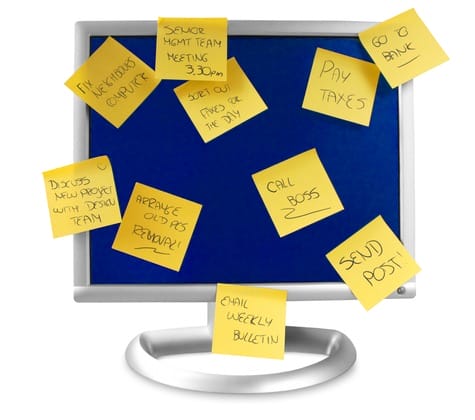
    Do you sometimes find yourself overwhelmed by the ever growing list of things to do? Managing your daily tasks can become its own full-time job.

    Thankfully, there are plenty of apps and tools to keep you organized and focused. Here are seven free tools that help you streamline your daily lists and notes, leaving you more time to dedicate the projects most important to you.

    Take notes and manage to-do lists

    1. Evernote

    Overview: Evernote is the most flexible of the note-taking tools. You can tag each note with keywords, making your files easily searchable and accessible even when you have hundreds of notes. You can attach files, format your notes, and include tables, checkboxes and lists.

    Stand out features: The reminders feature emails you a list of things due each day, creating an efficient way to automate your daily to-do list.
    If you want to use Evernote to work with teams and share notes across groups, you must purchase their premium service.

    Evernote is available for Android, Apple and as a downloadable application for any computer. There’s also an online interface that allows you to work from any computer.

    2. Trello

    Overview: Trello’s drag-and-drop interface is easy to use, but it is the least robust of the to-do list tools. The main benefit of Trello is it allows free access for multiple users.

    Stand out features: You can color-code, use hyperlinks and include checklists in your individual projects.

    The premium service allows you to log in through your Google account, and sync your to-do list with your daily schedule.

    Trello is available for both Android and Apple mobile, but only Windows 8 for your computer. Otherwise, you must use the Trello web interface.

    3. Todoist

    Overview: Todoist is simple to use and easy to navigate. You can tag your tasks for easy searching as well as organize them by group or task. Formatting options for tasks, however, are limited.

    Stand out features: Todoist allows you to set priorities within your tasks and lets you create sub-projects and hierarchies within your task list. The Todoist productivity feature lets you see how much you’ve accomplished in the last week.

    Todoist has the most flexible options for mobile devices, operating systems, and platforms. Unfortunately, adding notes and attaching files is a premium-only feature.

    4. Google Calendar + Tasks

    Overview: Google is the king of free organization apps. The tasks and calendar fit together seamlessly, and it’s easy to set reminders for both tasks and meetings to appear either in your email or as pop ups.

    Stand out features: Google gives you free access not only to scheduling and tasks but to a host of features that help you organize your time, maintain your files and keep track of your websites and business.

    Google Tasks aren’t as intuitive as the other to-do list tools, but the sheer number of options available to you via Google makes the learning curve worth the effort. You can access it online and from all mobile devices.

    Schedule Your Time

    5. Youcanbook.me

    Overview: Youcanbook.me automates your meetings. You set a calendar according to days and times you’re available, then simply send your calendar link to clients or colleagues when you want to schedule a meeting.

    Stand out features: Both you and meeting attendees receive an email with pertinent meeting details. You can design your calendar to match your website as well as include your company logo.

    The service connects with your Google Calendar to automatically create meeting entries as well as assure you don’t double book your time.

    Measure Your Productivity

    6. RescueTime

    Overview: You think you’re just quickly checking Facebook or email and then you’ll get back to work? RescueTime lets you know exactly how fast those moments add up to a big waste of your time.

    Install RescueTime on your computer, then rate websites, tasks and applications on a scale of very productive to highly distracting. RescueTime logs the amount of hours you spend on your computer and then lets you know how much of that time was actually productive.

    Stand out features: You receive a weekly emailed report of where you used your time and exactly how much of it was used productively.

    It can be a bit of a shock at first to see exactly how much time you’ve wasted, but awareness — and perhaps a bit of shame — allows you to tweak your computer usage, making your work time more efficient.

    Work with a team

    7. Asana

    Overview: Asana streamlines processes for teams to work together so that all members of the team can easily update and be updated. It is free and accessible via any internet browser. Asana’s options make it ideal for managing anything from customer relations to keeping track of pitches.

    The interface isn’t as intuitive to use as some of the other options, but its gallery of helpful videos will get you started.

    Stand out features: You can sign in via Google, sync with your calendar and add team members and tasks from your email and social media accounts.

    There’s no one perfect solution to keep track of what you have to do, but these free tools certainly make it easier. It takes a bit of trial and error before you know which will work best for you, but once you find your own process, you can keep track of everything you need and automate some of the more tedious details, leaving you more time to write, make contacts and develop your writing career.

    What are your favorite free productivity tools?

  • 5 Clever Hacks for Researching That Will Help You Write Better Stories

    5 Clever Hacks for Researching That Will Help You Write Better Stories

    Working as a writer and blogger can often mean producing content across a variety of sectors — not all of which may be your area of expertise.

    Writing about new topics requires a bit more exploration and reading in order to be familiar with your subject matter. Completing this research in a smart, efficient manner enables you to concentrate more on the actual writing, and less on digging up information. This means more timely key articles for clients, better value for money, and a happier work life all around.

    Here are five clever workflow hacks to help bloggers and writers gather information quickly and efficiently.

    1. Set up Google Alerts

    Google Alerts are an excellent place to start when setting up a smart workflow. Set up a series of Google Alerts for keywords you need to keep an eye on, and the relevant info will come straight to your inbox.

    Need support with this? I’ve put together a short screencast to walk you through the process.

    2. File newsfeed articles and sector roundup emails to a Google Doc

    When you subscribe to a variety of news roundup blogs and sites, as well as the most important blogs in your niche, you’ll have a number of emails hitting your inbox each morning. Organizing these messages is crucial if they’re going to be of any use to you.

    I use a filing trick in my Gmail inbox to earmark any important items as ones I’d like to write about or investigate further. I have set up a range of filters using IFTTT.com, a service that connects your web apps based on the concept of “If this, then that.” For example, if I star an email in my inbox, the content gets filed directly to a Google Doc marked “Blog ideas”. Then, when I’m ready to write, I simply scan the Doc for an interesting tidbit! (Like this idea? Click to tweet it).

    3. Use Twitter lists to file news and articles to Evernote

    Twitter lists are a time-saving trick which I highly recommend. In addition to reading tweets in this way, I use IFTTT.com to move any tweets I mark as ‘favorite’ to my Evernote notebook, ready for later use and reference.

    4. Send key RSS feeds straight to Evernote or Google Docs

    For sites with regular content that you really can’t miss, set up an RSS feed alert. You can set this up within Feedly Pro, or use IFTTT.com to send the content directly to your Evernote or Google Docs account. This makes sure that your key resources will always be available to you when required.

    5. Use existing collated research

    Stumble Upon now has list making facilities, similar to those on Pinterest, which are extremely helpful for sourcing new ideas and articles along a theme. Follow some key list-makers and influencers and use their collective research to boost your own.

    Similarly, List.ly is a handy collaborative list-making site that may have some resources you need with a different spin to kickstart some ideas.

    Do you use any of these methods for your research and writing workflow?

  • How to Make Money as a Freelance Blogger (and Actually Enjoy Your Work)

    How to Make Money as a Freelance Blogger (and Actually Enjoy Your Work)

    High-speed internet connection? Check. Laptop? Check. Dedication, ambition and a love for putting pen to paper? Check, check, check.

    You’re ready to make money as a freelance blogger and land blogging jobs. You’re just not sure how to do it.

    The good news is that other people have done it. These bloggers have made more than a buck or two by freelance blogging, which proves that it’s possible! You can make your living — and then some — in this field.

    How to prove your worth as a freelance blogger

    It’s time to learn from the best in the biz. We talked with successful writers who make money from freelance blogging to see what worked for them. Follow their tips to get started on your successful freelance blogging career.

    Here’s how to make money from freelance blogging.

    1. Find your niche

    If you’re a jack of all trades, master of none, you won’t make much money freelance blogging. Why not?

    Because you won’t stand out as an expert on anything.

    You can demand higher rates if you are a subject matter expert. Your niche will help here – tremendously.”
    Marya Jan of Writing Happiness

    2. Start your own blog

    Since you’re just starting out, you probably don’t have a writing portfolio. If you have nothing to entice clients to hire you, why would they? They’ll go with someone who already has some experience, which leaves you back at square one.

    But if you have your own blog and can submit samples of your own posts, you’ll be able to prove to clients off-the-bat that you’re hireable. (If you want guidance on this, here’s our step-by-step guide to starting a blog.)

    “If you want to become a successful freelance blogger then you should create a successful blog. It doesn’t have to be the next Mashable (when I landed my first job my blog was attracting just forty visitors per day), but a successful blog is practical evidence of your abilities.”
    Tom Ewer of Leaving Work Behind

    3. Keep blogging on your own

    Once you start landing freelance blogging gigs, it’s important to keep up your personal blog — even though you aren’t paying yourself to do so. Focus on growing your community and providing relevant content. The next step is finding a way to monetize your personal blog so it can become another revenue stream.

    “Once you’ve built up a following, you can also sell e-books, courses, and other products to your readers — or market yourself as a writer in your industry.”
    Linda Formichelli, formerly of The Renegade Writer

    4. Blog only for readers you want

    You want to be a freelance blogger so you can have the freedom to work from wherever — ideally from a sunny beach while sipping a Mai Tai. Although that isn’t a realistic vision of what it really means to be a freelance blogger, keep that vision in mind anyway. The idea is that a flexible job gives you freedom.

    If you’re working for a difficult client or writing a blog post on something you couldn’t care less about, it doesn’t matter how beautiful that beach is or how delicious that Mai Tai tastes. You’ll be miserable.

    Every project you say “yes” to means you have less room to say “yes” to another project. So make sure everything on your plate is something you really want and can handle.”
    Kelly Gurnett of Cordelia Calls It Quits

    5. Seek out regular clients

    Time is money, and every time you start working with a new client, you’ll have to spend (sometimes unpaid) time getting to know the client, their expectations and their style. With long-term clients, you’ll have a more steady income and can even negotiate a higher rate down the road.

    I work with a handful of long terms clients and spend next to no time on marketing and administration. It is highly rewarding to know that the vast majority of the work I do on my freelance business is directly earning me money. My hourly rate really is my hourly rate.”
    Tom Ewer of Leaving Work Behind

    6. Speed up

    Simply put, the faster you type, the more blog posts you can crank out and the more money you can make. So if you can’t type quickly or you make a lot of typing errors, get to work on improving your speed and become a more efficient typist.

    “It may sound trivial, but it really isn’t. If you are interested in writing for a living, learning to type faster is effectively a business investment.”
    Tom Ewer of Leaving Work Behind

    7. Blog for free

    Wait, isn’t this a post about making money as a freelance blogger? Hear me out.

    Do you want to get your name out there and in front of clients who have potential to pay a lot? Do you want to prove you’re an awesome writer without having to beg clients to give you a chance? Writing for free is your answer to all of the above. Writing for free is how you make money down the road.

    Writing for free helps you gain visibility and develop a network of people who will actually pay for something you offer, so long as you’re smart enough to monetize that opportunity.”
    Alexis Grant, founder of The Write Life

    8. Be prepared to write quite a lot — and then quite a lot more

    Yes, freelance blogging is a cushy work-from-your-couch job that doesn’t even require wearing pants. That doesn’t mean it’s easy. It’s still hard work.

    Freelance blogging can be a bit of a grind. So if you think this is about resting on your laurels, think again.

    “Yes, this isn’t that moonshot way of earning that so many are dreaming of, where you monetize your own blog and make six figures on autopilot. This is an everyday, working-class sort of way to earn from blogging. Simply helping publications and companies communicate powerfully with their readers and customers.”
    Carol Tice of Make a Living Writing

    9. When the time is right, increase your rates

    When you land your first freelance blogging gig, it’s likely not going to pay lucratively. That’s okay. But as you gain more experience and know your clients want to keep you around, it’s time to raise your rates and start making more money.

    “Look, as a freelancer, there’s no boss giving you an appraisal and deciding that it’s time to beef up your paycheck. That’s up to you. Most experienced freelancers I know will raise their rates every year or so (unless the economy is tanking). If nothing else, raise your rate according to the rate of inflation. If you don’t, you’re effectively losing money.”
    Mridu Khullar Relph of MriduKhullar.com

    10. Step the f*ck up

    You don’t know if you’re good enough. You don’t have tons of experience. You don’t really know what you’re doing.

    Enough with the excuses.

    If you want to be a successful freelance blogger, then you need to adjust your attitude, clean your slate of all those excuses and get started already. Because one thing is for sure. Your freelance blogging “career” will continue to make you zilch for the rest of your life if you don’t start somewhere.

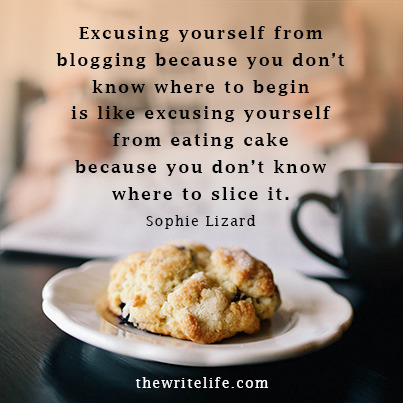
    “Deciding that you simply don’t have the confidence to talk to people about your freelance blogging services, or to apply for an advertised gig, is like deciding that you’re too shy to call emergency services when someone’s lying wounded at your feet. Excusing yourself from freelance blogging because you don’t know where to begin is like excusing yourself from eating cake because you don’t know where to slice it.”
    Sophie Lizard of Be a Freelance Blogger

    Excusing yourself from freelance blogging because you don’t know where to begin is like excusing yourself from eating cake because you don’t know where to slice it.

    How have you developed your freelance blogging career?

  • How to tell Personal Stories Through Blogging (And Avoid the Narcissism Trap)

    How to tell Personal Stories Through Blogging (And Avoid the Narcissism Trap)

    It’s not easy to write a first-person story in a way that will interest anyone other than your mother. In fact, “this happened to me” and “here’s what I think” posts are what earned blogging its narcissistic reputation.

    But then a writer like Lisa McKay comes along and so eloquently shares her own personal story about her husband’s cancer diagnosis. Only she’s not writing in retrospect, with the insight of knowing how her story will end. Instead, she’s telling this tale as it unfolds.

    Lisa points out just how hard this is to do in yesterday’s post, A Note from the Messy Middle:

    I’ve been thinking this morning about … [how] good writing usually has beginning, a middle, and an end. It tells a story. It has a point; it’s not just an unfiltered brain dump.

    We’re thrashing around in the middle of this story right now. Even though it only started just over three weeks ago, I can hardly remember that part anymore. The ending is still a long way off. And in the messy, map-less middle of this ugly story, all I’m pretty much capable of right now is an unfiltered brain dump.”

    Except that anyone who reads the post knows it’s more than a brain dump, that Lisa manages to find a point even when writing from the messy middle. Her honesty about how she feels might even bring you to tears.

    Lisa’s able to share her personal stories in ways that resonate with readers in part because she has practice under her belt; she’s the author of two memoirs, including her recent Love At The Speed Of Email, which chronicles how she fell in love with her husband Mike.

    We don’t often feature individuals’ work here at The Write Life, but Lisa’s latest posts are solid examples of how to tell personal stories well, whether through a memoir or on a blog, a goal so many writers struggle to achieve. As you root for her family over the coming months, be sure to learn something from her writing, too.

    What other bloggers tell personal stories well? Let us know in the comments!

  • 5 Lies You Tell Yourself That Keep You from Becoming an Awesome Writer

    5 Lies You Tell Yourself That Keep You from Becoming an Awesome Writer

    Many writers are afraid of writing.

    As a blogger and writer, I’m approached quite often by friends and readers who are interested in starting to freelance, or to write on their own.

    The truth is that they’re all better writers than me, but they haven’t decided to start a blog, write a book, or begin freelancing, because they believe the bunch of lies that their mind tells them about writing.

    There are several myths that I’m tired of hearing over and over again, so today I’m going to debunk them. Here are five common lies writers believe — and why they’re all wrong.

    1. I have nothing to say

    This is a bald-faced lie.

    How many times have you been in a conversation, and simply said nothing the entire time? Unless it was a terrible date, the chances are that, when you’re out with people, you’re able to have a conversation. In fact, I expect you rarely end up going out with friends and saying nothing the entire night because you “have nothing to say.”

    Lies.

    • You don’t have an opinion on anything?

    • You don’t have domain knowledge of anything?

    • You don’t get excited about anything?

    Focus in on one of those — any of those — and then just start writing, and see what happens.

    You’ve got more things to say than you like to think. (Click to tweet this idea).

    2. No one will listen to me

    Well, it’s really hard to listen to someone who never says anything.

    That hurts, huh? Well, it’s true.

    If you write something, at least you give people the option of listening to you. If you keep everything bottled up, you don’t even give them the chance.

    This is easily the worst excuse for not starting. Even if nobody reads anything you write, writing will make you a better thinker, and will allow you to communicate your thoughts more clearly, simply by practicing.

    3. I’m not interesting

    You don’t have to be. I don’t want to be the bearer of bad news, but people aren’t interested in you. You know what they’re interested in? Themselves. Seriously.

    More than anything, people are interested in themselves and in their problems. If you write about things that affect them, it doesn’t matter if you’re the most boring person who’s ever lived. In their eyes, you’re going to be incredibly useful because you speak to their needs, and help them solve their problems.

    If you focus your writing on solving problems, your readers will find you more interesting than the Dos Equis guy.

    4. I can’t make money writing

    That’s not true. While you might not get a million-dollar book advance, you can make a pretty good income from digital publishing. If you don’t believe that, just look at Alexis — or Ali or Dana or Chris or Darren. If you’re into writing fiction, just take a look at Johnny: he’s made novel writing his full-time gig.

    Heck, I’ve managed to do it, and I’m not even that great of a writer.

    The fact is that writing is a medium of communication. If you can use communication to help solve problems, you’ll always be able to charge for it. While they might not look like the book deals of thirty years ago or the newspaper dynasties of the last century, writing careers certainly aren’t dead. They’re just changing.

    5. I can’t compete with CNN

    Good news! You don’t have to!

    The traditional media channels are dying. They’re becoming more and more segmented according to people’s interests. You don’t have to compete with CNN. You can create your own little media network, and be a miniature giant.

    Besides, with how ridiculous the news networks are becoming lately, do you really want to “compete” with them? You can do way cooler things on your own, without waiting for permission from the corporate politics and bureaucracy which plague huge media companies.

    Writing careers aren't dead, they're just changing.

    Did any of those excuses hit home? If so, good. They should.

    Get rid of your excuses, pick a favorite writing tool and start writing.

    Because, when it comes down to it, there’s really only one defining characteristic of a writer:

    A writer writes.

    What lies have you told yourself about writing? How did you move past them?

  • The 15 Best Twitter Lists for Writers

    The 15 Best Twitter Lists for Writers

    Twitter is an awesome tool for sharing and promoting your work as well as connecting with your community of readers. However, it’s equally important to meet others in your industry and build a resource of contacts for support and encouragement.

    Thanks to the ease of using Twitter and the instant accessibility of its users, it’s one of the best places to turn to in order to accomplish this level of connection. But with up to 60,000 tweets shared everyday, it can be hard to cut through the chatter and find what you need. This is where Twitter lists come in.

    What’s a Twitter List?

    In case you don’t already know, a Twitter list is a great feature that allows you to group together certain types of people, authors or businesses you want to connect with. You can also subscribe to other people’s Twitter lists if you don’t want to create your own.

    Below are the best Twitter lists for writers looking to hone their craft, expand their knowledge of self-publishing or generally connect with like-minded creatives.

    1. Jane Friedman’s Best Tweets for Writers

    A focused list of people who tweet articles and information helpful to writers.

    2. John Kremer’s People Worth Following

    A Twitter list that not only includes influential people, but also authors and writers connected to the book world.

    3. Joel Friedlander’s Self-Publishing List

    A great list of self-publishing resources, tips and tricks from other self-published authors.

    4. Galley Cat’s Best Book Reviews

    Get access to book reviews by readers and authors from one of the best book review sites around.

    5. Gail Baugniet’s Bloggers of Book Topics

    A complete list of writers, bloggers and authors who share links to books they’ve read, written or published.

    6. Julie Isaac’s Writing Faves

    Find everything from writing inspiration, to the latest news and happenings in the writing world.

    7. Rachel Jameson’s Writing Tips

    Follow some of the best writers in the industry as they tweet their best tips and tricks on topics like self-publishing, fictional novels and more.

    8. Melissa Foster’s Book Promos List

    As author of multiple books, Melissa knows a thing or two about promoting a new book, as does everyone on this list.

    9. Mike Stelzner’s Copywriting Gurus

    An exclusive list of well-known freelance writers and business copywriters who’ve built successful businesses.

    10. Srinivas Rao’s Book of Publishers

    If you want to connect with a publisher, here’s a list of some of the best ones in the industry.

    11. Courtenay Bird’s Digital and Social Media List

    If you’re looking for ideas or inspiration, this list includes some fantastic content and opinions from Twitter influencers.

    12. Joanna Penn’s UK Bloggers and Writers

    Use this list to connect with editors, authors and publishers from all over the world.

    13. The Write Life’s Writing Associations

    If you’re looking for a writing association to connect with, check out our very own list of influential organizations.

    14. Kathryn Vercillo’s Writing, Writers List

    Reach some of the best writers, authors and bloggers in the online writing world.

    15. Nick Thacker’s Writers List

    A complete list of resources for self-publishing, marketing and building your writing platform.

    What are some of your favorite Twitter lists for writers? Share them with us in the comments!

  • How Writers Can Make Money on Etsy

    How Writers Can Make Money on Etsy

    Etsy, the online marketplace for handmade goods, is known for its multitude of crafty creations. You can find handwoven scarves, crocheted hats, one-of-a-kind paintings — it’s a haven for anyone who loves custom-made goods, and anyone skilled enough to make and sell them.

    While I’ve long-admired Etsy from afar and shopped there for personal gifts for my sisters and friends, as a writer, I never thought that I had anything to offer as a seller. But a chance encounter with an out-of-work architect who figured out a way to earn her living on the site opened my eyes to the opportunities for writers on Etsy — and there are a lot of them.

    A surprise hit craft inspires a career change

    Amy Stringer-Mowat started selling cutting boards in the shape of states on Etsy after she shared a few that she had made for her wedding. She soon found a huge demand for her invention, and began selling so many cutting boards that she had to enlist the help of her husband and others to fulfill the orders. Instead of looking for a new job in architecture, she settled into life as an entrepreneur and full-time Etsy-seller.

    Amy’s story inspired me to take a closer look at how I, as a writer, could also figure out a way to earn some cash and build a business on the site.

    Etsy includes more than just crafts

    I quickly found a category called “paper goods,” which includes subcategories such as bookmarks, calendars, cards, and notebooks. These sounded closer to the kinds of items a writer could tackle. Further investigation revealed a “planner” category, and as soon as I saw the types of products listed there — digital guides, detailed calendars — I knew I had found my new virtual home.

    Within two weeks, I created my “baby planner,” soon followed by a series of “money planners,” and I built my business from there. Over 200 sales later, my Etsy shop is one of my greatest sources of professional satisfaction. I make products with my words that help people, and people buy them – it’s hard to find better validation than that. (Click to tweet this idea).

    Writers interested in supplementing their income with an Etsy shop should consider these three options.

    1. Create products for fellow writers

    Since you’re a writer, you already know what helps you write, and you can make things that do the same for others.

    One of my favorite products currently listed is a novel-writing brainstorming template; there’s also a nonfiction version. Other shops offer inspiring quotes for writers in the form of artwork, such as a “just write one page” print, as well as beautiful notebooks that make you want to curl up and jot down all your ideas.

    2.  Make writing-related accessories

    Mugs with Jane Austen quotes, necklaces made from typewriter keys, and scarves decorated with text are just a few of the writing-related accessories that people sell on Etsy. It might not be directly related to your craft, but creating these kinds of goods allows you play with words and take your passion for writing onto the site.

    There’s also endless possibility here; almost every category listed, from home goods to bath and beauty, includes writing-related options. Bed sheets decorated with poetry, anyone?

    3. Design digital products

    Etsy recently changed its policy to allow for automatic downloads at purchase for buyers. That makes it easier than ever to create digital products and sell them on Etsy. Indeed, ebooks are a growing category on the site. Currently listed ebooks range from crafting-related instructions to instructional guides.

    While the site wasn’t designed with writers in mind, Etsy can help us earn extra money – and that’s always a good thing.

    Would you ever consider selling on Etsy? If you already have, please share your strategy and shop name below!

  • The Write Life Presents: The 100 Best Websites for Writers in 2014

    The Write Life Presents: The 100 Best Websites for Writers in 2014

    Editor’s note: Looking for our most updated list of best writing websites? Here’s our list for 2021.

    Is becoming a better writer your top priority this year?

    Maybe you want to earn more money as a freelancer. Or land a literary agent for your book. Or figure out how to take your marketing game up a notch. Or breathe new life into your draft of a novel.

    Whatever your goals for 2014, we’ve got you covered. We’ve broken our list of 100 Best Websites for Writers into 11 categories: blogging, business and career, copywriting, creativity and craft, freelancing, literary agents, marketing, publishing, travel writing, writing advice and writing communities. They’re in alphabetical order, but we’ve added numbers to make the list easier to read.

    Want to start your own website or blog after browsing this list? Here’s our step-by-step guide.

    Best blogging websites for writers

    1. Be a Freelance Blogger

    Be a Freelance Blogger teaches writers how to make real money blogging for hire. Sophie Lizard offers paid guest posting opportunities, fun group mentoring sessions and a range of useful free resources. There’s also The Freelance Blogger’s Client Hunting Masterclass for bloggers who want to win higher-paying clients.

    Post you’ll like: Why You Should Step the F*ck Up to Be a Freelance Blogger

    2. Boost Blog Traffic

    In the big pond that is the blogosphere, it can be frustrating for the articulate yet unnoticed small fish to make a name for themselves. At Boost Blog Traffic, Jon Morrow teaches you to create a quality blog that attracts the level of traffic you’re looking for.

    Editors note: This site now redirects to Smart Blogger.

    3. Penelope Trunk

    Even if Penelope’s out-there advice isn’t immediately applicable to your career or life, study her style as a stellar example of how to grow a blog community. Penelope’s mix of professional and (sometimes too much) personal has worked in her favor, earning her thousands of fans.

    Post you’ll like: How to Decide When to Work for Free

    4. Problogger

    Problogger is the go-to resource for… you guessed it…bloggers. In addition to its comprehensive archive of posts on growing a successful blog, Darren Rowse’s site offers a job board that’s worth browsing if you’re looking for a few freelance blogging gigs.

    Post you’ll like: 2014 Reboot: Get Ready for the New Year With a Blog Overhaul

    5. Smart Passive Income

    Smart Passive Income is a blog started by Pat Flynn, a former architect who now publicly builds online businesses and shares everything that goes right and wrong along the way. He writes with honesty, transparency and experience behind his words.

    Best Business and Career websites for writers

    6. Advanced Riskology

    No one wants to look back on their life and ask, “what if?” Tyler Tervooren’s Advanced Riskology is about abandoning the familiar script the majority of society lives by and taking a more rewarding and meaningful path as a freelancer.

    Post you’ll like: 99 Quotes About Risk to Inspire You to Great Things

    7. Alexis Grant

    It’s essential for writers to balance creativity with practicality, because we all know the bills have to get paid. Alexis Grant shares her perspective on the new world of work and offers strategies for creating alternative careers that fit well into your life.

    Post you’ll like: One Small Way to Invest In Yourself and Your Business That Will Yield Big Results

    8. Create as Folk

    Laura Simms’ Create as Folk is a home base for purpose-driven people. She helps readers explore meaning, money, identity, contribution, and self-expression in the quest for a career that feels like home.

    Editors note: This website is no longer about this topic.

    9. Jessica Lawlor

    Public relations professional and freelance writer Jessica Lawlor is all about getting gutsy: stepping outside your comfort zone to live a more fulfilling life. Jessica’s blog and newsletter are filled with inspiration, ideas and action items to help you #GetGutsy, pursue your passions and achieve your goals.

    Post you’ll like: Get Gutsy: Celebrating One Year of Life Outside My Comfort Zone

    10. Live Your Legend

    Believe it or not, you can make a living doing work you love! Scott Dinsmore wants you to make a career out of the thing you are most passionate about, thereby improving the world with innovation and a better attitude.

    Editors note: This website is not https compliant so we have removed the hyperlink.

    11. Microlancer

    Developed from what was once Collis Ta’eed’s Freelance Switch, this site helps freelancers and digital creatives find jobs and paying gigs in seven easy steps. Every Microlancer is connected to the perfect client, job and project so you can stand out from the crowd of other freelancers.

    Editors note: This website no longer exists.

    12. Paid to Exist

    Doing what you love and getting paid don’t have to be mutually exclusive. Jonathan Mead’s Paid to Exist is about eliminating the gap between the two and living your dreams.

    Post you’ll like: What to Do When You Fall Out of Love With Your Work

    13. Productive Flourishing

    Productive Flourishing is one of the top websites for planning and productivity for professional creatives, writers, entrepreneurs, and small business owners. Founder Charlie Gilkey is a sought-after speaker and advisor on small business growth and strategy and a recently self-published author of the Amazon.com best-selling book, The Small Business Lifecycle: A Guide for Taking the Right Steps at the Right Time.

    Post you’ll like: Use the Two Hour Rule to Make Progress on Your Creative Projects

    14. Seth Godin

    Seth’s aha moments about business and life will have you scrambling to, as he says, “make something happen.” He’ll help you think differently about how to be productive, what really matters in life and the best ways to reach your readers.

    15. Steph Gordon

    Steph Gordon’s site is a mecca for side hustlers, those building their dream business on the side of their day job. A mix of straightforward expert business how-to, from-the-trenches wisdom and a dash of sass create a blog you need to read if your dream business isn’t your full-time gig just yet.

    Editors note: This website no longer exists.

    Best Copywriting websites for writers

    16. AmpAndPivot

    No filter, no apologies—that’s the AmpAndPivot rally cry. Jules Taggart, founder of AmpAndPivot, has started a BLAH Rebellion, one that begins with compelling copy. She shows entrepreneurs and small business owners how to tell their stories in bold and unforgettable ways. ¡Viva la Revolucíon!

    17. Live Write Thrive

    Created by author and editor C.S. Lakin, Live Write Thrive is dedicated to providing practical writing craft advice, editing tips and deep instruction to aspiring and established writers who are “writing for life.” In addition to focusing on the craft of writing, Live Write Thrive examines publishing trends and gives advice on marketing, promotion and indie publishing.

    Post you’ll like: Creative Mind Mapping for Novelists

    18. Men with Pens

    Men with Pens has well over 1,000 articles geared to help writers with content-marketing, freelancing and small business endeavors. The blog, founded by web designer and copywriter James Chartrand, has more than 50,000 readers.

    Editors note: This website no longer exists.

    19. Sterling Editing

    Kelley Eskridge and Nicola Griffith, the Sterling Editing team, share weekly roundups of writing links from around the internet. Their blog combines advice on writing craft and publishing trends with a healthy dose of literary humor.

    Editors note: This website no longer exists.

    20. The Copy Bot

    Demian Farnworth teaches people how to write clear, concise and compelling copy through this blog and for Copyblogger Media. His goal is to create writing that is equally irresistible to search engines and readers.

    Editors note: This website no longer exists.

    21. The Middle Finger Project

    The Middle Finger Project is hell-bent on teaching writers to do business and life differently while having way more fun than the neighbors. See also: creative marketing ideas, sarcasm and copywriting advice delivered on a silver platter (alongside a glass of bourbon—neat), so you can get more clients, make more money and do this one life right.

    Post you’ll like: 3 (Top Secret Ultra James Bond) Ways to Add More Personality to Your Writing

    22. The Writing Whisperer

    Are you trying to find your voice as a writer? This site will help you do just that, while cultivating your personal writing style. With the help of M. Shannon Hernandez, the Writing Whisperer, you’ll blend your words with your love of writing to create a masterpiece.

    Editors note: This site now redirects to Joyful Business Revolution.

    23. Writing Happiness

    If you want to get more clients and customers with your blogging, it might be time to revamp your copywriting strategy. With help from Marya Jan’s blog, you can attract the right kind of traffic and turn leads into revenue.

    Editors note: This website no longer exists.

    Best Creativity and Craft websites for writers

    24. Aliventures

    Whether you write novels, non-fiction or another genre, Ali Luke’s site offers practical advice for overcoming obstacles. She covers topics like how to be more productive, tips for finishing your projects, and even shares some behind-the-scenes details of her own life as a writer.

    Post you’ll like: The Four Stages of Writing

    25. Brain Pickings

    At Brain Pickings, Maria Popova discusses the combinational force of creativity, the combination and recombination of ideas. She compares it to building with LEGOs—the more blocks, the more interesting the creations.

    Editors note: This site now redirects to The Marginalian.

    26. Dani Shapiro

    When it comes to blogs about writing, Dani’s blog is a breath of fresh air. This memoir author doesn’t publish on her blog as often as we’d like, but when she does, her literary voice and her insight—often about life—is beautiful. Stop here for creative inspiration.

    Post you’ll like: On Vulnerability

    27. Grammar Girl

    Grammar Girl, created by Mignon Fogarty, is a writer’s best friend. Each episode is a fun guide into the world of grammar, punctuation, usage and fun developments in the English language.

    28. Inky Girl

    Inky Girl is a blog geared toward those who write and illustrate for young people, written by children’s book writer and illustrator Debbie Ridpath Ohi. Content includes interviews with industry professionals, comics, publishing industry news and advice.

    Editors note: This website is not https compliant so we have removed the hyperlink.

    29. It Starts With

    While we all have ideas, dreams and goals, many of us have a difficult time executing them. Sarah Peck combines her background in psychology with lessons on how to turn small actions into huge results!

    Editors note: This website no longer exists.

    30. Marianne Elliott

    Marianne believes writing can be a potent form of social action, and stories help us not only see the world in new ways, but also build the world we want to live in. She shares her own stories and others she gathers, and teaches on the courage, compassion and curiosity it takes to work with stories.

    Editors note: This website no longer exists.

    31. Mystery Writing is Murder

    If you’re looking for motivation to keep writing, this is the blog for you. Elizabeth Spann Craig covers all aspects of writing and the writing life, including character development, productivity and social media.

    Post you’ll like: Tips for Writing in Short Blocks of Time

    32. PickTheBrain

    Led by Erin Falconer, PickTheBrain is one of the leading self-development sites. With more than 400 guest bloggers from around the world, PTB creates a global voice on all things productivity, confidence, creativity, motivation and more.

    Post you’ll like: 3 Ways Your Comfort Zone is Restricting Your Life

    33. Positive Writer

    Created by Bryan Hutchinson, Positive Writer is for writers and all creatives who struggle from time-to-time with confidence and trust in their ability to create art that matters. Bryan writes positive reinforcement articles that help fellow artists start and finish work they’re proud of by avoiding the never-ending, never-winning goal of “perfection.”

    Post you’ll like: How to Unlock Your Creativity and Stop Feeling Like a Failure

    34. E Napoletano

    If you feel stuck with your writing, you need the Redhead Writing blog. E Napoletano is blunt, brazen and badass, but also hilarious! This site gives a much-needed reprieve from any ordinary writer’s block.

    35. Romance University

    Romance University is a group blog dedicated to helping writers advance their careers, introducing readers to a variety of authors and delving into the ever-inscrutable male mind. Join them for free lectures on writing romance in any genre.

    Editors note: This website no longer exists.

    36. Story Bistro

    Story Bistro is another site by The Word Chef Tea Silvestra, whose mission is to help solo biz owners listen more deeply to their audiences, tell better stories and build stronger businesses. She publishes blog posts with concrete advice on storytelling of all kinds.

    37. The Artist’s Road

    The Artist’s Road is an ongoing conversation regarding the challenges and rewards of pursuing an art-committed life. As a professional storyteller who brings readers insights gathered on creativity and writing, Patrick Ross includes lessons from all types of creatives through video interviews.

    Editors note: This website is no longer public.

    38. The Other Side of the Story

    Author Janice Hardy’s blog is dedicated to helping writers improve their craft through in-depth study of writing, focusing on how to use a “rule” as well as why the rule exists in the first place. She doesn’t just say to “show, don’t tell,” she explains how. She also offers examples and practical tips you can apply directly to your work-in-progress and see immediate results.

    Editors note: This website no longer exists.

    39. The Story of Telling

    Bernadette Jiwa is a bestselling business author and speaker. She writes about how to reinvent your business and rethink your marketing by embracing your customer’s worldview to help you tell a better brand story.

    Post you’ll like: Doing Work That Matters

    40. The Writer and the Critic

    The Writer and the Critic is a monthly podcast devoted to speculative fiction books, reviews and occasional gossip. Hosted by Kirstyn McDermott and Ian Mond, you’ll find a little bit of everything for your writing.

    Post you’ll like: Everyday and The Woman Upstairs

    41. YA Confidential

    If you write for teens, this site is a must-read. The YA Confidential Operatives share everything you need to ensure your work appeals to young adults, from reviews of the newest YA fiction to undercover interviews with real teens.

    Editors note: This blog no longer exists.

    Best Freelancing websites for writers

    42. Cordelia Calls It Quits

    On this blog, Kelly Gurnett documents her attempts to rid her life of the things that don’t matter and focus more on the things that do. She shares her journey to launch her freelance business full time as a blogger extraordinaire.

    Editors note: This website is no longer about this topic.

    43. Freelance Folder

    The life of an entrepreneur can be solitary, but Freelance Folder helps fix that. Join this community of writers, publishers, designers and artists, and learn how to improve your craft while collaborating with others.

    44. Freelance Writers Academy

    Freelance Writers Academy helps writers earn what they deserve with essential tools, resources and information that guides them in launching successful careers. They also provide encouraging support, in-depth business training and up-to-date employment resources in a fun and interactive membership community.

    Editors note: This website no longer exists.

    45. Freelancers Union

    As a writer, you’re also an independent business owner. And with that responsibility comes the need to understand details like contracts, health insurance, saving for retirement, taxes and more. Founded by Sara Horowitz in 2003, the Freelancers Union gives you access to resources on these topics and much more.

    46. International Freelancers Academy

    Creating your own freelance writing business is all about connections, so you can bring in enough money to support you and your family. Ed Gandia and Pete Savage’s International Freelancers Academy provides training on these topics and a chance to work with other freelance writing experts, along with free weekly training videos.

    Editors note: This website is no longer about this topic.

    47. Leaving Work Behind

    Tom Ewer’s Leaving Work Behind is a blog and community for anyone interested in quitting their job and living a better life. The site’s main focus is on making money through blogging and freelancing.

    Editors note: This website no longer exists.

    48. Little Zotz

    Lauren Tharp is a freelance writer dedicated to helping other writers ease into the freelance lifestyle. Her website is a wealth of information, providing readers with weekly blog posts, video answers, newsletters and two highly-regarded free ebooks.

    Post you’ll like: 16 Red Flags: Say NO to That Potential Client

    49. Productive Writers

    Productive Writers helps freelance writers get high-paying assignments and finish them quickly so they have more time for the rest of their lives. The site is run by John Soares, a full-time freelancer since 1994, and its motto says it all: Work Less, Earn More, Live More.

    Post you’ll like: How to Write Faster: 12 Top Tips for Freelance Writers

    50. Scratch Magazine

    Scratch is a quarterly magazine for writers that focuses on intersection of writing and money. Created by former Writer’s Digest publisher Jane Friedman and freelance writer Manjula Martin, the site also features an ongoing collection of reports about magazines and websites and their pay rates called, “Who Pays Writers?”

    Editors note: This website no longer exists.

    51. The Freelance Pinoy

    Stef Gonzaga’s site guides freelancers on how to get started, improve and succeed in their respective trades and industry. Whether you’re a writer or an illustrator, this is the place for expert advice, informative tips and actionable steps to help you run a successful freelancing career.

    Editors note: This website is not https compliant so we have removed the hyperlink.

    52. Tuts+ Business

    On the new and improved site, formerly part of Freelance Switch, you can dig through the archives to find all kinds of resources for growing your business, marketing and dealing with clients. You’ll discover specific ideas and tips related to the business side of writing and freelancing.

    Post you’ll like: How to Plan an eBook Series

    53. Writers In Charge

    Writers in Charge helps writers take charge of their careers and command the rates they deserve by delivering practical content. As a writer you should be the one calling the shots, and this site, created by Bamidele Onibalusi, helps equip you with the necessary skills to build a successful writing career.

    Editors note: This website no longer exists.

    Best literary agent websites for writers

    54. The Bent Agency

    Make your writing dream a reality with the help of The Bent Agency. From navigating contracts to marketing to cover design, Jenny Bent’s blog helps new and aspiring authors publish bestsellers with a personal touch.

    55. Guide to Literary Agents (Writer’s Digest)

    If you’re looking to land a literary agent to represent your book, this blog is a must-read. Run by Chuck Sambuchino, the blog features posts by guest authors who have real-world experience, including literary agents who are looking for new clients and authors who have successfully sold books. Watch for a series on “7 Things I’ve Learned So Far” and “How I Got My Agent.”

    Post you’ll like: 7 Things I’ve Learned So Far

    56. Literary Rambles

    Literary Rambles spotlights children’s book authors through interviews and giveaways, and literary agents through comprehensive profiles. Casey McCormick and Natalie Aguirre give you an up-close-and-personal look at what it takes to write a novel, book or other literary work.

    Editors note: This website no longer exists.

    57. Miss Snark, Literary Agent

    Anonymous literary agent Miss Snark vents her wrath on the world of writers, and although the author is no longer publishing new posts, this blog’s archives are pure gold. Many of the posts are replies to actual reader questions, so you’re likely to find the answer to yours.

    Editors note: This website no longer exists.

    58. Nathan Bransford, Author

    Author and former literary agent Nathan Bransford blogs about every facet of the publishing process, from writing to finding agents to the latest publishing news. If you’re a newbie to the publishing world, or even a resident veteran, this site has everything you need.

    Post you’ll like:  The Publishing Process in GIF Form

    59. Rachelle Gardner

    Rachelle’s blog is one of the most popular resources by a literary agent. She offers the inside scoop on traditional publishing, including advice about how to sign with an agent, what to include in your book proposal and how royalties work.

    Post you’ll like: How to Get Published

    Best marketing websites for writers

    60. Mirasee

    Danny Iny’s blog, Firepole Marketing, is devoted to helping non-marketers become expert marketers. Danny and his team believe that through connecting and engaging with your audience—whether they’re clients, customers or readers—you can inspire them to new heights.

    Post you’ll like: Why Guru Strategies for Blog Growth Don’t Work…and What Does

    61. Kikolani

    At Kikolani, Kristi Hines covers content, search and social media marketing strategies for business and professional bloggers. Her strategies will help you learn how to successfully promote your blog and your brand.

    Post you’ll like: 32 Experts Share their Best Blog Post Promotion Tips

    62. Social Triggers

    Writers often hate sales and marketing, but whether you go the traditional or self-publishing route, you’ll have to sell your books, your proposal or yourself. Derek Halpern uses his outgoing personality to make sales fun, and his suggestions will help you earn more money as a writer.

    Post you’ll like: How to Tell People What You Do (and prove you’re good at it)

    63. The Creative Penn

    Indie author and marketing star Joanna Penn writes this blog for authors, writers and entrepreneurs. In addition to her self-publishing and platform-building advice, Joanna gives behind-the-scenes details about how she’s making a living as a full-time author entrepreneur.

    Post you’ll like: Lessons Learned From 2 Years as a Full-Time Author Entrepreneur

    64. The Identity

    Lis Dingjan runs The Identity, a creation and hustle studio powered on fruity tea, where she writes about branding, design, breaking the biz rules, marketing and reflections on the online world. Mixed with laughs, lashings of high quality, a sprinkle of rustic fusion and a whole lot of love and value, she’s determined to help your business succeed.

    Editors note: This website no longer exists.

    Best publishing websites for writers

    65. Goins, Writer

    If you write, you’re a writer! Jeff Goins blogs about creating a successful writing career you are passionate about and getting published. With multiple best-selling books, both self-published and traditionally published, he has loads of experience and expertise to share.

    Post you’ll like: The Secret to Developing a Regular Writing Habit

    66. Helping Writers Become Authors

    This site, run by author K.M. Weiland, features tips and essays about the writing life to enlighten and encourage other writers. Helping Writers Become Authors was created to help other writers understand the ins-and-outs of the craft and the psychology behind the inspiration.

    Post you’ll like: 15 Bad Habits That Hold Writers Back

    67. How to Plan, Write and Develop a Book

    Get weekly exercises, tips and techniques on how to structure and craft a book-length manuscript in any genre from Mary Carroll Moore, author of Your Book Starts Here. This blog includes interviews with published writers of fiction, nonfiction, and memoir on structuring methods, character, dialogue, pacing and more.

    Post you’ll like: Your Writing Voice: How to Develop It, Recognize It, Not Copy Someone Else’s

    68. Jane Friedman

    This blog from the former publisher of Writer’s Digest focuses on writing, reading and the digital age. It also features a weekly column on the publishing industry by journalist and publishing consultant Porter Anderson.

    Post you’ll like: Why Don’t Publishers Believe in Author Websites?

    69. Jody Hedlund, Author

    Jody’s blog is a chronicle of her writing journey. She offers advice, encouragement and inspiration based on all that she’s learned about writing, publication and marketing in today’s tough publishing industry.

    Post you’ll like: When to Show Character Emotions and When to Tell

    70. Lisa Romeo Writes

    Lisa blogs about writing, editing, reading, books, submissions, freelancing, getting published (and rejected), revisions, life after the MFA, teaching writing and living the writer’s life. Her site features guest posts and interviews with authors, editors and other publishing experts, but comes with one caveat for writers: Write first, read blogs second.

    Post you’ll like: When “So What?” Is a Perfectly Good Response

    71. Lynette Benton

    If you want to become a better writer, Lynette will help you get there. As a published author of multiple essays and blogs, she shares some of the best tools and tactics for writers. She’s also in the final stages of editing her memoir, so she knows a thing or two about the traditional publishing industry.

    72. Novel Publicity

    Novel Publicity aims to be a one-stop shop for published and aspiring writers alike. They blog about topics related to writing advice, publishing, social media and more. If you have a specific writing question, take advantage of their Ask the Editor feature.

    Post you’ll like: How to Run a GoodReads Giveaway With Maximal Results

    73. Terribleminds

    Chuck Wendig discusses writing, storytelling and publishing with great irreverence and gulping bucketloads of metaphor and vulgarity. He interviews other authors, talks about writing and the publishing industry, and offers lots of writing prompts.

    Post you’ll like: 50 Rantypants Snidbits of Random Writing & Storytelling Advice

    74. The Book Deal

    Alan Rinzler’s blog goes in-depth on how to succeed at traditional publishing. A veteran editor, Alan provides advice on writing memoir, marketing your book, landing an agent, self-publishing and more.

    Post you’ll like: How to Grab, Delight or Shock Your Readers Right from the Start

    75. Warner Coaching

    Warner Coaching is Brooke Warner’s coaching site and newsletter, dedicated to helping writers understand the business of book publishing, including traditional, hybrid and self-publishing. Her primary goal is to give writers the confidence and information they need to publish well and self-promote with confidence.

    76. Write Hacked

    Created by Nick Thacker, WriteHacked.com (formerly LiveHacked.com) is all about writing better, self-publishing and building an online platform that actually works. Publishing today doesn’t mean the same thing it used to, and it’s easier than ever to create, publish and sell your work—but are you doing it well?

    Best travel writing websites for writers

    77. Almost Fearless

    Christine Gilbert’s storytelling draws you into her life as an expat: her writing is honest and heartfelt as she describes travel, language and her writing process. If you can tear your eyes away from her stories and photos, you’ll notice that she and her husband Drew, a videographer, also teach courses and workshops on story-driven blogging.

    Editor’s note: This website no longer exists.

    78. Camels and Chocolate

    Kristin Luna is a travel writer with a thirst for adventure. If you’re looking to incorporate more images and creativity into your writing, this is the blog you need! Her beautiful photos and honest, imaginative descriptions of exotic locations are sure to inspire your writing—and your envy.

    79. Location 180

    Who says you have to write in one spot or in a boring office? Sean Ogle writes about building a business you can run from anywhere and living a life worth writing about.

    80. The Art of Non-Conformity

    If you’re sick and tired of the status quo, Chris Guillebeau may be the answer. A published author, Chris has traveled to every country in the world and preaches the art of non-conformity through his own lifestyle. Start living a life that matters… to you!

    Post you’ll like: Why You Should Quit Your Job and Travel Around the World

    81. The Writer and the Wanderer

    Life only seems to come together in stories and in journeys, and those two narratives—one of the mind and the other of the road—have shaped travel writer Mary Morris’ life. The Writer and the Wanderer, with its posts, photos and watercolors, is an attempt to give all her adventures a context.

    Post you’ll like: On Longing

    82. The Writer’s [Inner] Journey

    There’s no one way to create or write, and everything you’ll discover on The Writer’s [Inner] Journey proves that. Meredith Resnick engages bestselling authors, professional creatives and emerging voices in quirky dialogue about how they write and why it works for them.

    83. Travel Writing 2.0

    Tim Leffel’s Travel Writing 2.0 blog is a guide to finding real success as a travel writer in the digital age, without abandoning opportunities to succeed with books, print articles or other options. It features advice and interviews from freelancers, bloggers and editors earning a good income from their writing.

    Post you’ll like: Five Things Writers Should Stop Doing in the ‘20s

    Best writing advice websites for writers

    84. About Freelance Writing

    With original articles, answers to your writing questions and resources for finding gigs, increasing pay and pretty much anything about freelance writing, this site lives up to its name. Impressively, it’s been around for more than a decade, and creator Anne Wayman has been freelance writing for over 30.

    85. Advice to Writers

    Curated by Jon Winokur, this site collects the writerly wisdom of the ages in the form of a Quote of the Day (also available as a daily email), hundreds of links to resources and exclusive weekly interviews with writers like Harlan Ellison.

    86. Christina Katz

    Christina teaches writers to prosper by building solid, salable, life-long career skills via classes and training groups that work even in a rapidly evolving publishing marketplace. Highlights of the site include the Writers On The Move health and fitness accountability group for writers, an annual round-up of Movies About Writers and The Writing Life, and monthly writing and platform challenges.

    Post you’ll like: How to Navigate Tough Times & Get Back to Writing

    87. Daily Writing Tips

    DailyWritingTips.com features articles on grammar, punctuation, spelling, usage and vocabulary. The site was founded in 2007, and its archives contain more than 2,200 advice articles for writers.

    Post you’ll like: 10 Techniques for More Precise Writing

    88. Funds for Writers

    FundsforWriters.com is C. Hope Clark’s website on financial resources for the serious writer. Her weekly newsletters reach 45,000 readers and contain calls for submissions for grants, contests, freelance markets, publishers, agents and jobs. Hope is also a freelance writer and mystery author.

    89. Make a Living Writing

    Stop getting paid pennies for your amazing content! You can move beyond the low-paying gigs and actually make a living from freelance writing. On this blog, Carol Tice writes from her wealth of experience and knowledge as a successful freelance writer.

    Post you’ll like: How I Make $5,000 a Month as a Paid Blogger

    90. Moody Writing

    With resources for fiction writing and creative tips, Moody Writing will get you in the mindset to explore new worlds with your writing. You’ll find resources for everything from creating characters to meeting deadlines for your story.

    Post you’ll like: The Best Way to Improve Your Writing

    91. Procrastiwriter

    Written by Shanan Haislip, a champion procrastinator who also happens to be a writer, The Procrastiwriter is for beginning and veteran writers who are trying to write more, write better, and most importantly, fit their writing into a full-time life.

    Editor’s note: This website no longer exists.

    92. Read. Learn. Write.

    As a writer, you should constantly be reading, learning and, of course, writing. At Read. Learn. Write., Brandon Monk discusses the importance of all three and shares essays from contributors all over the world.

    Post you’ll like: What Does It Mean to Be a Writer?

    93. The Renegade Writer

    Linda Formichelli, aka the Renegade Writer, helps freelance writers earn a living on their own terms. The blog focuses on magazine writers but also includes information for copywriters, bloggers and other types of writers.

    Editor’s note: This website no longer exists.

    94. The Write Practice

    Founded by Joe Bunting, this site is where procrastination goes to die. It offers fun creative writing lessons and prompts to practice your craft 15 minutes a day, six times a week. It’s considered one of the best writing workbooks on the Internet.

    Post you’ll like: How to Write a Book in Nine (Not So) Easy Steps

    95. Write to Done

    If you want to improve your writing, Mary Jaksch’s Write to Done is a fantastic online resource to tap into; it features inspiring articles and how-to posts that will help you become a better writer. Check out their free ebook, The (nearly) Ultimate Guide to Better Writing.

    Post you’ll like: How to Write Better: 7 Instant Fixes

    Best writing communities for writers

    96. A Writer’s Bucket List

    A Writer’s Bucket List is a place for entrepreneurial writers and writerly entrepreneurs to connect with, learn from, and discover awesome work by their peers. Created by Dana Sitar, the site features posts from writers in the community as well as expert columnists on blogging, freelancing, marketing and storytelling.

    Editors note: This website is not https compliant so we have removed the hyperlink.

    97. Laptop Cafes

    Created by Lis Dingjan, Laptop Cafes is a directory of little corners all across the world where you can access free wifi in a comfortable, quality space. Whether you need to work, check your email or book the next leg of your trip, you’ll find the perfect place to do it. All cafes are vetted by the LC community and summaries include important details such as which seats have power outlet access.

    Editor’s note: This website no longer exists.

    98. Writers Helping Writers

    Writers Helping Writers (formerly The Bookshelf Muse) is a site dedicated to serving the writing community through solid craft advice, unique tools and friendly support. Its founders Angela Ackerman and Becca Puglisi are best known for their descriptive Thesaurus Collections on Characters Traits, Emotions, Physical Attributes, Setting, Weather, Symbolism and more.

    Post you’ll like: The Seven Deadly Sins of Novel Writing

    99. Writers-Network

    In this free online creative writing community, writers and poets can post their writing, get feedback and discuss writing-related topics in the forums and live chat rooms. Members can also participate in contests, earn points for reviewing, maintain a personal writing profile and gain fans from all around the world.

    Editor’s note: This website no longer exists.

    100. Writertopia

    Writertopia is exactly what it sounds like: it’s a place where writers can hone their craft while connecting with other writers. Created by Bill Katz and Jennifer Yoon, Writertopia’s goal is to build a community of collaborative, skilled writers.