Ever wonder how other freelance writers seem to get a ton of marketing done in a few hours when it comes to building their author platform? Or how they whip up proposals and contracts quickly, then onboard new clients so easily?
Here’s their super stealthy secret: they use customized templates to automate time-consuming business procedures.
They avoid the time-sucks and headaches that typically capture freelance writers in hours-long black holes of confusion, and instead improve their repeatable processes with templates.
Don’t fall into the trap of custom crafting every little thing that goes out of your inbox. Have a set of templates that you can tailor to your personality, and help you work efficiently, improve your client experience, and eliminate the fluff from your business.
Freelance writing templates to automate your biz
After almost a decade of freelancing, I’ve battle-tested these contracts and templates to make sure they not only cover your marketing efforts, but set you up for success with the proper contract outlines.
Here are six differentfreelance writing templates you need, why it’s important to have them in your arsenal and how to use them to automate and customize your business.
1. LOI templates for businesses and trade magazines
When you’re writing LOIs (Letters of Introduction) to market your writing services to businesses or trade magazines, the process can get repetitive and time-consuming, especially if you’re reaching out to multiple potential clients within the same niche.
As you write these short letters, it’s easy to lose hours coming up with different ways to say essentially these same things to hundreds of different people:
Asking if they need writing help
Introducing yourself
Explaining relevant niches and clients you’ve worked with
Headlines for story ideas you have (trade magazines)
When you create a template to work from, then customize it per niche and per trade magazine type, you form a repeatable system to get more marketing done in less time. Instead of starting from scratch each time you step up to the marketing plate, you’ve got 90-ish percent of the work finished, and simply need to add a few sprinkles of customization before you press send.
With an LOI template, you can send tailored messages quickly through email, LinkedIn InMails, DMs or connection invites. And here’s some more behind-the-scenes info: If you start with one template, it’s easy to create dozens of templates for all the niches, trade magazine genres or other marketing needs you have.
Then, when you need to get some marketing done, you can pull from a personalized deck to send the right message to the right prospect in a few minutes to automate the process. And because you’re able to reach more potential clients faster by putting more irons in the fire, you can grow your client base and make more money.
2. LinkedIn marketing templates
Like LOI templates, LinkedIn marketing templates are designed to help you send marketing and networking messages that sound like you, but in more efficient (and less tedious) ways. From connection requests to InMails to referrals to pitches, these templates cover the gamut of activities within LinkedIn and help you reduce your time on the platform, but make more overall impact.
This toolkit allows you to prospect, grow your network, ask for referrals, follow up with warm leads, connect with other writers and communicate like a LinkedIn pro…without losing a ton of time that you need to spend on paid work. You’ll speed up client acquisition by growing the amount of marketing you send out, and cut down on potential client back-and-forth by altering your templates over time to include the info you’re asked about most upfront.
One of the best platforms for freelance writers, LinkedIn offers so many opportunities to connect with clients and grow your business. And when you’ve got templates that you can design your personality into, sending out LOIs and pitches for marketing, replying to messages, and popping over connection and referral requests becomes an almost-automatic operation.
You’re able to plug-and-play with a basic framework, where you change a few specific details for customization, then send warm messages that come across as professional, but with a touch of you that sets your communication apart. By simply changing a few variables, you’re able to work more in a copy-paste fashion than spending hours crafting dozens of messages and taking time away from working on your paid client projects.
3. Proposal template
Nothing accelerates the client onboarding experience and provides value more than having a quality proposal template. When you’ve got the structure, adding in specifics like the below for each new client proposal is a breeze:
Design elements like relevant photos and colors
Intro messages
Project goals and scope of work
Validation via testimonials and a list of past clients
Project cost
Next steps for the potential client to take
In the getting-to-know-you period, sending over a polished proposal that looks, sounds and feels like the experience of working with you grabs your client’s attention. And if you use a template, although it feels like a fully custom experience on the receiving end, the creation side is mostly minimal. You can craft several templates that are customized per niche to cut down even more on time, and onboard your client without a lot of turbulence.
With a templated proposal, onboarding is simplified, and because you put in the time upfront to create an outline that’s easy to tailor, you only have to spend a short amount of time refreshing it for each new potential client.
4. Business and magazine contract templates
Because businesses and magazines have different needs, it’s important to have two different freelance writing contract templates.
However, both work toward the same goal: outlining the process of working together in clear, direct terms and providing a layout that you can use over and over again in your freelance writing business. With the right two templates, you’ve already got a sequence of information (and maybe some legalese), that only needs a few updates like project scope, contract duration, upfront payment amount, due dates, and potentially, payment terms and rights.
As a freelance writer, having contract templates helps you keep your agreements consistent and clear, but also keeps you safe. When you have a direct document to continually work from, every clause or additional term you add as your business grows lives on and builds a more secure contract. When you don’t have a template, it’s easy to recreate the wheel for every contract, forget specific clauses and terms (I know, I’ve done it), make mistakes, and create inconsistencies among clients.
But when you’ve customized a specific agreement, you can send it to clients faster for signature, get your upfront payment quicker, and onboard your client without an enormous amount of effort. Plus, you’re able to move from proposal to contract to payment in a much more streamlined way.
5. NDA template
With an NDA (Non-Disclosure Agreement) template in your arsenal, if you’re sent a client’s NDA that’s not a fit for you during your onboarding process, you can quickly send yours over. Whether it’s the whole agreement, a few clauses or a lengthy contract duration, instead of agreeing to terms that aren’t writer friendly, you simply send your customized template for consideration.
Since some NDAs ask you to keep information or processes under wraps forever, having your own framework at-the-ready that spells out a year or two of silence on their secrets avoids having to scramble. When you don’t have a backup plan, especially one that’s custom-created for freelance writers, you may end up using an NDA that hinders more than it helps.
Additionally, with an NDA in your back pocket, you minimize time spent on finding and drafting new ones frequently, and save potential onboarding headaches and mishaps. A few minutes of typing and you’ve got a template that you can send when you need to and essentially automate the NDA formation and signing process.
6. VA and independent contractor contract template
When you want to hire outside help for your business, having a contract template to work with helps smooth out and automate onboarding. Whether it’s a VA (Virtual Assistant), SEO consultant, or graphic designer, or you’re creating an agency-style business with contracted writers, you want to have a template to customize to your exact work needs.
Unlike a business or magazine, this agreement may cover more than project scope, payment terms, rights and indemnification. And having an agreement on-hand to swiftly add someone into your business helps you move up and scale without the stress and extra time spent.
With a pre-built framework that’s freelance writer-friendly, the agreement is more malleable for the different types of contractors you may hire in your business, and like your marketing templates, can morph into several different contract templates for your specific work needs. It’s like having a step-by-step option where you only need to customize project scope and rights, send the document, and get back to more important tasks.
As you grow and scale, you may need to add a clause or two if your business becomes ultra complex. But having a contract template for a VA or independent contractor that you can almost set-and-forget and clearly maps out how you’ll work together, makes the process of hiring help rapidly much less complicated and more straightforward.
If you’re a writer, it makes perfect sense: You can use a blog to serve as your author platform, market your work or find new freelance writing clients. Blogging is also a great way to experiment with your writing style.
This is the age of content — people are always looking for more to absorb, and your unique voice has a place on the vast, limitless interwebs, too.
How to start a blog
Starting a blog can feel overwhelming. But the truth is, it’s doable for anyone with the right guidance.
We’re here to help you navigate every step so you can start a blog stress-free — from choosing your domain name to publishing your first post.
This is a long post, so here’s a quick summary of what we’ll cover:
First things first when you start a blog: choosing a domain name. Where are people going to find you online?
This can be one of the most enjoyable parts of getting started with a blog; it’s such a rush when the URL you want is available and you can buy it right away.
But if your first choice isn’t available, if someone else is already using that URL, it can be stressful to come up with another domain that feels right. After all, this is a permanent home on the Internet you’re creating!
The truth though, is that you can always change this down the line if you decide to go in a different direction with your URL. The most important part isn’t choosing the perfect domain, it’s choosing one and getting started.
One of the best places to start is using a variation of your name. Especially as a writer, because you are your brand. Your name will never go out of style no matter how your interests change over time.
To check availability, search this handy domain-name checker:
If you’re feeling good about your choice, you can also visit Bluehost directly and purchase your domain there. The company offers a $2.95/month plan for The Write Life readers.
Even if yourname.com isn’t available, you might find it with a different ending, such as yourname.co or yourname.io. If you’re super committed to this whole writing thing, you can also try tacking a “writer” onto the end of your name, as in susanshainwriter.com.
Alternatively, you could opt for a creative blog name — but remember your interests and target audience may change as the years go by. When I started blogging in 2012, I focused solely on adventure travel and named my blog Travel Junkette. After expanding my niche and services, I switched to susanshain.com because my name won’t change, no matter what I’m blogging about.
Although it wasn’t a huge deal, I wish I’d started out using my name as the domain, and would advise you not to make the same mistake I did.
Once you’ve settled on your domain (or domains, if you’re like many of us writerpreneurs!), don’t wait to buy it. Even if you’re not ready to start a blog right now, domains are cheap — and you don’t want to risk losing the one you want.
If you’re really having a hard time picking a URL, review our more detailed post on how to choose a domain name.
Before you actually click “purchase,” though, you might want to read the next step; we’re going to tell you how to get a domain name for free.
2. Purchase a hosting package
Now it’s time to choose a web host.
What’s a web host? Your hosting company does all the technical magic to make sure your site actually appears when people type your domain name into their browser. In other words, it’s pretty important.
While we use MediaTemple to host The Write Life, it’s typically better for blogs with lots of traffic. You probably don’t need that if you’re just starting out, so go with a cheaper option instead.
For a new blog, try Bluehost. It’s used by top bloggers around the world and is known for its customer service and reliability.
The Write Life has a partnership with Bluehost whereby they allow our readers to purchase hosting for $2.95/month. The cool part is that INCLUDES your domain.
Oh, and pro freelancer money tip: Put your purchase (and all the purchases listed in this post) on a business credit card and keep the receipts; as investments in your business, they’re tax-deductible.
3. Install WordPress
We’re almost through with the techy stuff, we promise!
You have several different choices for blogging platforms, but we like WordPress best. Not only is it totally free, but it’s easy to learn, offers a wide variety of themes, and has an online community and abundance of plugins that make blogging accessible to everybody.
You can read comprehensive instructions for installing WordPress on your new blog here. Once you’ve completed that, you can officially log into your blog and start making it look pretty.
4. Put your site in “maintenance mode”
While working on your blog’s appearance, you might want to put up an “under construction” sign to greet visitors.
You don’t want any potential clients or readers to Google your name and find a half-finished site. (You may think you’re going to finish setting up your blog tomorrow, but we all know how writers procrastinate when there are no looming deadlines!)
To set up maintenance mode, just download this plugin. On your maintenance page, you could even include a link to your email newsletter or social media profiles so visitors have an alternate way of getting in touch with you. When you’re ready to share your blog with the world, simply deactivate and delete the plugin.
5. Choose a blog theme
Now we’re getting to the fun stuff! Your theme determines what your blog looks like, and you’ve got a lot of options to choose from. Yes, there’s a wide range of free themes, but if you’re serious about blogging, the customization and support offered by paid themes can’t be beaten.
Here at The Write Life, we use Genesis, which is one of the most popular premium themes available. Another popular and flexible theme is Thesis. On my first blog, I used Elegant Themes, which has a wide selection of beautiful themes at a reasonable price. All of these themes come with unlimited support — essential when you’re starting a blog.
If you want your blog to be a marketing tool for your writing services, you might look for a theme with a static home page (like mine). That way, your site will look professional and appealing to everyone — whether they’re there to read your latest post or hire you for a project.
Whatever you do, make sure your theme is “responsive,” which means it automatically adjusts to look good on any device. Since more than half of website visits are made on mobile phones, this is crucial for your blog’s aesthetic.
6. Create a blog header
I think it’s always worth getting a custom header for a new blog.
You can ask your favorite graphic designer, create one with Canva, or order one on Fiverr. I’ve had great luck getting headers and other graphics designed in this online marketplace, where thousands of people offer their services for $5 per gig.
7. Write your blog pages
Though you’re starting a blog and not a static website, you’ll still want a few pages that don’t change. (“Pages” are different from “posts,” which are the daily/weekly/monthly entries you publish on your blog.)
Here are some pages you may want to create:
About
The about page is frequently touted as one of the most-viewed pages on blogs, so don’t overlook it. Include a professional headshot and brief bio, and explain why you’re blogging and why the reader should care. What makes you an expert? How can you help them?
Don’t be afraid to let your personality shine through; blogging is a personal affair!
Contact
You want your readers to be able to get in touch with you, right? Then you’ll need a contact page.
It doesn’t have to be anything fancy; just tell your readers how best to reach you. Avoid putting your full email address on here, as spambots could get ahold of it. To work around that, you can use a contact form plugin, which we’ll link to below, or simply write something like “yourname AT yoursite DOT com.”
Portfolio
It’s your blog, so flaunt what you’ve got! Show your prospective clients and readers that you deserve their time and attention with examples of your past and present work.
Do you have a list of favorite writing tools? Or maybe books that have inspired you? Readers love resources pages, and for bloggers, they can also be a clever way to earn income from affiliate sales.
You probably won’t need this at first, but a “start here” page is smart once you have a decent amount of content. It’s a great opportunity to express your mission and highlight your best work, so your readers can see the value of your blog without wading through months or years worth of posts.
Joanna Penn does a good job with hers, encouraging readers to download her ebook and then choose a topic that interests them.
Work with me
If you’re using your new blog to sell your writing services, this page is essential. Be clear about how you can help people and how they can get in touch with you. You could even list packages of different services, like Lisa Rowan does on her site.
Once you’ve set up all your pages, make sure they’re easily accessible from the home page. If they’re not showing up, you may have to adjust your menus.
8. Install plugins
Plugins are great for everybody, especially those of us who are less comfortable with the technical side of things. Think of them as apps for your blog; they’re free tools you can install to do a variety of things.
Though having lots of plugins can undermine the functionality and security of your blog, there are several we recommend everyone look into:
Contact Form 7: If you want to avoid putting your email address on your contact page, use this plugin, which is frequently updated and receives good reviews.
Hello Bar: Want to get readers to sign up for your free newsletter? Or want to announce the release of your latest book? This plugin allows you to create a banner for the top of your blog.
Mashshare: These share buttons are similar to the ones you see here on The Write Life. Another minimalist option is Simple Share Buttons Adder. It doesn’t matter which plugin you choose; it’s just important to make social sharing easy for your readers.
Google Analytics Dashboard: This plugin tracks the visitors to your site so you can see what people are interested in and how they’re finding you.
Akismet: One of the headaches of blogging is the plethora of spam comments. This plugin will help you reduce the number of spammers that sneak through.
WP Super Cache: Another plugin that’s not sexy, but is important. Caching allows your blog to load faster, pleasing both your readers and Google.
Yoast SEO: This all-in-one SEO plugin helps you optimize your posts so you can get organic traffic from search engines.
9. Install widgets
If your blog has a sidebar, you might want to spruce it up with a few widgets, aka small boxes with different functions. That said, the minimalist look is in — so skip this step if you want to keep your sidebar simple.
Here are some ideas:
About box
You’ve probably seen this on a lot of blogs; it’s a box in the upper right-hand corner welcoming you to the site. Check out The Write Life managing editor Jessica Lawlor’s blog for a good example.
Social media icons
Make it easy for your readers to follow you on social media by including links to your profiles in the sidebar. Your theme will probably include this feature, but if not, here’s a basic tutorial.
Popular posts
Once you’ve been blogging for a while, you might want to highlight your most popular posts in the sidebar, which you can do with a basic text widget. We do this here on The Write Life so you can find our most popular content quickly and easily.
10. Purchase backup software
Don’t overlook this important step just because you don’t have content yet! It’s better to install this software early than to start blogging and forget until it’s too late.
Free options exist, but I’ve never had good luck with them — and for something as important as my entire blog, I don’t mind paying a little extra. (It’s a business write-off, remember?!) Popular backup options include VaultPress, BackupBuddy, and blogVault.
11. Start your email list
I know, I know, you haven’t even started blogging and I already want you to build an email list. Trust me; you’ll be so glad you did.
Alexis Grant, founder of The Write Life, agrees with me. “If I could go back and do one thing differently for my business, it would be starting a newsletter earlier,” she writes. “My email list is THAT important for my business, bringing traffic to my website, buys of my products and opportunities I never could’ve expected.”
Even if you don’t have anything to send, just start collecting email addresses. The best way to entice people to sign up is by offering a free ebook or resource. For a great example, check out The Write Life’s Freelance Writer Pitch Checklist.
My favorite email newsletter platform is Mailchimp. It’s intuitive, fun, and free for up to 2,000 subscribers.
A lot of creatives also use ConvertKit. It also offers a free plan, and some people say it’s easier to use than MailChimp. If you want more options, browse our list of news of tools for building your email list.
Once you’ve created your list, encourage your readers to sign up by adding a subscription box to your sidebar, and maybe even install a plugin like PopupAlly. Or, if you use ConvertKit, they have pop-up options built-in.
We recommend creating an editorial calendar, even if you are coordinating with no one other than yourself. It doesn’t have to be fancy; it can even be scribbled out in a notebook.
What’s important is that you plan your posts in advance, so you can keep track of your ideas and stick to a schedule. It’s also a chance to assess and tweak your content strategy. What do you want to write about? How will you draw readers in?
Don’t forget you’re writing for the web, so your style should be different than if you were writing for print. Keep your tone conversational, use “you” phrases to speak to the reader, and break up text with bullet points and sub-headers.
Images are important for grabbing attention and breaking up the text, so find a feature photo on Unsplash or Pexels to make each post shine.
13. Promote, promote, promote
You’re almost there! Now that you’ve started writing, it’s time to get readers. And I hate to be the bearer of bad news, but for many writers, this is the most surprisingly time-consuming aspect of blogging. Though it’d be nice if we could just write (that’s what we love to do, right?), it’s nicer to have people actually read your work.
You can try guest posting on other blogs, reposting on sites like Medium and LinkedIn, or including links when writing responses in forums, Facebook groups, or on Quora. Just make sure you’re adding value — and not spamming people with your URL.
Social media is another great way to get more traffic and grow your author following. Instead of merely tooting your own horn, be sure to interact with editors, writers and bloggers, too.Share their content with your community, comment on their posts and support them when and where you can. Hopefully, they’ll return the favor!
[sps_reusable_block post_id=43047]
In the end, creating a successful blog is about hard work and consistency. Keep posting helpful and engaging content, optimizing it for SEO, and sharing it with your networks — and you’ll soon see your new blog start to blossom.
Congratulations, you’ve now officially started a blog as a writer. Maybe one day it can become a full book? Time to get writing!
This post contains affiliate links. That means if you purchase through our links, you’re supporting The Write Life — and we thank you for that!
This is an updated version of a story that was previously published. We update our posts as often as possible to ensure they’re useful for our readers.
Do you have a reputation for being financially savvy?
Maybe you can crunch numbers in a flash to determine how to get the best deal whenever you’re shopping. Maybe you’re armed with an organized binder full of coupons.
Whatever your secret, when it comes to money, you’re in the know.
So why don’t you get paid to write about personal finance? If you’ve ever dreamed of seeing your byline in well known money-focused publications, it’s time to act.
[sps_reusable_block post_id=43047]
Want to write personal finance articles? Here are 21 outlets to pitch
While details of payment often depend on each editor and pitch, many of these publications pay writers — sometimes handsomely. Those that pay don’t usually allow links back to your personal blog or website.
We did the hard work of tracking down these freelance writing gigs. All you have to do is write.
Here are 21 opportunities for personal finance writers.
This popular online personal finance and productivity resource also publishes a bi-monthly print magazine.
The Dollar Stretcher (TDS) has been around since 1998 and goes beyond “six ways to save money on your grocery bill” content — instead, it looks for more unique articles related to personal finance, like how to deal with a non-frugal partner or stage-of-life material for families, single people and more.
Besides in-depth articles with practical ideas, TDS also prefers its writers use professional quotes and statistics when possible. Email your submission to editor@stretcher.com.
Payment: $0.10 per word, for a maximum of about 800 words, but most of the articles selected are in the range of 500 to 700 words. Only publications in the print version are paid.
One of the highest-ranked personal finance websites, Wise Bread shares articles about personal finance and frugal living. It’s interested in smart, helpful and insightful writing that delivers authoritative yet easy-to-understand advice.
The exposure on Wise Bread is broad, so any writer on this site will have a large audience — especially if your post is syndicated by Business Insider, DailyFinance or Forbes.
Payment: The site specifies it’s hiring writers, which means it’s a paid gig — but it doesn’t specify an amount. You must apply to become a blogger, and the application process requires three sample posts and five concrete ideas for future posts.
Although they don’t have a super-simple contact form or contributor-specific email address, pitching Entrepreneur could land you in one of the premier personal finance publications in the country.
The Penny Hoarder tackles fun and unique ways to make and save money. It’s looking for evergreen articles of at least 700-900 words and is particularly interested in stories that share specific details.
Payment: Pay rate will be individually negotiated.
Business Insider looks for a variety of professionals to write columns, personal essays, profiles, how-to’s and more related to personal finance and beyond, including business owners, journalists, personal finance experts and entrepreneurs.
Payment: Contributors are unpaid, but Business Insider is a high-traffic site that could draw considerable attention to your writing endeavors. However, freelance writers are paid varying rates determined by factors like the amount of reporting and research, the length of the article and your experience as a writer.
It’s perhaps one of the most well known columns on this list, although it’s not specifically finance or business related. The Opinionator accepts submissions based on any opinion you may have, so don’t hold back with your personal finance or business-related submissions. If editors like your writing, The Times will respond within three days.
Payment: Unlisted, but sources suggest an average of about 65 cents per word.
One of the U.S.’s top daily newspapers, much of the content on WSJ is related to business and breaking news. You can submit an opinion piece to discuss anything relevant to the paper, including personal finance or family budgets. Please submit your piece in the body of the email rather than as an attachment, and keep it to 400-1,000 “jargon-free” words.
Payment: Unlisted, but sources report an average of 66 cents per word.
If you’re a member of the Yakezie Group of personal finance and lifestyle blogs or author of an established financial blog on a different network, you can submit guest posts to Beating Broke. If your content’s a good fit, you may be able to become a contributing writer and post on the blog regularly.
Payment: Guest posting is an unpaid opportunity, but you may include a “reasonable” amount of links in your content, including to your own website. Contributing writers who write two or more posts per month for at least three months may be paid a negotiable rate based on the quality of your work. Bonuses may also be paid based on post performance.
Go big or go home, right? Being published in Forbes is a big deal for any writer, and this is one case where the pay matches the prestige. Submit a well-crafted pitch to ideas@forbes.com.
Payment: Although this one might be a little tough for beginners to break into, one writer reported a pay rate of $2 per word for a lengthy piece involving a good amount of investigative footwork.
This website is all about earning. Some topics you may cover include monetizing your blog, earning money from writing, or any other topics related to earning money. They’re also on the hunt for an SEO expert to write an in-depth post about keyword research using either Ahrefs or SemRush.
Payment: Worthy articles are paid at a rate of up to $200, and the SEO post mentioned above has a budget of $200-$500.
Doctor of Credit shares money management strategies and savings suggestions. The site focuses on practical ways to be frugal, as well as information about credit cards, the best cards out there, and the different rewards available.
Payment: Doctor of Credit accepts guest posts by readers, and accepted submissions receive $50. However, if you publish regularly you may find an ongoing opportunity. You should hear back from the site within seven days of submitting your post.
Personal bloggers with non-commercial sites can contribute guest posts to Reach Financial Independence, a blog dedicated to working smarter and living more. Your original piece must be at least 800 words in length, and may not include affiliate links. Plus, stay away from topics like debt, loans, student loans, life insurance, credit cards and credit scores.
Payment: This is another unpaid opportunity, but the writer guidelines specify you can include up to two links back to your blog in the body, and links to your social accounts in the bio.
This popular personal finance blog covers a variety of topics relating to money, including frugal living, investing, tax preparation, mortgages and money management. Writers should have an expertise in one or more of its broad areas, either through direct experience, education or certification. If you’re capable of comprehensive articles of 3,000 words or more, even better.
Payment: Although a rate isn’t listed on the website, Money Crashers claims its start base rate of pay is “competitive,” and there are additional monthly performance incentives to earn based on traffic
This well-known blog is written by financially savvy mommy blogger Crystal Paine, who’s published several books and ecourses. You can guest-blog for Money Saving Mom with practical money saving advice relevant to the site’s readers, but be sure to keep your submission under 2,000 words.
Payment: Unpaid, but you gain serious street cred by writing for this site, and you’re bound to get traffic back to your blog or site.
If you manage a personal-finance-focused blog of your own or otherwise have ample financial writing experience, Modest Money is looking for guest posts from you! Posts should be at least 500 words long and may include up to two links to your personal website
Payment: Although this is an unpaid opportunity, the chance to link back to your personal site is gold!
Inc. Magazine is the place to go to read advice about small business tools and advice that can help you grow and innovate. It’s interested in real stories about business, plus stories that add to its expansive resource about entrepreneurship. If you have a story idea, send it to pitches@inc.com. If you’re more interested in being a regular columnist, send your submission to contributors@inc.com. Be sure to follow these contributor guidelines before you reach out.
If you consider yourself an expert in topics like tech investing, fundraising, growth and emerging technology trends, submit a guest post to TechCrunch, the well-known magazine about startups and technology. Submit a story of up to 2,000 words; if it gets picked up, you can land a recurring columnist gig.
Payment: Unpaid, but a feature from a magazine like TechCrunch could lead to tons of paid opportunities.
Invoicing software FreshBooks hosts a blog that’s a popular resource for small business owners, FreshBooks customers and anyone interested in reading up on accounting and taxes, project management and invoicing and expenses. Although it’s not seeking new contributors to its blog, it welcomes you to submit a “suitable pitch,” like a story idea or area it hasn’t covered. Apply by filling out this form.
Payment: Unlisted, but it previously stated $200+ per post.
The Motley Fool helps millions of readers achieve financial freedom through its blog, podcasts, books, newspaper column, premium investing services and more. On the career page, you’ll find a variety of freelance writer listings — whether you’d like to write about taxes, credit cards, investment planning or a host of other finance-related topics, it’s likely you’ll find a contract role that suits you.
Payment: Pay rate varies; however, some opportunities list a rate of $140 per published article.
Finance blog ElitePersonalFinance says it spends more than $100,000 per year on creating high-quality content for its site. That means it’s always looking for talented writers who can write 1,000- to 3,000-word posts that cover business, ways to earn money online, credit reports, loans, identity theft and more. This also has the potential to become a recurring opportunity.
Do you have “unusual and interesting, yet practical, ideas for earning and saving more money”? Money Pantry wants to hear from you. This website that aims to make personal finance something everyday people can understand seeks contributors to pen articles of at least 700 words that offer strategies and tips to help readers.
Payment: $30 to $150 per post.
This is an updated version of a story that was previously published. We update our posts as often as possible to ensure they’re useful for our readers.
You may currently know YouTube only as that place you go to watch far too many cute animal videos rather than facing your writer’s block. (No judgment from me; have you seen the one with the tiny hedgehog birthday party?!)
[sps_reusable_block post_id=43047]
Looking for writers on YouTube? Here are 20 channels to check out
YouTube also contains a wealth of useful advice on everything from novel writing to marketing your work, and you’d be remiss if you didn’t tap into it.
I’ll make you a deal: For every animal video you watch, watch just one of the videos from the 20 awesome YouTube writing channels below.
Chandler Bolt’s Self-Publishing School channel aims to teach new writers how to publish and become bestsellers in their genres. It has a wide variety of topics like fiction writing tips, marketing strategies for authors, business building, writing prompts, book ideas, writing software, book cover design tips… You’ll be bombarded with hours and hours of content. Don’t forget to check out their podcast in there!
Hannah Lee Kidder is an indie fiction writer, consultant, and YouTuber. She covers the craft of writing, self-publishing, and building your own career. Hannah finds engaging and entertaining ways to teach writing, like with her most popular series where she rewrites the Twilight series, pointing out pitfalls newbie writers can learn from (and giving much-needed attention to neglected characters—give Charlie a dishwasher!).
She has two heart-jerking short story collections currently available on Amazon, and is working on a fantasy duology she’ll self-publish as well! Follow along if you love witty humor, straight-to-the-point writing advice without the fluff, and videos that turn the “darker” side of being an author into light-hearted fun.
From The New York TimesandUSA Today bestselling author Joanna Penn (who runs the writing website of the same name), this popular YouTube channel provides tips on self-publishing, marketing, the business of being a writer and more.
Penn and other successful writers draw from their own experiences and life lessons to teach you everything you need to know to turn your writing dreams into reality. If you need tips on how to improve your craft, posts like Writing In The Dark. Horror Writing Tips With Tim Waggoner shows she’s got you covered there, too.
Book reviewer and aspiring author Kat O’Keefe’s YouTube channel is chock full of writing videos with everything from micro advice like word choices to macro advice like world-building.
Her upbeat personality and sense of humor make every lesson feel fun, so it’ll be easy to learn from the wisdom she shares about her own unique writing process.
If you’re a NaNoWriMo participant, she’s got a few playlists geared towards how to survive (and win) that challenge. The videos are older now, but they still offer tons of value.
This YA sci-fi writer, whose debut novel “The Elysian Prophecy” was published in 2018, is a great resource for newbie novel writers trying to make sense of the whole overwhelming process.
Her videos discuss challenges like how to divide your story into chapters, how to choose the right editor and how to find beta readers. Her down-to-earth, imperfections-included style (hello, intruding dogs!) make you feel like you’re video chatting with a friend.
Gabe is a writer who draws from experience as a YA author, freelance editor and assistant editor.
He delivers some great advice in three- to five-minute videos on topics like the writing life, sending out queries and editing your work, all delivered in a positive and encouraging (yet totally honest) voice.
Scottish novelist and self-described “hellbitch,” Stephen is funny, quirky and offers non-filtered advice that’s a lovely combination of frank and empathetic. Plus, her tips are super-useful (see her The Plot Embryo playlist for tips that make a big, scary process seem entirely doable).
She’s kind of like that accountability buddy who nods understandingly when you talk about the trouble you’re having with writer’s block, then delivers the tail-kicking you need to get moving again.
Screenwriting guru and “story doctor” McKee’s former students include Academy Award Winners, Emmy Award Winners and Writers of Guild of America Winners numbering in the hundreds (nominees number in the thousands).
His renowned seminars on the art of storytelling were even portrayed in the film “Adaptation.” But you don’t need to be a screenwriter to learn from him; his advice on story structure and design applies to literature, too.
As bestseller Steven Pressfield has said, “McKee is not only the best teacher of writing I’ve ever had, but the best teacher of anything.”
You know the bestselling author of books like “5,000 Words Per Hour” and “Write to Market: Deliver a Book That Sells” knows how to get the job done. And in his YouTube videos, Fox delves into how you can become a productive and business-minded writer yourself.
Whether you’re editing your writing, prepping to launch or just need some motivation, he’ll help you get your work out the door and into the hands of an audience that will appreciate it.
As a USA Today bestselling author with more than 40 books published, Dawson offers a unique behind-the-scenes look at what it’s like to self-publish a book.
What’s unique about this channel is its inclusion of other indie authors who’ve empowered their careers through social media advertising, so you’ll hear from a range of experts offering tried-and-true methods to help you succeed as a self-published author. Dawson and others talk about things like running an indie author business, the cost of self-publishing and whether you should write a sequel or series, all with an approachable, refreshing genuineness that reminds us successful authors really are just like us.
Those of you pursuing writing while holding down a day job will find a kindred spirit in Martin, who wrote YA, sci-fi and fantasy novels while also working full-time in the supply chain industry before transitioning to being a full-time author. (How’s that for a varied career?)
In addition to providing tons of useful tips on how to write, market and self-publish your book, she also gives plenty of peeks into her real life that are both inspiring and comforting to those of us also trying to “do it all.”
Only in her early 20s, creative writing student Shaelin Bishop has written 10 novels and garnered a following on YouTube that regularly lands on her on lists alongside bigger-name vloggers.
Her videos are casual and don’t feel scripted; they’re also a bit on the long side (averaging 10-25 minutes while other vloggers’ are closer to 5-10). But writers of all ages will appreciate her candor and realness, whether she’s discussing her outlining process or flipping out over getting her first physical copy of her book.
With eight “WordNerds” producing more than 1,500 videos to date, this channel has a little bit of everything.
Various topics are posted on different days of the week, so you’ll find everything from inspiration to interviews to book recommendations to writing tips. Follow your favorite vloggers’ updates or peruse them all; it’s sort of like a writers’ roundtable whose sessions you can pop into at any time.
As a member of the Knoxville Writers’ Guild and author of the time travel fiction series “Aeon Legion,” J.P. Beaubien imparts crucial advice to writers by pointing out what not to do.
Beaubien’s Terrible Writing Advice channel is filled with punchy videos that are packed with creativity, great advice and a touch of sarcasm. If you’re into animation, then you’ll love these illustrated videos that feature characters acting out his lessons. He covers topics like character development, nailing post apocalyptic plots and everything in between.
Full-time freelance copywriter Sarah Turner’s YouTube channel shares advice on how you can free yourself from your 9-to-5 by betting on your writing chops.
Whether you’d like to learn how to get clients, write productively or find a freelance writing niche, Turner’s step-by-step guidance is sure to help you break into self-employment. Plus, she offers a free course playlist on how to earn six figures in six months.
YouTuber Tamara Woods is a writer of poetry, blogs and more. She uses her channel to host writing sprints anyone can join, as well as dive deeper into writing topics like grammar, NaNoWriMo, blogging, being an authorpreneur, productivity and books.
If you’ve been looking for an interactive channel to inspire your creativity, Woods and her writing workshops, tips and creative approach to getting the job done (like this coffee shop simulation!) might be what you’re looking for.
Self-proclaimed nerd, Tolkien and bread connoisseur Tim Hickson leads this YouTube channel for writers, where he “talks about The Last Airbender probably a little too much.” If you’re a fantasy and sci-fi writer, you’ll enjoy Hickson’s lessons on word-building, storytelling and writing fight scenes, all through the lens of popular fantasy fiction.
Need a new booktuber to follow? Check out India Hill Brown, “a girl who loves to read and write,” and author of ‘The Forgotten Girl’ and ‘The Drowned Girl.’
On her Youtube channel, she shares videos about book hauls, reviews and unboxings, and even 24-hour read-a-thons. However, you’ll also learn how to land a literary agent and set writing goals, plus how to revise a novel through videos where she uses her work and author journey as an example.
This traditionally published YA author of three sci-fi and thriller books uses her YouTube Channel to offer insight into writing, the YA genre and the publishing industry. She publishes two to three new videos per week, so you’ll find plenty of content to help you grow as a writer.
On Donne’s channel, you’ll find drafting and editing vlogs, interviews with authors, book reviews, book tropes (good and bad), advice about querying and beyond. Plus, if you’ve needed some harsh writing advice to get your head in the game, you’re in the right place.
Learning is fun — especially when you’re learning about classic and not-so-classic myths and literature and major historical events through engaging animated videos. Oh, and the sarcastic part? That’s the tone of the videos you can expect.
While informative and easy-to-follow, this YouTube channel can get pretty gory, as it depicts violence, assault, murder and NSFW language in its lessons. In fact, it warns: “Treat us as a TV-14 show and don’t show us to your kids.” However, if you’re a writer interested in the right way to depict history and myths, this channel is worth hiding out in a closet to watch it.
This is an updated version of a story that was previously published. We update our posts as often as possible to ensure they’re useful for our readers.
I have been writing personal essays — and teaching essay writing courses — for nearly two decades. I’ve landed essays in almost every one of my dream publications, from Oprah to The New York Times.
But even after all of these years, and some would say a dogged pursuit, I have yet to crack The New York Times’ wildly popular “Modern Love” column. The upshot: I’m in good company.
Many writers I admire and respect have penned Modern Love rejects. Nearly every writer I know who has placed a piece in the column says they have been rejected there, too. And for good reason.
The publication receives somewhere around 8,000 submissions each year, according to the column’s editor, Dan Jones. Dan, widely acclaimed as a super nice guy, has said the odds of landing a Modern Love column is about 1% — and that’s being generous.
A salable essay serves a greater good — it isn’t just about you. Yes, it may start with your experience, your journal entry and eventually the lesson you learned, but the essay is a way of connecting your unique perspective on something universal that your reader understands from their own experiences.
Study previous columns
Modern Love columns have a sort of formula. The crux of the piece usually appears in the first line. The author changes/transforms as part of their journey, the sort of “I-thought-this-but-learned-this” structure. The best columns use humor and evoke emotion.
Tell a compelling story
A great essay hooks you from the very first sentence. The experience doesn’t have to be life changing, but it does have to involve some sort of personal transformation. It helps if there’s some mystery and intrigue built into the first few sentences, too.
Be vulnerable
Susan Shapiro is famous for her “Make me worry you’re not ok” exercise. Some people call it the “humiliation essay.” Others dub it a “confessional story.” No matter how you label it, the idea is to be vulnerable — and authentic — with your storytelling.
5 writers spill on how they got published in the New York Times’ Modern Love column
Since I’m not yet qualified to dole out advice about this particular column, I consulted five Modern Love authors for advice. Two of the six authors featured here have won the lottery twice!
First sentence of essay #1: On the drive from the Calgary airport to the hotel for our honeymoon, my new husband casually mentioned that he would need to find a criminal defense attorney when we got home.
First sentence of essay #2: My husband, Alex, strode across the football field and toward me wearing a white undershirt, black dress shoes and socks, and a pair of skintight, blaze-orange nylon shorts that fit like hot pants.
How many times have you pitched the Modern Love column: Twice; both essays were accepted.
Date you pitched your accepted essays: Essay #1: March 8, 2017; Essay #2: May 10, 2019
Date Dan accepted your submissions: Essay #1: July 20, 2017. Essay #2: May 15, 2019 (The speedy response time may reflect the fact that Egan delivered it straight to Dan’s inbox since she’d placed a Modern Love story before.)
Length of the pitch portion of your submission: The pitch portion of both was two sentences. “I’ve written an essay I hope you’ll consider for Modern Love. Thank you, and I hope to hear from you soon.”
Tell me a little bit about your editorial experience. The editorial process was quick and painless. He tightened up a couple of sentences, cut some extraneous words, and did not ask for any changes. I okayed his edits, and that was it. I’d heard he likes a little bit extra to cut, so I sent in about 1650 words. He edited both essays to 1500 words exactly! I thought he was a great editor, extremely easy to work with.
Share a little bit about your experience in the days, weeks and months after publication. It was really fun to see the response to the essays. Some people loved them, some hated them, some loved me, some hated me, some loved my husband, some hated him.
If you realize that people’s reactions to your essays have nothing to do with you as a person it can be a funny experience to read the comments. I find writing to be really lonely work, so connecting with readers (even if they disagree with or hate what I wrote!) is what I like best. Modern Love got me a lot of connection with readers. I’m grateful for that.
Any words of wisdom for writers who aspire to write a Modern Love essay? With my essays, I tried to reach people outside my own personal romance to try to explore something more universal. My Modern Love essays were about my husband, but they were also about big, eternal ideas — and the anecdotes I chose to anchor the stories were funny. So my advice would be:
Use your romantic story as a jumping off point or an example to explore universal ideas that allow you to connect to the reader, so that the essay isn’t just navel gazing.
Find the humor. It can still be a sad story. But funny makes the sad sadder, the romance more romantic, the heartbreak more heartbreaking.
First sentence: They say never threaten divorce unless you mean it.
How many times have you pitched the Modern Love column? Two, maybe three times.
Date you pitched the accepted essay: January 17, 2018
Date Dan accepted your essay: April 26, 2018
Length of the pitch portion of your submission: One sentence: Please consider the following essay, which is pasted below and is attached.
Tell me a little bit about your editorial experience: Dan Jones wrote: “I like this piece. It’s funny and moving and contemporary. It’s a little too short for the space; Modern Love runs at 1500 words, meaning this needs another 250. One place that could use an explanation or follow up is the stroke at the end … Interested?” I told him, with forced muted enthusiasm, that I was interested. Actually, I responded, “Hot diggedy dog!” And then I forwarded Jones’ email to friends and loved ones, with the message, ” Surely, this is someone else’s life…(see below)…”
I wrote another 250 words, which he really liked. He said they not only expounded on a point, but they actually enhanced the essay. I was walking on Cloud Nine. I felt I could do no wrong. He then wanted to have a phone call, to chat about the piece. I got the impression, or he told me, they always do this, in part because they want to make sure everyone named is on board.
Share a little bit about your experience in the days, weeks and months after publication: Publishing the piece did not change my career. No book deal. No assignments were doled out because of it, as far as I know. It did, however, change my confidence level. In the weeks and months after, I thought I was a great essay writer. But as always happens, after a year, I began to slide back into my old insecure ways and convinced myself that the main reason I got in there was because they had another piece fall through, and they needed something with a fast turnaround to fill the space (Jones did mention that another piece fell through, and they needed something quickly).
Any words of wisdom for writers who aspire to write an ML column? Read the publication. I went through numerous columns and tried to crack the code, the formula, going through each one and writing notes in the margin of whether it was present moment action or reverie, and I’d look at how many graphs of present moment action would they have before going into reverie, and then how many graphs of reverie would they have before back to present tense action. I looked at how much dialogue versus paraphrase, and I’d look at endings, to see how they wrapped everything up. But the truth is, when I wrote my piece, it was something that just spilled out onto the paper after mentioning my situation to some writer friends over breakfast, and one or two of them said, “You should write an essay on that!” And so I did.
First sentence: When my mother was booted from an assisted living facility in North Carolina for being “too high maintenance,” my husband, Ted, and I agreed to have her live near us in Prescott, Ariz.
How many times have you pitched the Modern Love column? Three times. The third time I submitted, it was accepted.
Date pitched: September 1, 2018
Date accepted: October 26, 2018
Length of the pitch portion of your submission: My cover letter was super brief. I think people should keep the note so brief. It’s never the note that’s going to win them over. They read all submissions. So the best plan is to say the bare essentials, and then get out of the way so they can read the essay.
Tell me a little bit about your editorial experience. Dan starts with a phone call. Then he follows up within a few days with his edits, via email. It was a very kind, cooperative process. One thing I remember learning is that the title of your essay, while it matters at the time of submission and should be carefully thought out, that title will rarely be the one it’s published under.
Share a little bit about your experience in the days, weeks and months after publication. The whole experience was as exciting as everyone says it is. There is just no greater exposure for a writer. Thousands of hits to my website, 70-something emails from fans of the essay, and deep connections with so many readers who’d also lost a parent. For me, having an essay in Modern Love was way more exciting than publishing my YA novel.
I’d already proven myself as a college professor of writing and lit for 22 years, and as a founder and editor of a literary magazine for 17 years, and as a freelance editor/coach/retreat mentor for five years, but landing in Modern Love gave me a different kind of credibility. I started teaching a Modern Love essay class for Stanford Continuing Studies (on hiatus now due to COVID) and I have mentored some Modern Love retreats at Playa Summer Lake in Oregon. I also have many clients hire me to help them with an essay aimed at Modern Love. It has been a great addition to an already very satisfying career.
Any words of wisdom for writers who aspire to write a Modern Love column? Study the column. Read both books by Dan Jones — the anthology of Modern Love essays and Love Illuminated. Read the compiled tips from Dan Jones, which originally appeared on the column’s FB page, and have since been compiled. Take advantage of all the helpful advice he has offered up. Print it out. Read it and reread it.
First sentence: I MET him when I was 22 and squandering a year of my life (and liver quality) working as a waitress in my Massachusetts hometown.
How many times have you pitched the Modern Love column? “I submitted to Modern Love twice before, in 2005 (when I was 25), and in 2007 (when I was 27). Both times, I was rejected. The piece that I ultimately sold I wrote without any appreciable revision. I remember writing it around Thanksgiving, at my brother’s computer. It took me all of a half hour, and I just sent it into the ether thinking, Oh, what the Hell.”
Date pitched: November 25, 2012
Date accepted: January 2, 2013
Length of the pitch portion of your submission: It was just a bio paragraph. No pitch. I included a few sentences as an author bio.
Tell me a little bit about your editorial experience. Dan schedules a phone call and then goes over the details. I had included the name of the person I was writing about, so he said that he would have to get permission from that person. I knew that was not going to work, so I changed my piece to pronouns, and removed a few obvious details. He did say on the phone, however, that my piece was not going to require any line edits, apart from one specific edit, which he discussed on the phone.
Share a little bit about your experience in the days, weeks and months after publication. This was my first national byline, so it made it much easier for me to get freelance work afterwards. I was also selected for the podcast, where a celebrity reads your piece and you speak about your experience. That was a nice moment. The reader response was a bit crazy. Against Dan’s suggestion, I did not tell the person about whom I had written this, but, naturally, he found out, so my phone was ringing nonstop. I received thousands of emails, both directly and forwarded from the Times. It’s a very kind and loving type of response. People really want to connect and tell you about their stories.
Any words of wisdom for writers who aspire to write an Modern Love column? It’s incredibly competitive, and has gotten more competitive since I was lucky enough to land it. It’s kind of the Holy Grail of the Times, as far as the personal essay is concerned. But if you aspire to get there, you need a story that’s compelling, that has a narrative arc, that’s both universal and unique (I know that’s not necessarily helpful, but it’s a truth), and you need to know the vertical. I had read just about every Modern Love column there was before sending my piece in. Familiarity with a publication is always a good key to landing work, so read it, love it, and hope for the best.
First sentence of essay #1: HIS e-mail read: “Here for one night. Giants game tomorrow. Buy you a drink?”
First sentence of essay #2: THREE months before our 13th wedding anniversary, my husband announced he was ready to move in with me. For decades he’d kept an apartment as both an office and storage unit.
How many times have you pitched the Modern Love column? “I had 12 Modern Love rejects before my first acceptance.”
Date you pitched the accepted essays: Essay #1: June 15, 2009; Essay #2: March 19, 2012
Date Dan accepted your essays: Essay #1: August 26, 2009; Essay #2: April 23, 2012
Length of the pitch portion of your submission: I always do very short cover letters. Two lines with the title and pitch. Dan has told my classes he likes them short, to the point and mysterious.
Tell me a little bit about your editorial experience: Working with Dan is a dream. He’s a brilliant editor who instantly makes all of the pieces much better. (Aside from my own two, I’ve seen most of the 50+ originals by students and colleagues and then read their revisions in the paper.)
Share a little bit about your experience in the days, weeks and months after publication: Both of my Modern Love essays boosted book sales. Several of my students who published Modern Love essays sold books based on their pieces. Aspen Matis got a call from the VP of Harper Collins right after her piece ran, which led to her memoir Girl In the Woods. Of my 50 students who published Modern Love essays, 5 led to books, a dozen were in the podcast, several wounds up in the Modern Love anthologies and one former student’s wound up in the TV series.
Any words of wisdom for writers who aspire to write a Modern Love column? Of the Modern Love pieces my students published what stands out is: the vulnerability, humbleness, originality of the story (from getting toes sucked the first time, to learning wisdom from a younger millennial lover to sharing plane tickets as the significant other of a brother who works for the airline.) I don’t think there is a formula. He has to fall in love and that’s not necessarily tangible. I think Dan and his smart assistant Miya want to be moved by a new fresh, special, original love story and know what it is when they see it.
Cracking the Modern Love Code
If it isn’t clear by now, there’s no “Modern Love” code, but there is tremendous satisfaction if you’re lucky enough to land a column.
Today, the Modern Love franchise extends far beyond a slot in the New York Times paper to live reading events, anthologies, a podcast and an Amazon Prime TV show. Dan is very generous in terms of sharing submission tips and advice. He has appeared at writer’s conferences, been interviewed for podcasts and provided an online space with submission tips.
Here are a few avenues to help you get up to snuff:
Now that we’re a few weeks into 2021, let’s all breathe a deep sigh of relief together for overcoming what has to be one of the hardest years we’ve experienced in modern times.
And you made it through! That’s a victory worth celebrating, especially with the people who helped you navigate the chaos with websites filled with guides, tips and tricks, blog posts, podcasts and newsletters to help get better at the one thing you love the most: writing.
If you wrote a novel while under lockdown, good for you! And if you didn’t? Good. For. You.
When it comes to writing, output isn’t the only critical part of the process — it’s just as important to reset, refresh and reinvigorate your writing brain with new techniques that help you write better.
Wherever you’ve landed in your writing journey, we have just the websites that’ll help you take your work-in-progress to the next level.
[sps_reusable_block post_id=43047]
How we organized this list of best websites for writers
Since 2014, The Write Life has celebrated the art and business of writing by releasing a list of the 100 Best Websites for Writers, and we’re excited to do so again for the eighth consecutive year.
We separated our 2021 list into 10 categories. All the categories are listed in alphabetical order. The websites within each category are not ranked, but are instead listed in alphabetical order within their categories, with numbers for ease of reading.
Black voices
Blogging
Freelancing
Marketing
Motivation and Productivity
Newsletters
Podcasts
Publishing
Writing Communities
Writing and Editing
Many of the websites are tried-and-true favorites featured in our previous lists, but this year we’re thrilled to include 37 newcomers you recommended, along with two new categories: Black voices and newsletters!
In light of the conversations surrounding diversity and inclusion, as well as the importance of preserving and elevating Black lives, we felt it important to highlight Black creators. Please note these websites for writers are for all writers — not just those of color; however, in support of giving everyone a platform, we wanted to uplift voices that are often overlooked.
How we hand-pick our annual list of best websites for writers
Because we only want to bring you the best of the best, each website featured in this list meets the following criteria:
We couldn’t have created this list without your helpful suggestions. And with so many great options to choose from, we wished we could have included them all! There are heaps of helpful writing websites out there beyond this list, but we could only pick 100.
If this list inspires you to start your own website or blog, here’s our step-by-step guide onhow to start a blog. Your website could be next on our list!
Here’s our list of the best writing websites in 2021. (By the way, a star emoji next to a website means it’s a new addition to our list!)
Because race matters in freelancing — and most industries — writer and strategist Megan Williams created this website to show Black writers and writers of color that it’s possible to branch out on their own and successfully work outside of traditional employment. The BlackFreelance community provides freelancers of any level a place to go to learn about content marketing, ways to build better writing habits, how to run an effective freelance business and more.
Danielle Wilkinson is a YA writer who uses her blog to inspire readers the way her favorite authors have inspired her. As she chips away at her goal of authorship, Danielle invites readers along her writing journey. On her site, you can learn from her writing logs, where she gives you an inside look into her writing and pitching process. Plus, in addition to the free downloads she provides, her blog is chock full of articles that break down the story structures of popular romance and superhero films.
Chicago-based freelance journalist Tatiana Walk-Morris has written for notorious magazines like The New York Times, Vice Magazine, Harvard University’s Nieman Reports and more — that, alone, tells you she’s an expert to learn from. Her website for writers is filled with blog posts that explore the triumphs and challenges freelance journalists experience in their early and mid-careers. If you’re taking the plunge into freelancing, there’s a lot you could learn from Tatiana’s advice and personal reflections.
Yuwanda Black has earned money from her content since 2002, and she’s worked in the publishing industry for more than 30 years. As a successful author, content marketer and developer, Yuwanda wants writers to know they can lead rich careers as freelancers, too. That’s why Inkwell Editorial provides a wealth of information for writers who want to learn about SEO, social media, self-publishing, affiliate marketing, plus, how to make money through freelance work.
Although this website isn’t geared specifically toward writers, social media strategist Andréa Jones can show you how to create an impact beyond your brand with authentic social media marketing strategies that will build a community of engaged followers. As the business of writing becomes increasingly dependent on an online presence, all writers can benefit from her Savvy Social Podcast that discusses topics across marketing and social media.
This website for writers came highly recommended. According to a reader of The Write Life, founder Javacia Harris Bowser “shares a lot of great and motivating information. She is caring and is your biggest supporter in you being the extraordinary writer you were born to be. … We learn! but we have fun while learning! Javacia knows her stuff! I am so happy to be a member of See Jane Write!”
Every woman has a story worth sharing, says Javacia. Though it began as a Birmingham-based membership organization for women who write and blog, See Jane Write has become a website and community for women everywhere who want to be the authors of their own lives. Here, she helps women find the creativity, confidence and community they need to use their story to make an impact and an income.
Through Sophie Lizard’s blog posts, job board and Facebook group, you’ll learn what it takes to increase your blogging income. She and her team at Be a Freelance Blogger show you how to build an expert reputation and regain your freedom by blogging for hire, all without giving up your dream of working from the beach.
Whatever your business goals, Copyblogger can supply the tools you need to create the kind of powerful content that will achieve them. This leading resource for blogging and digital marketing has been leveling up copywriting and content marketing skills since 2006, so it wouldn’t hurt to see what they can do for yours. Its free membership includes an online-marketing e-course, free ebooks, forums and more.
The blogging business is booming, and today, there are dozens upon dozens of strategies you can use to be successful. Creativity is encouraged! Take author Nina Amir, for example, who developed the challenge to “write a blog post a day and a book a year” by blogging your nonfiction book from beginning to end. Check out her website to learn more about her creative approaches to blogging.
What do you need help with? Founder Darren Rowse and the ProBlogger team have been delivering the latest news and tips to build a better blog since 2004. This site offers extensive resources on how to monetize your blog, in addition to a robust job board that’s always updated with new opportunities.
Maddy Osman is a sales and marketing pro who gleefully shares SEO writing advice and content marketing expertise to help writers drive traffic to their websites. One visit to her blog will show you she really knows her stuff, and The Write Life readers seem to agree, with one reader saying, “I always go to The Blogsmith when I need the most up to date information on industry changes that impacts writers.”
Trish Hopkinson created A Selfish Poet for poets and creative writers seeking publication. She shares no-fee calls for submissions, writing prompts, and poetry groups and events. Articles from Hopkinson and guest bloggers share the latest opportunities for writing contests, journals and other publications that pay. They’ll also help you become a better writer and a savvier submitter.
The path to freelancing is made simple on Elna Cain’s website, where she shares a range of action-based content to help you grow a successful business as a writer. Whether you’re a seasoned pro or just starting out, join thousands of writers in improving your skills with her valuable tips.
Freelancing is a business, after all, so it’s important to have the tools and information that will push your business (*ahem* money) forward. At Freelance to Freedom, you’ll have access to a newsletter, a free Freelancer’s Toolkit, and informative articles, all of which will help you wade through some of the hard stuff, like managing your taxes and securing consistent clients.
Among other things, writers who check out Kat Boogaard’s blog will learn how to do three crucial things: start a freelance business, find clients and writing gigs, then refine their freelance business. After six years of full-time freelancing, this website for writers is packed with resources that focus on crafting online content related to careers, productivity, entrepreneurship and self-development. Whether you want her perspective on taxes, setting rates or freelancing in general, Kat’s encouraging website is the place to be. Oh, and don’t forget her reminder: “You got this.”
Through her blog, ebooks and paid community, award-winning freelance writer Carol Tice offers solid support and resources to help you grow in your career. Writers at any level can learn how to overcome writing fears, earn money from blogging and move up from low-paying markets. Tice also founded the popular Freelance Writers Den, a 1,500-member strong community for freelancers. Check out our Freelance Writers Den review.
This website is “my only writing website choice,” shared a reader of The Write Life. “Her blogs are informative, great training, inspirational, and provide ideas to help with marketing, blogging, or writing. When she opens her Freelance Writer’s Den grab it. That group is THE BEST and provides all you need to get started, build up, learn, encourage, and support.”
Contently is a platform for creatives that lets you showcase your work through an optimized portfolio, find prospective clients, collaborate on projects with client teams and more — did you know it also provides tons of articles for freelancers by freelancers? You can access articles that share the personal experiences of writers and their businesses, or ones that can teach you how to create a newsletter, manage your money or expand your skill set.
Award-winning writer Lindy Alexander shares insider knowledge she’s picked up along the way of her thriving freelance writing career. Check out her website to learn the right way to follow up with editors, how to snag gigs with limited experience and why she doesn’t believe in networking for freelance writers.
Slipping into the technical and mundane aspects of managing yourself as a freelancer is easy. Freelance copy and content writer Katie Jenison shares ample tips that will bring the creativity out of your entrepreneurship with blogs that teach ways to add a thoughtful touch to your work, plus how to land high-paying clients.
Lizzie Davey quit her job and moved to Spain to start a freelance business. Now, she teaches writers everything she’s learned in the process. Between the e-courses, workshops and in-depth blogs, writers will leave feeling ready to navigate the wan-derful world of freelance writing. Don’t forget to check out her free 80+ page e-book!
Through her website and her Sarah Turner Agency channel on YouTube, copywriter Sarah Turner wants to help you shatter the glass ceiling of your career so you can elevate your life with writing — the kind that leads to sustainable income. If you dream of escaping your 9-to-5, Sarah’s blog and YouTube videos thoroughly break down the copywriting process so you can jump right in, even if you don’t have any experience. (You’ll want to check out her free course, too!)
Here’s what one reader of The Write Life shared about Sarah: “I love Sarah not only for introducing me to a world of opportunity in freelance copywriting but also to the amazing community of writers she has created. Before Sarah, I had given up on my dream of making a living by writing, but she has reignited that for me and I’m SO grateful!”
Barb Drozdowich is a consultant and book blogger who believes that “authors need a social media platform to succeed in today’s ever-changing world of selling books,” so she’s helping authors, one at a time. On her blog, she tutors authors in the technology they need to build a platform through social media.
You’ve written the book — how do you get people to buy it? Marketing is tricky, but the blogs and other resources available on Build Book Buzz take the mystery out of social media strategies, self-promotion and navigating relevancy in the fickle media.
The Content Marketing Institute website is brimming with practical, how-to guidance, insight and advice from industry experts, plus an active community of writers and marketers who discuss the latest information and advances that can push the industry forward. This website is perfect for writers who want a better grasp of content marketing and how to employ strategies to build a brand, website, social media channel, author platform and more.
Writing coach and business book writer Ginny Carter has 22 years of marketing experience. Her blog features effective tips on how to bring your book to life, and though it’s mostly geared toward business books, the information is helpful for writers across all genres in need of platform amplification.
Alexander von Ness is a top-rated book cover designer for self-publishers, and he uses his website to teach writers about savvy marketing techniques that will have your books flying off the shelves. He shares expert tips on how to increase visibility with guest blogging, simple ways to market self-published books and a plethora of information to help you navigate book marketing successfully.
Plus, you might want to check out his Facebook group: “Alex’s Facebook group is filled with people from all walks of life who pose writing and publishing-related questions,” says a reader of The Write Life. “So many, many, many people are willing to help others in their dreams and goals to self-publish books.”
Nicole Bianchi’s tips help writers boost their productivity, improve their writing skills and build their online presence. An experienced writer, editor and web designer, she shares practical and personal advice about writing, copywriting and marketing strategies.
She’s a little bit of everything: a bestselling author, publisher, speaker, entrepreneur, podcaster, YouTuber. The Creative Penn, Joanna Penn’s well-known site, offers information on writing, book marketing, self-publishing, and how to make a living with your writing through articles, podcast episodes, videos, books and courses.
Copywriter Robyn Roste helps agencies, entrepreneurs and small businesses connect with their audience and customers through powerful messaging and branding. Whether you’re interested in gaining followers, learning about the importance of hashtags, or getting the most out of your social platforms, Robyn can break it down for you.
A freelance writer, digital marketer, content strategist and ghostwriter, Ashley Gainer has more than 10 years of experience working with influencers, entrepreneurs and small businesses. Her expertise? Helping writers create authentic copy that sounds great. To help you do that, Ashley shares a wide variety of productivity tips to help you master your craft through articles, writing courses and a podcast.
Holly Ostara understands how grueling the writing process can be, and she wants to keep your flame from burning out. At the same time she helps you find the joy in your writing again, Holly’s motivational blog will also equip you with the tools needed to be a better writer. Don’t forget to peek into her online writing community on Slack! It’s free to join and open to everyone.
Leigh Shulman wants writers to understand one thing: Chaos is part of the journey, so you might as well embrace it. Her free writing resources will be useful to writers at any given stage of the writing process, and her blog will gently nudge you to get out of your comfort zone and take the first step toward your ideal writing life.
A reader of The Write Life says, “I first discovered Leigh on social media and since I am no longer on social media she makes it easy for me to stay in touch with her and other writers with her amazing workshop and daily/weekly motivation ‘sprints.’ She is always quick to respond to my questions no matter how lame they may be. I admire her a great deal and feel blessed to find a mentor in her.”
Writer Bryan Hutchinson has had his work featured in newspapers, national magazines, books, on world-famous blogs and even toilet paper. With all this experience, he knows first-hand how easy it is to get stuck in the harsh cycle of self-doubt — to help you break through the uncertainty, he created this website for writers to share articles that encourage, inspire and motivate you to do what you love: write.
The writer behind The Novel Smithy, Lewis Jorstad, is a bestselling author who wants to help writing novices and soon-to-be-published authors improve their craft and write their best stories to share with the world. Beyond free ebooks, Lewis helps writers through a robust resource library that includes blogs about writing inspiration, story structure, character development and more.
“Find your voice, live your story,” is the foundational message behind this website for writers that’s been visited by nearly four million writers. Created and managed by speaker and author Edie Melson, The Write Conversation aims to inspire writers to reach their dreams with instructional and motivational blogs written by bestselling authors, columnists and a host of other experienced pros. Visit this website if you want to improve your craft with content that ranges from tips to present your best work to reminders about gratitude.
If you struggle with transferring your thoughts to the page, spend some time at The Write Practice to learn about writing better and faster. Joe Bunting and his team will develop your writing rhythm, help you grow into your voice and identity as a writer through prompts, exercises and more.
Weathering the storms of the writing process is absolutely necessary because, well… they’re inevitable. If you need a helping hand, the group of seasoned writers in charge of this blog are committed to using their unique perspectives and strengths to inspire you to get through the difficult stages.
Need help staying focused on your writing ventures? Melissa Donovan’s blog “Writing Forward” is loaded with tips on everything from staying inspired, to grammar, to 1,000+ writing prompts designed to keep your mind fresh and your pen fresher.
This weekly newsletter that’s been published since 1999 reaches 35,000 subscribers who signed up to receive paying opportunities in the form of contests, grants, freelance opportunities, gig jobs and publishers/agents. The markets it highlights pay $200 or $0.10 per word and up. Besides helping writers find work, this newsletter also includes a freelance piece from a guest author (which you can also pitch and be paid for!) plus an editorial from editor C. Hope Clark.
Want to build a six-figure freelance writing business in the next 12 months? If so, this is the newsletter for you. Copywriting expert Jacob McMillen built his business from scratch, and now he uses his website and newsletter to teach writers the same strategies that elevated his success. Every month, he sends subscribers a new in-depth blog post, plus he hosts a live training on writing, marketing or freelancing. His newsletter also comes with a free copywriting crash course and his blueprint to a six-figure career.
After years of experience as a writer and editor, Dana Sitar (who also contributes to The Write Life!) created a free newsletter that has one main goal: to help you become your editor’s favorite writer. Filled with a selection of pet peeves, warnings and advice, plus secrets and pro-tips for pitching, Notes will teach you how to write well, and — above all — keep editors happy. To receive exclusive content, check out Dana’s paid newsletter subscription Field Notes!
Every Wednesday, writer Lorenzo Di Brino emails subscribers of this newsletter every step and struggle he’s met on the road to success (and failure). But not just his own — prior to starting the newsletter, Lorenzo spent six months studying writers on the rise to better understand what they all have in common. The answer? An entrepreneurial-like path. Because of that, this newsletter that doubles as a Substack weekly column and a Medium Publication aims to help fellow writers succeed as creatives and writers-entrepreneurs who properly promote their work.
Managed by John Matthew Fox, the 50,000 authors who subscribe to this newsletter get to learn how to write better books through exclusive advice on writing. In addition to Matthew’s backpacking stories from six continents and more than 40 countries, this newsletter also includes free email mini-courses tailored to a range of writer’s needs: book marketing, how to write better sentences, the art of writing children’s books and more.
Writers who lead corporate communications, this one’s for you. Corporate communication trainer Ann Wylie has earned more than 60 communication awards in her career, plus she’s written more than a dozen learning tools to help you communicate effectively. In her corporate communications writing newsletter, you’ll receive tips, tricks and trends for writing better, easier and faster for the web and email.
A website of online creative writing courses for writers with no time or money, Writers’ HQ covers everything from plotting to editing, from short story writing to publishing. Its newsletter, on the other hand, shares “all kinds of wondrous things,” including, but not limited to, writing advice, emotional support, the latest blogs and the occasional haiku. As long as you’re comfortable with swearing, this eclectic newsletter is sure to teach you new skills while making you laugh.
Geared towards writers looking for a consultation hub, the Alliance of Independent Authors hosts an outreach service known as the Self Publishing Advice Centre. Presented by director Orna Ross and her team, this group shares the tools necessary to become a successful independent author. Through its bi-weekly podcast that highlights the most up-to-date practices, writers will learn new ideas and techniques in the ever-changing self-publishing industry.
To help you overcome hurdles and reach your writing goals, Ann Kroeker’s podcast episodes offer practical tips and motivation for writers at all stages. An added bonus is that her website is home to numerous blog posts and resources for emerging writers.
Bestselling authors Gillian McAllister and Holly Seddon examine the realities of life as published authors. The Honest Authors Podcast airs every two weeks, featuring discussions between the two co-hosts about the truths of being a professional writer. In addition, they feature expert insider interviews, as well as highlight honest answers to listeners’ questions.
Rachael Herron is a best-selling author whose podcast guides you through the entire process of writing a book. Whether you need some motivation to get started writing or specific genre tricks to tighten your story, How Do You Write will inspire you to keep pushing.
On her podcast, Indie Author Weekly, romance novelist and business-book author Sagan Marrow shares a behind-the-scenes look into her journey of writing and self-publishing books. It’s perfect for new or aspiring authors wanting to learn more about self-publishing or get tips for writing and editing your own work.
Memoir coach Marion Roach Smith hosts a podcast that gives listeners the blueprint on nonfiction narrative writing based on her personal memories, as well as her proven tips on how to overcome writers’ block. Her no-nonsense approach derives from her years of working at The New York Times — getting it right and making it short — is exactly what writers need to complete a nonfiction work of art that flows, reads well and is properly structured.
The Fiction Writing Made Easy Podcast, hosted by Savannah Gilbo, publishes weekly episodes filled with actionable and step-by-step strategies you can immediately put to use in your writing. Gilbo is a developmental editor and book coach, and she’s certified in more ways than one. Her extensive experience will go hand-in-hand with your journey as a blossoming (or seasoned!) novelist, as her tips and guidance make sense of the process along the way. If this is the right podcast for you, be sure to check out her free starter kit.
This year, a reader of The Write Life said, “I highly recommend Savannah Gilbo’s website and her podcast! She offers great writing advice, thought-provoking information, and printables to help you on your writing journey!”
The Bestseller Experiment is precisely that: Mark Stay and Mark Desvaux set out to see if they could publish a bestseller in just one year, and they did. Now the two have started a weekly podcast where they talk with chart-topping authors. With over 250 hours of interviews from authors including Michael Connelly, Joanne Harris and Bryan Cranston (plus agents, editors, lawyers, social media experts), priceless insight is just a listen away.
In this award-winning podcast, host Jeremy Bassetti talks with the world’s most inspiring travel writers about their work as well as the business of travel writing. For those who want to focus on travel books and long-form travel literature — or if you simply want to learn about the craft of travel writing — this podcast is definitely worth a listen.
What could you learn about writing in less than 20 minutes? On this podcast, it might be writing fight scenes, killing your darlings, side-character arcs, the hero’s journey or tips from experts who want to help you be a better writer.
Ruth Harris and Anne R. Allen are the publishing veterans behind this blog, which they started in 2009 to prevent writers from making the mistakes they couldn’t avoid. Dive into articles about navigating the complex industry, or read up on ways to tighten your manuscript. Whatever your publishing path, this blog has something for everyone.
From craft to publishing, to marketing, genre and life, the Career Authors website is led by a team of writers, editors and publishing industry professionals who want to inspire you, plus help you understand the business side of writing (a.k.a make money selling books!). The thorough blog posts found here will help you save time, keep you on track and get you closer to the dream writing career you imagine. To find the answers to the questions you’ve always wondered about, visit the guides to writing, promotion, business and process.
Derek Murphy believes the purpose of our lives is to “create something unique that entertains, instructs, challenges or helps others.” On Creativindie, he shows writers how to do that without becoming starving artists. Ever the one-stop-shop, this website contains downloadable resources, videos, books and thorough how-to guides to help you achieve the bottom line: getting published.
One reader of The Write Life said Jane Friedman’s website “offers consistently great information for writers (which leads to better decisions, better book deals, better workflow and bigger advances!).”
Between having 20 years of experience in the publishing industry and a prominent blog that shares an array of publishing and writing tips, we’re inclined to agree.
Dave Chesson consistently offers high-quality content that helps authors make money selling Kindle books. His actionable tips range from how to choose character names to using a Facebook author page wisely to reviews of writing tools. But what sets this site apart from the rest is Dave’s knowledge about Kindle keywords and how to optimize your book on Amazon to sell more copies.
That’s because he’s the brains behind Publisher Rocket, which helps Kindle authors choose the right keywords (think: search engine optimization for Amazon).
So you’ve finally finished writing your fiction novel, and you couldn’t be more proud! Now, how are you going to get others to read and appreciate your crowned jewel? Pagan Malcolm can help with that. Not only will her copywriting packages help promote your work to potential readers, but she also offers author career coaching to those looking to break into their profession.
Run by best-selling author Mark Dawson, this robust blog shares tips on writing, publishing, marketing and more. His blog features an array of topics including networking for indie authors, optimizing books for physical bookstores and more. Plus, check out the interviews with million-dollar selling indie authors on his podcast, or learn about craft, production and marketing through his blog courses.
Through workbooks, tutorials, a Facebook community group, a podcast and many other free resources, Kristen Kieffer helps writers turn the draft they’re hiding from into a completed masterpiece. Because she understands the struggle, her website is dedicated to guiding you through the pitfalls of writing so you can achieve your goals.
Sponsored by the Science Fiction and Fantasy Writers of America, Inc., this website for writers was founded in 1998 and focuses on highlighting literary scams, schemes and pitfalls of the publishing world. It also provides advice on how writers all over the world can protect themselves in any market or genre. To find writing-related articles, blog posts, industry news items and a discussion forum, check out the Writer Beware Facebook group.
Writer’s Relief has been helping writers reach their publishing goals since 1994 by providing a submission service where creatives can submit their writing to literary journals, book publishers, agents and more. Sign up to receive free publishing tips and leads in your email, peruse the enriching blog, or become a subscriber to access classifieds section lists, contests, conferences and residencies.
Self-Publishing School is an online education company geared toward aspiring authors, and those that are already self-published. People save 100’s of hours in the process, save thousands of dollars on key investments for success, publish a book they’re proud of, and sell 1,000+ more copies in the first year. All while allowing you to maintain control of your book–and its royalties.
Alessandra Torre is a New York Times bestselling author and teaches courses in writing and publishing. She also hosts an online community that provides a space for more than 14,000 novelists and aspiring writers to ask questions, share their works-in-progress and share helpful tips and articles. You can also visit her website to read blogs about publishing, marketing or to learn new writing tips.
“Alessandra Torre Ink has been a wealth of information that I couldn’t have published without,” wrote one reader of The Write Life. “She knows her stuff and is very helpful. I recommend her to anyone considering a career in writing or publishing.”
If you’re writing a book — or if you just have a question about writing one — this Facebook group formed by editors will give you access to knowledgeable answers to your writing questions from experts who know the writing process in and out. You can’t advertise your work in this group, but you and the 6,000 writers a part of this group can ask as many questions as you want.
Are you a science fiction and fantasy writer? See if Chronicles is a good fit for you. It’s a community and forum where members gather to discuss favorite books, authors and common themes within the genre.
Faith Writers is the #1 website for Christian Writers. Those interested in spreading the gospel universally via the world’s largest database of Christian articles can set up shop on this platform. Once you get through the articles from more than 70,000 Christian writers, Faith Writers also offers a Christian writer critique circle, weekly writing challenges, and annual Christian writing contests.
Fiction Writing helps writers with all things related to writing/publishing: outlining, writing, editing, query letters, formatting, artwork, blurbs, self-publishing and marketing. With nearly 125,000 members, there’s plenty of new writing to review and writers to provide feedback on yours. This robust group has regular threads for sharing social media accounts, poetry and more, too.
New and established writers, how would you like to join the group ProWritingAid says is one of the best groups for writers on Facebook? Writers interested in the craft and practice of writing, plus everything in between, can join this group to meet encouraging members who’ll support your work and celebrate your progress. In addition to learning from blossoming and professional writers, you can also promote your work and/or services. According to the group, interaction levels are high, so be ready to participate in group conversations and activities.
Some say artists are sensitive, and writers aren’t exempt. To curb the doubts and insecurities that always manage to creep up, join this encouraging community that aims to uplift writers at every stage of the game. The Insecure Writer’s Support Group came highly recommended, with one reader saying it’s “undoubtedly the best writer website. Everybody is so supportive, yet incisive in their feedback. It is a wonderful community.”
Need a beta reader (or a few) and some thoughtful critiques on your latest piece? Scribophile has your back. An online writing workshop and writer’s community, writers of all skill levels join this platform to help each other improve their work through actionable feedback, sharing writing experience, not to mention a writing blog of tips and advice that’ll further help you sharpen your work. Plus, you can even learn how to write a query letter and win prize money through free writing contests.
The Masters Review is a platform for emerging writers. It doubles as an online and print publication, and since 2011, it has been celebrating new writers by sharing useful resources, in addition to a submission process for undistributed works.
Abbie’s way of teaching writers how to make their stories matter is fun and engaging, as she often uses her own stories and projects as lessons to guide you in the right direction. By exploring mental health and sharing productivity, writing and blogging tips, Abbie hopes to help writers harness the power of psychology and storytelling to turn their ideas into masterpieces. Be sure to check out her YouTube channel for additional content about story structure, creating characters and more.
Lucy V. Hay has won the hearts of so many of you! It’s no wonder she made it to our list again this year. Bang2Write is all about script reading, submission, genre, pitching and characterization. You’ll find tons of advice on how to develop great stories and pitch your scripts, along with best practices for writing research.
According to this website for writers, all the best copywriting advice you need to help you write copy that attracts and converts lives right here. Besides a newsletter that shares free, daily copywriting tips, Belinda Weaver provides writing courses and a thorough blog that are sure to take your skills from good to amazing. Discover shortcuts so you can write faster and learn how to write engaging video scripts — then, see which four-letter word is crushing your potential.
One reader of The Write Life said this website is “packed to the brim with helpful writing advice that is both progressive whilst paying respect to tried and tested methods.”
A lover of writing, teaching and helping writers, C.S Lakin uses her professional experience to do all three on her website, Live Write Thrive. By day, she’s a novelist, copyeditor and writing coach. At night, she saves one writer at a time by sharing the secrets to proper scene structure, character development, editing and crafting a fantastic story. She also runs several reputable courses for writers, novelists and editors.
Higher education isn’t an option for everyone, so founder Gabriela Pereira and her team have made it possible for writers to access it without the hefty price tag. After all, DIY MFA says the typical MFA (Master of Fine Arts) just boils down to one simple formula: Writing + Reading + Community. You can definitely find that here. (Curious about the site’s corresponding course? Check out our DIY MFA 101 review.)
Elizabeth Spann Craig is a bestselling mystery author who uses articles, newsletter and guest blogs contributed by experts to teach writers how to turn an idea into a story — then, into a book. She also curates links on Twitter that are later shared on the free search engine, The Writer’s Knowledge Base, which can help you find the best writings on writing. Besides Twitterific writing links, this blog is also home to articles about genre, ad campaigns, creating believable characters and more.
K.M. Weiland is a writer of historical and speculative fiction, an award-winning author and your new mentor. To answer all of your writing and publishing questions, her website provides writers a range of free resources: blog posts, instructional ebooks, vlogs and a podcast.
The Horror Tree was created with the horror writer in mind. From its humble beginnings as an outlet for speculative fiction authors to connect with horror anthologies and publishers, this online resource has since broadened to cover pieces on each step of the writing process, non-fiction, poetry, non-anthology work, and audio to boot!
One of the best ways to learn to write well is to learn from the examples of great writers, says “longtime Janeite” Katherine Cowley. Her website is filled with blog posts about creative writing that use Jane Austen’s novels and other related stories to share what good writing looks and sounds like. Whether you’re interested in plot structure or character development to dialogue, each Jane Austen writing lesson focuses on one principle of writing at a time. Heads up: A new writing lesson is shared every Wednesday!
Jerry Jenkins is a 21-time New York Times bestselling author with 40 years of experience in publishing and editing, but also as a novelist and nonfiction author — because of this laundry list of achievements, he’s confident he can put you on the track to writing success. With the guidance of Jerry’s blogs, writing tools and courses, you’ll quickly adopt the basic skills needed to create prose that entertains, touches hearts and has the potential to impact lives all over the world.
Author Kathy Steinemann has an affinity for words, especially when they’re frightening, futuristic or funny. To help you keep your word bank interesting, she shares master lists of adjectives and offers tips for avoiding overused words and being more descriptive and original in your writing. Plus, she’ll tell you which writing habits upset editors.
According to a reader of The Write Life, “Kathy Steinemann always helps to find the elusive word that adds polish to a manuscript. … Kathy helps you to create a far more colorful compose of words to tell your story, she offers you an escapade to the boredom of a Lazarus’ story.”
How do you create compelling cliffhangers? How are villains born? Wait, how does story structure work? These are just some of the writing techniques and story elements you’ll learn about on the Kiingo blog, which is hosted by Kiingo Writing University, the world’s premier writing and storytelling school for the stories of today and tomorrow. To access storytelling courses, writing techniques and resources to learn the tools behind the craft of engaging storytelling, support them on Patreon.
Are you a Christian writer who doesn’t want to write a story that’s “cliched and preachy”? This website for writers wants to help you craft authentic and beautiful stories that challenge Christians and non-Christians to rethink how they view the world. Learn how to be an unstoppable writer with tips to build a writing habit that doesn’t quit, plus peruse the blog catalog that covers topics like work building, plot, style, theme and poetry, just to name a few.
Two words: Thesaurus library. The art of writing stories is no walk in the park, but it might feel that way with the free resources found on One Stop for Writers. This in-depth website covers everything from organizing research to writing authentic characters to crushing your writer’s block. Try out the free trial for the subscription to see if a full access plan offers the support you need.
All writers need a firm grasp of grammar to tell stories that have clarity and precision. And with the many — and often confusing — rules that make up the English language, websites like this one should be a go-to for every writer who wants to speak and write more correct, beautiful English. Start with one of the many grammar explanations available that break down verb tenses, gerunds and infinitives and more. Then, test your knowledge with grammar exercises before you pen your next creation.
Roy Stevenson is quite the travel aficionado. With over 1,000 published articles, this travel writing expert uses his site to gleefully share everything he knows about the industry: query letters and pitches that work, crafting content that sells, capturing compelling photography, and marketing yourself. To help you become a successful freelance travel writer, Stevenson offers workshops, coaching sessions, resource guides and instructive articles.
If you’re looking for a tool that will do more than just catch typos, this is it. ProWritingAid’s manuscript editing software will help you self-edit faster without compromising accuracy. The built-in style guide and contextual thesaurus are sure to come in handy, too.
For many of us, Mignon Fogarty (AKA Grammar Girl) is the go-to when we need to take the mystery out of the complicated English language. Her network, Quick and Dirty Tips, houses Grammar Girl’s wisdom for all things “grammar, punctuation, usage and fun developments in the English language.” She has a podcast, too!
London-based Yvonne Grace is a TV drama consultant who has 25 years of experience in script editing, storylining, script development and television drama production. When you visit her website, aspiring screenwriters will find a variety of content around TV writing: how to write a TV treatment, the secret to a compelling pilot script, the story structure to follow for TV drama series and so much more. According to the glowing testimonials on her site, you can’t go wrong with this expert’s advice.
Have you ever read a historical fiction novel that failed to nail the details of the era it’s set in? The History Quill is the website for writers that will help you avoid this faux pas. Its mission is to provide you with what you need to write a successful and accurate story, including specialist historical fiction editing services, group coaching and a flurry of tips and resources. Here, you’ll find fun tips like how to give your characters a historical sense of humor, plus research techniques to create an authentic story.
Chris La Porte is a writer, storyteller and self-proclaimed geek whose website teaches writers how to write more immersive stories. His blog is dedicated to analyzing the storytelling techniques of the movies, books, games and shows that spark our imagination, such as “Star Wars,” “Indiana Jones,” “The Office,” and stories by J. R. R. Tolkien. Through these lessons, you’ll learn how to tell your stories better.
You might have a phenomenal pitch that got rejected because it just didn’t land in the right inbox. In that case, it really isn’t you; it’s them. The key is to pitch smarter. That’s where Susan Shain’s Where to Pitch comes in. This loaded writer resource will help you decide where to pitch your articles, based on a topic or publication. Her site also offers a free newsletter that offers monthly freelance writing tips and resources.
Kathy Widenhouse is a freelance Christian writer, but you might know her as the “Nonprofit Copywriter.” Her blog is loaded with simple, clear writing tips and shortcuts to simplify any writing process and help you make the most of your time. Heeding the advice of this accomplished copywriter means writing blogs, newsletters, webpages, social media copy and other projects will never be easier.
Founded in 2006, Writer Unboxed is dedicated to publishing empowering, positive and provocative ideas about the craft and business of fiction. Kathleen Bolton and editorial director Therese Walsh host more than 50 contributors that share meaningful insight about writing. Plus, you won’t want to miss out on the buzzing comment section, where the conversation includes the input of community members.
At Writers Write, where the motto is “Write to communicate”’ you’re welcomed into an all-encompassing writing resource for creative writers, business writers and bloggers. Don’t hesitate to take advantage of its vast archive of more than 1,200 informational and inspirational articles that provide solid advice, inspiration and writing assistance.
Here’s the cold, hard truth about how I’ve landed some of my most impressive bylines and my best freelance writing clients: I pitched.
Cringe. Sigh. Groan.
I get it. It’s the news nobody wants to hear — especially since so many writers hate pitching. But I mean it when I tell you that learning how to write a pitch and getting over my fear of pitching was a huge boost for my freelance writing business.
8 common questions (and answers) about freelance writing pitches
Needless to say, I’m a big believer in the power of the pitch. Such a strong believer, in fact, that I created “Pitch Pack: 8 Pitch Templates for Freelance Writers.” It’s a collection of eight different email scripts to help you send pitches that get responses and results.
I love templates for giving you a tried-and-true formula to follow, but I also recognize that they can leave some of your questions unanswered. So, I’m rounding up some of the most common questions I get about pitching as a freelance writer — along with some hard-won answers.
1. What should I use as the subject line for my pitch?
Oh, subject lines. So few words, yet so much stress. Fortunately, writing your pitch subject line doesn’t need to be a nail-biter. I recommend freelance writers use the same subject line for every single pitch they send. It looks like this:
“Freelance Pitch: [Proposed Article Headline]”
What makes this so effective? For starters, using the term “freelance pitch” at the front shows editors and content managers exactly what you’re getting in touch with them about. Listing “freelance pitch” as opposed to just “pitch” is helpful, as it separates you from any PR pitches that could be landing in their inbox.
Next up is your proposed article headline. We all know that the most effective headlines should be attention-grabbing, making it a powerful thing to use in your email subject line. And bonus? It shows that you’ve thought carefully about the angle of the story you’re pitching.
While I use this as my default subject line when sending pitches, I always make sure to check for instructions from the outlet I’m pitching. If they have posted submission guidelines, occasionally they’ll ask that you use a specific subject line so your email gets filtered correctly. It’s crucial that you follow those instructions!
2. How long should my pitch be?
Spoiler alert: short.
I get that there’s a strong temptation to make friendly small talk, explain your background and share a dozen of your favorite writing samples, but an editor isn’t going to spend time scrolling through all of that.
Instead, the bulk of your focus needs to remain on what really matters: your story idea. That means your pitch email should be no more than a handful of paragraphs and your story pitch itself should take up the most space.
While you’re at it, other email-writing best practices apply here to. Using short sentences and paragraphs and even things like bullet points make your email that much easier for an editor to read — and hopefully respond to.
3. Are there good and bad days to send a pitch?
This is one of those things that I think freelancers have the tendency to assign a lot of importance to. Yet, I’ve heard from practically every editor I’ve ever worked with that they couldn’t care less about what day you pitch.
In general, I’d avoid sending in a pitch on a day where something super newsworthy is happening (like an election or a major natural disaster), unless your pitch is related to that specific event. But otherwise, every other day of the week is fair game.
I know plenty of freelancers (myself included) who still have personal superstitions about when to hit “send” on their latest pitch. For example, I avoid Mondays and Fridays because I think editors are either swamped with emails or checking out of their inboxes for the weekend.
But again, all of that is pure conjecture on my part — there really isn’t a proven “best” day to submit your pitch.
4. How long should I wait to hear back from an editor?
You submitted your pitch, and now you hear nothin’ but inbox crickets. Should you follow up? If so, when?
This will largely depend on your story. If you’re pitching something timely (i.e. something that needs to be written and published in the next couple of days) you might need to follow up within 24 hours.
If you’re pitching something evergreen without a strict timeline attached to it, then waiting about a week is a reasonable timeline. Once that week has passed, you can check-in with a friendly nudge without seeming pesky or overeager.
Related to timing, there’s one more thing I started doing it after Tim Herrera, editor of The New York Times’ Smarter Living section, recommending it during a panel I participated in: including a deadline with my pitch.
I’ll jot a line that says, “If I don’t hear back from you by [date], I’ll assume you’re not interested and move forward with pitching this story elsewhere,” at the bottom of my pitch emails.
While you might think that seems pushy or demanding, I’ve found that editors actually appreciate it. It takes some pressure off of them, as they don’t have to respond if your pitch isn’t a fit for what they’re looking for.
5. Can I pitch an editor who previously rejected me?
Absolutely! Rejection always feels personal, but it’s important to remember that your story idea was turned down — not you as an entire person.
If you come up with another idea you think could be a good match for that outlet or publication, you’re more than free to pitch again. I know from experience that sometimes it takes a few pitches before something sticks.
When you do decide to pitch an editor who previously turned you down, resist the urge to explain or, even worse, apologize for the fact that you were rejected before. This might be the story idea that lands, and there’s no need to justify why you’re reaching out again.
6. How do I know what writing samples to send with my pitch?
When I submit a pitch, I also include links to a few writing samples in case that editor wants to get a better sense of my default style and what I’m capable of as a writer. I’ll also send a link to my full portfolio, but I prefer to hand-select some more targeted pieces for them too.
How do I decide which ones to send? The most important thing I look for is relevance. If I have a sample that’s somewhat related to the article I’m pitching — whether in format, style or topic — I’ll include it (provided I feel it’s a solid piece).
If I don’t have anything that’s relevant, then I’ll pull a few of my pieces that I think are the strongest. Take note that those aren’t necessarily the ones that are published by the biggest-name publications. Rather, I want the ones that showcase my abilities best. That should be your golden rule when selecting samples to send: You want samples you feel confident in.
7. Can I pitch if I don’t have any writing samples?
Here’s the first question I’d ask you: Why don’t you have any writing samples?
Sure, maybe you haven’t written any paid articles for clients or publications. I get it — everybody starts somewhere. But, there’s no reason why you can’t write something for your own website. Or publish a piece on LinkedIn. Or on Medium.
While it’s more than possible to pitch without including samples in your email (hey, a good story idea is a good story idea!), it’s helpful to include a few links that show the editor that you’re capable of stringing some sentences together. If you don’t, it’s entirely possible that they could ask you for some samples. Then you’ll be stuck explaining that you don’t have any to share.
Keep in mind that the editor will care way more about the quality of your samples than they will about where they’re published. So, ultimately, there’s no reason why you can’t send some clips (even ones you wrote and published for yourself!) along with your pitch.
8. Should I pitch the same story to several outlets at once?
In general, I’d refrain from doing this. What if more than one publication wants to run your story? How will you explain that? And more importantly, how will you decide who gets to run it?
That’s why it’s better to pitch the story to one outlet at a time and include the deadline for a response that we talked about earlier. If you don’t hear anything by the date you listed, then you can move forward with pitching your idea to other outlets.
There’s one important exception here: If your story is urgent or timely. In those cases, you might want to pitch to several places at once so that you can run it in that tight timeframe. But, when you do so, consider including a note that you’ve pitched the story elsewhere.
Ready to become pitch perfect?
I get that pitching as a freelance writer is enough to inspire nail-biting and sweaty palms, but it doesn’t need to be nearly as intimidating as you’re making it out to be.
Need more help? My eight different pitch templates for freelance writers will get you on the right track. There are copy-and-paste templates for a variety of situations — from pitching an editor who previously rejected you to pitching when you don’t have many published clips. Plus, each template includes a completed sample, so you can see what that email looks like when it’s all filled in.
You’ll be well on your way to sending pitches that get results. I’m rooting for you!
Want to learn more about breaking into B2B writing? Download the “B2B Writing in One Hour” exercise at www.B2BWritingInstitute.com.
Are you tired of grinding your way to burnout writing $8 and $15 articles in content mills?
There’s a better way to build a business as a freelance writer. Breaking into B2B writing allows you to tap into an incredibly valuable form of content development, one that marketing managers are spending as much as $5.2 billion every year.
If you’re a naturally talented writer with a healthy curiosity about how businesses operate, you could jump on stable, profitable assignments that run upwards of $1 per word.
Here’s a bit of background information about B2B writing and what it takes to be successful in this lucrative writing field.
What is B2B writing?
B2B writing stands for business-to-business writing. It’s the other side of the coin with B2C writing, or business-to-community writing. In B2C writing, you’re helping a company sell products to consumers like you and me. In B2B writing, you’re helping a company sell products to other companies.
Think of it this way: in B2C writing, you’re writing ad copy and emails to sell the cute holiday sweater in an e-commerce store, or the delicious pineapple in the grocery store.
In B2B marketing writing, you’re helping the e-commerce store choose the right platform for selling sweaters, and you’re helping the pineapple growers understand the best shipping and logistics software to get their pineapples to the right store at the right time.
Your job as a B2B copywriter is to write the blog posts, white papers, case studies, infographics and more to help those companies make their value clear to their customers — which happen to be other companies.
Ninety-three percent of organizations engage in content marketing for their businesses, but they often run into roadblocks keeping up with demand. That means there’s a huge built-in market for writers who know how to talk about business problems and sell products and services to other businesses.
These clients already know they need your services and they already know your services are worth the cost. They just need to meet you and get sold on the fact thatyou’re the right writer for them.
Skills you need to be successful in B2B copywriting
You know the market is there, so how do you know you’ll enjoy the work? Here are three skills you’ll need to be successful or desirable as a B2B copywriter:
Writing talent: You know how to put words together into convincing and well-received sentences. You know how to convey meaning clearly for readable, relatable online content.
Business awareness: You understand that businesses invest in products and services to make more money and then re-invest that money in their products and services. You know how customer service, marketing, leadership and sales work together to keep a business afloat (and if you run your own business, you definitely know this!)
Digital researchsavvy: You know how to perform research online to uncover interesting statistics and quickly understand the lingo businesses use for their products and services. You have a basic knowledge of SEO keywords and writing for search engines to help businesses get online traffic.
If you aren’t strong in any of these three areas, that’s where you can hone in on your training togrow your B2B skills and become a great B2B copywriter.
How B2B marketing writing is different
Writing for a B2B audience is a topic that could be a whole course. But you can get started in this field by understanding a few simple principles.
First, understand that the B2B audience is made up of people who represent a company. While for B2C writing you write to an individual who is making choices for himself, when you write for a B2B audience you’re writing for an individual who is making choices for his place of work. He’ll need to justify this purchase to his boss or his boss’s boss, and he’ll want to know all of the technical details up front.
Second, know that the B2B audience values statistics and information about the return on investment (ROI) that comes from the products or services being advertised. Essentially, they want to know that spending $1,000 on the product you’re advertising will net the company $2,000 or $5,000 more revenue. Any investment needs to provide a return.
Finally, B2B audiences take in information in the marketing age in many different ways. B2B marketing writing can take the form of blog posts and articles on a company’s website, or articles via a high-traffic publication like Forbes or Inc.
B2B audiences also might need to receive content in the form of press releases, white papers and case studies, each of which have their own format, best practices, and price points.
If it sounds like B2B writing could be a good fit for you, don’t waste another minute writing for low-paying content mills.
Dig deeper into which businesses could benefit from your writing specialty and craft a few example pieces with these principles in mind.
This is an updated version of a story that was previously published. We update our posts as often as possible to ensure they’re useful for our readers.
When you first start a freelance writing business, the goal is simple: earn enough money to stay afloat while doing work you enjoy.
But as time goes on, most of us want to do better. We want to earn more for ourselves and our family.
With success, however, comes financial housekeeping. Even when you do your best to keep things simple, you’ll need to take on some financial chores to keep your business in good standing.
I call these “chores” because most freelance writers want to focus on writing, not on business. But the more you learn about how to manage your money, the easier it becomes. And the more organized you are, the more money you’ll take home.
How to organize your finances as a freelance writer
Want to stay on top of your business finances? These ideas will help you stay organized and better track your expenses, profit and progress.
Here are six money-management tips for freelance writers.
1. Separate your personal finances from your business
This is a relatively easy step to take, but too many of us don’t do it from the beginning. If you combine business and personal finances initially, it can be a difficult habit to break.
Keep your personal money separate from money that comes in and out of your business. Why bother, you might say, when as a sole proprietor, you are the business?
Because when everything is combined, it’s difficult to see how much money comes into the business (revenue), how much goes out (expenses), and how much is left over for you (profit).
It takes a little effort to get this set up, but it’s worth your time. Here’s how to go about it:
Open a separate bank account for the business
Rather than putting all your money into one tangled-up pile in your personal account, open a separate account for your freelance work. Business bank accounts sometimes have different rules than personal bank accounts, so make sure you’re aware of any minimum balance requirements or other rules to avoid getting hit with unexpected fees. Consider different banks to see which offers the best set-up for what you need.
While this doesn’t work for everyone, my preference is to house my business account at the same bank as my personal account, and link the two together. That way I can log into one bank online and see both accounts, and seamlessly pay myself without fees.
Open a separate credit card for the business
Avoid using your personal card for business purchases. If possible, open a new card that offers rewards, so you benefit when you spend. If you’re into airline points, you might get the business equivalent of the personal credit card you already have, so you can collect points on one airline for both cards. Then be diligent about putting all business expenses — and only business expenses — on that business credit card. This will make it infinitely easier to track expenses. Rather than collecting dozens of paper receipts, you can simply use your credit card statement as a log of all expenses.
Open a separate PayPal account for the business
If you use PayPal to get paid or purchase items for your business, open an account for your business, so you don’t end up using your personal one. PayPal requires a different email address associated with each account, so use your personal email for your personal account and your work email for your work account.
Alternatively, just keep one PayPal account for business, and don’t use it for personal purchases.
2. Pay yourself regularly
Get in the habit of paying yourself on a regular basis, basically a transfer of money from your business account to your personal one.
Keep a running list of these payments to yourself. As with some of the other tips here, this is not required for sole proprietors, but it’s a good habit to start for a few reasons:
It helps keep your business and personal expenses separate
It makes it easier to estimate your earnings, which could give you peace of mind
If you ever choose to become an LLC with an S-Corp tax designation, you’ll be accustomed to paying yourself on a regular basis
Some freelancers find this practice helps with their personal budgeting, too. By paying themselves on a regular basis, they know how much they have to spend on living expenses each month.
If possible, set this payment to yourself lower than what it could be, and adjust your lifestyle to match. Let a bit of extra money accumulate in your account over time, so if you have a month or two where you don’t earn as much as expected, you’ll still have enough to pay yourself as promised. And if your business profits more than you expect over time, increase your paycheck, and put that money toward retirement, savings, or something special.
3. Be smart about invoicing
Long gone are the days of tediously creating each invoice by hand in Microsoft Word, receiving a check in the mail, depositing it and checking it off on a spreadsheet.
Today’s invoicing tools make life as a small business owner so much easier. Even if you stick to a Google spreadsheet or Excel to track your big-picture financials, you’ll still want to rely on an automated service to invoice your clients.
Freshbooks tends to be popular — here’s a beginner’s guide to Freshbooks — but new options are always popping up on the scene, as well.
The Write Life reviewed some of the most popular invoicing options for freelancers. Try them out and see which one works best for you!
Even the most basic invoicing programs should offer these benefits:
An easy way to create professional-looking invoices with your company logo. Once you create one invoice, you can duplicate that invoice and make changes the following month. Using that template, it should be easy to add extra fees or services.
Online payment options for clients. While some clients still prefer to use old-school checks, you’ll find most clients appreciate an online option that makes payments easy for them. Payments that go directly to your business PayPal, Stripe or bank account make things easier for you, too!
Track outstanding invoices. Wonder whether your core client has paid your last invoice on time? Log into your invoice system, and you can quickly get your answer. Most systems make it easy to send reminders to clients about overdue payments, too. Just make sure you specify payment terms in your contract (for example, payment is due 15 days after receipt of invoice).
Time-tracking. In addition to invoicing, some invoicing software offers an easy way to track how you spend your work hours. Do this religiously, and it will provide wonderful insights into which clients eat up most of your time, where you’re earning your highest hourly rate and how many hours you’re spending on your own blog or digital products.
If you prefer to create your first few invoices by hand, here’s an invoice example to give you an idea of what to include.
4. Track expenses diligently
Whenever you buy something for your business, keep track of the expense.
Why? Because when tax time comes around, you’ll be taxed on your business profit after expenses, not on your revenue.
In other words, you’ll be taxed on how much your business has left after expenses, not how much money you bring in.
For example, if you bring in $50,000 over the year and spend $25,000 on supplies, your taxable income is only $25,000.
You need proof that you spent that money so it can qualify as a deduction. That’s where tracking expenses comes in.
I find the easiest way to track business expenses is to have one credit card for the business and put all expenses on that card. You could do the same with a debit card connected to your business account. My expenses accumulate automatically in my Quickbooks account, but if you don’t use an accounting software, you can also simply cut and paste expenses from your credit card statement and add them as line items in a Google sheet, then organize them by category.
Using a credit card might not be a good move if you have a history of overspending or not paying off credit cards. But assuming you can use it responsibly — that means paying it off every month so you don’t rack up interest — putting all your expenses on one card makes things easier.
Now, here’s a trap we don’t want to fall into. Sometimes when we see our revenue increasing, we spend more liberally. Necessary expenses are OK, of course, and it’s even OK to spend big on something you believe will help you continue to grow your revenue (like a business coach, for example).
But don’t let business expenses get out of hand just because you’re earning good revenue. Remember, no matter how much you earn, if your expenses are high, your take-home pay decreases. And you need that take-home pay to support your lifestyle.
5. Review profit and loss every month
You don’t need a fancy tracking software to do what all the big companies do on a regular basis: create your own Profit & Loss statement.
You can do this in a simple spreadsheet. Create one column to tally expenses and another to tally revenue. Then subtract your expenses from your revenue, and you’ve got your business profit.
Or ask Google for a template: here’s a free one for Google Sheets, for example.
Don’t forget, you still have to pay personal taxes out of that profit, so your take-home pay will be less than that profit number.
Review your Profit & Loss statement (P&L) on a monthly basis; a good rule of thumb is to sit down at the beginning of each month and review last month’s P&L.
I find a monthly P&L review keeps me honest in terms of where I am, and it helps me stay focused on where I’m going. Ideally you want to see that profit number increase every month until you hit your income goals.
6. Create a monthly checklist
With all of this knowledge under your belt, it helps to have a repeatable system for all your financial tasks. That way you know what you have to do every month and don’t miss anything important.
Try creating a checklist that includes the items we’ve discussed, plus anything else you need to do for your business. Then decide when is the best time to complete those tasks, and schedule that time on your calendar for each month.
I do most of my financial tasks at the beginning of each month, reviewing everything for the previous month. Doing these tasks all at once saves time and stress.
Your checklist might include:
Pay your business credit card or look at how much you paid if it’s set up for automatic payments
Review invoices you sent the previous month. Did all of your clients pay on time? If not, send reminders (or let your invoicing system do that automatically)
Send new invoices to clients for work you’ve done or work you’re about to do, depending on how you prefer to invoice
Pay yourself
Pay any contractors or freelancers you worked with this month
Update your revenue and expenses in a Google Sheet, QuickBooks or wherever you track everything
Review your P&L to see how much you’ve earned or lost before taxes
Calculate the tax you expect to owe and put that money aside
Your goal should be to automate as many of these tasks as possible.
Paying your business credit card bill, for example, is one that’s easy to automate with most credit cards. If you use QuickBooks, you can set up integrations with your bank and credit card that automatically records your revenue and expenses. Paying yourself can also be automated with a simple transfer from your business bank account to your personal one.
When this is all complete, take a few minutes to think about that P&L and the big picture. How does your profit compare to other months? What about revenue and expenses? If expenses were unusually high, what did you spend money on?
And most importantly, are you on track to reach your goals?
Google’s G Suite is filled with products and tools that are used by large and small organizations across a range of industries.
But for writers, Google Docs reigns supreme, especially as the product continues to be upgraded with easy-to-use features that support better, more efficient writing processes.
The stocked Google Doc menu bar lets you access useful features like voice typing, translation, special formatting options and more.
However, to really make the most of your Doc, install add-ons to help you stop playing the bounce-in-and-out-of-your-Doc game so you can efficiently create error-free work.
Plus, you can get more writing done faster with add-ons that assist you right there in your Doc.
So you don’t have to bother with too many trial-and-error processes, we tried out and picked the eight best Google Doc add-ons for writers. You’re welcome!
[sps_reusable_block post_id=43049]
What’s a Google Doc add-on (and why they rule)
Google Doc add-ons are these helpful extensions that take your standard Doc to the next level with increased functionality that limits your need to escape the page — most mind-wandering writers need all the help they can get.
Anyone with a Gmail can find third-party add-ons on the Google Workspace Marketplace, or through your Google Doc’s menu bar (which we’ll show you below!).
Why are these extensions so necessary? It’s simple: Google Doc add-ons increase efficiency by giving you access to readily available writer resources.
Writers need unbridled access to the tools that help bring our stories to life. Thanks to modern-day technology, it’s become a lot easier to achieve that while minimizing distractions and increasing your ability to stay focused.
It doesn’t matter if you’re a nonfiction writer or a content marketer — these add-ons span across numerous categories and G Suite products, allowing you to upgrade more than just a Google Doc.
How to easily install Google Doc add-ons
Before we share our picks for the best Google Doc add-ons for writers, let’s go over how to install one first.
You can always Google the marketplace to find add-ons compatible with Google Docs, but take it from us: it’s much easier to install them right from your Doc. (Reduce the access to distractions, remember?)
In your Google Doc, the menu bar toward the left-hand side of the page displays ‘Add-ons’ in-between ‘Tools’ and ‘Help.’ Click the button, then hit ‘Get add-ons’ in the dropdown.
With the Google Workspace Marketplace open to tons of add-ons that can amplify your Doc as a resource for your writing, you can search for whatever you need just like any app store.
To simplify your search — and make it more effective — specify it through the category and additional filter options on the left-hand side of the marketplace.
Plus, if you scroll up on the left-side panel, you’ll see another filter option that lets you choose which Google Workspace product you want your add-ons to be compatible with — but you can always roll the dice and search the whole marketplace.
When you find the add-on you need, all you have to do to install is click the add-on, then hit the blue ‘Install’ button. (You won’t be able to miss it.)
Like most websites or apps that try to gain access to your Gmail account, add-ons typically seek to require the same access.
If you’re not someone who can blindly sign away your rights to terms and conditions, be sure to carefully read the access requests for each add-on. When you’re ready, click ‘Continue’ and the add-on will be automatically installed.
(Note: If you have more than one Gmail account, expect a pop-up asking you to choose which account to install the add-on.)
Now that you know why you need Google Doc add-ons and how to install them, let’s see which add-ons every writer needs to install.
8 of the Best Google Doc Add-ons for Writers
Across editing, productivity, ease of access and more, these add-ons can help any writer with their goals to create efficient writing processes that lead to high-quality work.
The best part? Most of these Google Doc add-ons for writers are free!
We kind of gave this one away earlier, but automatic bibliography citation generator EasyBib is a must-have add-on for writers who don’t want to format their own bibliographies — especially in a number of different styles.
That’s why it’s even more helpful that EasyBib can format citations in more than 7,000 styles, including popular ones like MLA, APA and Chicago.
Plus, you can search for a book by its ISBN or title right through the add-on to complete your citation. Whether you’re a student, researcher or teacher, this add-on is a perfect option for you.
One unique feature: Once you’re done with your bibliography, the EasyBib add-on will alphabetize your citations and add them to the end of your paper. How neat!
In today’s job market, it’s helpful for bloggers, freelance writers or content writers to have a baseline knowledge of SEO writing best practices and how to incorporate them into an article.
With this add-on in your arsenal, you’ll learn important background information on your target keywords, like competition and search volume — that way, you only optimize your work with keywords that are profitable and attainable.
All you have you have to do to use this add-on is type your keyword into the SEO assistant, then watch it works its magic of generating relevant suggestions and keywords, with the metrics to boot.
As you write, check-in with the assistant to improve your content and your chances of landing on the first page of Google search results.
The GDoc SEO Assistant add-on is a great tool for anyone wanting to make their content more searchable and SEO-friendly. But if you’re willing to pay more to access a wider range of resources, check out the SEMRush SEO Writing Assistant add-on.
One unique feature: With its SEO Score feature, you get to find out in real-time how optimized your content is. And with the other features, you’ll know what to do to improve it.
Shouldn’t we all? The hardest part of writing is often just sitting down to get it done.
Once you make it to the page, this Google-doc add-on for writers can help you stay motivated in two ways: it lets you set a timer or a word count goal.
Although it’s not required, you can create an account at ishouldbewriting.net for access to more features. With an account, the add-on will save your writing, word counts, timer information and even track your stats. Plus, you can also access writing groups.
Without an account, you can still take advantage of this add-on to help you keep your eye on the prize, one character after the other.
One unique feature: Feeling competitive? To push yourself along the way, write live against other writers’ times or word counts!
Is it just us or is searching for a synonym through Google search a perfect segue into a perfectly innocent — *wink, wink* — distraction?
Instead of leaving your Google Doc, rely on this add-on’s tools to help you brainstorm and find the right words for your writing. Whether you need synonyms, related words or adjectives, the OneLook Thesaurus offers six functions to find you compelling alternative words:
Synonyms
Triggers (words that are usually associated with your search)
Rhymes
Complete (words that start with the letters you’ve typed so far — which is perfect for when you can’t remember the whole word you’re thinking of!)
Adjectives
Nouns (shows you nouns that are commonly described by your search word)
Plus, the add-on provides links to find definitions and usage examples for all words.
One unique feature: Instead of just one word, search a phrase to access OneLook’s “reverse dictionary” feature.
Considered an online writing editor and personal writing coach, the ProWriting Aid grammar checker makes your writing smarter through features like a style editor, a plagiarism checker and more.
Besides checking your grammar and spelling, the ProWritingAid Google Doc add-on for writers also improves your writing by enhancing paragraph structure, eliminating clichés and redundancies, showing you overused words, and even helping make your writing less complex and abstract.
We’ve previously talked about ProWriting Aid’s service, so feel free to check out our review to learn more.
One unique feature: With an account, you can access suggestions, explanations, videos and quizzes to grow your writing chops.
Pricing: The free version supports your first 500 words — full reports are available by purchasing the premium version. (Heads up: Students get 20% off the premium version!)
Don’t feel like re-reading your document for the tenth time during the editing process? Now, you don’t have to — Google Docs add-on Speakd will read your documents aloud.
Besides its convenience, Speakd is a great tool for writers who have learning disabilities or aren’t native English speakers. And with the help of the add-ons features, writers can improve their reading accuracy and note-taking.
Plus, you can gain even more insight into the reading time of your article as you listen to it being read aloud. Before you submit your next assignment, download Speakd to read your document and help you catch every single mistake.
One unique feature: Rather than read your work from the beginning each time, Speakd lets you choose specific parts of your document to only hear just that part.
For international writers or writers creating content in another language, this Google Doc add-on for writers translates foreign language content into your native one or whatever language you need it in.
While you can use Google Doc’s built-in translation tool (found under the ‘Tools’ dropdown), Translate+ is different in that it can help you translate specific words or paragraphs, rather than just the entire document.
Plus, it supports most languages, including French, Spanish and even Hindi and Bengali.
One unique feature: Translate+ offers a bridge-language function that helps you find your best translation solution.
Like many skills, the key to better writing is practice — that’s why writers need the Writing Habit Google Doc add-on, which will keep track of your writing progress based on the goals you set.
Use this add-on to see your stats through graphs and charts, set daily and monthly writing goals as well as how many words you’re logging per day. Basically, your only job is to write so Writing Habit can do its job to help you get more done.
One unique feature: Access your writing history within the last 180 days to show you what you wrote and when you wrote it, plus the stats that match.
Pricing: Free.
Want even more options, just in case? Screenwriters, check out Screenplay Formatter to format your Doc with proper script formatting.
Then, all writers should give ChangeCase a shot to simplify the job of making your writing all one case or making every first letter capital, for instance.
This post contains affiliate links. That means if you purchase through our links, you’re supporting The Write Life — and we thank you for that!


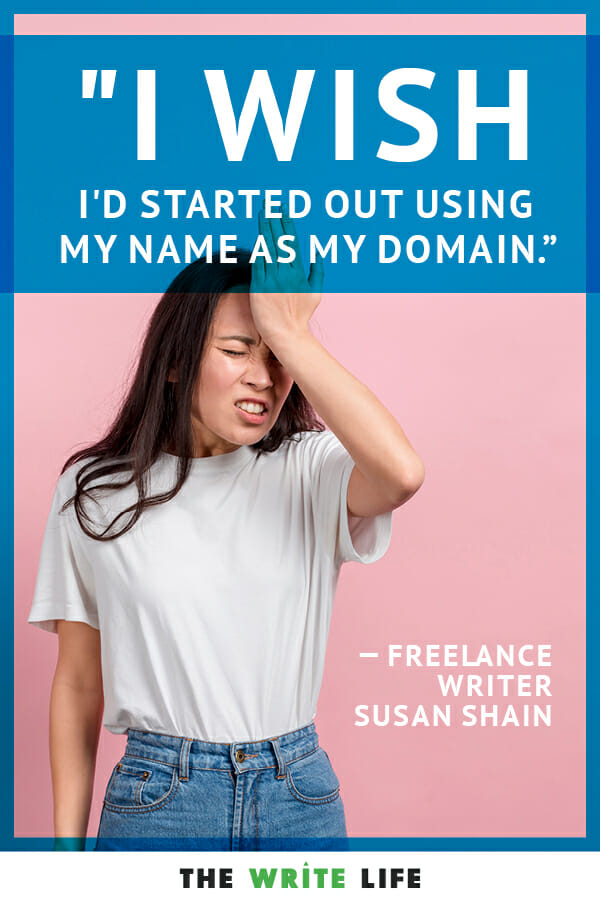




 18.
18.