Blog

  • 7 Secrets to Writing Stories That Change Lives

    When you think of transformation, what images come to mind? Perhaps a caterpillar becoming a butterfly, or a classic rags-to-riches tale.

    Transformation can mean a thorough or dramatic change in form or appearance, or a metamorphosis during the life cycle of an animal.

    When you instigate transformation through your writing, you’re creating transformational writing. Transformational writing is writing that changes lives.

    Think about how your writing can transform lives on the following levels:

    • Transform yourself: How will your life be different as a result of your writing?

    • Transform your reader: How can you change the life of your reader? What could you say that could positively impact the lives of others?

    • Transform your world: How can your book make a significant difference in the world?

    The seven secrets of transformational writing

    When you write, consider these elements in order to ensure that your work maximizes its potential impact.

    1. The secret of meaning

    Every word has meaning. Each action or plot twist in your story should also convey some kind of meaning. This isn’t to say that every element has to be some kind of profound life-changing event, but consider the concept of parables and hidden meanings.

    Think about ways to add new levels of meaning to your writing. What is your story or book really about on its deepest level? What are the deeper meanings your writing can convey through stories?

    2. The secret of legend

    Joseph Campbell, author of The Hero with a Thousand Faces, popularized the storytelling concept known as the hero’s journey. Also known as the monomyth or metanarrative, the hero’s journey is a deeply imprinted story template that connects people from diverse cultures throughout history. There are several variations of the hero’s journey, but the basic elements follow the protagonist or hero through a departure, an initiation, and a return.

    The departure begins in the hero’s ordinary world with a call to adventure, a refusal of the call, a bit of aid (often supernatural), and the commencement of an adventure. The initiation phase consists of the road of trials, meeting with a mentor, some form of crucifixion, and a resurrection or transformation. The return is where the hero demonstrates mastery of both worlds and brings back the reward. Along the journey the hero may meet various characters including a herald, a mentor, a trickster, a god or goddess, several allies, and of course, some enemies.

    There are many variations of the hero’s journey, but if you look closely you will see the template in many popular stories and myths. How can you create a larger-than-life legend in your own writing? Who is your hero?

    3. The secret of vision

    When visionary filmmaker Cecil B. DeMille headed west to make movies in 1913, California was nothing more than “orange groves and desert” and movies were considered a passing fad. He followed his vision and went on to establish Hollywood as the motion picture capital of the world with over 70 major films to his credit.

    Henry Ford said that if he had listened to what the people wanted, he would have created a faster horse. Instead he invented the automobile, something that nobody knew about or wanted until it was created. When John Bunyan wrote Pilgrim’s Progress in 1678, nobody had ever seen a novel before.

    What is something new that you could say or create that no one has ever seen before?

    4. The secret of showing

    One day Buddha silently held up a flower to the assembly of his disciples. One disciple smiled, understanding completely and became enlightened. Words were not needed.

    The human brain reacts more to images and stories than it does to explanatory instructions. Think about an early storyteller weaving tales around a fire; perhaps he described how a leopard pounced on his younger brother, who was walking alone along the dark path under the mango tree, and tore him to shreds. Wouldn’t that have more effect than simply telling the audience that leopards can be dangerous animals?

    Show, don’t tell. Check out the award-winning film The Artist or watch the short film Nuit Blanche for wonderful examples of visual storytelling.

    While writing your book, even if it’s nonfiction, imagine how your stories could be translated into images. How can you make your storytelling more visual and less explanatory?

    5. The secret of releasing

    Many of my greatest writing successes have come when I wasn’t looking for them. When I was in my second year of law school I began having second thoughts about my future career. Did I really want to become an attorney?

    Even though I was still doing well in school while working a full-time government job, I began to wonder whether I had made the right choice. Around that time I received a call out of the blue from a previous publisher who asked me if I could write a book about identity theft.

    Realizing that my heart was more into a writing career than practicing law, I accepted the assignment and took a leave of absence from law school. I later returned to graduate school, but this time to earn my Master of Fine Arts in Creative Writing. I let go of my plans for a legal career and my writing career took off.

    This also applies to certain projects after you’ve done everything you can. Sometimes you just need to let go and move on. (Like this idea? Click to tweet it!)

    What do you need to release in order to take your writing career to the next level?

    6. The secret of silence

    What if you spent less time talking about writing and more time writing? What if you listened more than you talked?

    Become aware of the still, small voice within. What is the space between your thoughts? Learn to listen to the silence. Take time every day to sit or walk or stand in silence. Whether you call it meditation, silent prayer, or waiting in the stillness, listen for the voice inside you. What does it want you to know?

    7. The secret of action

    Have you ever known someone who is always talking about what they are going to do someday, but they never take any action?

    I’ve met many aspiring writers who spend a lot of time talking about their stories and telling people what they are going to do one of these days. I’ve known others who are always reading books about writing, taking writing workshops, and going to writers groups. But they never get their books written. They often start but never finish. Many never get started.

    I’ve done this myself: I recall telling a counselor that I had just checked out half a dozen books on writing from the library and enrolled in a writing class. When he asked me if I had started writing anything yet, I had to tell him no.

    Sometimes the smallest actions can yield the greatest results. Sometimes less is more. Rather than getting overwhelmed with thinking and talking about all these major projects that you don’t have time for, take small actions on a consistent basis. Learn to take baby steps. One word at a time. One page at a time. Five minutes at a time. One day at a time.

    Small actions yield results

    How can you break your writing into baby steps? What will you write today?

    How has writing changed your life? How will you transform the lives of others with your words?

    The seven secrets of transformational writing are excerpted from Transformed by Writing: How to Change Your Life and Change the World with the Power of Story.
  • 6 Reasons a New Writing Tool Called Draft Is Revolutionizing Author Collaboration

    6 Reasons a New Writing Tool Called Draft Is Revolutionizing Author Collaboration

    As writers, we frequently work with editors, clients, and other writers. But as much as we collaborate, there aren’t many tools to help us do it well.

    Everyone can relate to the frustrations of using Microsoft Word’s Track Changes function or the challenge of emailing documents back and forth.

    Clunky collaboration workflows turn working with others into a frustrating experience.

    But every day, new tools are coming out to help writers work better. Nathan Kontny’s Draft is one such tool. Here are six reasons to give Draft a try on your next collaboration:

    1. No additional software

    Have you ever tried to help a client set up a new piece of software just so they can work with you? Working with clients can be challenging enough without extra hassles.

    Draft is an online editor, meaning it runs in any browser. You don’t need to download or install any additional software to use it, and neither does anyone you’re collaborating with. Plus, it’ll work on any operating system, so there’s no worry about Mac or PC interoperability.

    When you invite someone to edit your document they’ll receive an email with a link. All they have to do is follow that link and create a Draft account. The only necessary software is a browser.

    2. Minimal writing environment

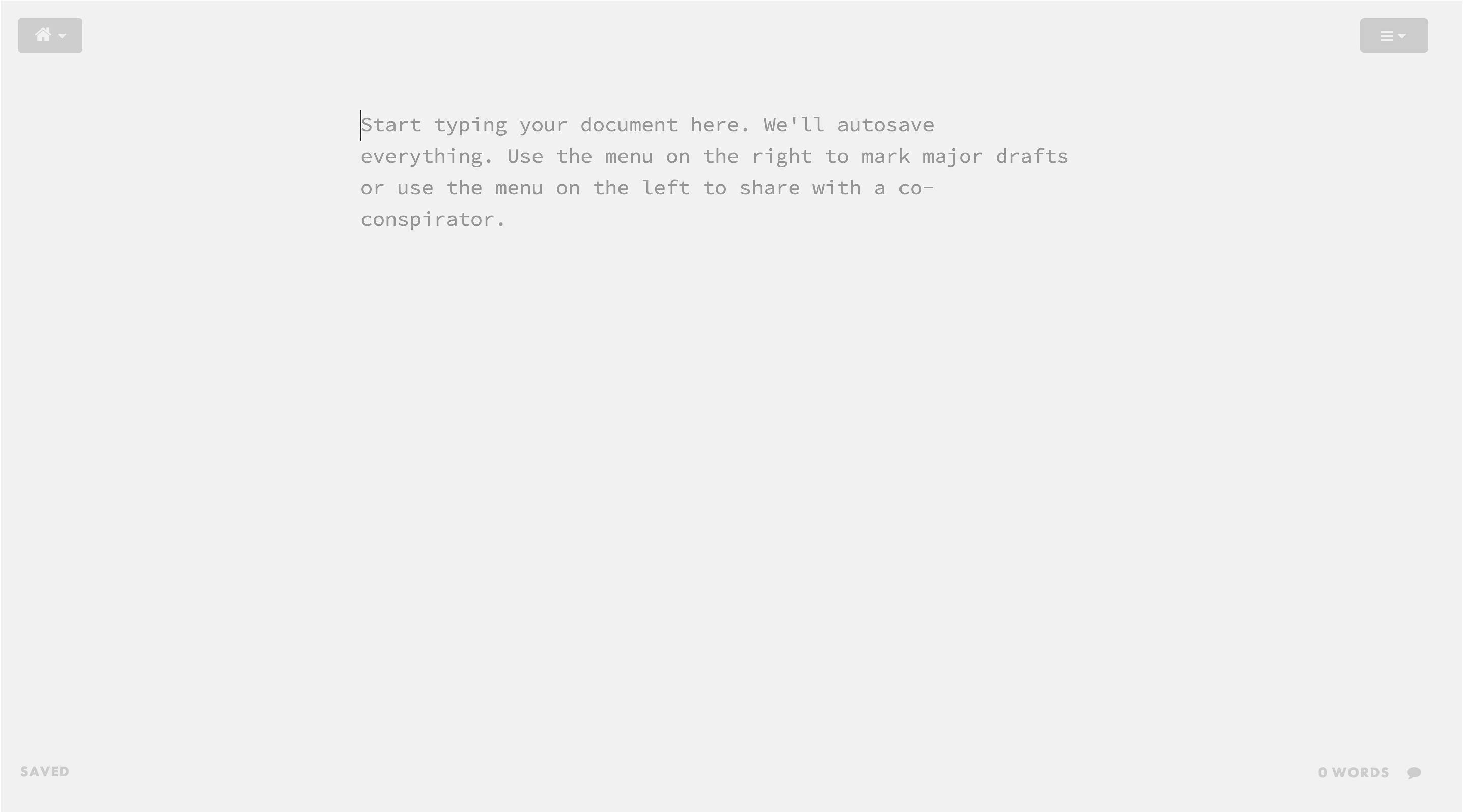
    Draft employs what is typically called a “distraction-free” writing environment. The interface isn’t littered with menus and toolbars. The content is front and center.

    This simple and minimal interface lets you focus on composition instead of formatting. And your clients or editors won’t need to learn a bunch of menus or settings.

    Draft interface

    When you do need to format, Draft supports Markdown and its top-right menu will let you make text bold, italicize, and insert images and links.

    3. Import from anywhere

    Despite its pleasant writing environment, you may not actually want to compose in Draft. That’s no problem. Draft will let you import from Word, Google Docs, Dropbox and even Evernote, so you’re free to keep using your existing writing tools.

    Your edits in Draft will automatically be synced with their cloud counterparts. For example, you can compose in a text editor on your iPad, save the file in Dropbox, then edit the document in Draft from your computer.

    When you’re done editing, Draft will automatically update the Dropbox file, keeping all versions current. (This feature doesn’t work with Google Doc and Word file types currently, which is yet another great reason to quit Word and use a plain text editor.)

    4. Version control

    You know the old routine of keeping multiple Word files for separate versions of your document? The one where you end up with file names like Wills_The_Write_Life_Post_v2_Heathers_edit_FINAL.doc?

    Forget that hassle. Not only does Draft automatically save as you write, but it lets you mark major revisions: all you have to do is hit CTRL+S (or CMD+S on a Mac) and a separate copy of your document is saved. And when you’re working with a collaborator, their edits are version controlled too.

    All of your major revisions are browseable, so you can always go back and see your content as it was at different stages. Unlike Google Docs and Word’s Track Changes, version browsing isn’t just a list of changes: it’s a scrollable, side-by-side view of every revision, making it much easier to grasp the differences between versions.

    5. Edit approval

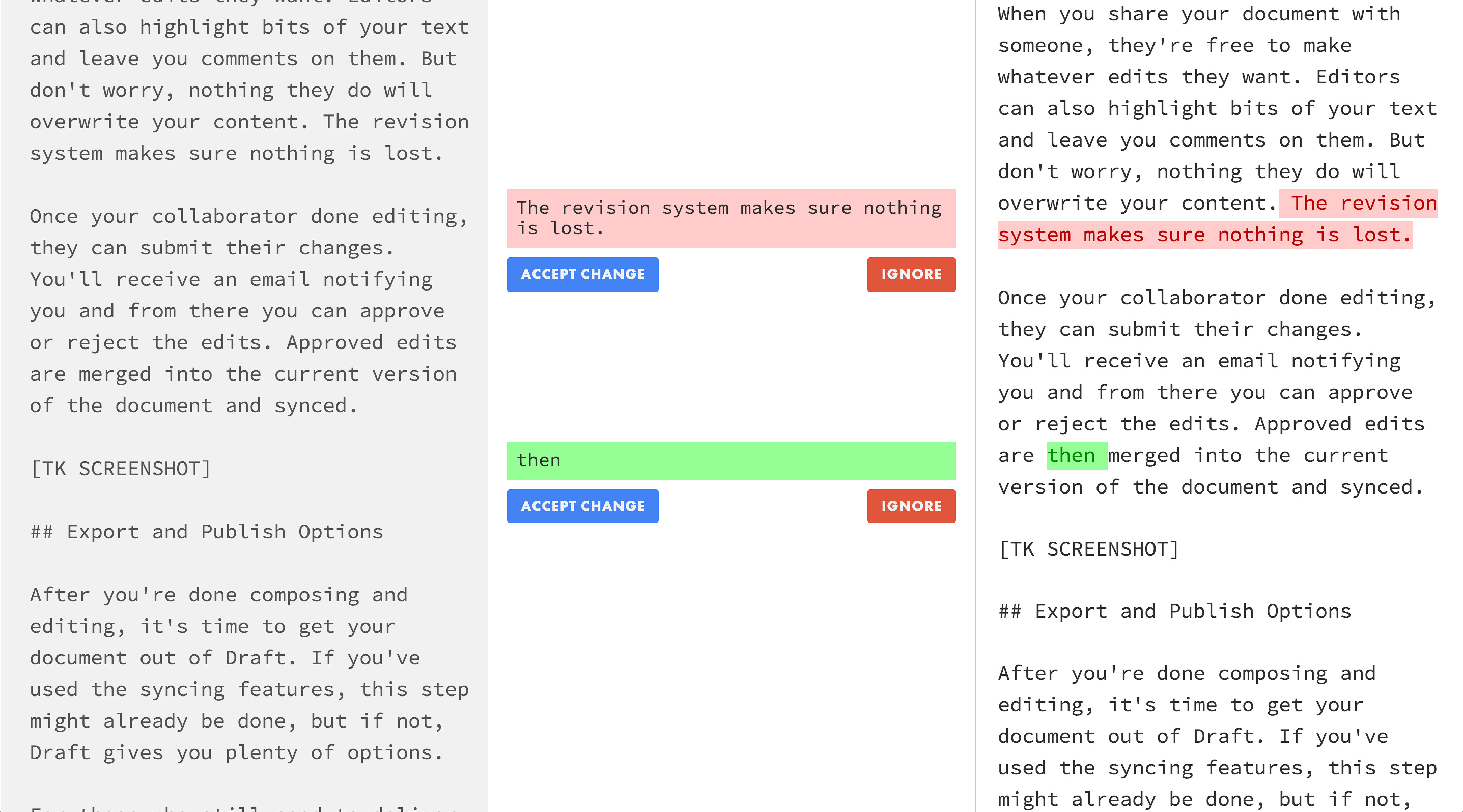
    When you share your document with someone, they’re free to make whatever edits they want. Editors can also highlight bits of your text and leave comments on them. But don’t worry, nothing they do will overwrite your content.

    Once your collaborator is done editing, they can submit their changes. You’ll receive an email notifying you and from there you can approve or reject the edits.

    The approval system really sets Draft apart from similar collaborative software such as Google Docs. Instead of the most recent edits automatically replacing the current document, Draft changes nothing until you — the original author — give the “okay.”

    Draft Edit Approval

    The edit approval screen shows you the original content on the left and the new, edited document on the right. As you scroll through the text you are able to approve or reject every change made by your collaborator.

    6. Export and publish options

    After you’re done composing and editing, it’s time to get your document out of Draft. If you’ve used the syncing features, this step might already be done, but if not, Draft gives you plenty of options.

    For those who need to deliver Word files, you can download or email your document as a .docx. You can also save it to Google Docs or export it to plain text. In addition, Draft will give you an HTML preview of your work, including Markdown conversion, which is great for bloggers. Draft can also export to Kindle format, so you can download or email an ebook version of your document.

    But you can go one step further: instead of just exporting from Draft, you can publish directly to major platforms. Draft supports publishing to WordPress, Tumblr, Blogger, Twitter, and more. It’ll even let you publish to MailChimp, so you can use it for your email newsletters.

    These features make Draft a great tool for collaborating, but they just scratch the surface of what it can do. Check out the Draft Features page and Nathan Kontny’s blog to learn more about this amazing tool.

    What do you think of this new collaborative tool? If you’ve used Draft, please share your experience! 

  • When Can You Call Yourself A Writer?

    When Can You Call Yourself A Writer?

    When can you call yourself a writer?

    This is an important question in every writer’s life. At what moment in time can you actually refer to yourself as a writer?

    But even the very question itself is deceiving, because there are actually two questions here:

    When can you look in the mirror and call yourself a writer? And when can you call yourself a writer in front of several complete strangers at a party?

    When can you call yourself a writer in private?

    Now. Absolutely right now.

    Tell yourself in the mirror before you brush your teeth, then again when you’re driving home from work.

    Say it so many times that you get exasperated looks from your spouse. Heck, get business cards printed, too. I remember reading somewhere that Robert De Niro will sometimes repeat his lines dozens of times before filming a scene, in an effort to make himself fully believe what he’s saying. That’s your goal: say it, then say it again until you believe it.

    When you finally call yourself a writer, it drives home the fact that this is real. It’s serious. We’re no longer talking about some vague ambition. You’re a professional writer who has to produce content, be that novels or nonfiction books or articles or whatever.

    Go ahead and say it right now: “I am a writer.” The more it becomes real for you, the more it will drive you to sit down as much as possible and put words on the page.

    call yourself a writer

    When can you call yourself a writer in public?

    The answer to this question is also now — but this is a different matter altogether. The reason you want to take this step immediately in public is to apply pressure to yourself. If you start telling people that you’re in the middle of a novel, then you darn well better be in the middle of a novel.

    But here’s the rub: there are two things that happen when you’re in public and first start referring to yourself as a writer.

    The first thing is your friends and spouse may have an irksome tendency to snicker or roll their eyes. The truth is that one cannot become a doctor or welder simply because they say they are. Such professions take degrees and certifications.

    But writers don’t need degrees or training, so it may seem like a “cheat” or “exaggeration” to others that you’re suddenly calling yourself something as prestigious as “writer.” So you don’t want to call yourself a writer in public until you’re fully ready to shrug off any silly passive-aggressive nonsense from college buddies.

    [twl_reusable_block post_id=41455]

    The second thing you must be prepared for is the question that will boomerang back to you 10 times out of 10: “Oh, really — what do you write?”

    I don’t care if you are at a book party in Manhattan or a hole-in-the-wall bar in the Yukon. When you say you are a writer, someone will always — always — ask, “What do you write?” and then when you answer with a general response, they will follow that up with, “Anything I might have read?”

    Obviously, at the beginning of your career, with no real credits to speak of, you won’t have much to say when people start asking for details. This can cause embarrassing moments of silence, or rambling explanations that reek of self-doubt. So don’t refer to yourself as a writer in public until you have a plan to deal with follow-up questions.

    In my opinion, the most important thing to remember when answering such questions is to respond quickly and concisely. Even if your credits are insignificant, if you answer with clarity and speed, it conveys confidence and that you have a plan you don’t need to explain to the world.  Try this conversation:

    “What do you do?”

    “I’m a writer.”

    “Oh, cool. What do you write?”

    “I’m just starting out. But to answer your question: articles, mostly. Working on a sci-fi novel when I can.”

    “Articles — great. Anything I might have read?”

    “Not yet, but I’m working on it. I’m really enjoying myself so far.”

    True, such answers aren’t impressive, but they’re confident. The writer is in control. It comes off poorly when, upon being asked what they write, a writer stammers incoherently, then answers the question by basically saying, “I’m not really sure yet, and to tell you the truth, I may just have no clue altogether! Hahaha!”

    So if you don’t feel like you can confidently answer the question, or are embarrassed to say aloud that you haven’t been published, think twice before mentioning your writerly aspirations at a soiree.

    But don’t forget that the sooner you start calling yourself a writer in private and in public, and the sooner you create a website and business cards, the sooner you will realize your career choice is a serious endeavor and demands your time and attention.

    And that is what will drive you to sit down, put in the hard work and create.

    [twl_reusable_block post_id=41455]

    The giveaway for Chuck’s book Create Your Writer Platform is now over. Thanks for all your comments. Congrats to Teresa Bruce!

    Other TWL Guest Posts by Chuck Sambuchino:

    1. The Worst Ways to Begin Your Novel: Advice from Literary Agents

    2. Without This, You’ll Never Succeed as a Writer

    3. Querying Literary Agents: Your Top 9 Questions Answered

  • A Client’s Perspective: 3 Key Ways to Stand Out as a Freelance Blogger

    A Client’s Perspective: 3 Key Ways to Stand Out as a Freelance Blogger

    In December 2011, I quit my job and started blogging for a living. I blogged on a freelance basis for a variety of clients, eventually snagging rates of $150+ per hour.

    However, over the past few months I have switched over to a subcontracting business model, where I play a more editorial role, paying other freelancers to write blog content which I then review for quality and send on to clients.

    This situation puts me in the unique situation of seeing both sides of the coin. While I know what it’s like to be a freelance blogger, I also know what it’s like to work with freelance bloggers. Becoming a “client” to freelance bloggers has given me a far better understanding of the key characteristics of successful freelancers. Here are the three key lessons I’ve learned.

    1. Being a good writer isn’t enough

    Let’s start with the obvious: you need to be a good writer to succeed as a freelancer. Nobody will hire you if you can’t produce great content for their blog. But being a great writer is just the price of entry.

    You can think of freelance blogging as a fairground where you have to pay to get in but also pay to ride the attractions. You’ll need more than just your entrance ticket to have fun (i.e. get paid a good rate).

    What does this mean for you? Most freelance bloggers need to demonstrate a wide range of skills in order to earn the best rates. It’s simply not enough to just be able to write.

    For bloggers specifically, you must demonstrate that you can blog. By far the best way to do this is to run your own relatively successful blog. Doing so will give you valuable experience and serve as a source of samples to woo future clients.

    Clients often favor active social media accounts as well, as they like to see you sharing their content and giving it an extra boost. This fact just helps to illustrate the basic truth that you can always do well to think of freelancing in terms of what you can do to benefit the client.

    Additionally, copywriting and marketing skills are coveted. If you can write an article and help the client put together an effective promotion strategy, you’ll never be left wanting for work.

    2. Little things matter

    Clients don’t value your writing in a vacuum; they are paying you for specific services that they believe will increase their bottom line. That makes it an imperative that, as a freelance writer, you present a solution to the client — not a problem.

    In my experience, many freelancers don’t appreciate this. While they may offer a solution to some extent, that solution is often riddled with problems that take time to resolve.

    The most obvious example of this is a poorly edited post: one that contains typos and grammatical errors. You’d be surprised by how many submissions I have received where the writer simply didn’t bother to proofread.

    A client is hiring you so that they don’t have to worry about writing. If they have to go through each article you submit with a fine-tooth comb, it rather defeats the purpose of hiring a writer in the first place. You should always place a premium on quality in your work, because clients don’t want anything less. Taking that extra step to ensure that your article is fully polished may not seem like a big deal, but it makes a huge difference to a client.

    Personally speaking, I have only worked with a couple of writers who I simply know I don’t have to check. For the rest, I know that I have to make sure that typos, strangely-worded sentences and grammatical oddities haven’t slipped through the net.

    What I would give to receive a piece and know that I could just send it straight onto the client! I would happily pay more for that, but such qualities are extremely rare.

    The moral of the story should be obvious: if you focus on providing well-polished posts, you will be in high demand.

    I’m not saying that you need to be perfect; everybody has an occasional typo here and there, but you can certainly strive for perfection. If you work to make each blog post you pen as perfect as possible, your clients will be pleased and you will be paid.

    3. Poor professional skills can sink you

    Here’s the hard truth: how you conduct yourself is absolutely vital to your success. And here’s the sad reality: many freelance writers don’t fully appreciate that fact.

    As I’ve said, good writing can only take you so far, after which your momentum will peter out. So let’s put aside the whole writing thing for a moment and just focus on your “professional skills,” by which I mean things like your reliability, organization and communication.

    Remember that you should always aim to provide a solution, not a problem. If we consider this fact, it becomes readily apparent that being late on deadlines or failing to respond promptly to emails makes you a problem.

    Of course you can’t always be at your client’s beck and call. But you should be responsive to them and you should always deliver on what you promise (acts of God and the like excepted). One of many ways to effectively do this is to learn how to manage your time.

    If you can’t get organized, communicate well and remain a reliable writer, clients will become wary. Nobody wants to work with someone who constantly makes excuses and turns in assignments late. Don’t use an existing lack of organizational skills as an excuse — sort it out.

    Conclusion

    You may read through the above tips and consider them simple. Well, they are — I won’t apologize for that. Nobody ever said that success had to be complicated.

    At the end of the day, it’s about doing the simple things right.

    If you communicate efficiently, create quality pieces on time and bring more to the table than just a written article, you will be coveted by your existing clients and sought out by prospective clients. When that happens, you’ll know that you stand out.

    How have you endeared yourself to your clients?

  • Literary Agent Tells All: 5 Things You Don’t Know About Book Publishing

    Literary Agent Tells All: 5 Things You Don’t Know About Book Publishing

    So you have a brilliant manuscript and you want to get published. Now what?

    If you want to be published the “traditional” way, savvy TWL readers probably know the next step is finding an agent, but things can get a little murky after that.

    What happens once your agent signs on? What do editors do with your manuscript? Once you have a book deal, what can you expect going forward?

    The publishing process can be mystifying, and sometimes writers are left feeling like they’re on the outside looking in. Creating a book ought to come with a handy user guide, but it doesn’t. And busy agents and editors don’t always remember to inform writers of the steps a project takes on the path from manuscript to finished book, and who the major players are along the way.

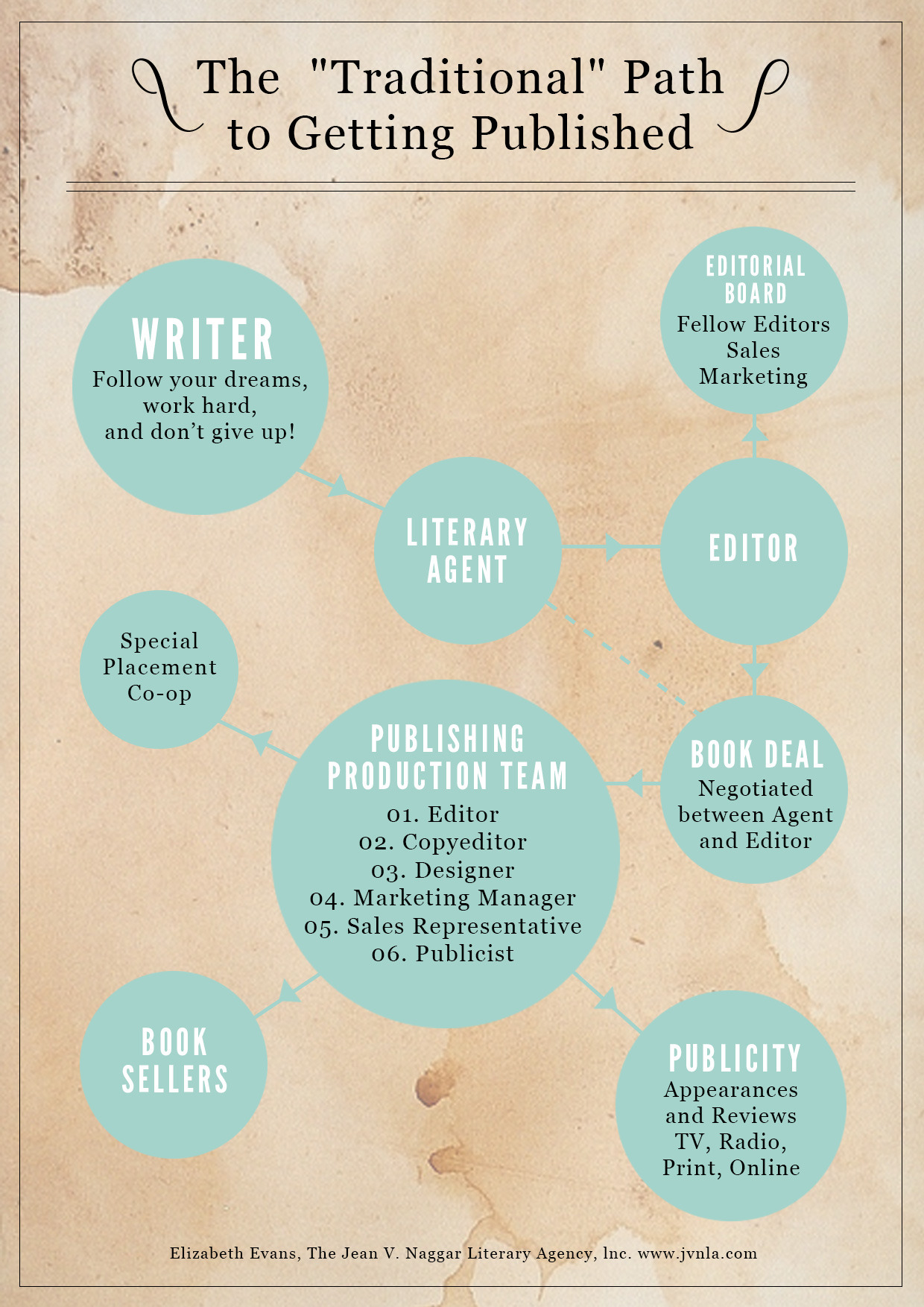
    A writer shouldn’t feel in the dark about what’s happening with her book — heck, you wrote the darn thing! Next time you’re feeling unsure about what’s going on, take a peek at this simple flow-chart and these five tips to understanding what’s going on behind the scenes.

    Traditional Publishing Flowchart

    How long will it take your agent to submit the project to editors?

    Once you sign with an agent, he will then work with you to ready the project for submission to editors. This could mean minor edits or something more involved. Before you agree to work together, ask the agent for an estimate of how much time and work it will take before the project is ready to go.

    Tip #1: Don’t hold your agent to exact dates; things come up. For example, an agent might plan to submit your project on a Monday, but if she suddenly has a lot of editor interest in another project, she may have to shift gears to sell the other book first. Be patient, but if weeks go by with no news, check in.

    [twl_reusable_block post_id=41455]

    How long does it take for an editor to make an offer?

    Depends on the editor, depends on the publisher. If an editor is really enthusiastic about your book, it could take just a couple of days (or even less!). Generally, however, editors need to present the book at their weekly editorial meeting and get their team onboard before they can make an offer. This can take time, sometimes a week or more.

    Editors may reach out to let the agent know they love a project and are “getting reads,” or sharing your project with a few trusted readers at their imprint. Then, when they bring the project up at their meeting, you’ll have a wider base of support in-house. This is a sure sign of interest, but no guarantee an offer is forthcoming.

    Tip #2: Understand the potential hurdles of the ed board meeting. Editors have to present a strong case for your book at ed board meetings, going beyond loving a voice, style or concept.  They need to present “comps,” or competitive and comparative titles that have strong sales figures — indicating that your book will too.

    They may also need to win over the Sales & Marketing Team, convincing them that there’s a strong audience and potential for stores to place large orders of the book. Try to anticipate and address these needs in advance through your proposal or your agent’s submission letter.

    When is it safe to get excited?  Probably not until that offer is on the table. I recommend my clients be “cautiously optimistic” until then.

    I’ve got a book deal! When can I expect to get paid?

    Once your agent and editor agree upon the “deal points,” or the major terms of your deal (these include advance, payout, territory, royalty rates, subrights), the agent waits for the publisher to generate the contract. Depending on the publisher, this can take a few weeks or even a few months. On average, I see a contract come in three weeks to one month after I strike a deal.

    Tip #3: Plan for an additional two months of negotiations after your agent receives the contract. You won’t get paid the first installment of your advance until the contract is fully executed, a back-and-forth process between your agency and the publisher to iron out specific language. This process can experience delays. Contract managers juggle several contracts at once, and it might take time for them to respond to the other party. I would expect an additional two months. Anything faster than this is gravy!

    Who is my point person at the publishing house?

    The editor not only works with you on revisions of your manuscript, he or she oversees the entire process of book production in house. This includes coordinating with different members of your publishing team, including the cover designer, publicist, marketing manager and sales team. Depending on how that publisher works, you may be encouraged to communicate directly with different members of your team, or you may find you only communicate with your editor, who passes your input along to the others.

    Tip #4: Don’t be afraid to ask your editor what to expect once you’ve reached the final manuscript stage. Your editor should be able to give you an overview of the steps your manuscript takes once it goes into production. Ask your editor how many opportunities you’ll have to read the manuscript after it goes through copyediting and page layout. Also ask when you might expect to see a cover design, or hear from your publicist to coordinate a publicity plan. Your agent can assist with this, but it’s best to hear it directly from the editor.

    The manuscript is done!  Now what do I do?

    Most authors experience a lull just after turning in their final manuscript. This is a great achievement, so enjoy a few days of relaxation, then turn your sights to the next steps: marketing and publicity.

    Authors can expect to have direct contact with their publicist, usually starting about six months out from pub date, but they might not have much communication with marketing. Unless you happen to be BFF with the Target Book Club Buyer or the CEO of Anthropologie, there’s usually not too much an author can do on her own to assist with marketing. However, there are two important things you can plan in advance that may directly affect book buy-ins.

    Tip #5: Use your downtime to cultivate a strong presence online and seek support from other authors. When I Google your name, I’d like to see a professional-looking website, either focused around you as an author or around your book, and an active presence on social media sites such as Twitter, Facebook or Instagram. Note: Don’t feel you have to do everything. Go for depth, not breadth.

    An earlier post on The Write Life explained what agents want to see when they Google your name. Well, book buyers are looking for the same thing — a robust presence! This doesn’t happen overnight, but requires consistent attention over a long period of time.

    The best way to build Twitter followers is to be active on Twitter. A lone tweet here and there won’t do much good — in fact it might actually hurt to have an account with just a few followers; you’re better off not having an account at all.

    Consistent attention, including reaching out to other authors and “taste-makers” can help build buzz and a network that may be willing to help you promote your book when it comes out.

    Speaking of building your network, now is a great time to plan ahead for who you’d like to approach for endorsements once bound galleys are ready. Try to determine the best way to reach them. Also, consider which authors writing in your genre have popular blogs. Perhaps there’s opportunity to collaborate on a blog tour down the road.

    Hopefully these tips have provided some insights as to what you can expect from the publishing process. Keep in mind that each publishing house works a little bit differently. For example, some editors might not need the approval of an editorial board to acquire a project, and certain houses don’t hold editorial meetings every week.

    Remember to enlist the help of your agent if you have questions – their experience should help guide the way.

    Have you navigated the traditional publishing process? Share your experience in the comments!

  • 11 Ways to Doom Your Freelance Writing Career

    11 Ways to Doom Your Freelance Writing Career

    The realities of freelance writing can be daunting, and sometimes the challenges of creating a writing business can seem insurmountable. There has to be an easier way!

    Luckily, there is: aim low.

    Let’s take a closer look at strategies that diminish your chances of progressing as a writer.

    If building a successful freelance writing business is not on your agenda, pay attention and start taking notes.

    1. Write for content mills

    Their business model isn’t viable, and you’ll wind up earning peanuts and drowning in the deepest obscurity. You’ll probably turn up on Google’s umpteenth search results page. But won’t those clips look good in your portfolio? Unlikely.

    2. Waste your time and money selling yourself short on bidding sites

    If you want to avoid being paid a fair wage for an article, try lurking around sites like Freelancer, Elance, and oDesk. You’ll earn a fabulous $3 to $15 per hour regurgitating articles on topics you loathe. Do the math to see how many hours you’d need to work to make a comfortable living. Yeah…that’s what I thought.

    3. Procrastinate

    Since you’re aiming for failure, keep postponing the outlining of your next article and delay reading that blogging ebook you downloaded for free ages ago. Have yet another snack, watch another episode of your favorite show and leave it all for tomorrow. Lather, rinse and repeat.

    4. Expect to learn everything you need to know to grow your freelance writing business for free

    Why pay for an online training session? It’s way too expensive. None of those “online gurus” practice what they preach. You’ll never see the return on your investment.

    If you do go for it and pay for a webinar or course, and the trainer makes the effort to provide you with a recording, be ungrateful and never ever listen to it.

    5. Don’t hire a mentor

    Do you feel like you know it all? If you think you have all the answers, try writing a solid resource post with no research at all. Without consulting anybody else or asking for advice or feedback. You don’t need someone else’s guidance to help you with your strategy.

    Keep admiring your role models from afar. Daydream about eventually becoming one of them without ever having to lift a finger.

    6. Be a writer in a vacuum

    Ignore the writing community. Don’t interact with your fellow writers. Attending networking events? Too expensive. Connecting with others on social media? Takes time away from your Fruit Ninja routine.

    After all, other freelance writers are your competition, so what could you possibly learn from them? You sure don’t want to share any of your brilliant ideas, and they probably won’t either.

    7. Treat your business like a hobby

    Write only when you feel like it. If you’re not feeling inspired today, you don’t need to force your brain cells to produce any content. Nothing will come out of trying to brainstorm or free-write or using a prompt from another writer (see #6).

    If you go out to get some fresh air, leave your notebook at home. Why would you jot down any new ideas that might come to mind?

    8. Shy away from starting a blog to build your brand

    After all, if you started a blog, you’d have to deal with readers and work on building an audience. And then you’d have to engage with that audience.

    The commitment of starting a blog, updating it regularly and producing awesome content to attract subscribers is way more than you can handle.

    9. Complain about how hard it is to be a freelance writer these days

    You’re absolutely sure that none of the writers who’ve published their income reports are telling the truth. How can they earn that much when you’re still seeing nada in the bank?

    They must be using some trick. Make sure you criticize them publicly on social media and in the comments section of various blogs.

    10. Definitely don’t market yourself

    That guest blogging thing? Too much of a hassle. Pitching guest post ideas to bloggers you didn’t want to connect with in the first place is the worst idea ever.

    There are at least 100 ways to market your blog, but it’s easier to just ignore them all.

    11. Give up

    Earning a comfortable living as a freelance writer is impossible, so you might as well quit now.

    There you are: 11 strategies that will blow your chances of ever creating a solid freelance writing career. Putting them into practice would be pretty simple, and would free you from the constraints of the writing life so you could move onto other pursuits, like checking out what your old chemistry lab partner is up to on Facebook, or reading up on the latest celebrity scandal.

    It’s your call!

    What are some other surefire ways to fail at freelance writing? Share your ideas in the comments!

  • Why You Shouldn’t Worry About Copyright — And Focus on Craft Instead

    Why You Shouldn’t Worry About Copyright — And Focus on Craft Instead

    You’ve been working hard on your book, crafting your characters, creating the plot arc, developing scenes and providing structure for your story.

    It’s all coming together. The story flows, your beta readers love it, the editor has clarified your prose and the book cover is spectacular. You are thrilled to hit publish.

    As if in a dream, sales begin to grow.

    Then, the dream becomes a nightmare: someone else takes your story. At least they seem to have taken your story. Scene after scene appear in someone else’s work as though lifted from your own. It’s not exactly the same, but nearly.

    Surely, they can’t do this, you think. This must be illegal, at least unethical. Amazon should be told, you think. The other author’s work should be taken down.

    But Amazon won’t take down the work because there is no plagiarism. There is no infringement. Your work is not protected.

    Confused? Here’s why your work may not be protected and what you can do to make sure it is.

    There are only so many ways to depict common themes

    Perhaps you’ve written a gritty coming-of-age story about a young man whose tumultuous upbringing exposes him to a life of crime and violence which he is able to overcome. It’s about life in a hardened inner-city neighborhood, complete with drug corners, intimidating dealers, crack houses, prostitutes and chases with the “five-oh.”

    The fact is, any story about life in America’s decaying inner cities will have these scenes and characters. It’s nearly impossible to tell a story in that setting without those elements.

    Standard depictions of common themes are in the public domain. Scenes which are expected in the treatment of any given topic are not protected by copyright law. They are considered scènes à faire, or scenes that must be done.

    If someone else writes a book with a theme similar to yours, there are going to be characters and scenes that will be common to both. Your use of those common elements will not be protected by copyright law.

    Develop complexity

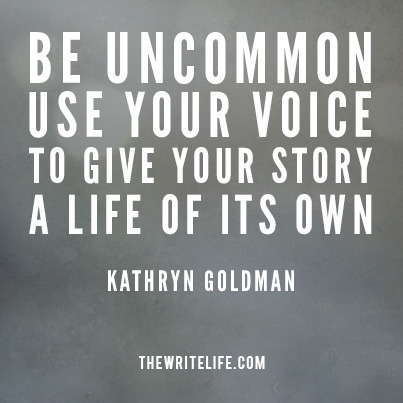
    If you want your work to be protected, do not write in clichés. Be uncommon. Use your voice to give your story a life of its own.

    Be Uncommon

    Focus on developing feel, character, plot, mood, pace, setting and the sequence of events in your story. These are the things that make your work unique and give it protection under the law — and in the eyes of your readers, who often respect originality and disdain copyists.

    The prostitute with a heart of gold is a character found in so many stories that she has become trite. But if she is written thoughtfully, as a complex character with specific conflicting attributes, the prostitute is no longer a cliché. She will have added richness for your readers. The richness will provide greater protection under copyright law because you have wrapped a standard character in unique expression.

    It is the expression you want to protect, not the idea of the prostitute with a heart of gold.

    Engage the senses

    Although a scene may be common, a fully expressed mood that permeates a reader’s senses while reading the scene is unique.  Marianne Richmond has a great post demonstrating how to add further depth to your writing with respect to the senses.

    In our story of the inner-city youth overcoming the odds, reach beyond the standard sketch of the drug dealers on the corner. Provide an enhanced description of the smell of the unwashed junkie buying his hit, the sodden feel of the dollar bills, and the oppressive heat radiating off the concrete shimmering with broken vials.

    Tell your story uniquely

    An inevitable scene in a city-is-tough story is the fight scene when the protagonist either gets beaten into submission by the street lord or acquits himself in combat well enough to earn respect and some measure of peace. Think of The Karate Kid.

    Dig into that fight scene in a way that makes it unlike others to develop a scene with unique description and pace.

    Avoiding clichés in your writing will help you produce a better, stronger and more engaging book. Then, if someone does copy your work, you will have a greater claim of protection and Amazon may remove the offender’s book and perhaps even ban that writer from KDP — potentially faster justice than a lawsuit.

    How have you kept your work protected from copycats?

  • 10 Concentration Apps That Will Help You Get Down to Business

    10 Concentration Apps That Will Help You Get Down to Business

    Ahh, the freedom of freelancing. You set your own hours. You work on your own terms — within the scope of client deadlines and expectations, of course. You…

    …You…

    …Oops. Sorry — just had to check out the latest Grumpy Cat meme on Facebook. And sneak a peek at my email. Which actually reminds me, I haven’t updated my LinkedIn profile in a while…

    Sound familiar?

    While the Internet and all its glorious tools can make a freelancer’s work easier, it also provides so very many ways in which to avoid your work altogether and get lost in an abyss of never-ending stuff: some of it quasi-work-related (hey, LinkedIn’s a networking tool!), some of it just an excuse to procrastinate.

    Luckily, you can get technology back on your side with a slew of super helpful concentration apps that help you focus, block out distractions and get to work. Here are some of the top ones: (Click to tweet this list)

    1. Anti-Social

    If you’re always lured from your projects by the siren call of Facebook and Twitter, this app’s for you. Anti-Social eliminates the temptation to update your status by blocking these sites altogether.

    You can choose timed blocks from 15 minutes up to eight hours (if you’re feeling really determined), and the app “keeps you honest” by cleverly lacking a way to turn it off. That’s right — if you feel the itch and try to cheat, the only way to sneak around a timed block is by rebooting your computer altogether.

    Anti-Social is made to block over 30 social networking sites, including Facebook, Twitter, Tumblr, Hulu and Reddit. You can also add any other sites that tend to pull you away from your work. Are you a secret Amazon shopper? A fantasy football roster-checker? Add these sites to your blocked list to have them blocked as well.

    Operating System: Mac and Windows

    Cost: $15 (with a 90-day money-back guarantee)

    2. Concentrate

    Okay, let’s say that most of the time, Facebook and Twitter are a horrible distraction for you. But when you’re doing social media management for your blog, they’re kind of necessary. Concentrate allows you to select which applications and sites are allowed and which are off-limits based on the task you’re doing. It even goes the extra mile by opening up necessary applications for you.

    Let’s say that when you write, you need to access Word, your favorite online thesaurus site (we all use them in a pinch), and Pandora for a little background music. So, when you launch your “writing” action (for whatever time limit you allocate), Concentrate will open a Word doc for you (either a new one or one you’ve already saved), open up your thesaurus site and launch Pandora for you. It can also block out everything else, set your chat status to “away” and give you special messages and alerts to keep you on task.

    Operating System: Mac

    Cost: 60-day free trial, then $29 (with money-back guarantee)

    3. Focus Booster

    This app is specifically based on the pomodoro technique, a time management system that breaks tasks down into timed blocks separated by short breaks. Since its creation in the ‘80s, the technique has been done most often with kitchen timers; Focus Booster is its digital extension.

    According to the rules of the technique, the app breaks your tasks down into 25-minute sessions (“pomodoros”), each followed by a five-minute break. After four pomodoros, you take a longer, 15- to 20-minute break.

    This technique aims to keep your mind refreshed and agile as you work. If you’re the type who would plug away for two straight hours until your eyes start to blur, this more regimented system could help provide you with a little more structure and rest time.

    Systems: Mac and Windows. An online version is also available if you work across multiple computers or don’t want to download an app.

    Cost: Free (for now). They‘re currently crowdfunding on Pozible to keep the app free as they add new features.

    4. FocusWriter

    Eliminate all the sidebars and notifications that tug at the periphery of your vision and really immerse yourself in your writing with this app, which turns your computer screen into the simplest, most distraction-free blank page possible.

    You can choose various themes, from a totally gray screen with black writing, to a screen over a soothing background image, to a retro green-type-on-black look. Everything else, including the app’s own user interface, which you can access by mousing over the edge of the screen, is whisked out of sight and out of mind.

    Features include timers and alarms, daily goals and (my personal favorite) genuine typewriter sound effects, if that helps get your inspiration flowing.

    Systems: Mac, Windows and Linux

    Cost: Free (with the option to donate if you so choose)

    concentrationapps

    5. SelfControl

    If you lack it yourself, SelfControl has it for you. Unlike other apps, this one will not allow you to get out of your predetermined timed sessions — not even by rebooting your computer or deleting the application itself. If hardcore discipline is called for, this is about as strict as it gets.

    Systems: Mac, Windows and Linux

    Cost: Free (with option to donate)

    6. StayFocused

    Aimed at websites only, but highly customizable within that area, StayFocused limits the amount of time you can spend on certain sites. You decide how many minutes per day you’re allowed to access your guilty pleasure sites, and once you’ve hit your limit, the site is blocked for the rest of the day.

    Not only can you block websites, you can also block subdomains, specific pages on certain sites, distracting in-page content like videos and images or the entire Internet itself. Better yet? If you try sneaking back on (you know, just to make sure the app is working), you’ll be guilt-tripped by a message asking, “Shouldn’t you be working?”

    System: Google Chrome extension

    Cost: Free (with option to donate)

    7. Time Out and 8. SmartBreak

    For those on the opposite side of the focus spectrum — workaholics who work too much for too long — these apps will remind you to take a break once in awhile.

    Time Out reminds you by gently dimming the screen and showing you a message. You can take normal breaks (10 minutes after 50 minutes of work) or micro breaks (short pauses of 10 seconds every 10 minutes if you’re really doing something stressful). Once the break is over, your screen fades back in, and you can get back to work.

    SmartBreak is aimed more at the ergonomic benefits of break-taking. Rather than using set break periods, it actually monitors the amount of work you’re doing (are you typing away like a fiend, or just pecking?) and reminds you to take a break based on when it thinks you need it. While this could get disruptive if you’re just looking to take breaks now and then, it’s great if you suffer from the repetitive stress injuries, back and neck pain, and eye strain that come from long hours in front of a computer.

    Systems: Mac (Time Out); Windows (SmartBreak)

    Cost: Free (Time Out) (with option to donate) ; $19.95 (SmartBreak) ($5 discount if you share or tweet about the app)

    9. Sound Curtain and 10. White Noise

    These are both mobile apps, but the idea behind them is a great one. While other apps focus on blocking out visual distractions and computer applications that can drain your focus, these smartphone apps help block out the distractions of a noisy work environment. It’s best if you have a headset to really get the full effect.

    Sound Curtain masks noise with white noise and harmonic sounds — and if you have a mic on your headset, it will automatically adjust its volume, pitch and tone according to the level of noise around you.

    White Noise mimics the sound of an untuned TV from back in the day when we still had static channels — not so jarringly that it’s a distraction in itself, but more as a means of absorbing ambient noise and “insulating” your mind.

    Systems: iPhone (Sound Curtain); Android (White Noise)

    Cost: $4.99 (Sound Curtain); Free (White Noise)

    Did we miss any good ones? Share your favorites in the comments!
    no
    1
    links

  • What You Should Know Before Publishing Your First Ebook

    What You Should Know Before Publishing Your First Ebook

    Publishing an ebook is a daunting task — so daunting many writers keep their brilliant messages to themselves rather than attempt to navigate the publishing process.

    What if I told you it’s not as hard as you think?

    That it doesn’t have to take as long as you think?

    That it won’t cost as much money as you think?

    The ebook publishing process involves a lot of steps and plenty of research, yes. But if you know what to expect before you get started, the process isn’t as intimidating as it seems.

    Here’s what you can expect:

    Writing and editing

    You might be sitting on a semi-finished draft or a few Big Ideas, but not moving forward because you’re convinced polishing your words into a publishable product will cost a fortune. Industry gurus have scared self-publishers out of their wits about the costs of editing!

    There’s another way. When you understand what your book needs, you can crowdsource or barter for editors and utilize beta readers to manage your own editing process.

    Before writing, you’ll vet your ideas and set a purpose for the book. You can hire a developmental editor, work with a book coach, or bounce ideas off a mastermind group or other trusted colleagues and friends who understand your target audience.

    During or after writing your first draft, you can work with a content editor or trusted beta readers for feedback to ensure the major organization of your ebook effectively meets your goals.

    Once you have a draft, copyediting and proofreading will polish your manuscript and make every word pop off the page. You’ll benefit from hiring a pro at this stage, but you can also barter or trade with a critique partner or colleague, as long as you trust them to understand what your readers expect out of your book.

    Formatting and design

    Once you’ve got a manuscript finished, you can turn it into a book. You have to choose a font, page layout, and relevant images; create a copyright page and other front-of-the-book matter; and — oh my god! — create a cover.

    Publishing a book is a whole new set of skills alongside writing a book. (Click to tweet this idea). If you don’t have any interest in or time for learning these skills, you can browse sites like elance or oDesk for affordable freelancers, and 99Designs to get the best deal on a cover design.

    If you want to learn to DIY, give yourself time to study before starting — you’ll save a bunch of headaches later. I recommend Guy Kawasaki’s APE: How to Publish a Book for an in-depth overview, including formatting tips to avoid a shoddy self-published look. For cover design, follow Joel Friedlander’s e-Book Cover Design Awards for pro tips to guide you.

    Conversion and distribution

    As a digital publishing coach, I could not have anticipated how many writers would come to me simply baffled about ebook conversion! What tools will I need? How much will it cost? Who should I hire?

    Hold the phone. Tuck away your wallet. And breathe easy. Unless your ebook relies on the placement of your images (e.g. a comic book, graphic novel, or scientific textbook), you shouldn’t need more than Microsoft Word (or free counterparts like OpenOffice or LibreOffice) and a free copy of Smashwords Style Guide.

    Kindle, NOOK, Apple, and Kobo all make publishing straight from your desktop as simple as formatting a Word Doc and following their step-by-step instructions. If you want to simplify even more, you can publish through Smashwords, which will convert and distribute your ebook across those online retailers. Or skip them altogether, and sell a PDF from your site through an e-commerce tool like e-junkie, Ganxy, or Gumroad.

    Launch and book marketing

    Next to conversion, “finding readers” is the scariest undertaking cited by most authors. You were promised “passive income,” so why is selling your book taking so much work?

    If you have an established audience and community before writing your book, marketing is certainly much simpler. Prepare for your launch by teasing them with updates on your process, free samples, or a cover reveal. Enlist your audience in book promotion by creating a launch team, as well as making sharing as easy as possible with tweetables and copy-and-pastable blurbs they can share through social media and email.

    If you don’t have an established audience (your ebook can be a good catalyst to build one), marketing and selling your book will require a significant time investment in community- and relationship-building.

    To do your ebook justice, build ongoing marketing into your schedule around other obligations. Planning ahead will help you grow an audience and consistently sell books, and avoid those panicky moments when you realize you spent months creating an ebook no one is buying.

    How to prepare to publish

    Spend some time (in between writing sessions, of course) becoming familiar with the ebook publishing process. Note where you already feel strong; where you think you can learn to DIY; and where you want to hire, barter, trade, or otherwise ask for help, and plan ahead to take the pressure off while you write.

    Are you ready to start writing your ebook? Join us for ManiWriMo, and complete a draft for your manifesto in 30 days!

    What fears do you have about ebook publishing? What about the process excites you?

  • How to Actually Get Work Done While Working from Home

    How to Actually Get Work Done While Working from Home

    When people hear that you work from home, their response is typically positive. They say, “Wow! You’re so lucky!” or “You must love that!”

    The truth is, working from home can be great… and it can also be a disaster. Picture this:

    You rolled out of bed at 7:47 a.m. for your 8:00 a.m. conference call. Since then, you’ve been on calls back to back. It’s 2 p.m., you haven’t stepped out of your apartment once, and you’re still in your pajamas. You’re surrounded by cookie crumbs and pistachio shells, because let’s be honest — that’s all you had in your pantry. You’re booked for the rest of the day and have way too much you want to accomplish… it’s not looking good.

    I wish I was exaggerating, but my first few weeks of transitioning from working in the office to working from home looked just like what I’ve described above.

    The good news is there are ways to make it great. Whether you’re telecommuting to the office or hanging out your own shingle as a freelancer, here are some tips to help you love working from home.

    Set up a work station

    It’s important to set up a work area in your home. This might be an office, a specific table, or even a corner of your apartment that is dedicated to work — and only work.

    Be sure to invest in your work area and buy the supplies you need. A stapler, tape, highlighters, or even a printer are things you may miss once you leave the office, and it’s important to provision your work space at home to help you effectively do your job so you can be most productive.

    Note: Many companies will reimburse you for this expense. Contact your HR department to inquire further.

    Work out in the morning

    Although it sounds great to roll out of bed to take a work call five minutes later, it’s even better to wake up and get your adrenaline flowing. This can be through a workout, a short stretch session, or even a quick walk to the coffee shop. Just get up and moving!

    At the very least, get up and hop in the shower to start your day fresh.

    Take a mid-day walk — even if it’s just around the block

    It’s amazing how easy it is to not leave your apartment when working from home. Everything you need is right there, isn’t it?

    Trust me, your day will be better if you breathe some fresh air. If you have a five-minute, 15-minute, or one-hour break, put on an “away” message and go outside!

    Talk to someone

    Whether you plan a Skype date with a friend or just chat with your barista at the coffee shop, make it a priority to talk to someone. Even if your workplace was not the most social of spots, you will miss human interaction when working from home.

    Plan your meals

    News flash: snacking only on Oreos all day isn’t good for you!

    Plan on eating your normal daily meals, just like you would if you were leaving your house to go to work, and keep healthy snacks around. My personal favorites are apples, almonds and yogurt.

    Keep your home — or at least your work area —  clean

    Treat your work area like you would an out-of-home office. Make sure it’s organized and tidy so you know where all of your materials are.

    Set work boundaries

    It’s easy to log on early and log off late, and then answer emails and draft version 2.0 while watching a movie at 9 p.m. When you work from home, it’s important to set boundaries to separate work life and home life. (Click to tweet this idea).

    Set a log-on time and a log-off time, which means a time when you actually shut down your computer instead of leaving it on to check “just one more time.” There are tons of apps that can help you stay focused and get more work done.

    If you work from home, how do you manage to stay organized and energized?